Sweet Soups & Desserts
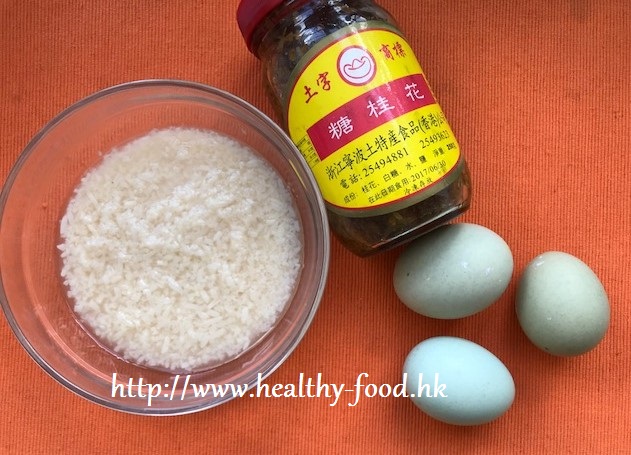
Sweet Fermented Rice with Silkie Chicken Eggs
traditionally associated with supporting blood circulation, warming the stomach, nourishing yin, and brightening the complexion
In short: Sweet Fermented Rice with Silkie Chicken Eggs is a sweet soups & dessert that traditionally associated with supporting blood circulation, warming the stomach, nourishing yin, and brightening the complexion. It is most often made for digestive wellness, women's wellness, skin & natural beauty. Total time about 15 min.
Why people make this dish
Nourilo first demonstrated this dish at a postnatal care class — a student had brought along a beautifully aromatic bottle of home-made glutinous rice wine, and there was also a container of the leftover fermented rice lees. He had a student spontaneously offer to demonstrate her version of “fermented rice eggs” — and while the final result was a little too wine-heavy and overcooked (the egg aroma was buried under alcohol), it was a charming moment. Afterwards, Nourilo shared his own preferred method: the key is to use just enough fermented rice, add the eggs gently into a barely simmering broth, and keep the heat low so the eggs cook through without becoming rubbery or producing excessive foam.
The result is a silky, naturally sweet, warming dessert-tonic. Osmanthus sugar (a common ingredient in traditional southern Chinese sweets) adds a floral fragrance and its own mildly beneficial properties — moistening the lungs, soothing the liver, and refreshing the breath. For women, this dish is particularly associated with brightening the complexion, supporting bust fullness (through blood-nourishing effect), and nourishing yin and blood — hence its reputation as a “women’s friend.”
Safety first — read before you cook
This is a traditional food, not a treatment. Please check with your doctor or pharmacist before making it a regular part of your diet if you:
- are pregnant or breastfeeding, or are cooking for a young child;
- take regular medicines — especially blood thinners, blood-pressure, diabetes or immune-suppressing drugs;
- have a kidney, liver or heart condition, or a known food allergy.
Ingredient notes for this recipe
- Rice wine / alcohol: This recipe contains alcohol. If you are pregnant or planning a pregnancy, the NHS recommends not drinking alcohol; leave it out or choose another recipe. Source: NHS — Alcohol in pregnancy
Stop eating it and seek advice if you notice an allergic reaction or feel unwell. Safety notes reviewed 8 October 2026 · How we write safety notes
Members only
Unlock the full method & Nourilo's tips
One payment, lifetime access to every one of our 2,344 recipes — step-by-step methods, preparation tips and serving notes.
- Full step-by-step method for this and all 2,344 recipes
- Nourilo's Tips — sourcing, substitutions and serving notes
- One-time payment · card, Apple Pay or Google Pay · no subscription, no renewals
Checking your access…
$59.99 one-time · all recipes
Sign in or create a free account, then pay once by card, Apple Pay or Google Pay.
Continue with GoogleBy continuing with Google or email you confirm you are 16 or older and agree to our Terms of Use and Privacy Policy.
$59.99 one-time · all recipes
Signed in as ·
Secure checkout by Stripe. One-time payment, no renewals. Access is linked to your Nourilo account and never expires. By paying you agree to our Terms of Use; you can get a full refund within 14 days (refund policy).
Comments
Join the conversation — sign in or create a free account to comment.
Continue with GoogleBy continuing with Google or email you confirm you are 16 or older and agree to our Terms of Use and Privacy Policy.
Loading comments…