Congee & Porridge
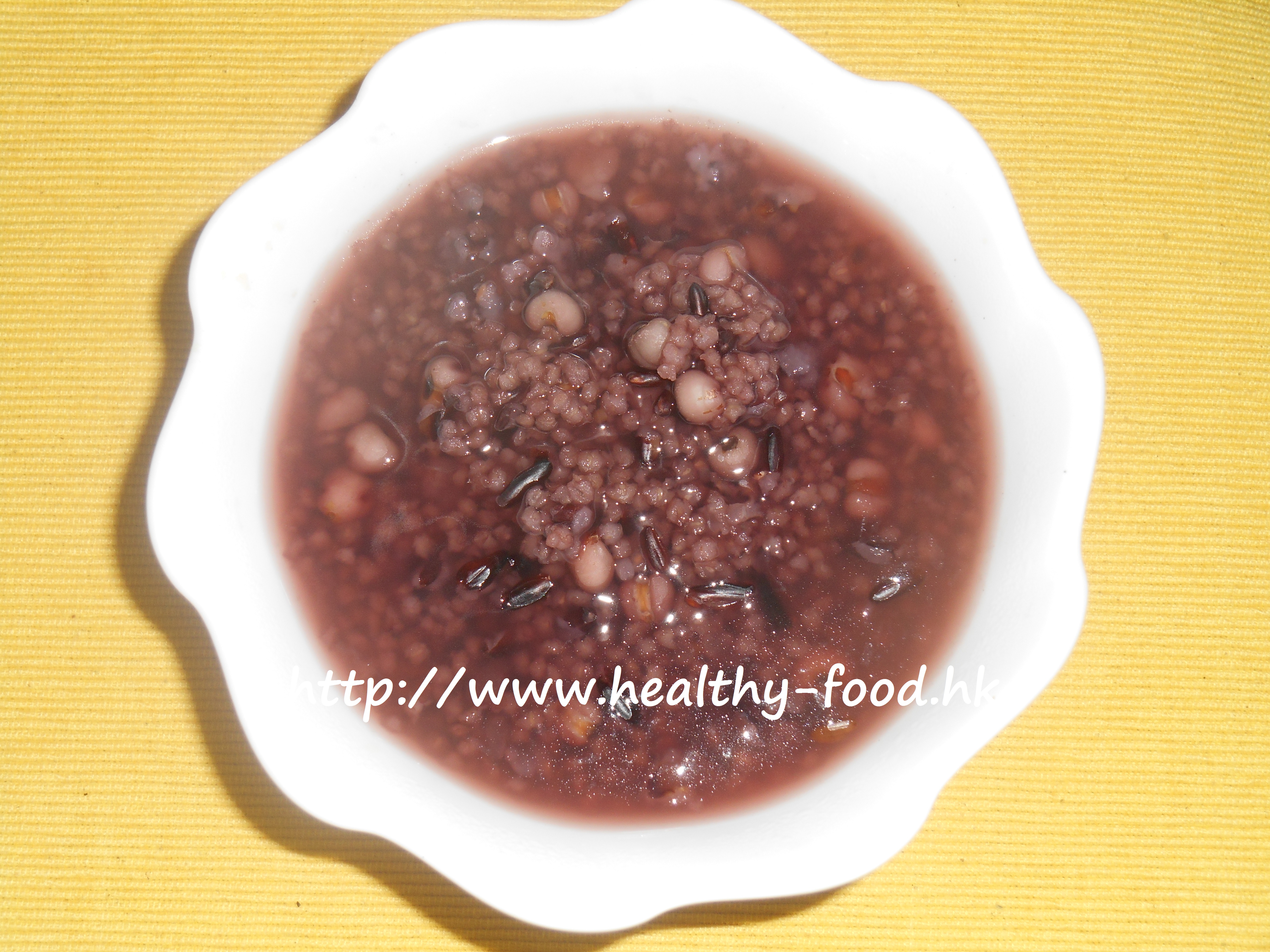
Millet, Black Glutinous Rice and Coix Seed Porridge (San Mi Zhou)
Traditionally used to support spleen and stomach health, nourish qi and blood, and promote cardiovascular wellness
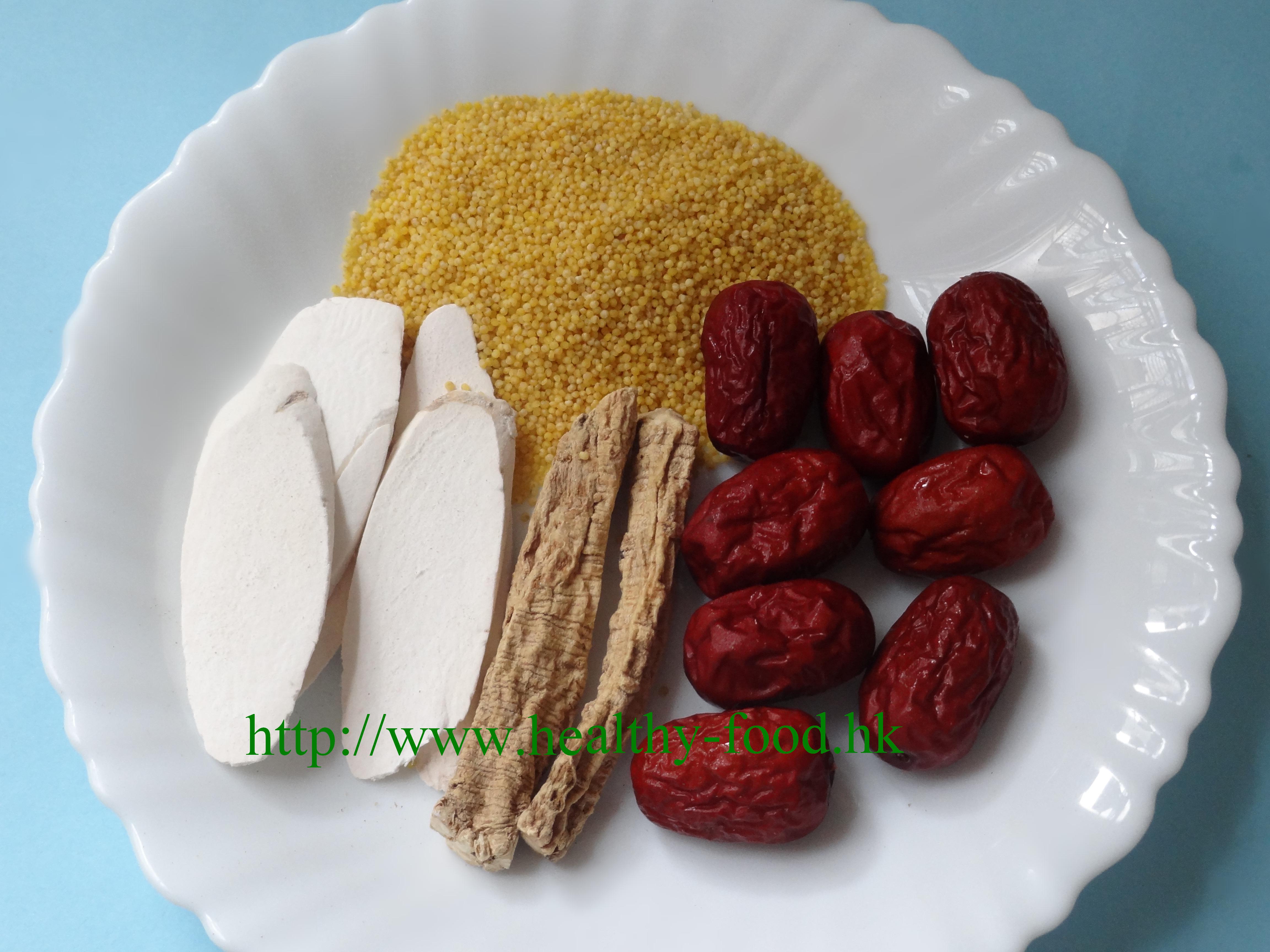
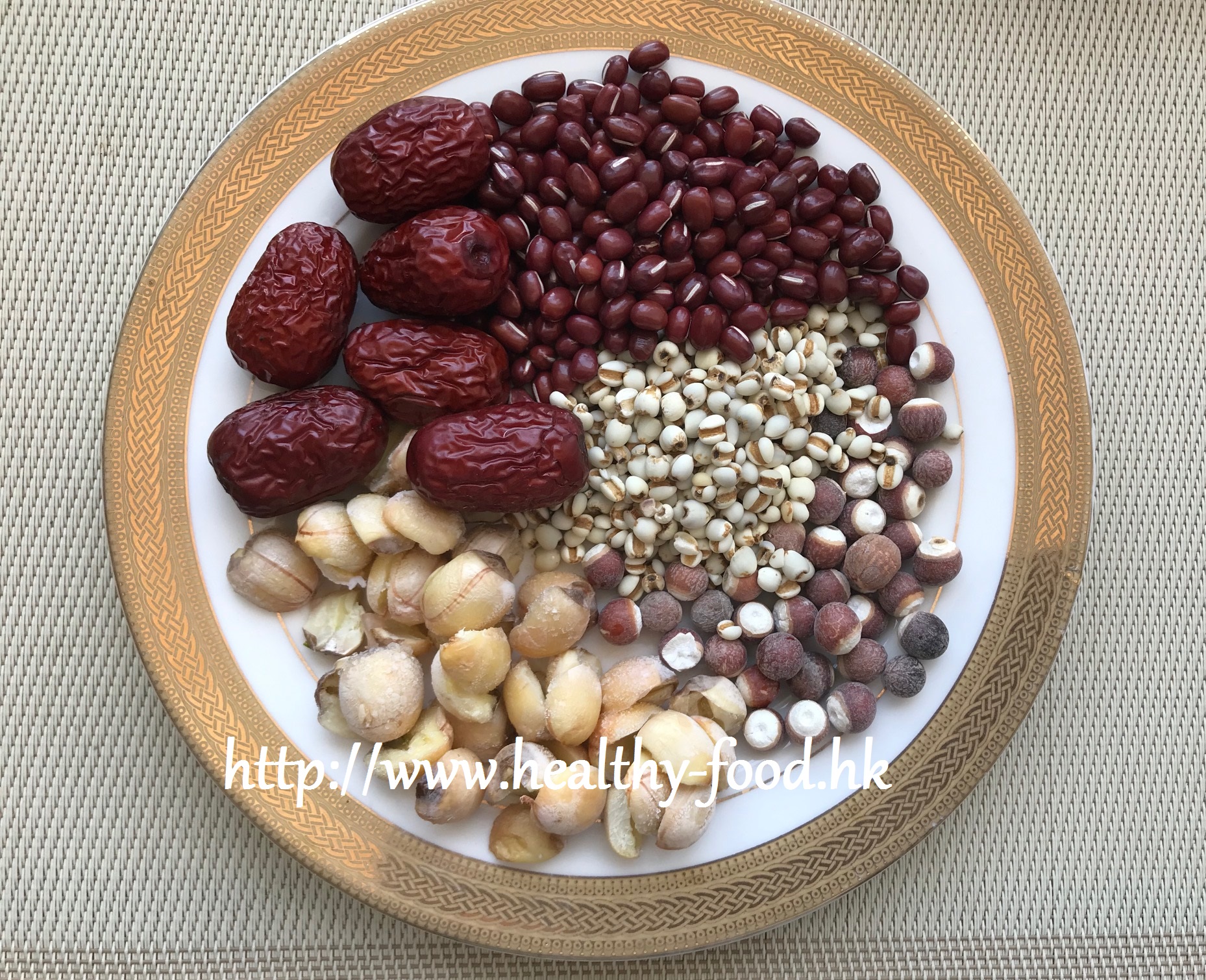
In short: Millet, Black Glutinous Rice and Coix Seed Porridge (San Mi Zhou) is a congee & porridge that Traditionally used to support spleen and stomach health, nourish qi and blood, and promote cardiovascular wellness. It is most often made for digestive wellness, heart & circulation, energy & vitality. Total time about 100 min. Key ingredients: millet, coix seed / job's tears.
Why people make this porridge
In traditional Chinese medicine, the spleen and stomach are considered the root of all qi and blood — when they function poorly, phlegm and dampness accumulate, circulation slows, and the risk of health problems including cardiovascular issues rises. This simple three-grain porridge is Nourilo’s go-to everyday kitchen remedy: millet for the spleen, black glutinous rice for the kidneys and brain, and toasted coix seed to help the body manage moisture and reduce dampness.
Millet has been eaten in China for thousands of years. Its warm golden colour signals a concentration of carotenoids and B vitamins. It contains tryptophan, which the body uses to produce serotonin — relevant to both sleep and mood. Black glutinous rice, sometimes called “medicine rice” or “black pearl” in historical texts, is traditionally valued for its warm, nourishing quality and its ability to tonify the kidneys and support brain function. Toasting the coix seed before use is a small but important step — it transforms the grain from cooling to more spleen-friendly, making the porridge easier to digest.
What studies say about the key ingredients
Traditional use is not the same as clinical proof. Here is the strongest human research we found for each ingredient, limitations included.
- Job's tears (coix)
Myeloperoxidase activity rose significantly in the placebo group after 8 weeks but showed no significant change in the adlay tea group. Vascular endothelial function improved in the adlay group, especially in those over 40.Limitation: Participants were healthy adults and the outcomes were surrogate markers, so the results say little about clinical disease outcomes. Tea is a polyphenol-rich extract, not whole grain.PubMed 38945894 · 2 more job's tears (coix) studies
From the Nourilo Research Library. Findings come from specific doses, extracts and populations and may not apply to a home-cooked recipe.
Safety first — read before you cook
This is a traditional food, not a treatment. Please check with your doctor or pharmacist before making it a regular part of your diet if you:
- are pregnant or breastfeeding, or are cooking for a young child;
- take regular medicines — especially blood thinners, blood-pressure, diabetes or immune-suppressing drugs;
- have a kidney, liver or heart condition, or a known food allergy.
Stop eating it and seek advice if you notice an allergic reaction or feel unwell. Safety notes reviewed 8 October 2026 · How we write safety notes
Members only
Unlock the full method & Nourilo's tips
One payment, lifetime access to every one of our 2,344 recipes — step-by-step methods, preparation tips and serving notes.
- Full step-by-step method for this and all 2,344 recipes
- Nourilo's Tips — sourcing, substitutions and serving notes
- One-time payment · card, Apple Pay or Google Pay · no subscription, no renewals
Checking your access…
$59.99 one-time · all recipes
Sign in or create a free account, then pay once by card, Apple Pay or Google Pay.
Continue with GoogleBy continuing with Google or email you confirm you are 16 or older and agree to our Terms of Use and Privacy Policy.
$59.99 one-time · all recipes
Signed in as ·
Secure checkout by Stripe. One-time payment, no renewals. Access is linked to your Nourilo account and never expires. By paying you agree to our Terms of Use; you can get a full refund within 14 days (refund policy).
Comments
Join the conversation — sign in or create a free account to comment.
Continue with GoogleBy continuing with Google or email you confirm you are 16 or older and agree to our Terms of Use and Privacy Policy.
Loading comments…