Herbal & Flower Teas
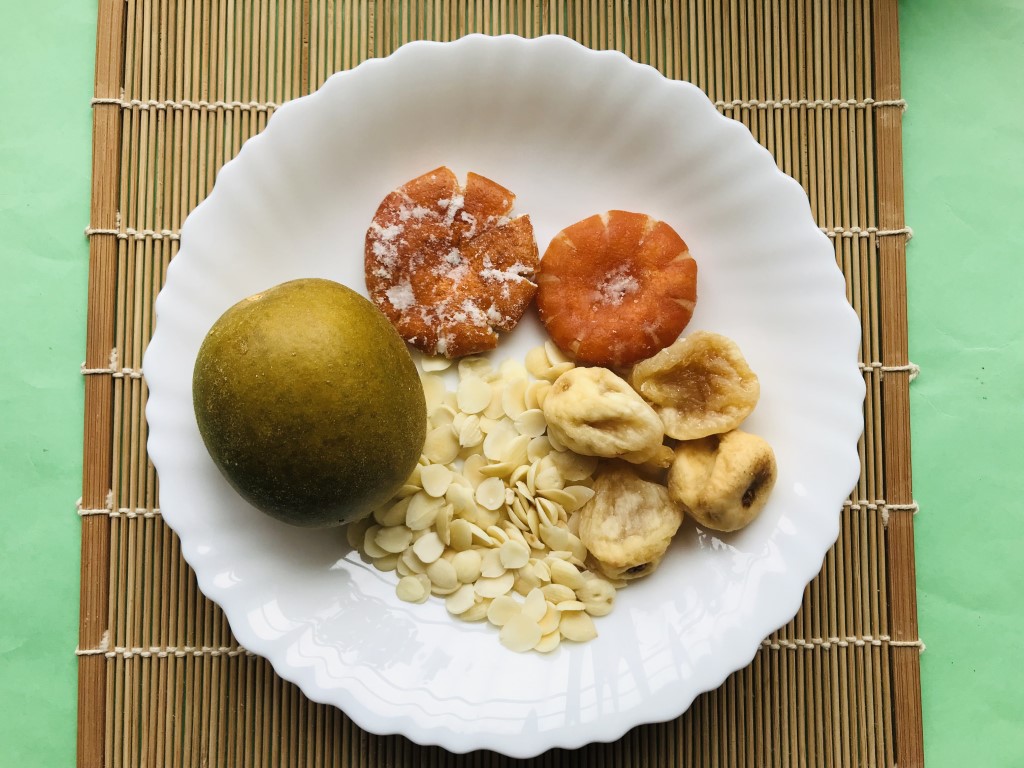
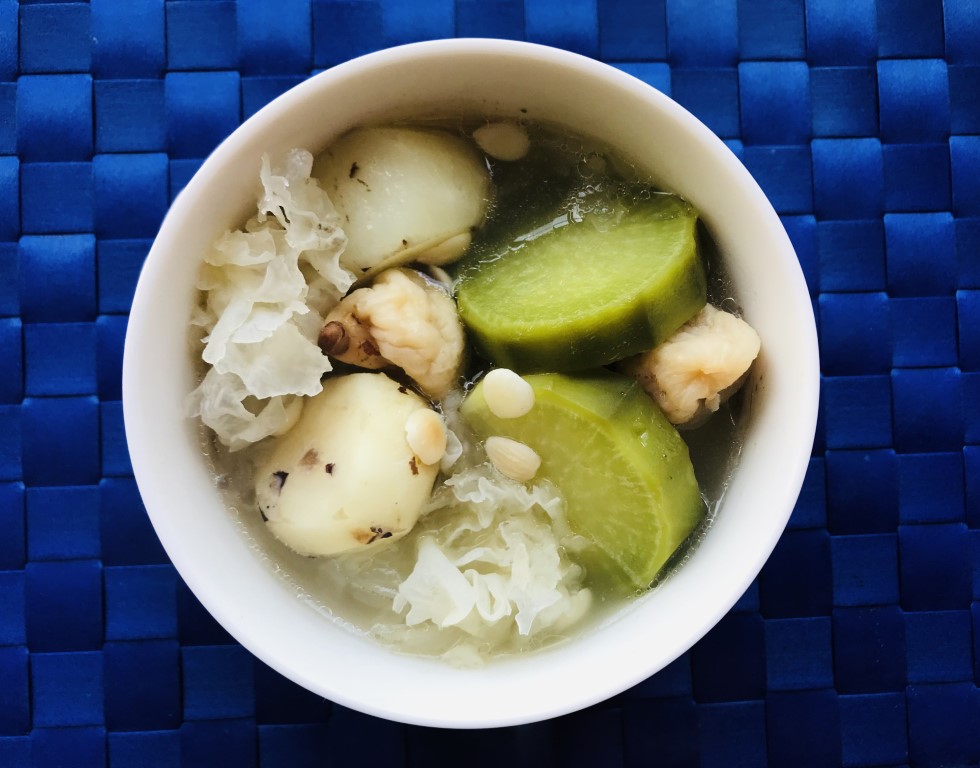
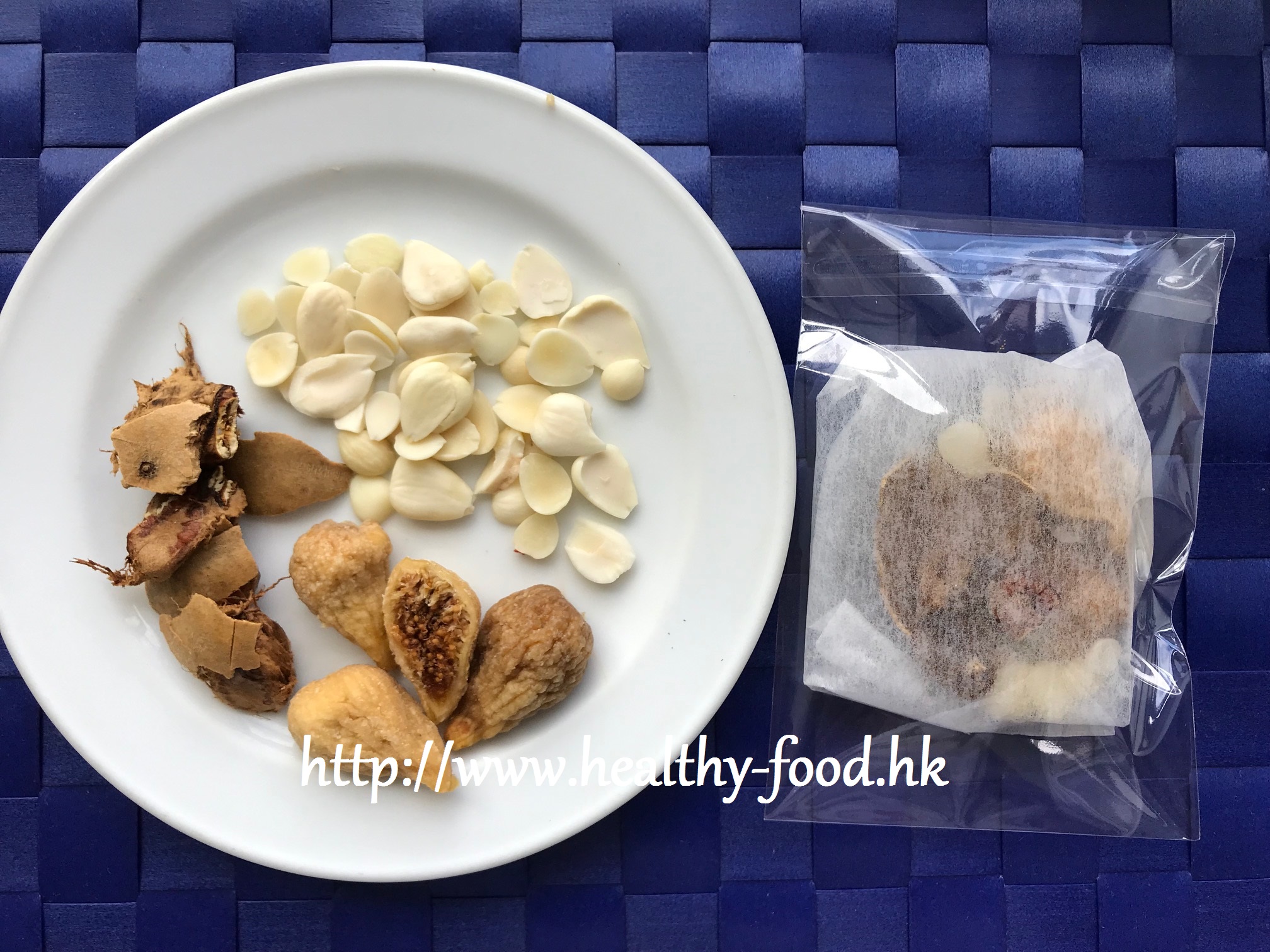
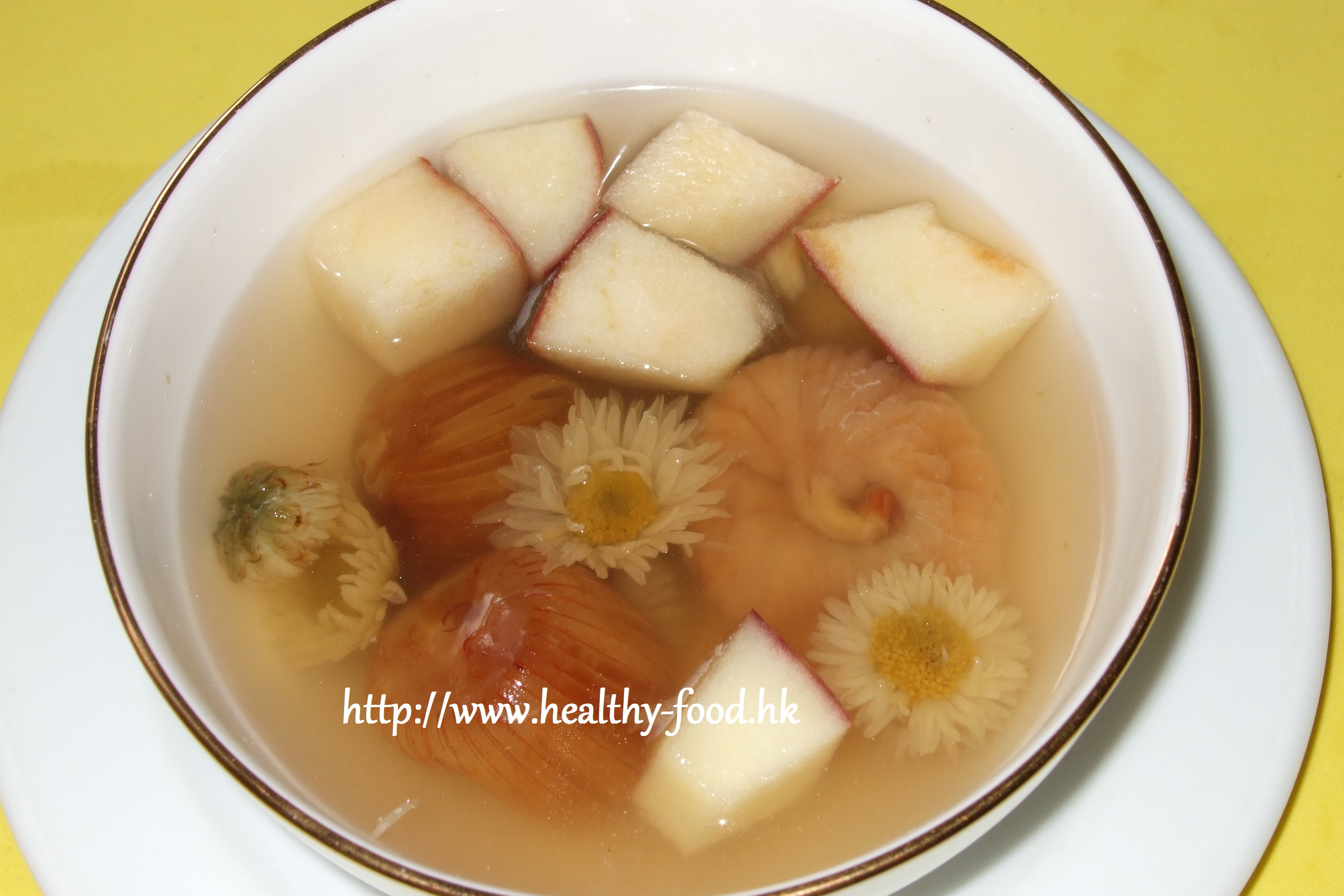
Golden Monk Fruit, Tangerine Cake, Apricot Kernel, and Fig Tea
traditionally used to clear heat, moisten the throat, relieve dry cough, and support bowel regularity after excess eating or drinking
In short: Golden Monk Fruit, Tangerine Cake, Apricot Kernel, and Fig Tea is a herbal & flower tea that traditionally used to clear heat, moisten the throat, relieve dry cough, and support bowel regularity after excess eating or drinking. It is most often made for respiratory & lung wellness, digestive wellness, cleansing & regularity. Total time about 55 min. Key ingredients: golden monk fruit, tangerine cake, figs.
Why people make this tea
After a run of holiday feasting — rich foods, a little too much wine, late nights, and perhaps some fried snacks — it is very common to wake up with a dry, scratchy throat, a bitter taste in the mouth, or a nagging dry cough. In traditional Cantonese food therapy, this constellation of symptoms is associated with “excess heat” accumulating in the lungs and stomach, and the instinctive response is to drink something cooling, moistening, and gentle.
This tea uses the golden monk fruit (jin luo han guo), which Nourilo considers sweeter and more aromatic than the regular variety, as its centrepiece. Paired with tangerine cake — a candied tangerine with a characteristic warming and phlegm-clearing character — plus apricot kernels and figs, the result is a drink that is both genuinely pleasant and traditionally effective for this kind of mild heat-related discomfort.
What studies say about the key ingredients
Traditional use is not the same as clinical proof. Here is the strongest human research we found for each ingredient, limitations included.
- Golden monk fruit
Across five randomized trials, monk fruit extract was associated with 10-18% lower postprandial glucose and 12-22% lower insulin responses. No severe adverse effects were observed.Limitation: Only five trials were included, and the authors state that long-term clinical trials are needed to confirm safety and efficacy.PubMed 40362742 · 2 more golden monk fruit studies
From the Nourilo Research Library. Findings come from specific doses, extracts and populations and may not apply to a home-cooked recipe.
Safety first — read before you cook
This is a traditional food, not a treatment. Please check with your doctor or pharmacist before making it a regular part of your diet if you:
- are pregnant or breastfeeding, or are cooking for a young child;
- take regular medicines — especially blood thinners, blood-pressure, diabetes or immune-suppressing drugs;
- have a kidney, liver or heart condition, or a known food allergy.
Ingredient notes for this recipe
- Apricot kernels: Raw apricot kernels contain amygdalin, which turns into cyanide after eating. EFSA estimates that half of one small raw kernel can exceed the safe level for a toddler. Use no more than the recipe states, never eat them raw, and do not serve them to young children. Source: European Food Safety Authority
Stop eating it and seek advice if you notice an allergic reaction or feel unwell. Safety notes reviewed 8 October 2026 · How we write safety notes
Members only
Unlock the full method & Nourilo's tips
One payment, lifetime access to every one of our 2,344 recipes — step-by-step methods, preparation tips and serving notes.
- Full step-by-step method for this and all 2,344 recipes
- Nourilo's Tips — sourcing, substitutions and serving notes
- One-time payment · card, Apple Pay or Google Pay · no subscription, no renewals
Checking your access…
$59.99 one-time · all recipes
Sign in or create a free account, then pay once by card, Apple Pay or Google Pay.
Continue with GoogleBy continuing with Google or email you confirm you are 16 or older and agree to our Terms of Use and Privacy Policy.
$59.99 one-time · all recipes
Signed in as ·
Secure checkout by Stripe. One-time payment, no renewals. Access is linked to your Nourilo account and never expires. By paying you agree to our Terms of Use; you can get a full refund within 14 days (refund policy).
Comments
Join the conversation — sign in or create a free account to comment.
Continue with GoogleBy continuing with Google or email you confirm you are 16 or older and agree to our Terms of Use and Privacy Policy.
Loading comments…