Herbal & Flower Teas
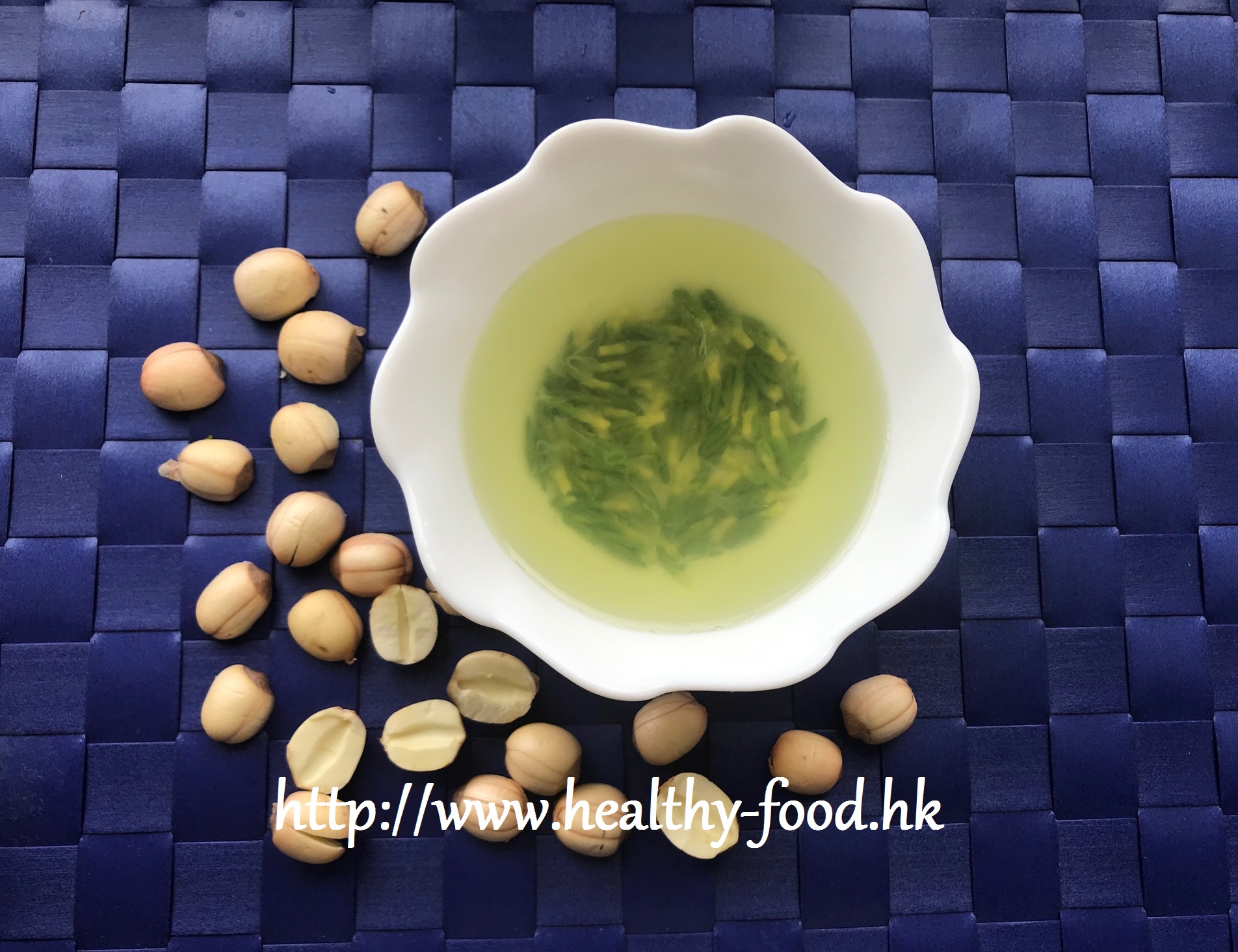
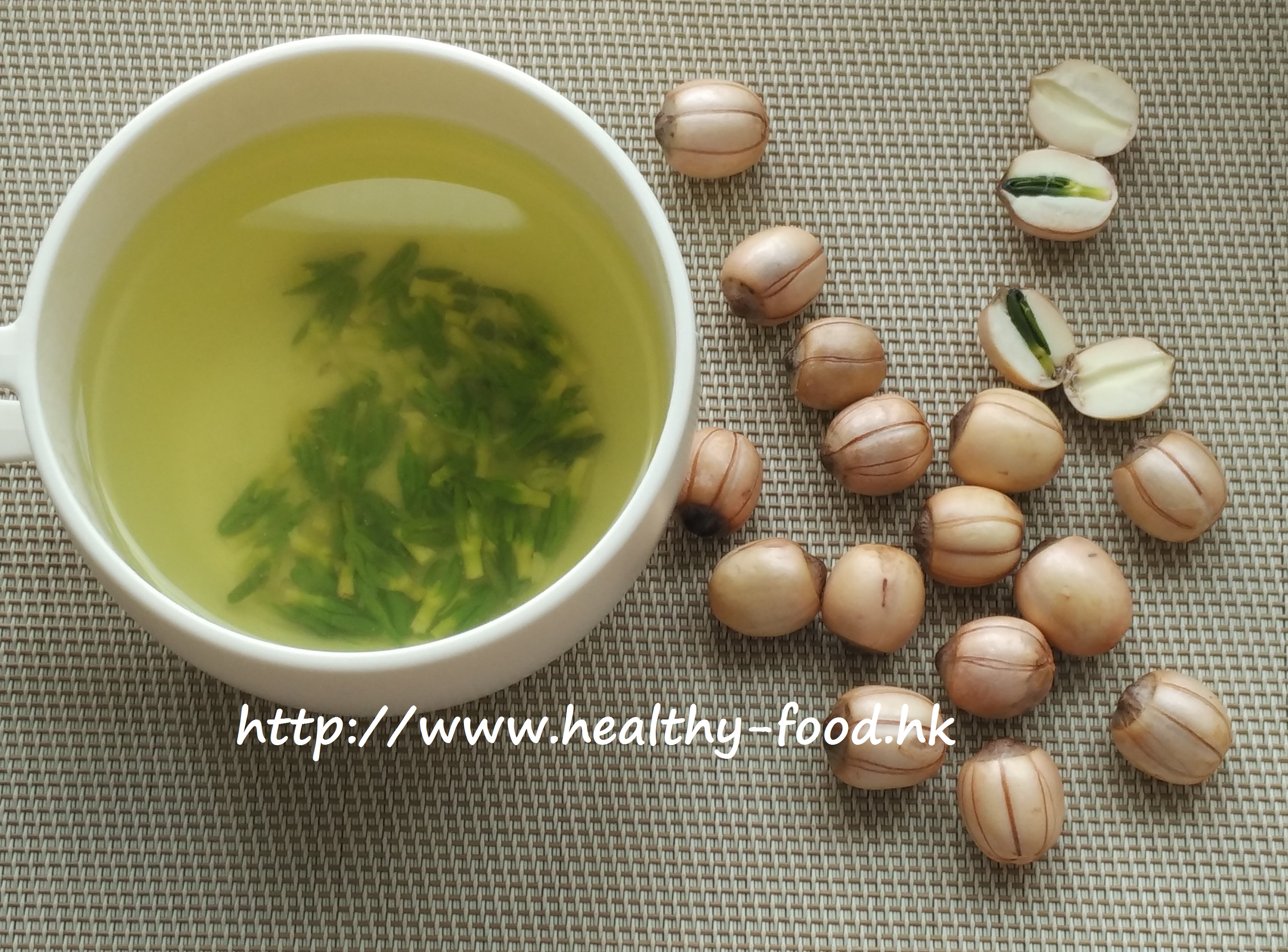
Lotus Plumule Tea (Lian Zi Xin Tea)
traditionally associated with clearing heart fire, calming the mind, and supporting restful sleep
In short: Lotus Plumule Tea (Lian Zi Xin Tea) is a herbal & flower tea that traditionally associated with clearing heart fire, calming the mind, and supporting restful sleep. It is most often made for heart & circulation, sleep & calm. Total time about 10 min.
Why people make this tea
When Nourilo wrote this recipe, Hong Kong was going through a period of social unrest, and he noticed many people around him struggling with sleeplessness and anxiety — not because of any illness, but because of the weight of ongoing worry. His remedy was simple: look to the heart. In traditional Chinese food and herbal culture, the tiny green plumule inside a fresh lotus seed is one of the most elegant tools for quieting internal fire. The lotus plumule — a sliver of pale green, intensely bitter — is the embryo that sits at the very heart of the seed. Most people discard it when cooking; Nourilo says never throw it away. When fresh lotus seeds come into season around the Mid-Autumn Festival, the plumules can be collected and dried for year-round use, or steeped fresh in a cup of hot water.
Safety first — read before you cook
This is a traditional food, not a treatment. Please check with your doctor or pharmacist before making it a regular part of your diet if you:
- are pregnant or breastfeeding, or are cooking for a young child;
- take regular medicines — especially blood thinners, blood-pressure, diabetes or immune-suppressing drugs;
- have a kidney, liver or heart condition, or a known food allergy.
Stop eating it and seek advice if you notice an allergic reaction or feel unwell. Safety notes reviewed 8 October 2026 · How we write safety notes
Members only
Unlock the full method & Nourilo's tips
One payment, lifetime access to every one of our 2,344 recipes — step-by-step methods, preparation tips and serving notes.
- Full step-by-step method for this and all 2,344 recipes
- Nourilo's Tips — sourcing, substitutions and serving notes
- One-time payment · card, Apple Pay or Google Pay · no subscription, no renewals
Checking your access…
$59.99 one-time · all recipes
Sign in or create a free account, then pay once by card, Apple Pay or Google Pay.
Continue with GoogleBy continuing with Google or email you confirm you are 16 or older and agree to our Terms of Use and Privacy Policy.
$59.99 one-time · all recipes
Signed in as ·
Secure checkout by Stripe. One-time payment, no renewals. Access is linked to your Nourilo account and never expires. By paying you agree to our Terms of Use; you can get a full refund within 14 days (refund policy).

Comments
Join the conversation — sign in or create a free account to comment.
Continue with GoogleBy continuing with Google or email you confirm you are 16 or older and agree to our Terms of Use and Privacy Policy.
Loading comments…