Soups
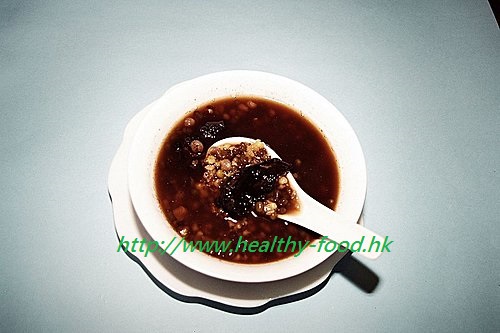
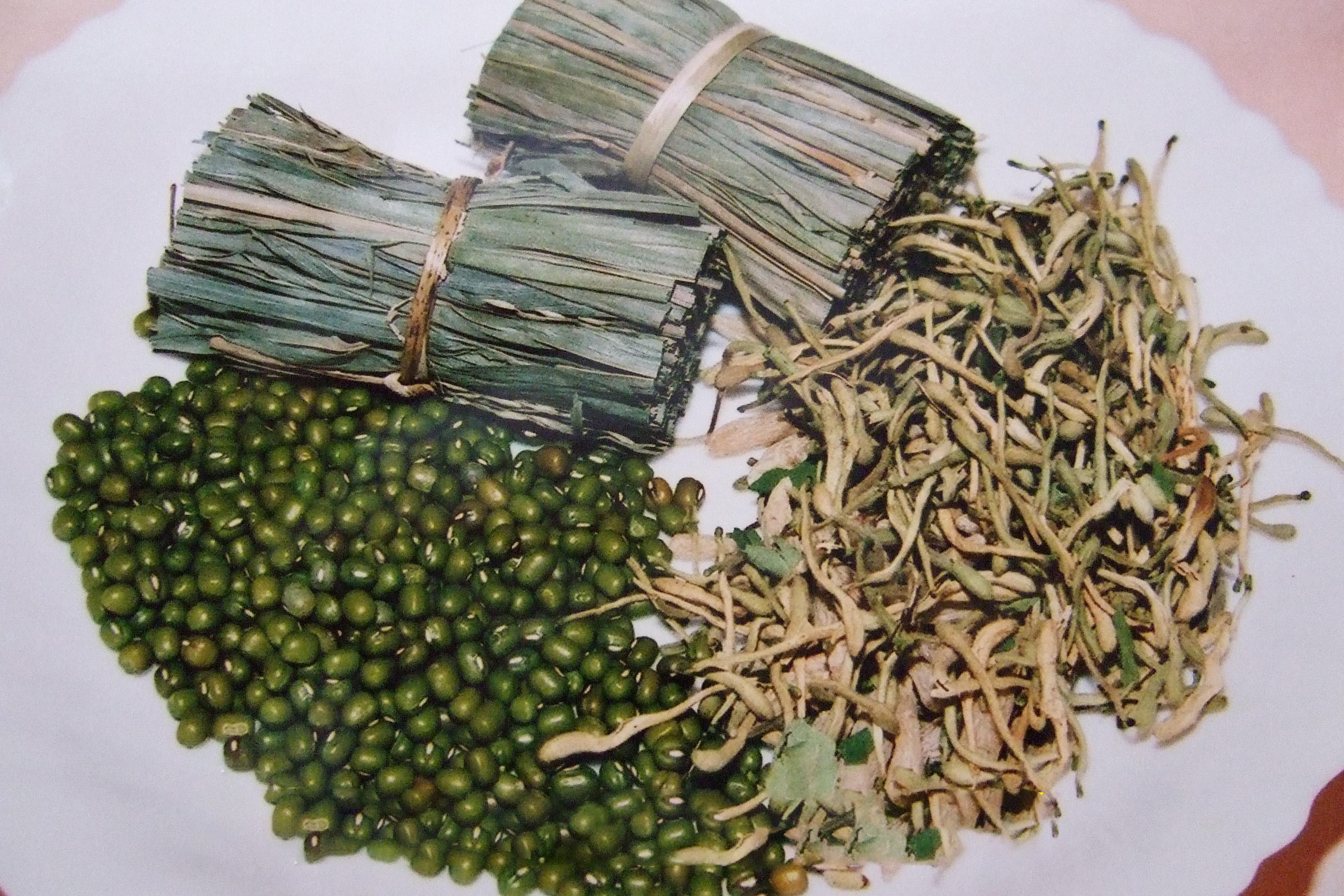
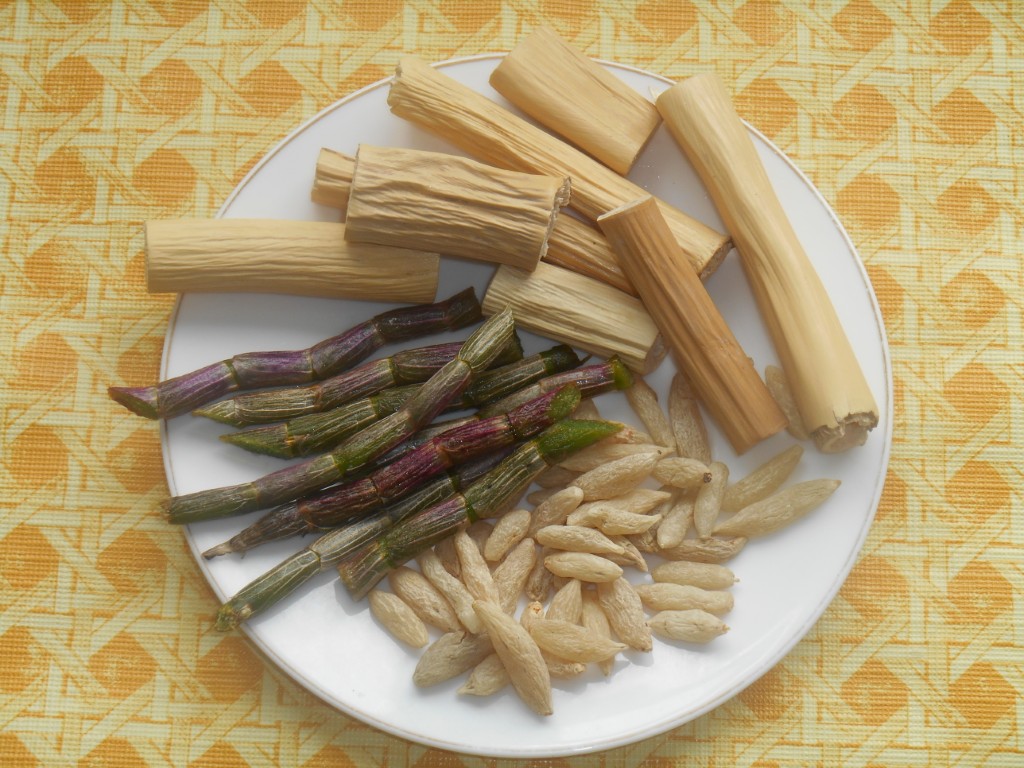
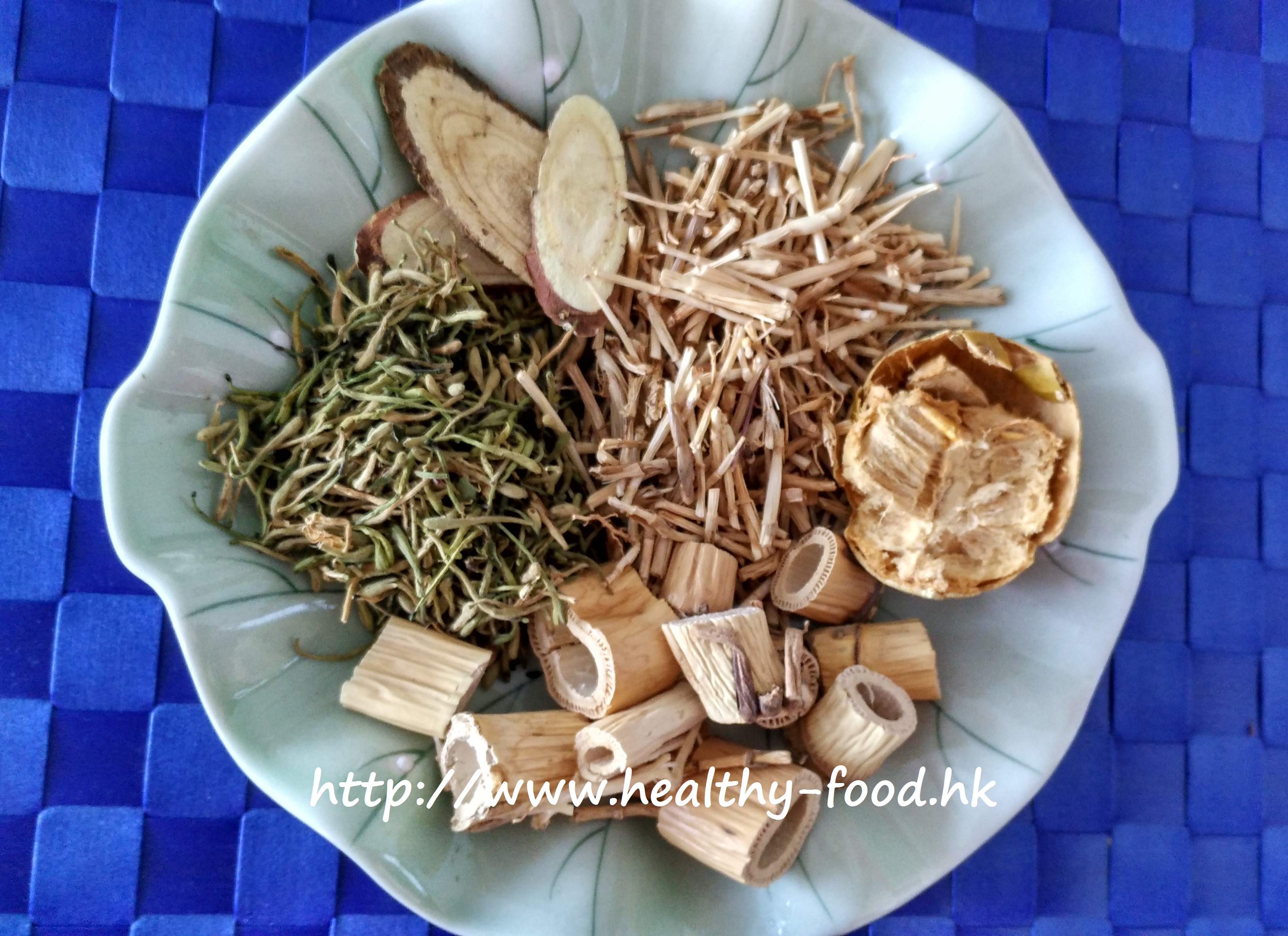
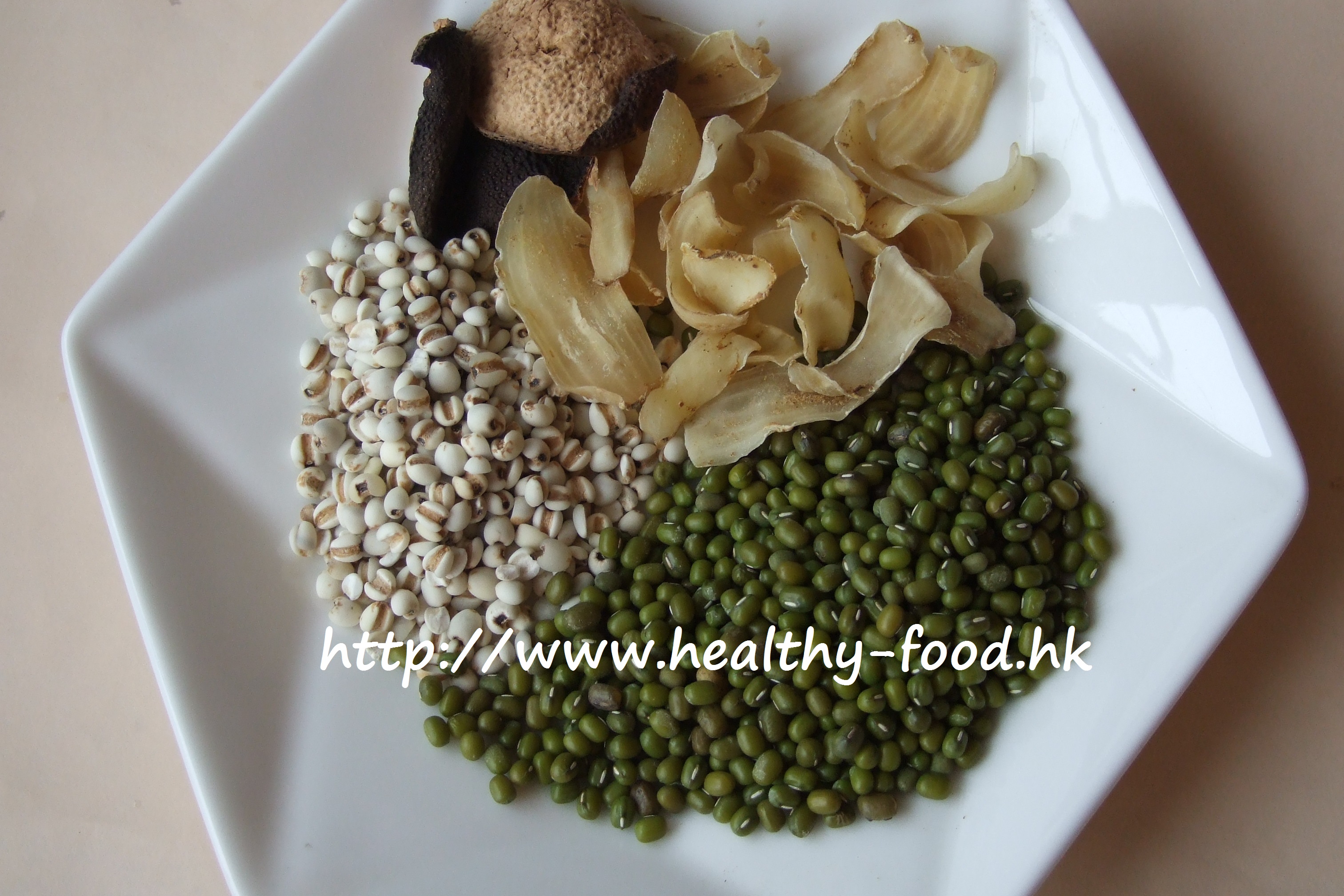
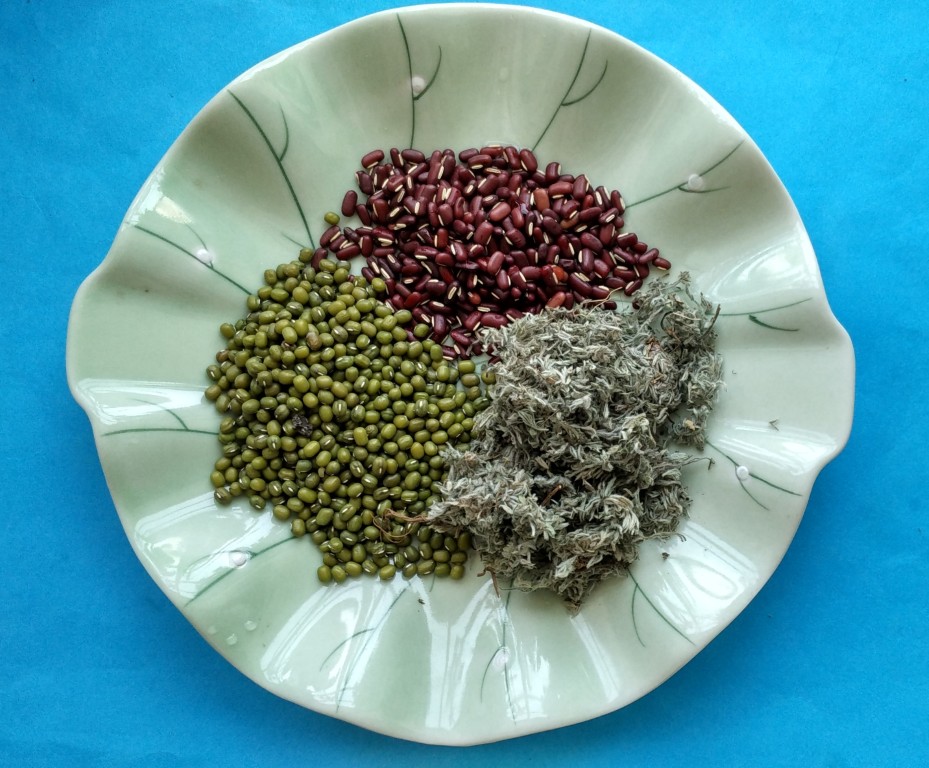
Reed Root, Honeysuckle, Mung Bean and Cabbage Soup
traditionally associated with clearing heat, relieving restlessness, and supporting the body's natural resolution of infant roseola rash
In short: Reed Root, Honeysuckle, Mung Bean and Cabbage Soup is a soup that traditionally associated with clearing heat, relieving restlessness, and supporting the body's natural resolution of infant roseola rash. It is most often made for children's wellness. Total time about 70 min. Key ingredients: reed rhizome, honeysuckle flowers, mung beans.
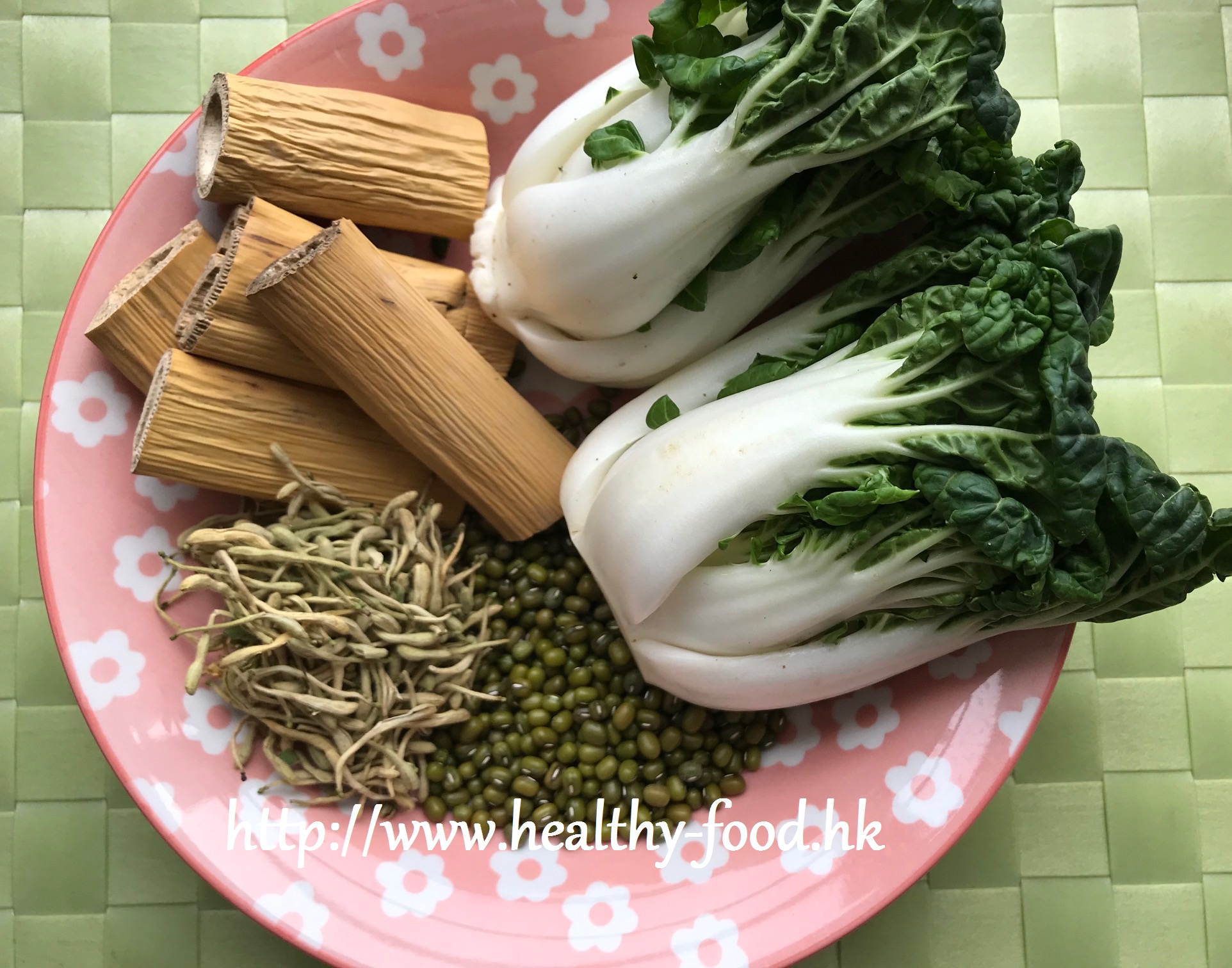
Why people make this soup
Roseola (also called “sixth disease” or roseola infantum) is one of the most common viral illnesses in babies between six and twelve months old. The classic pattern is a fever — sometimes reaching 39 to 40 degrees Celsius — followed by a spread of small rosy spots across the trunk once the fever breaks. The rash itself is painless and does not itch, and most children bounce back remarkably quickly once the fever lifts. That said, a high fever in a baby is always unsettling, and seeing a doctor to confirm the diagnosis is the right first step, because the early stage looks similar to other conditions.
Once the diagnosis is confirmed, this gentle soup offers families a traditional way to support the child’s comfort and recovery. Nourilo describes it as “mild and easy to accept” — the mung beans and napa cabbage are familiar foods that even young children will tolerate, and the overall nature of the soup is cooling without being harsh. During the feverish period, keep the baby cool but not cold, maintain fresh air indoors, keep skin clean, and avoid thick blankets even with air conditioning running.
What studies say about the key ingredients
Traditional use is not the same as clinical proof. Here is the strongest human research we found for each ingredient, limitations included.
- Mung beans
Breath hydrogen and methane were higher after wheat than after rice or mung bean noodles. Bloating scores after mung bean did not differ significantly from wheat, and mung bean produced gas levels similar to rice.Limitation: Small sample of 20 patients, with single meals tested rather than habitual intake, so longer-term effects of mung bean on symptoms are unknown.PubMed 31484315 · 1 more mung beans study
From the Nourilo Research Library. Findings come from specific doses, extracts and populations and may not apply to a home-cooked recipe.
Safety first — read before you cook
This is a traditional food, not a treatment. Please check with your doctor or pharmacist before making it a regular part of your diet if you:
- are pregnant or breastfeeding, or are cooking for a young child;
- take regular medicines — especially blood thinners, blood-pressure, diabetes or immune-suppressing drugs;
- have a kidney, liver or heart condition, or a known food allergy.
Stop eating it and seek advice if you notice an allergic reaction or feel unwell. Safety notes reviewed 8 October 2026 · How we write safety notes
Members only
Unlock the full method & Nourilo's tips
One payment, lifetime access to every one of our 2,344 recipes — step-by-step methods, preparation tips and serving notes.
- Full step-by-step method for this and all 2,344 recipes
- Nourilo's Tips — sourcing, substitutions and serving notes
- One-time payment · card, Apple Pay or Google Pay · no subscription, no renewals
Checking your access…
$59.99 one-time · all recipes
Sign in or create a free account, then pay once by card, Apple Pay or Google Pay.
Continue with GoogleBy continuing with Google or email you confirm you are 16 or older and agree to our Terms of Use and Privacy Policy.
$59.99 one-time · all recipes
Signed in as ·
Secure checkout by Stripe. One-time payment, no renewals. Access is linked to your Nourilo account and never expires. By paying you agree to our Terms of Use; you can get a full refund within 14 days (refund policy).
Comments
Join the conversation — sign in or create a free account to comment.
Continue with GoogleBy continuing with Google or email you confirm you are 16 or older and agree to our Terms of Use and Privacy Policy.
Loading comments…