Soups
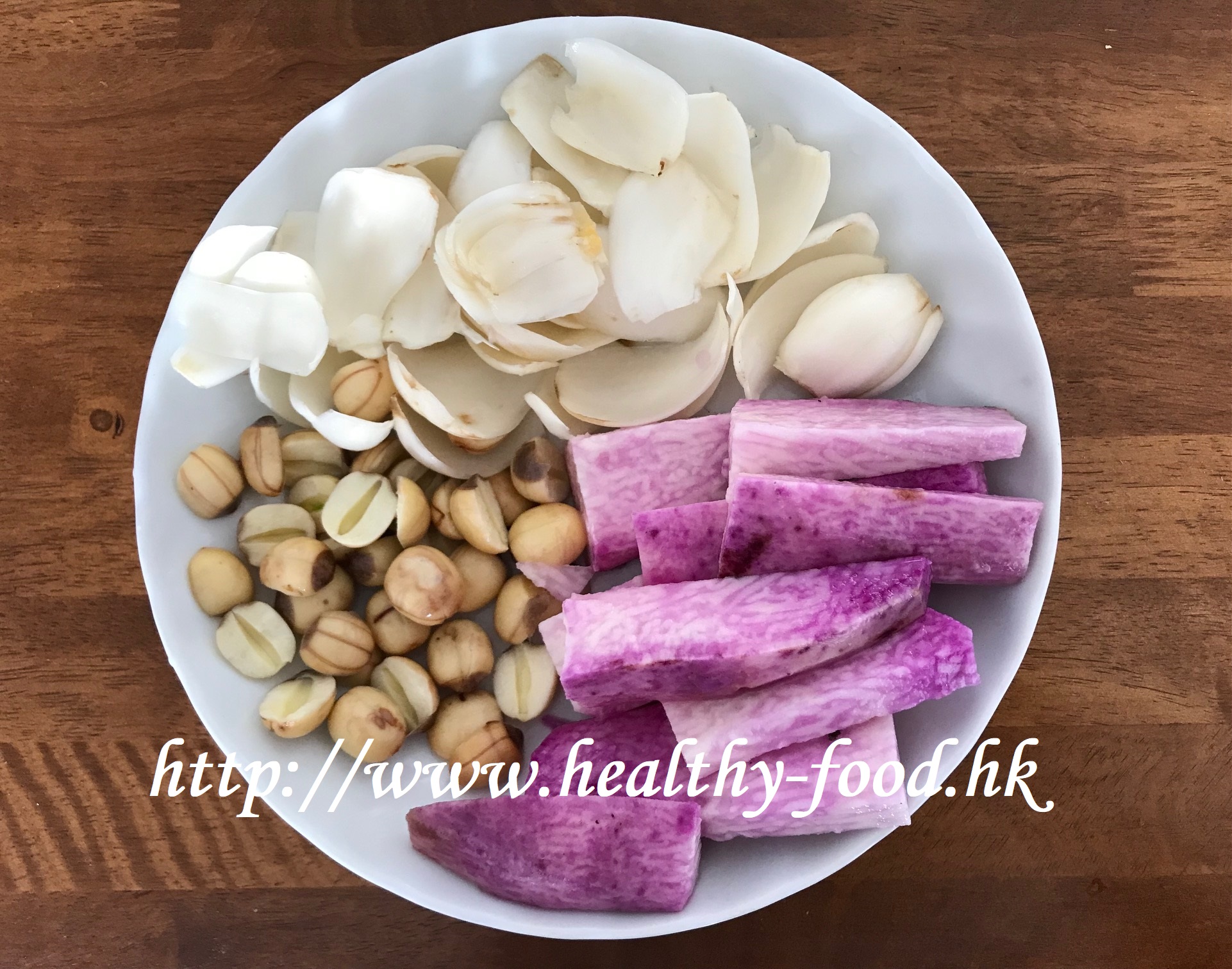
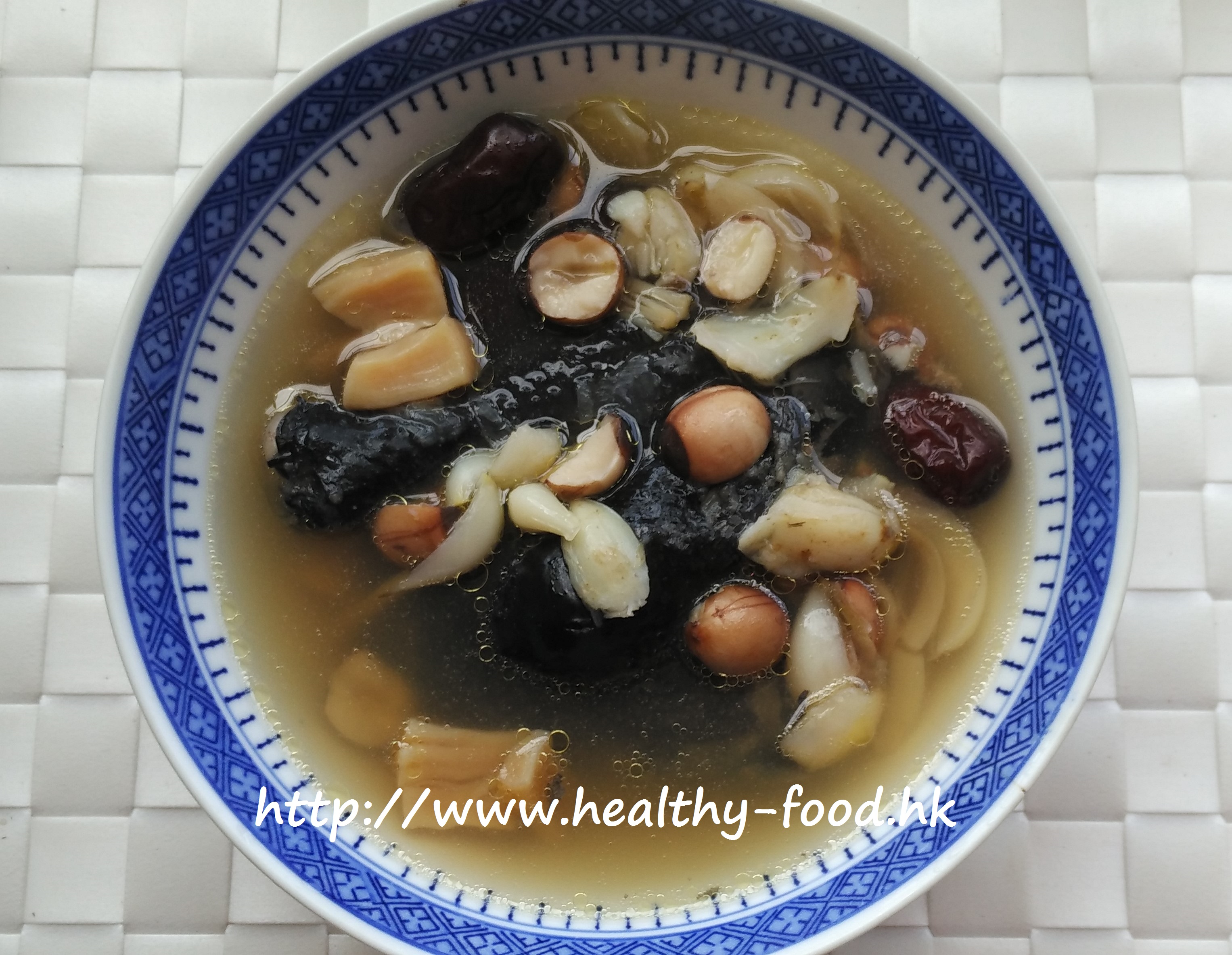
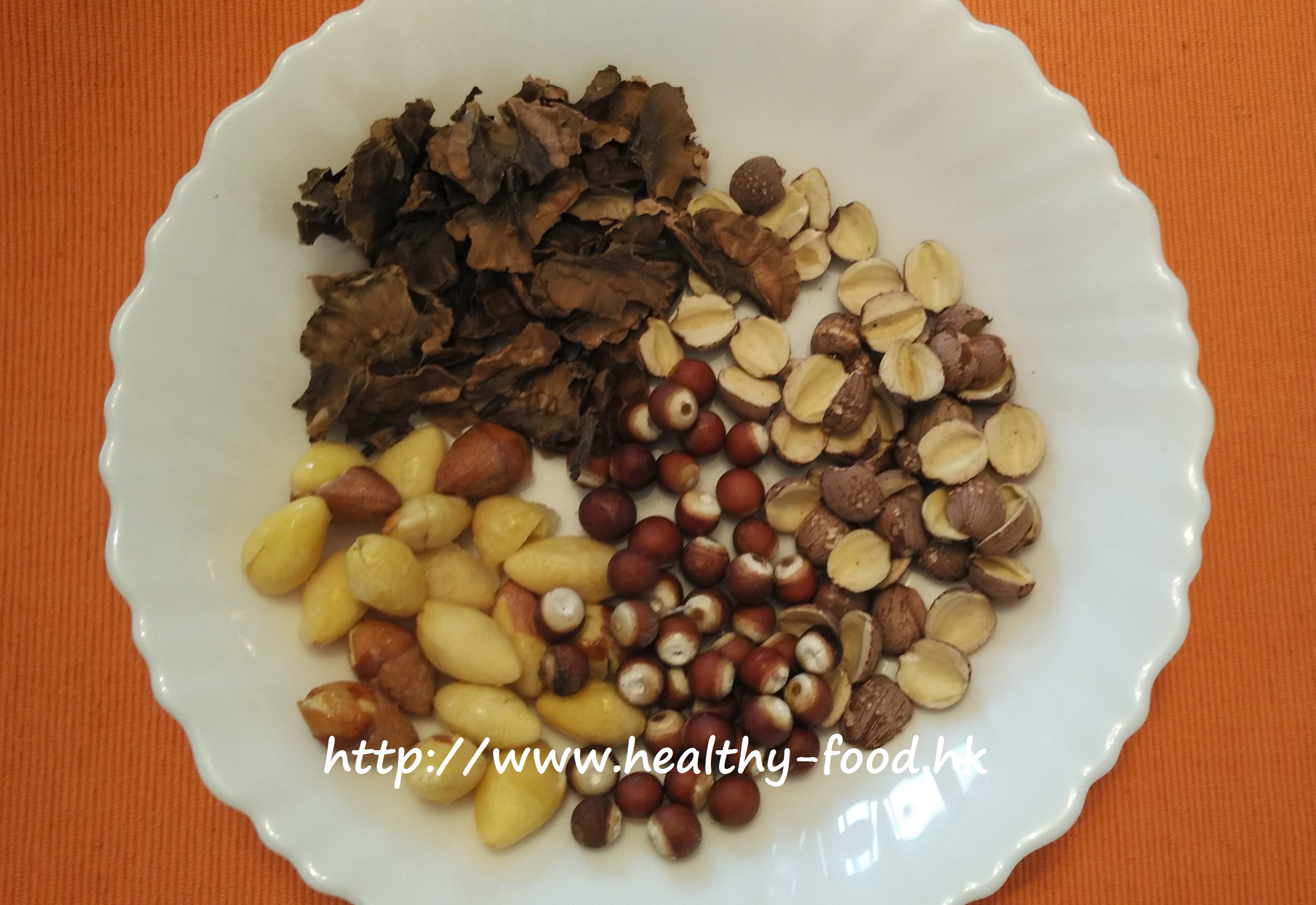
Purple Chinese Yam, Fresh Lotus Seed and Fresh Lily Bulb Soup
traditionally used to support hormonal balance and ease menopausal discomfort
In short: Purple Chinese Yam, Fresh Lotus Seed and Fresh Lily Bulb Soup is a soup that traditionally used to support hormonal balance and ease menopausal discomfort. It is most often made for women's wellness, everyday balance. Total time about 35 min. Key ingredients: lotus seeds, lily bulb, rock sugar.
Why people make this soup
The symptoms of menopause — insomnia, heart palpitations, irritability, emotional swings, bone fragility — are largely driven by falling oestrogen levels. Many women are cautious about pharmaceutical hormone replacement therapy due to potential side effects, and food-based approaches offer a gentle supplementary option. Purple yam (zi huai shan) is a standout ingredient here: its naturally vivid colour comes from anthocyanins, powerful antioxidants, and it also contains diosgenin (a plant sterol), which has been studied for its potential relationship with oestrogen pathways. Traditional Chinese food therapy associates it with promoting oestrogen activity, balancing the body during menopause, and protecting against osteoporosis.
This is also a naturally low-calorie preparation — despite containing starch, purple yam has a low energy density and is traditionally said to reduce fat accumulation under the skin, making it a useful ingredient for those who want to manage weight gently.
What studies say about the key ingredients
Traditional use is not the same as clinical proof. Here is the strongest human research we found for each ingredient, limitations included.
- Lotus seeds
Lotus seed meals had a low glycemic index (GI 21–51 across the lotus seed and adzuki bean meals), while several other starchy foods did not differ significantly from rice. Lotus seed's in vitro hydrolysis index was also lower than that of other test foods.Limitation: Only ten healthy participants and acute single-meal tests, so findings may not apply to people with diabetes or to long-term intake.PubMed 30875961
From the Nourilo Research Library. Findings come from specific doses, extracts and populations and may not apply to a home-cooked recipe.
Safety first — read before you cook
This is a traditional food, not a treatment. Please check with your doctor or pharmacist before making it a regular part of your diet if you:
- are pregnant or breastfeeding, or are cooking for a young child;
- take regular medicines — especially blood thinners, blood-pressure, diabetes or immune-suppressing drugs;
- have a kidney, liver or heart condition, or a known food allergy.
Stop eating it and seek advice if you notice an allergic reaction or feel unwell. Safety notes reviewed 8 October 2026 · How we write safety notes
Members only
Unlock the full method & Nourilo's tips
One payment, lifetime access to every one of our 2,344 recipes — step-by-step methods, preparation tips and serving notes.
- Full step-by-step method for this and all 2,344 recipes
- Nourilo's Tips — sourcing, substitutions and serving notes
- One-time payment · card, Apple Pay or Google Pay · no subscription, no renewals
Checking your access…
$59.99 one-time · all recipes
Sign in or create a free account, then pay once by card, Apple Pay or Google Pay.
Continue with GoogleBy continuing with Google or email you confirm you are 16 or older and agree to our Terms of Use and Privacy Policy.
$59.99 one-time · all recipes
Signed in as ·
Secure checkout by Stripe. One-time payment, no renewals. Access is linked to your Nourilo account and never expires. By paying you agree to our Terms of Use; you can get a full refund within 14 days (refund policy).
Comments
Join the conversation — sign in or create a free account to comment.
Continue with GoogleBy continuing with Google or email you confirm you are 16 or older and agree to our Terms of Use and Privacy Policy.
Loading comments…