Soups
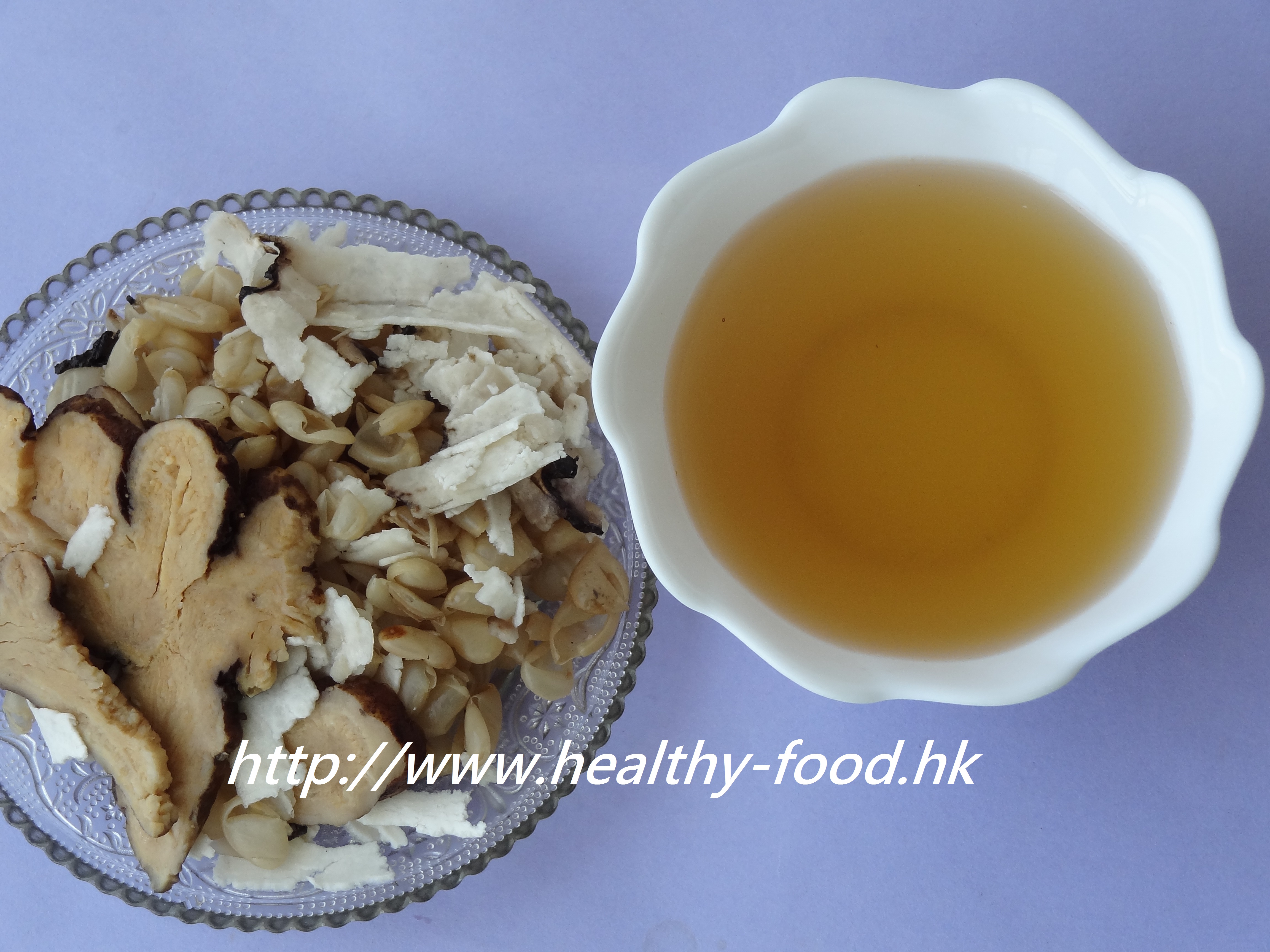
Phlegm-Damp Clearing Herbal Soup (Qu Shi Tang)
traditionally used to support spleen function and help clear dampness from the body
In short: Phlegm-Damp Clearing Herbal Soup (Qu Shi Tang) is a soup that traditionally used to support spleen function and help clear dampness from the body. It is most often made for respiratory & lung wellness, digestive wellness, cooling & summer heat. Total time about 1 hr 15 min. Key ingredients: adzuki beans, tangerine peel.
Why people make this soup
In Chinese medicine thinking, a “phlegm-damp” constitution describes people who tend to feel heavy and sluggish, accumulate excess weight easily, sleep a lot, snore, and experience a sticky sensation in the mouth or digestive tract. Rather than a single dramatic cause, this constitution is understood to reflect the spleen and stomach working below their best — failing to fully transform and move fluids, leading to a gradual build-up of what practitioners call “damp.” Soups like this one, combining classic damp-clearing herbs with adzuki beans and Job’s tears, have been part of southern Chinese household cooking for generations as a practical way to support the digestion and help the body feel lighter.
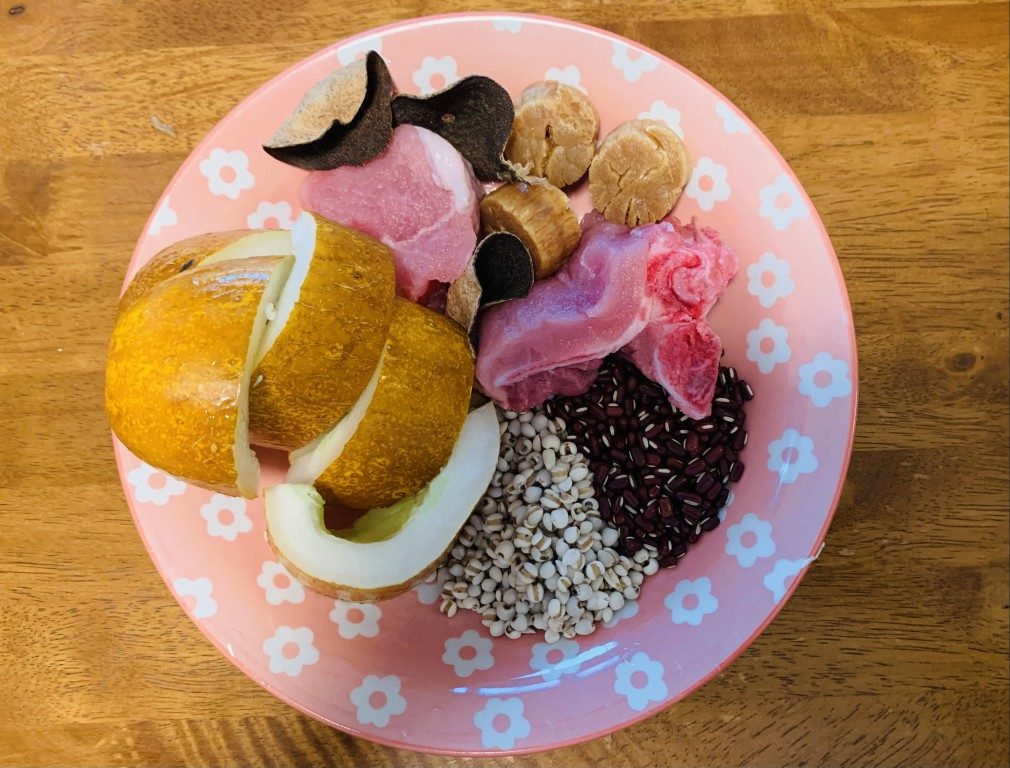
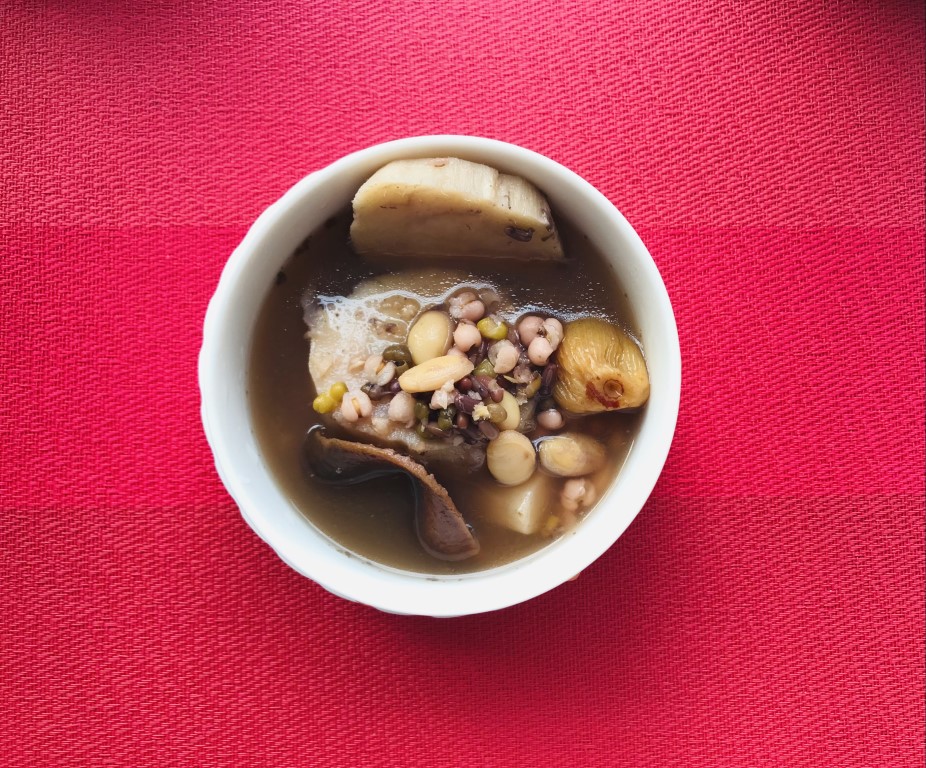
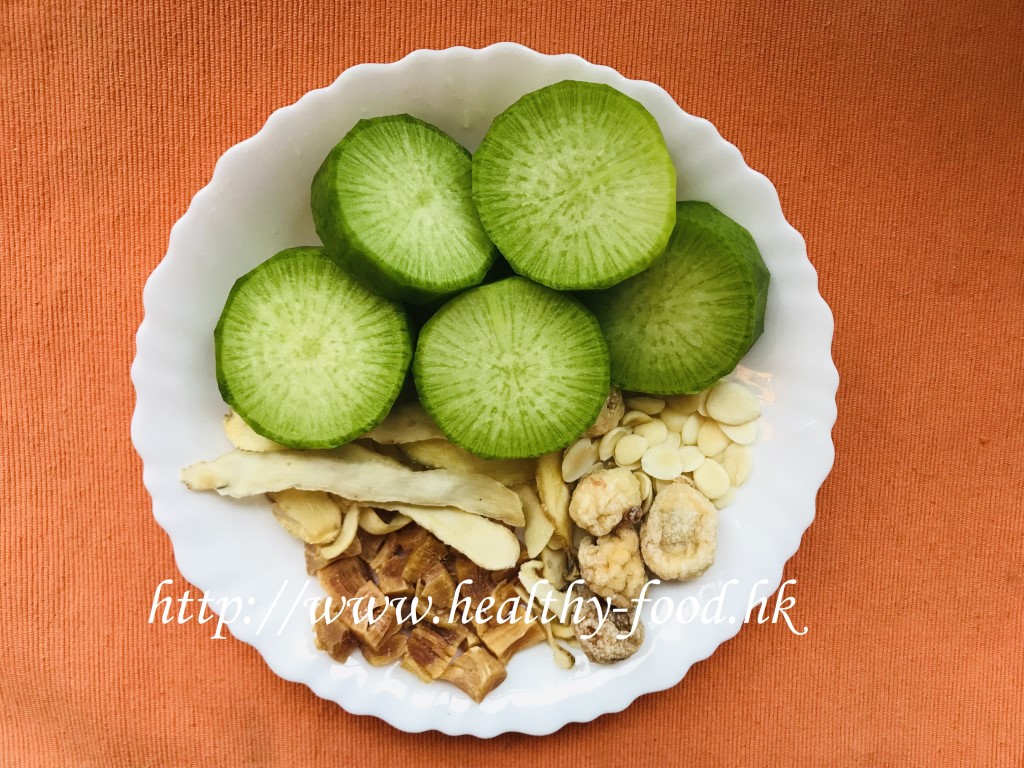
You can often find ready-made “qu shi” (dampness-clearing) herb packets at Chinese herbal medicine shops, sold cheaply. Nourilo recommends boosting these packets with a handful of adzuki beans and two types of Job’s tears for better results.
What studies say about the key ingredients
Traditional use is not the same as clinical proof. Here is the strongest human research we found for each ingredient, limitations included.
- Adzuki beans
Adzuki bean meals had a low glycemic index (21–51 range reported with lotus seed), whereas other starchy foods did not differ significantly from rice. Adzuki bean hydrolysis index was lower than other test foods.Limitation: Only ten healthy participants and acute single-meal responses, so effects in people with diabetes or with regular intake are unknown.PubMed 30875961 · 1 more adzuki beans study - Job's tears (coix)
Myeloperoxidase activity rose significantly in the placebo group after 8 weeks but showed no significant change in the adlay tea group. Vascular endothelial function improved in the adlay group, especially in those over 40.Limitation: Participants were healthy adults and the outcomes were surrogate markers, so the results say little about clinical disease outcomes. Tea is a polyphenol-rich extract, not whole grain.PubMed 38945894 · 2 more job's tears (coix) studies - Tangerine peel
The tangerine peel drink group showed significant reductions in body weight and triglycerides after the intervention compared with the control group (p < 0.05). Safety markers showed no adverse effects. Gut microbiota and serum metabolite profiles also differed.Limitation: Small pilot trial with only 55 of 72 participants completing. The fermented product is not the same as plain tangerine peel, and the control group is not described.PubMed 40225325
From the Nourilo Research Library. Findings come from specific doses, extracts and populations and may not apply to a home-cooked recipe.
Safety first — read before you cook
This is a traditional food, not a treatment. Please check with your doctor or pharmacist before making it a regular part of your diet if you:
- are pregnant or breastfeeding, or are cooking for a young child;
- take regular medicines — especially blood thinners, blood-pressure, diabetes or immune-suppressing drugs;
- have a kidney, liver or heart condition, or a known food allergy.
Stop eating it and seek advice if you notice an allergic reaction or feel unwell. Safety notes reviewed 8 October 2026 · How we write safety notes
Members only
Unlock the full method & Nourilo's tips
One payment, lifetime access to every one of our 2,344 recipes — step-by-step methods, preparation tips and serving notes.
- Full step-by-step method for this and all 2,344 recipes
- Nourilo's Tips — sourcing, substitutions and serving notes
- One-time payment · card, Apple Pay or Google Pay · no subscription, no renewals
Checking your access…
$59.99 one-time · all recipes
Sign in or create a free account, then pay once by card, Apple Pay or Google Pay.
Continue with GoogleBy continuing with Google or email you confirm you are 16 or older and agree to our Terms of Use and Privacy Policy.
$59.99 one-time · all recipes
Signed in as ·
Secure checkout by Stripe. One-time payment, no renewals. Access is linked to your Nourilo account and never expires. By paying you agree to our Terms of Use; you can get a full refund within 14 days (refund policy).
Comments
Join the conversation — sign in or create a free account to comment.
Continue with GoogleBy continuing with Google or email you confirm you are 16 or older and agree to our Terms of Use and Privacy Policy.
Loading comments…