Soups
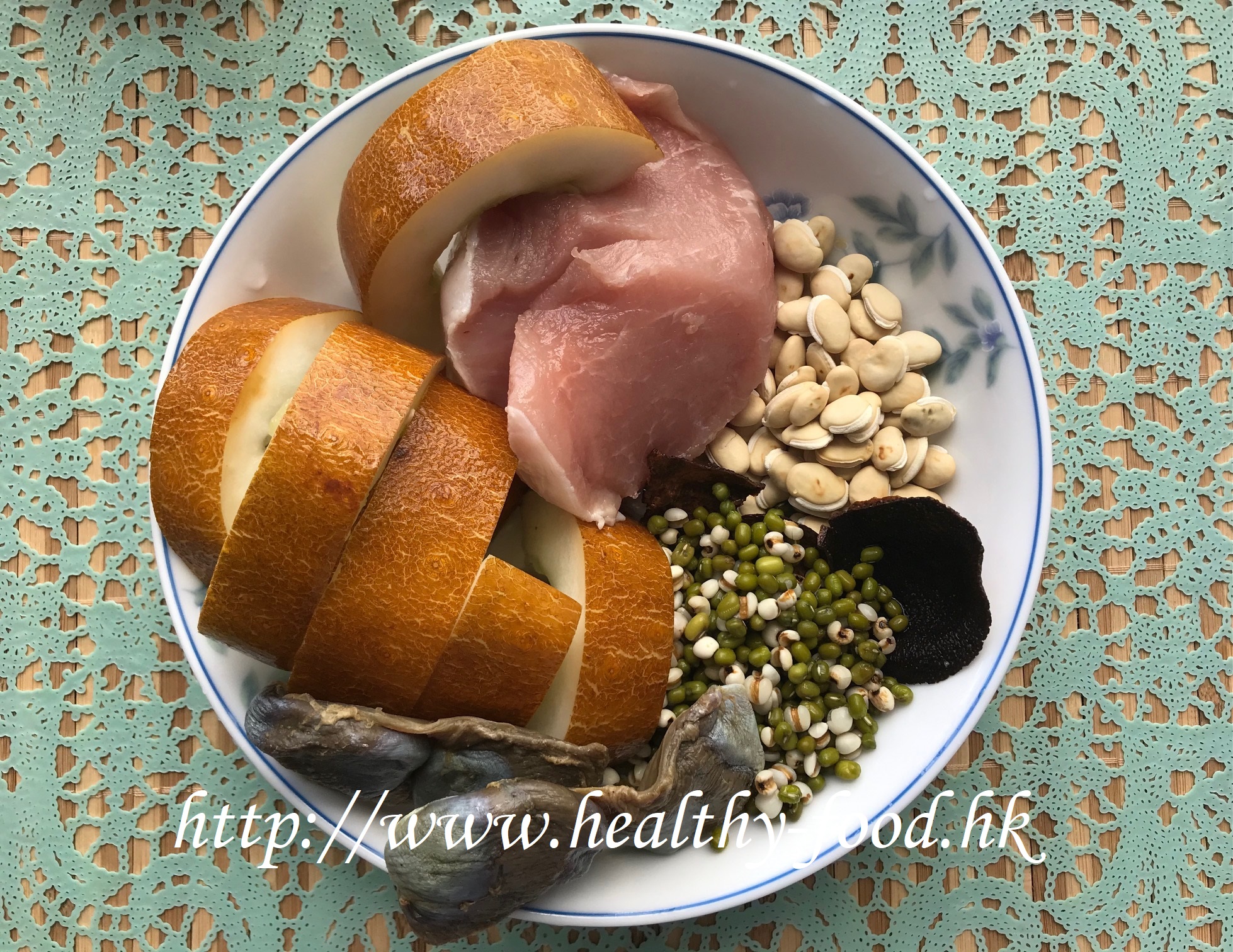
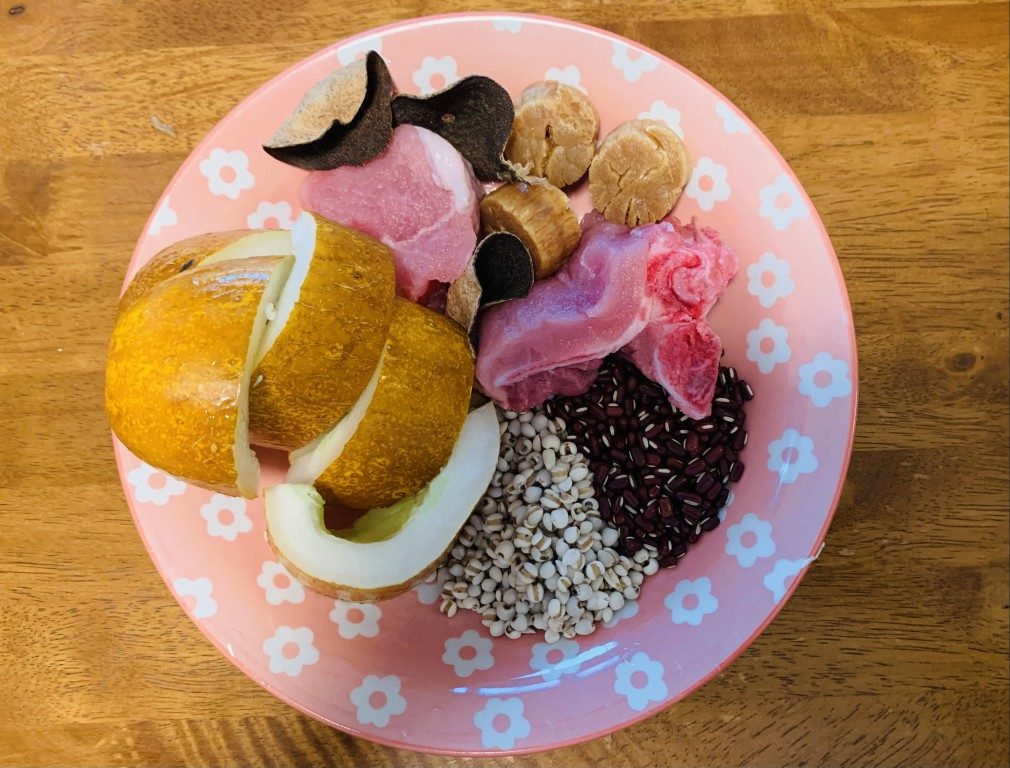
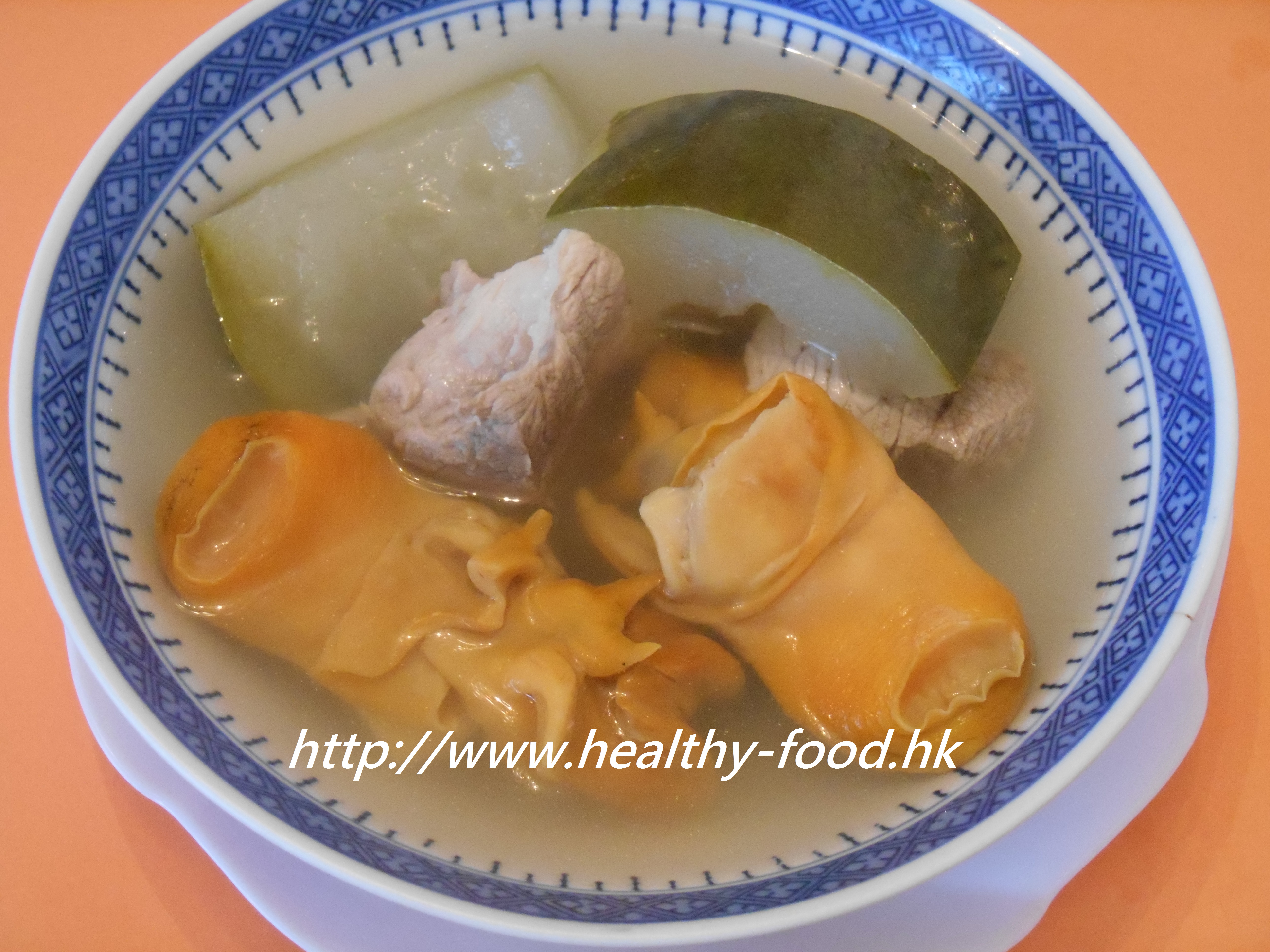
Old Cucumber, Hyacinth Bean, Mung Bean, Coix & Cured Duck Kidney Soup
Traditionally used to clear summer heat, support fluid balance, and calm skin breakouts
In short: Old Cucumber, Hyacinth Bean, Mung Bean, Coix & Cured Duck Kidney Soup is a soup that Traditionally used to clear summer heat, support fluid balance, and calm skin breakouts. It is most often made for respiratory & lung wellness, cooling & summer heat, children's wellness. Total time about 140 min. Key ingredients: old cucumber, hyacinth beans / flat beans, mung beans, tangerine peel.
Why people make this soup
Summer in southern China and Hong Kong brings a particular kind of exhaustion: the air is thick with humidity, skin breaks out, sleep is short, and the body feels heavy. Traditional Cantonese cooks turn to soups like this one — combining cooling vegetables with damp-resolving legumes — as a seasonal tonic. The star of the dish is the old yellow cucumber: a fully ripened cucumber left to turn golden on the vine, with a richer nutrient profile and a softer, more complex flavour than its young green counterpart. The cured duck kidney (a dried, salted preparation) adds a savoury depth and is traditionally associated with supporting the body’s ability to process excess fluid.
Method
- Wash the old cucumber, halve it lengthwise, and scrape out the seeds and pulp (set aside if you wish to use for a face mask — see tips).
- Cut cucumber into large chunks.
- Soak the hyacinth beans, mung beans, and coix separately for about 30 minutes, then drain and rinse.
- Soak the tangerine peel until softened. Soak and rinse the cured duck kidney, then slice.
- Blanch the sliced lean pork in cold water: place in a pot, cover with cold water, bring slowly to a simmer, skim the foam, then drain and rinse.
- Combine all ingredients in a large pot with 3 L of water. Bring to a boil, then reduce heat and simmer for 2 hours until the liquid reduces to 1.5–1.8 L.
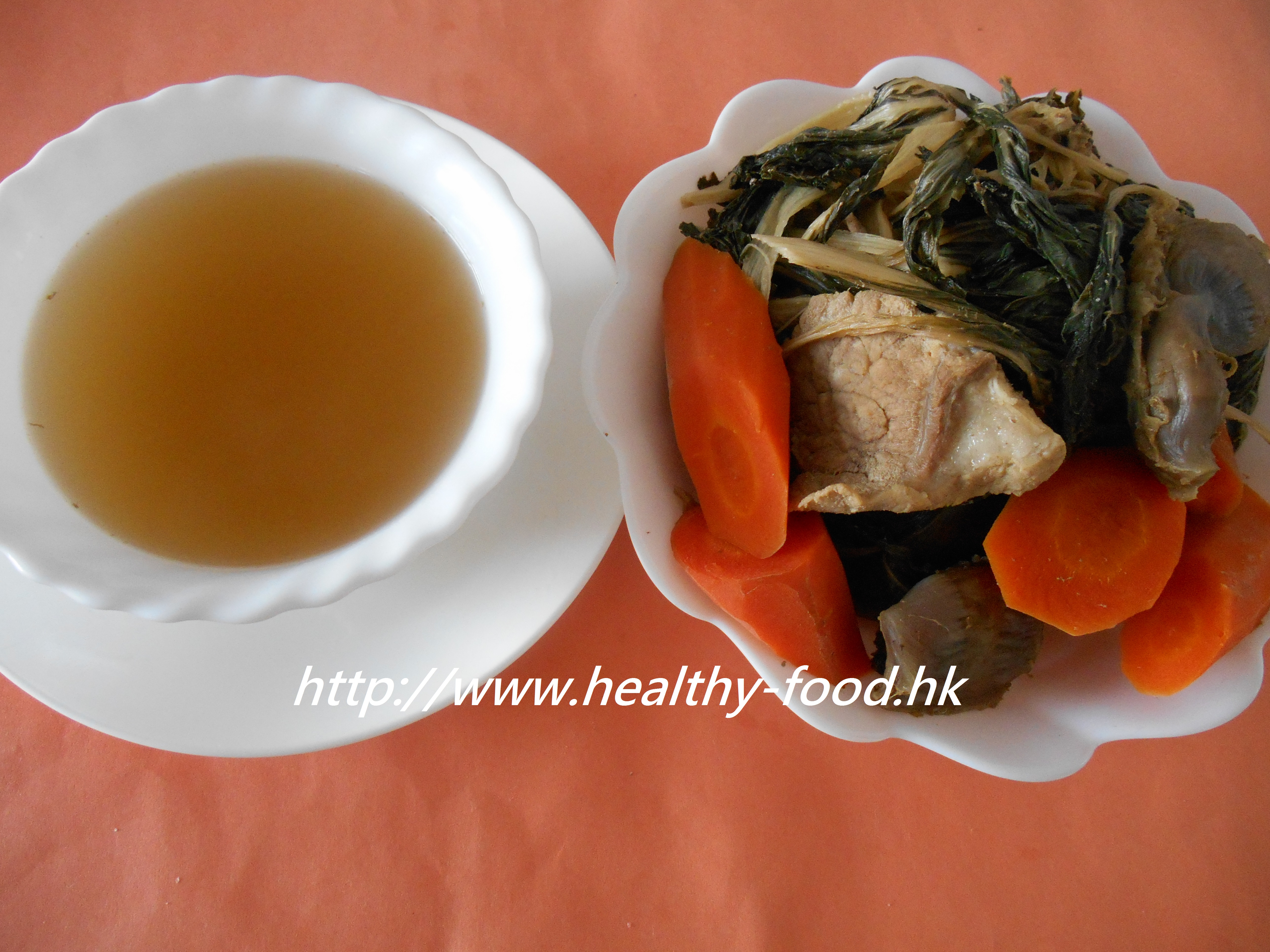
- Serve as a soup with the solid ingredients.
Nourilo’s Tips
Do not throw away the scraped-out pulp and juice of the cucumber! Nourilo suggests using it as a simple face pack — apply the pulp to your skin, or soak your hands in the cucumber juice for a few minutes. Cucumber is traditionally associated with brightening and softening the skin, and this old cucumber variety is particularly rich in moisture. If old yellow cucumber is unavailable, substitute with winter melon (dong gua), fuzzy melon (jie gua), or chayote (he zhang gua).
What studies say about the key ingredients
Traditional use is not the same as clinical proof. Here is the strongest human research we found for each ingredient, limitations included.
- Mung beans
Breath hydrogen and methane were higher after wheat than after rice or mung bean noodles. Bloating scores after mung bean did not differ significantly from wheat, and mung bean produced gas levels similar to rice.Limitation: Small sample of 20 patients, with single meals tested rather than habitual intake, so longer-term effects of mung bean on symptoms are unknown.PubMed 31484315 · 1 more mung beans study - Job's tears (coix)
Myeloperoxidase activity rose significantly in the placebo group after 8 weeks but showed no significant change in the adlay tea group. Vascular endothelial function improved in the adlay group, especially in those over 40.Limitation: Participants were healthy adults and the outcomes were surrogate markers, so the results say little about clinical disease outcomes. Tea is a polyphenol-rich extract, not whole grain.PubMed 38945894 · 2 more job's tears (coix) studies - Tangerine peel
The tangerine peel drink group showed significant reductions in body weight and triglycerides after the intervention compared with the control group (p < 0.05). Safety markers showed no adverse effects. Gut microbiota and serum metabolite profiles also differed.Limitation: Small pilot trial with only 55 of 72 participants completing. The fermented product is not the same as plain tangerine peel, and the control group is not described.PubMed 40225325
From the Nourilo Research Library. Findings come from specific doses, extracts and populations and may not apply to a home-cooked recipe.
Safety first — read before you cook
This is a traditional food, not a treatment. Please check with your doctor or pharmacist before making it a regular part of your diet if you:
- are pregnant or breastfeeding, or are cooking for a young child;
- take regular medicines — especially blood thinners, blood-pressure, diabetes or immune-suppressing drugs;
- have a kidney, liver or heart condition, or a known food allergy.
Stop eating it and seek advice if you notice an allergic reaction or feel unwell. Safety notes reviewed 8 October 2026 · How we write safety notes
Comments
Join the conversation — sign in or create a free account to comment.
Continue with GoogleBy continuing with Google or email you confirm you are 16 or older and agree to our Terms of Use and Privacy Policy.
Loading comments…