Herbal & Flower Teas
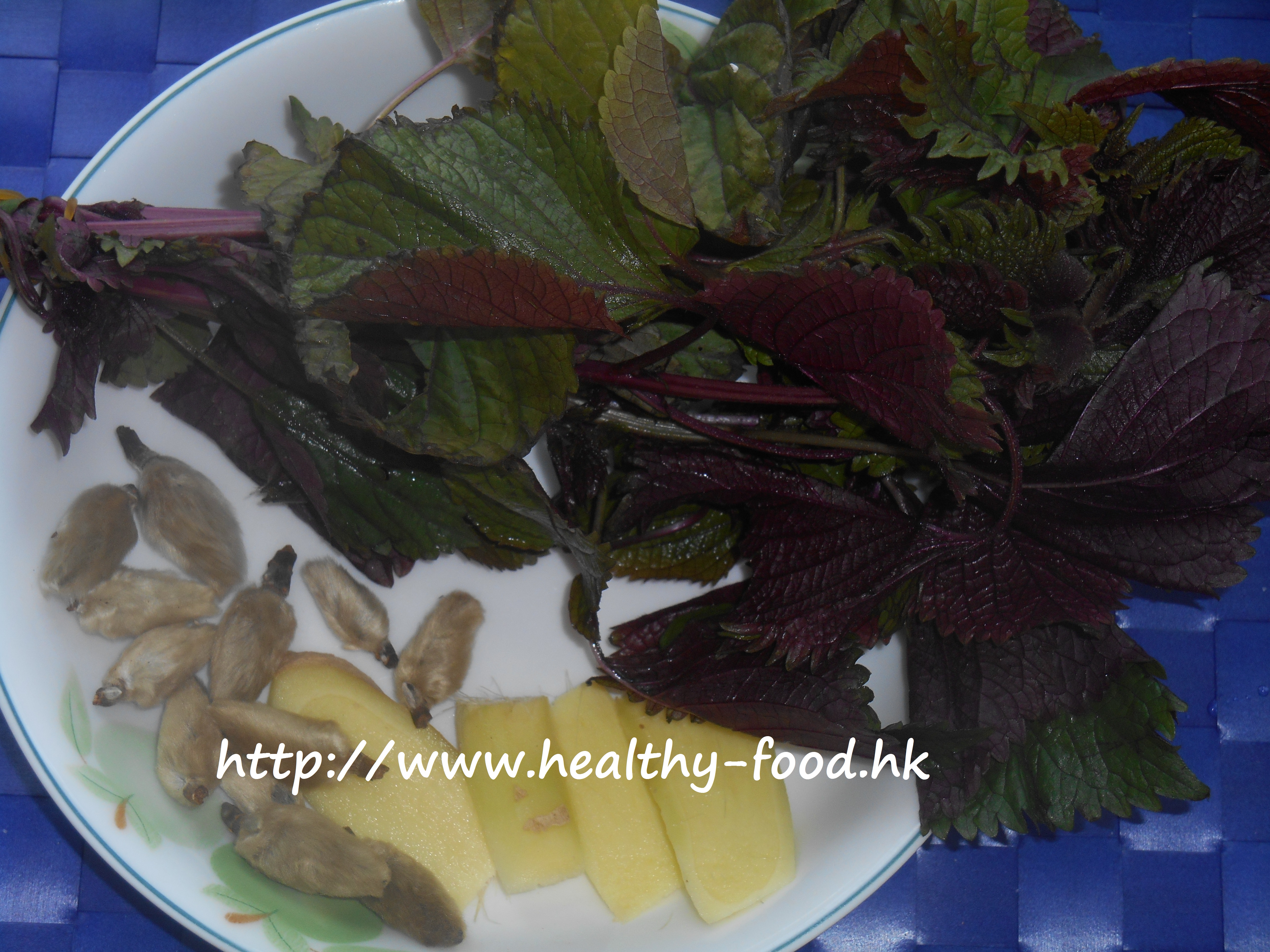
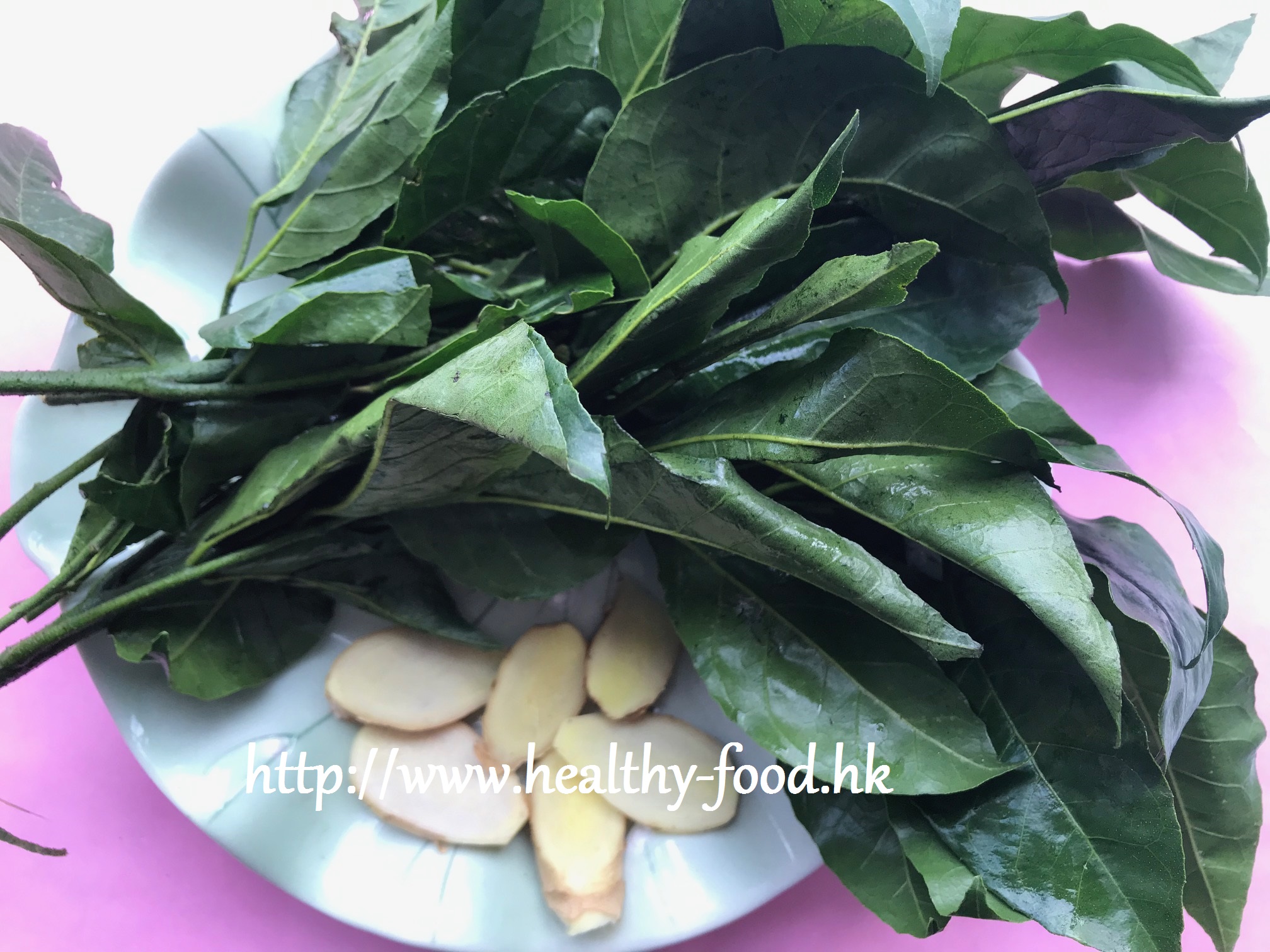
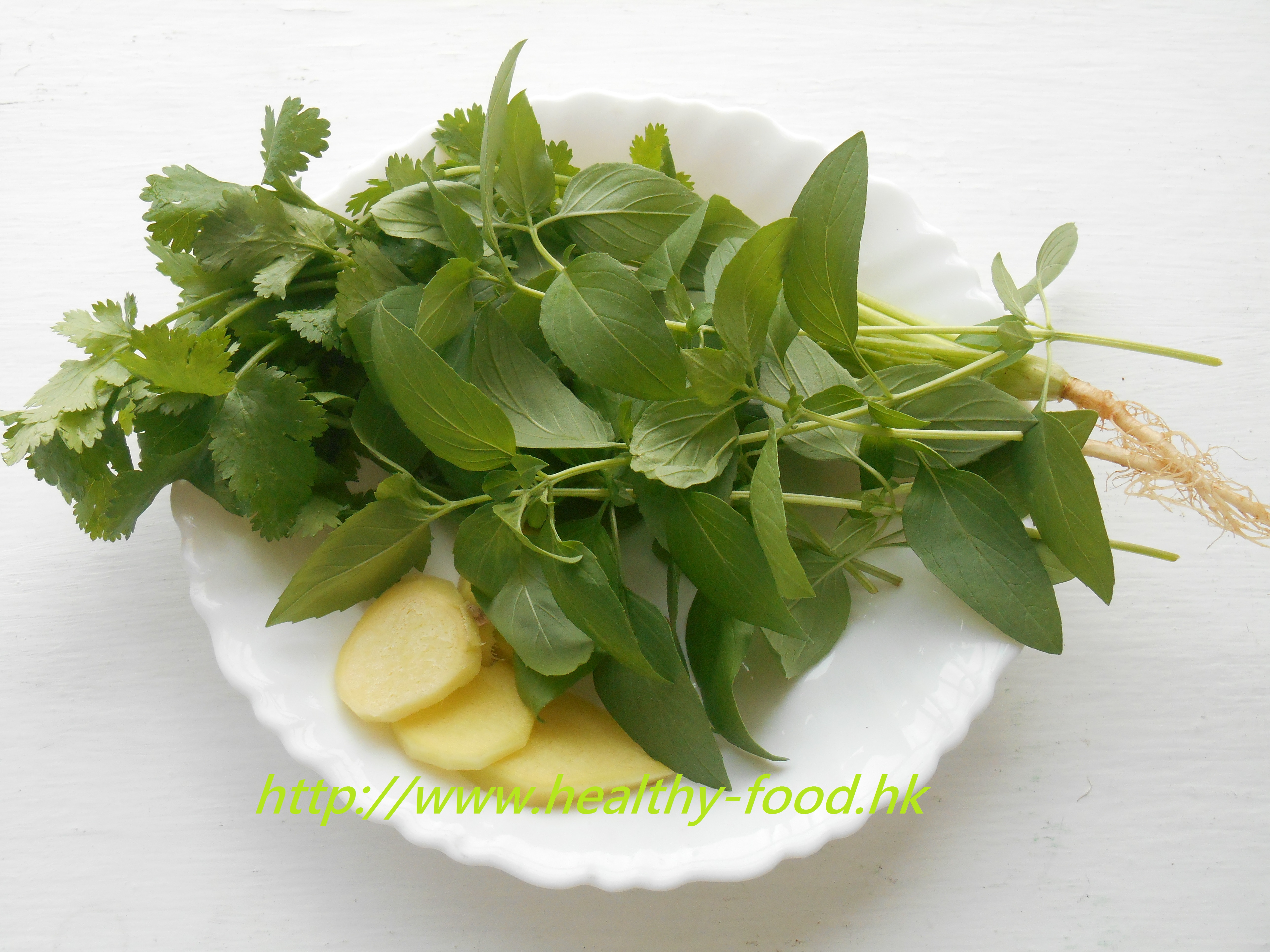
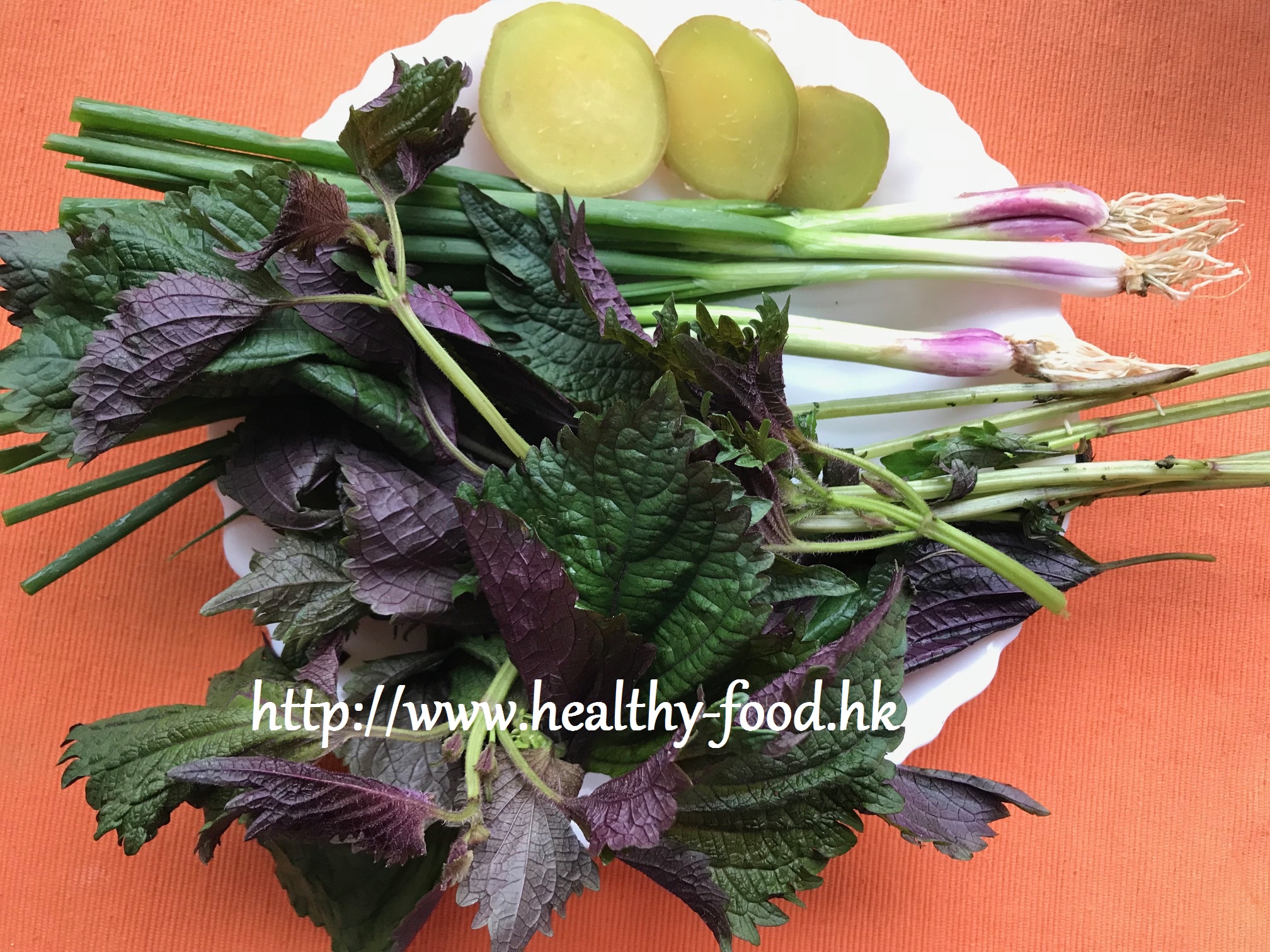
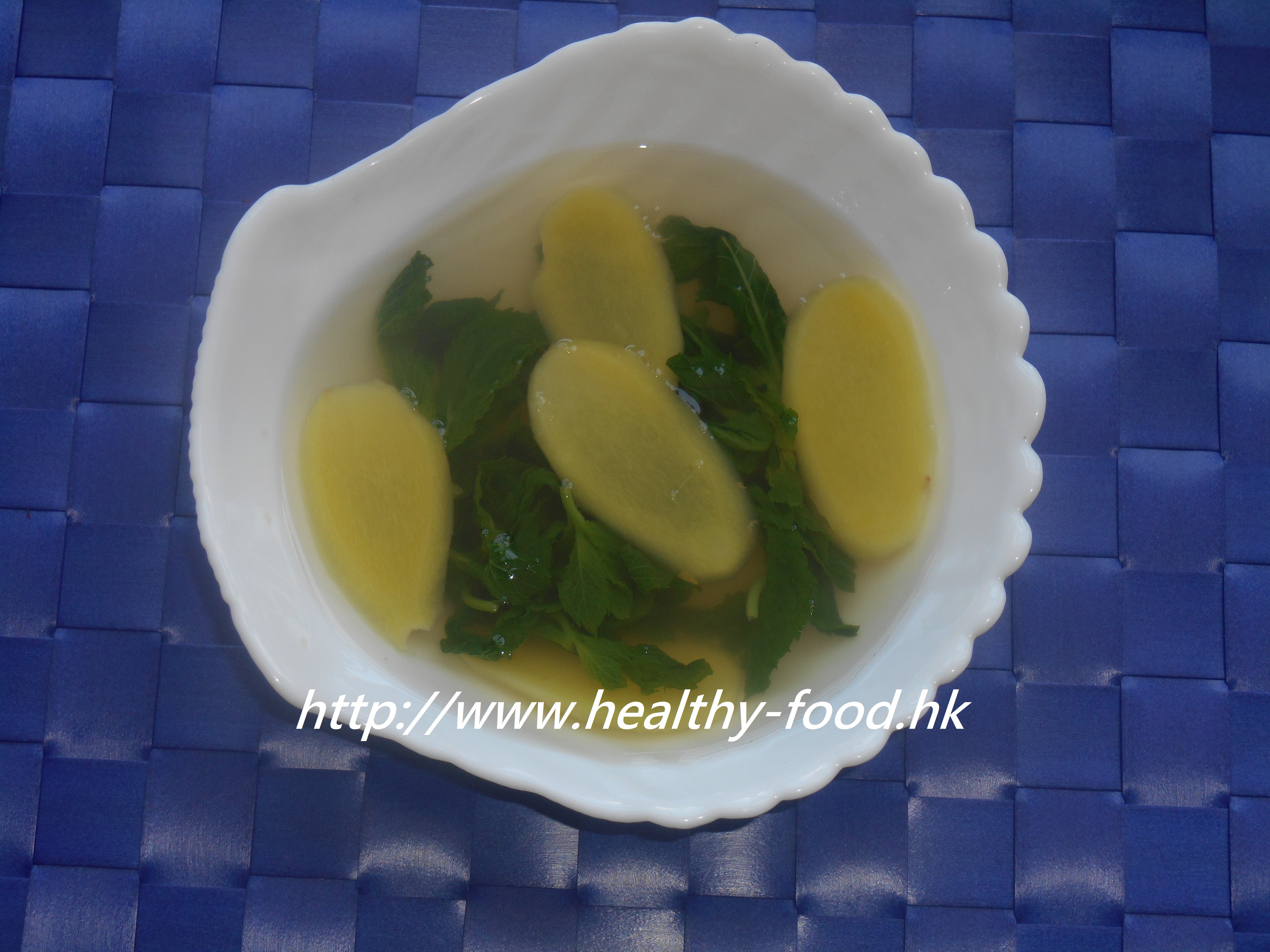
Magnolia Bud, Perilla Leaf and Brown Sugar Ginger Tea
traditionally used to ease nasal congestion, wind-cold headache, and symptoms of allergic rhinitis
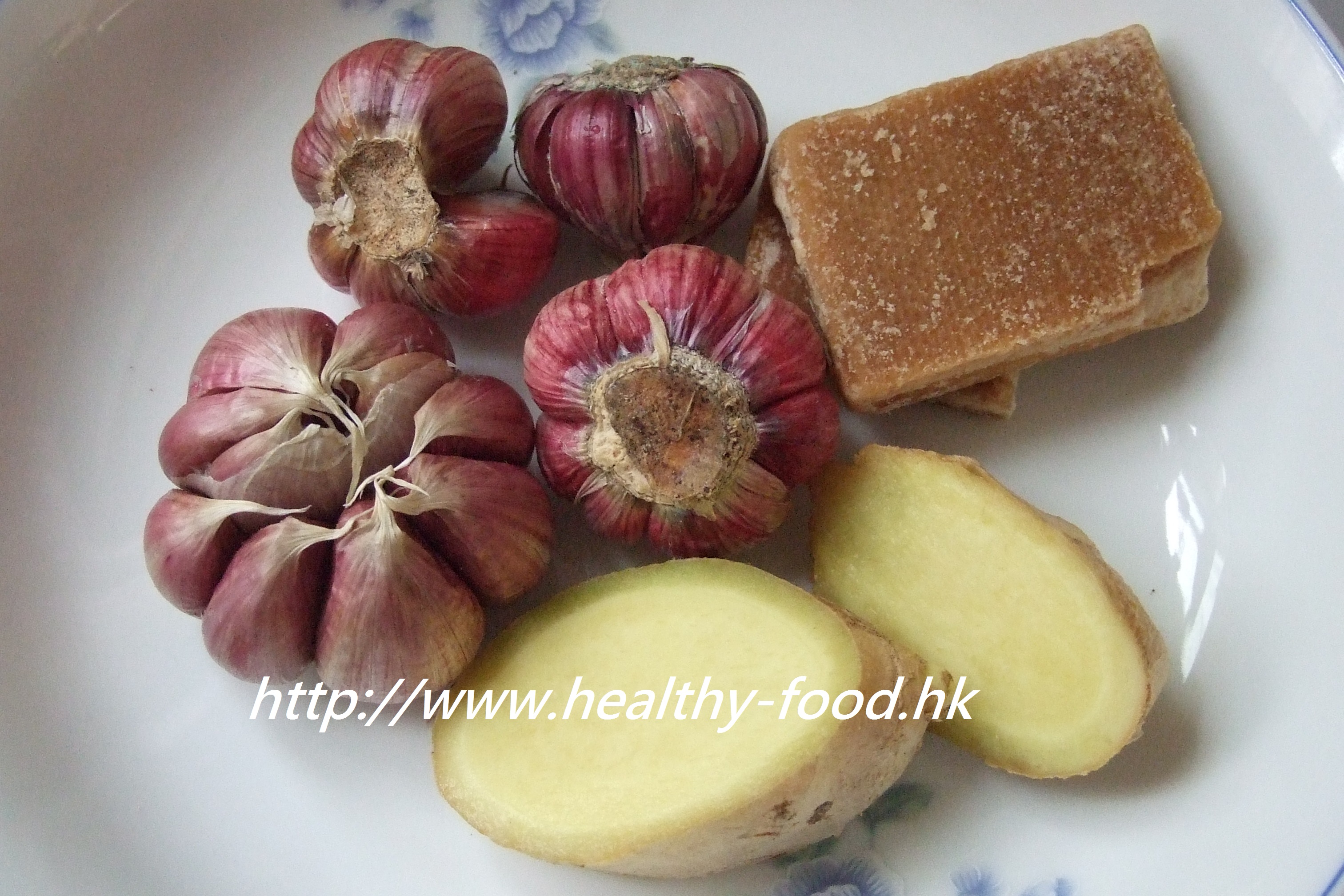
In short: Magnolia Bud, Perilla Leaf and Brown Sugar Ginger Tea is a herbal & flower tea that traditionally used to ease nasal congestion, wind-cold headache, and symptoms of allergic rhinitis. It is most often made for respiratory & lung wellness. Total time about 13 min. Key ingredients: ginger, brown sugar.
Why people make this tea
There is a small, furry, aromatic flower bud you will find in Chinese herbal medicine shops called xin yi hua — the bud of the magnolia tree, harvested before it opens. It has a distinctive, pleasantly spicy scent, and for centuries it has been the go-to herb in Chinese medicine for opening nasal passages. Fragrant, warming, and pungent, it is said to “travel upward to the head and face,” making it specific for nasal congestion regardless of whether the cause is a common cold or seasonal rhinitis. Combined with perilla leaves — which have well-documented anti-inflammatory properties in modern research — and ginger for warmth, this tea is quick to make (under ten minutes), genuinely aromatic, and traditionally well-suited for the kind of stuffy, blocked-nose discomfort that comes on in cold, damp weather. Best drunk while still warm.
What studies say about the key ingredients
Traditional use is not the same as clinical proof. Here is the strongest human research we found for each ingredient, limitations included.
- Ginger
Overall, acute and delayed nausea and vomiting did not differ significantly between ginger and control groups. A subgroup taking 1 g/day or less for over four days had less acute vomiting (OR 0.30).Limitation: Clinical heterogeneity between trials required subgroup analyses, and the authors state that sufficiently large, high-quality RCTs are still needed.PubMed 36501010 · 3 more ginger studies
From the Nourilo Research Library. Findings come from specific doses, extracts and populations and may not apply to a home-cooked recipe.
Safety first — read before you cook
This is a traditional food, not a treatment. Please check with your doctor or pharmacist before making it a regular part of your diet if you:
- are pregnant or breastfeeding, or are cooking for a young child;
- take regular medicines — especially blood thinners, blood-pressure, diabetes or immune-suppressing drugs;
- have a kidney, liver or heart condition, or a known food allergy.
Stop eating it and seek advice if you notice an allergic reaction or feel unwell. Safety notes reviewed 8 October 2026 · How we write safety notes
Members only
Unlock the full method & Nourilo's tips
One payment, lifetime access to every one of our 2,344 recipes — step-by-step methods, preparation tips and serving notes.
- Full step-by-step method for this and all 2,344 recipes
- Nourilo's Tips — sourcing, substitutions and serving notes
- One-time payment · card, Apple Pay or Google Pay · no subscription, no renewals
Checking your access…
$59.99 one-time · all recipes
Sign in or create a free account, then pay once by card, Apple Pay or Google Pay.
Continue with GoogleBy continuing with Google or email you confirm you are 16 or older and agree to our Terms of Use and Privacy Policy.
$59.99 one-time · all recipes
Signed in as ·
Secure checkout by Stripe. One-time payment, no renewals. Access is linked to your Nourilo account and never expires. By paying you agree to our Terms of Use; you can get a full refund within 14 days (refund policy).
Comments
Join the conversation — sign in or create a free account to comment.
Continue with GoogleBy continuing with Google or email you confirm you are 16 or older and agree to our Terms of Use and Privacy Policy.
Loading comments…