Soups
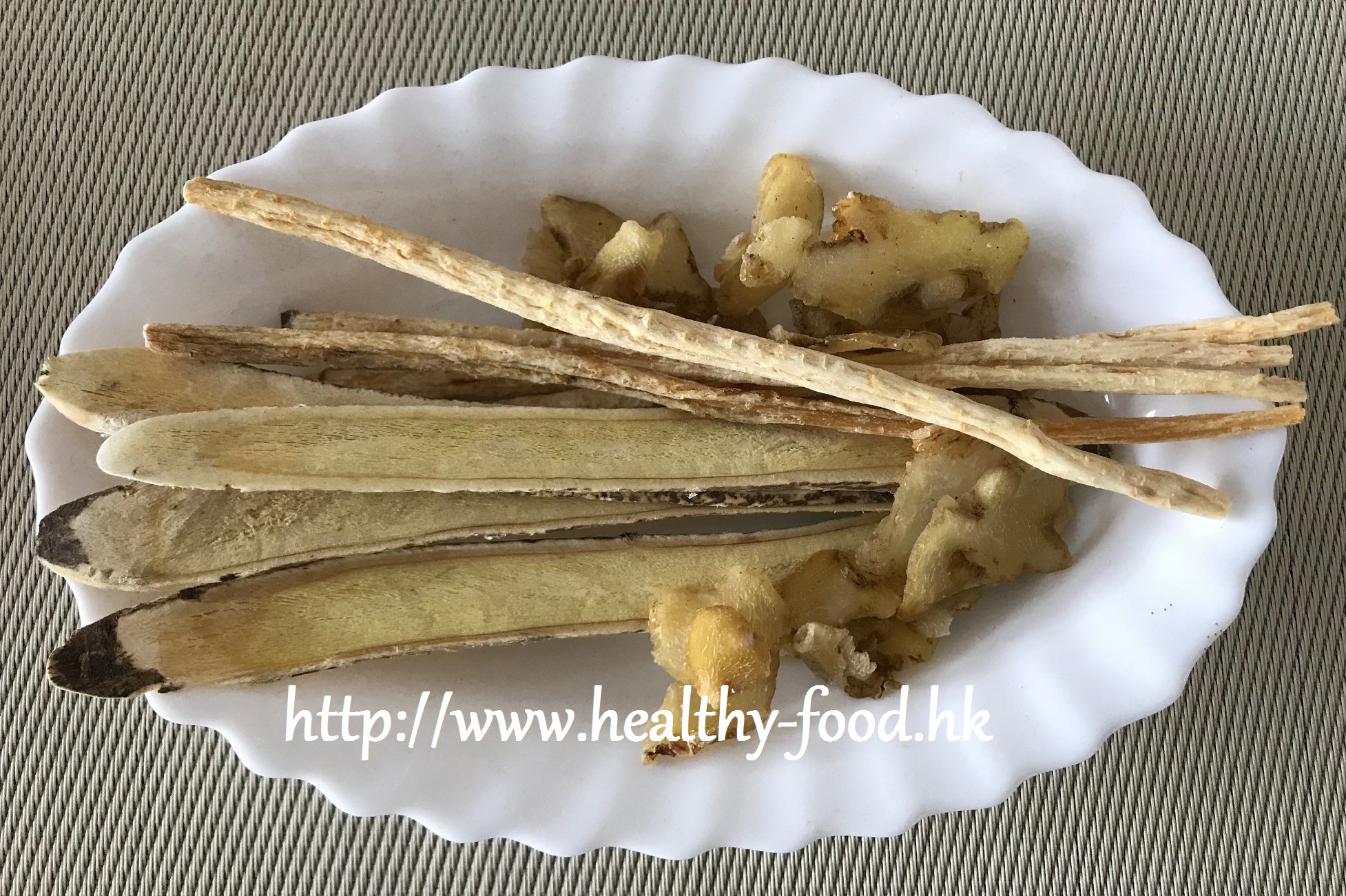
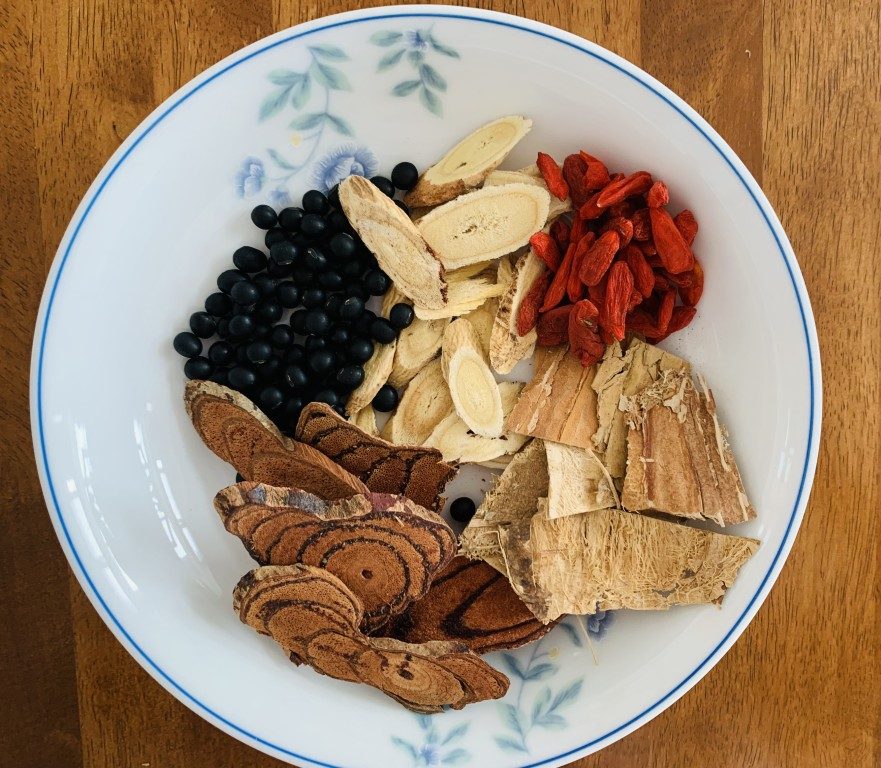
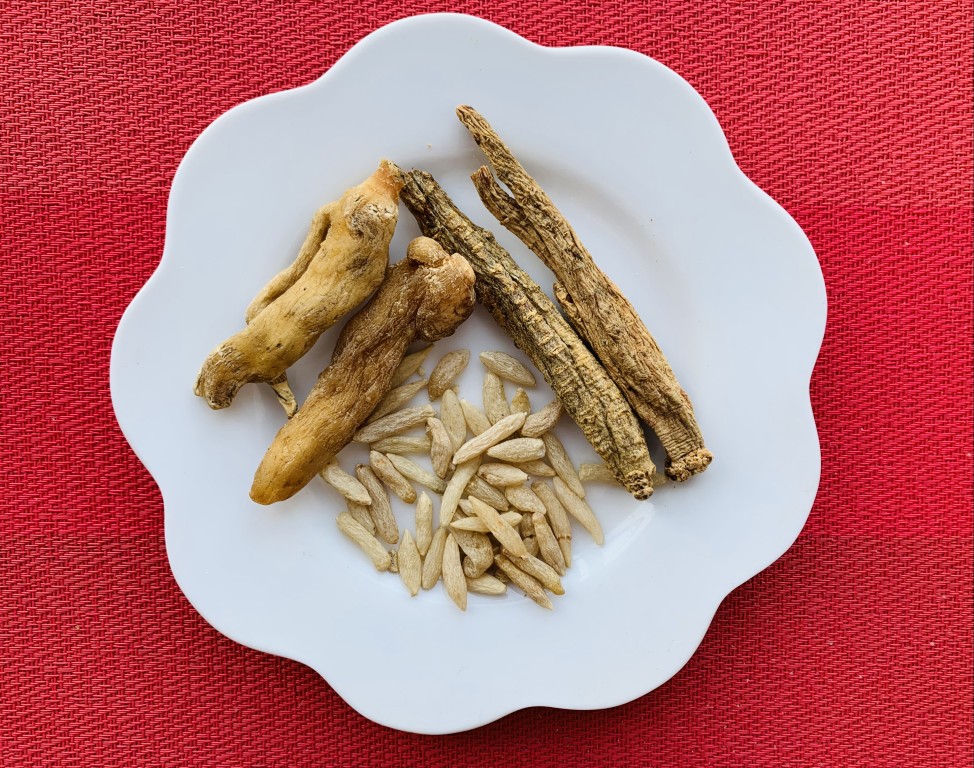
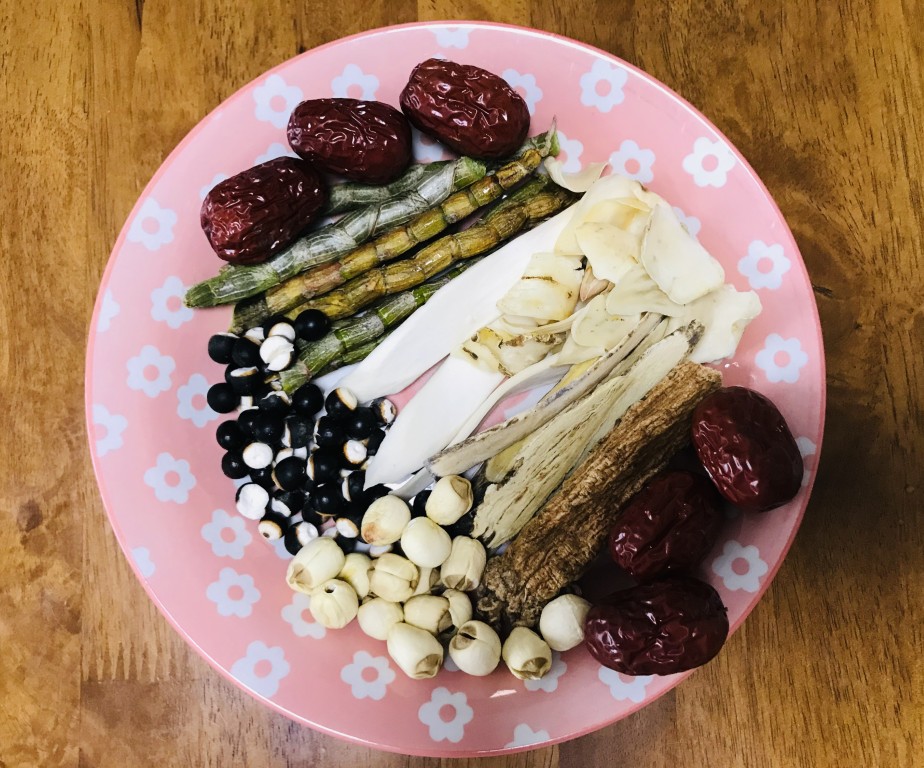
Astragalus, Glehnia Root and Sea Solomon's Seal Broth
traditionally used to nourish yin, support qi, and ease thirst and fatigue associated with hyperthyroidism or diabetes
In short: Astragalus, Glehnia Root and Sea Solomon's Seal Broth is a soup that traditionally used to nourish yin, support qi, and ease thirst and fatigue associated with hyperthyroidism or diabetes. It is most often made for blood sugar balance, energy & vitality, everyday balance. Total time about 55 min. Key ingredients: astragalus root.
Why people make this broth
Hyperthyroidism — an overactive thyroid — is disproportionately common in young people, and especially in young women. The thyroid becomes hyperactive under stress, hormonal fluctuation (puberty, menstruation), and the sustained pressure of academic or work life that many young adults navigate today. The result is a body that runs faster than it should: heart racing, always hungry but losing weight, constantly thirsty, easily exhausted, and prone to anxiety or mood swings.
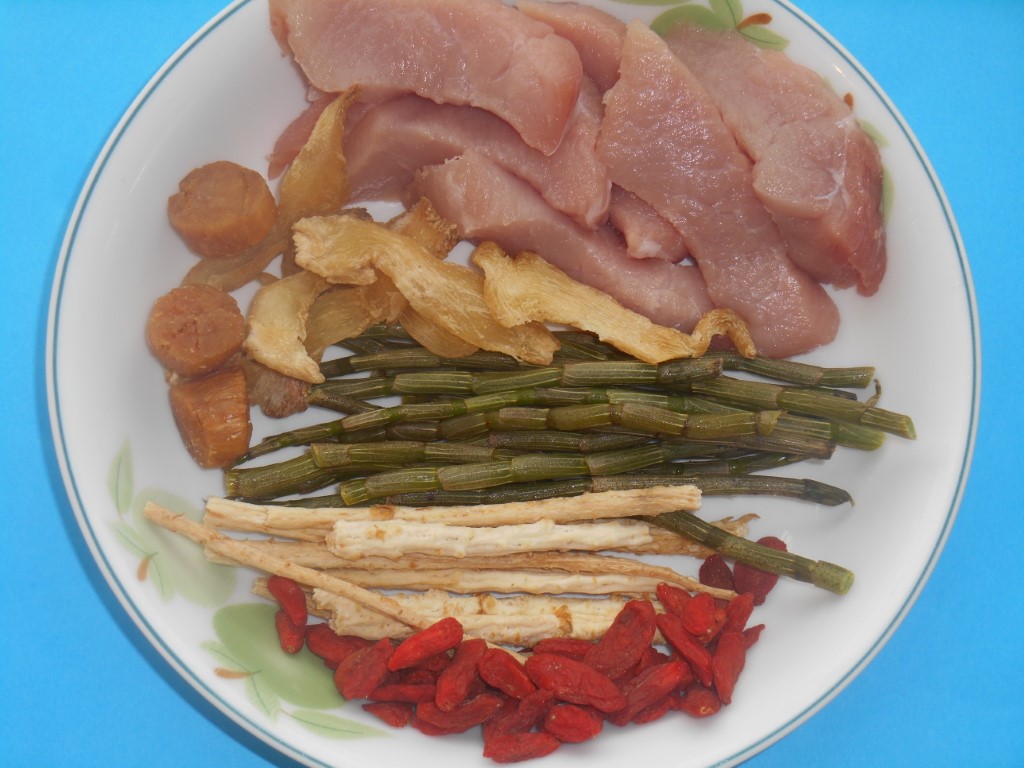
In the framework of traditional Chinese medicine, this pattern is understood as a depletion of yin — the cool, moist, sustaining principle — which allows yang (the active, warming, consuming principle) to run unchecked. The goal of this three-herb broth is to gently restore that balance: astragalus (bei qi) reinforces the body’s fundamental qi so it does not scatter; northern glehnia root (bei sha shen) nourishes the lung and stomach yin and generates fluids to quench the chronic thirst; and sea Solomon’s seal (hai yu zhu) goes a step further, also addressing the kidney dimension. Together they make a broth that is calming rather than stimulating, moistening rather than drying.
This broth is also noted by Nourilo as being very suitable for people with diabetes who experience the same triad of symptoms: excess thirst, excess hunger, and fatigue.
Method
- Rinse all herbs briefly; soak for 10–15 minutes if they are quite dry.
- Place all ingredients in a pot with 1.5 L of water.
- Bring to a boil, then reduce heat and simmer gently for 45 minutes until the liquid reduces to 600 ml.
- Strain if preferred, or drink with the softened herbs.
- For those with hyperthyroid or diabetes symptoms, drink 2–3 servings per week. Drink 2 hours after any medication.
Nourilo’s Tips
For the glehnia root (sha shen), buy the slender northern variety (bei sha shen) — it nourishes stomach and lung yin more effectively than the thicker southern kind (nan sha shen). Sea Solomon’s seal (hai yu zhu) is a type of Polygonatum — distinct from ordinary jade bamboo (yu zhu) — with an added benefit for kidney yin. This broth is also excellent for people with diabetes who have the thirst-hunger-fatigue pattern. Those with hyperthyroidism should avoid seaweed, nori, and other high-iodine foods; moderate fish consumption is fine.
What studies say about the key ingredients
Traditional use is not the same as clinical proof. Here is the strongest human research we found for each ingredient, limitations included.
- Astragalus root
TA-65 was associated with longer leukocyte telomeres compared with controls, but the meta-analysis found no significant improvement in frailty measures or inflammatory markers (CRP/IL-6). Mild gastrointestinal effects were reported.Limitation: Industry-funded trials reported larger effects than others, and the compound is a purified extract at doses not comparable to eating Astragalus root.PubMed 41286474 · 3 more astragalus root studies
From the Nourilo Research Library. Findings come from specific doses, extracts and populations and may not apply to a home-cooked recipe.
Safety first — read before you cook
This is a traditional food, not a treatment. Please check with your doctor or pharmacist before making it a regular part of your diet if you:
- are pregnant or breastfeeding, or are cooking for a young child;
- take regular medicines — especially blood thinners, blood-pressure, diabetes or immune-suppressing drugs;
- have a kidney, liver or heart condition, or a known food allergy.
Ingredient notes for this recipe
- Astragalus: May interact with medicines that suppress the immune system. A thorough safety evaluation has not been done, and little is known about its safety in pregnancy or breastfeeding. Source: NIH NCCIH — Astragalus
Stop eating it and seek advice if you notice an allergic reaction or feel unwell. Safety notes reviewed 8 October 2026 · How we write safety notes
Comments
Join the conversation — sign in or create a free account to comment.
Continue with GoogleBy continuing with Google or email you confirm you are 16 or older and agree to our Terms of Use and Privacy Policy.
Loading comments…