Soups
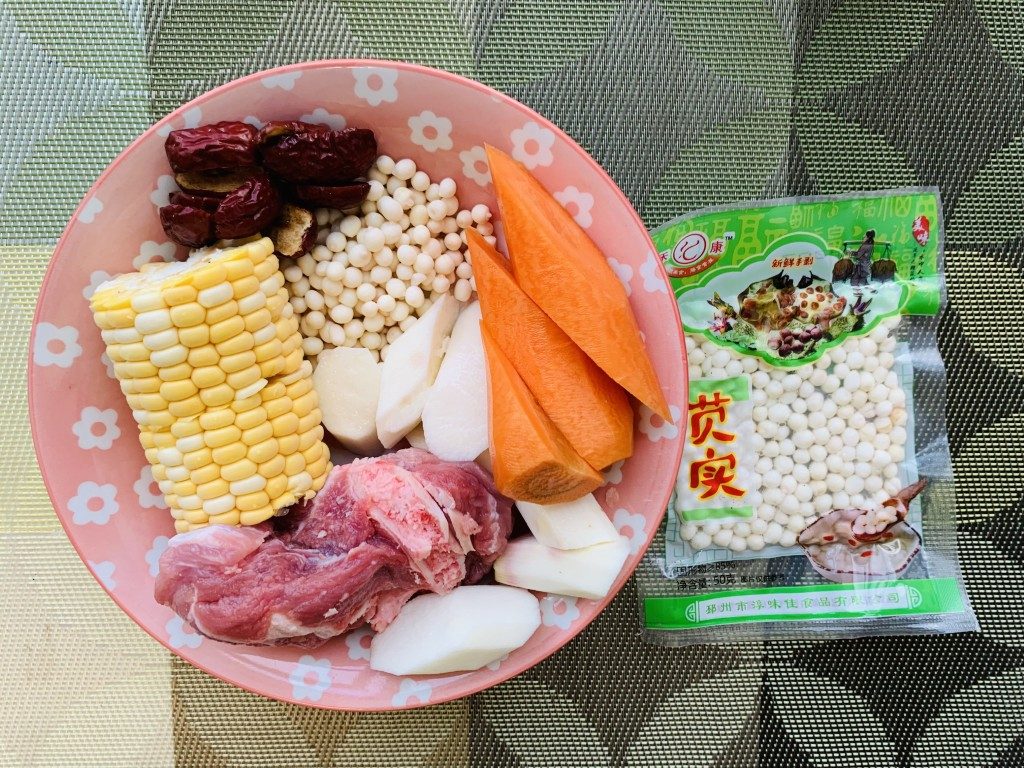
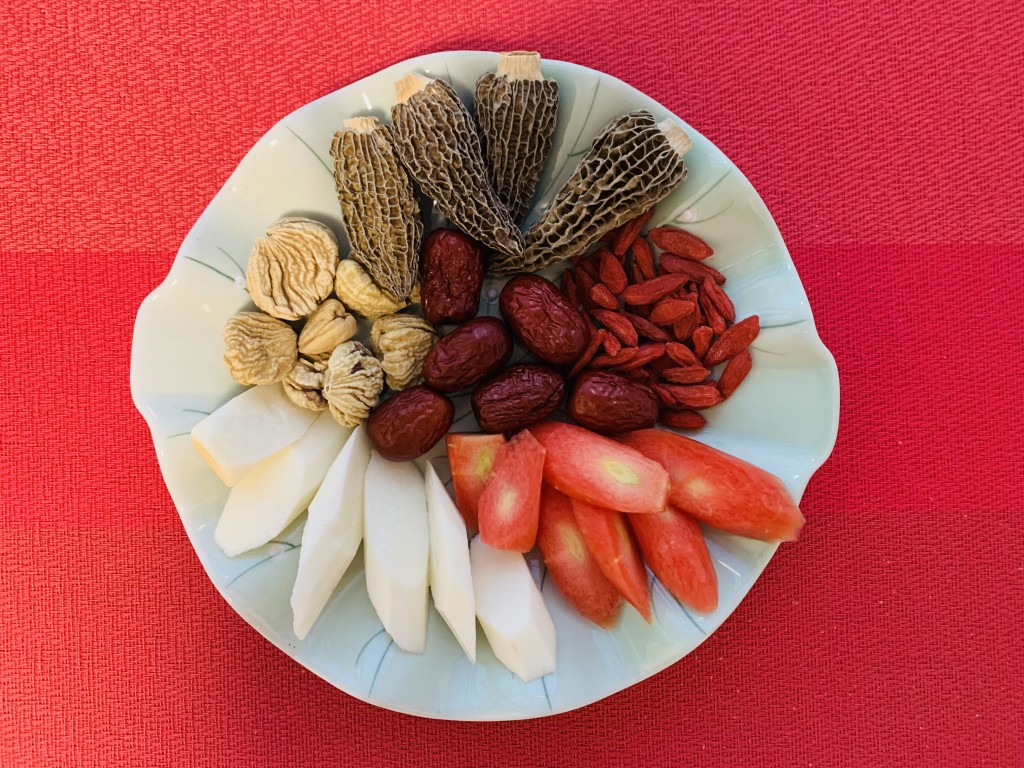
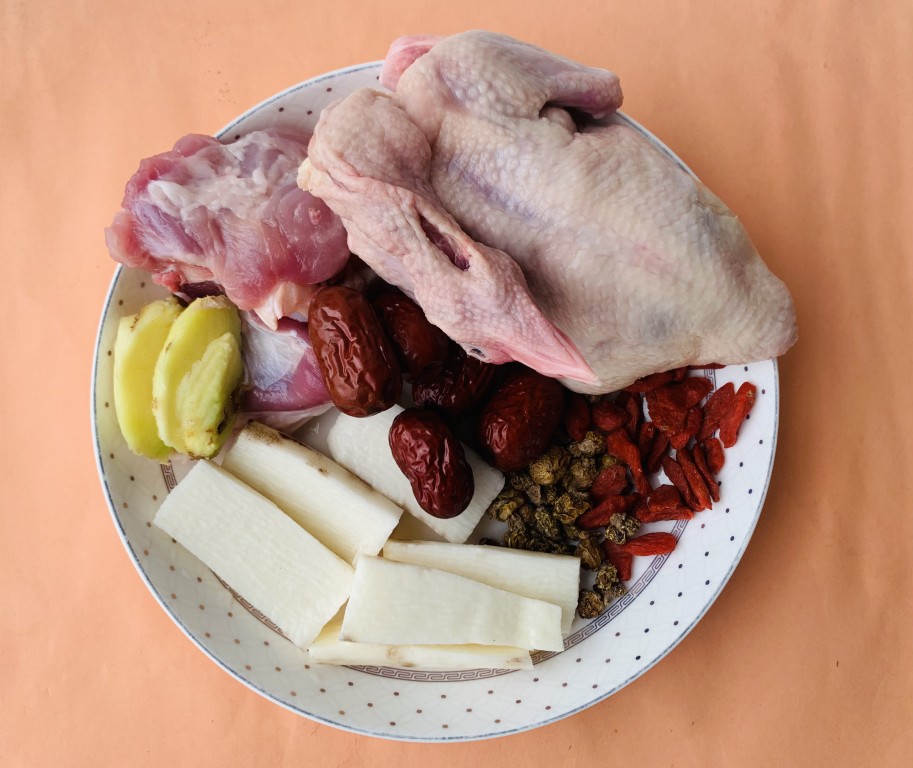
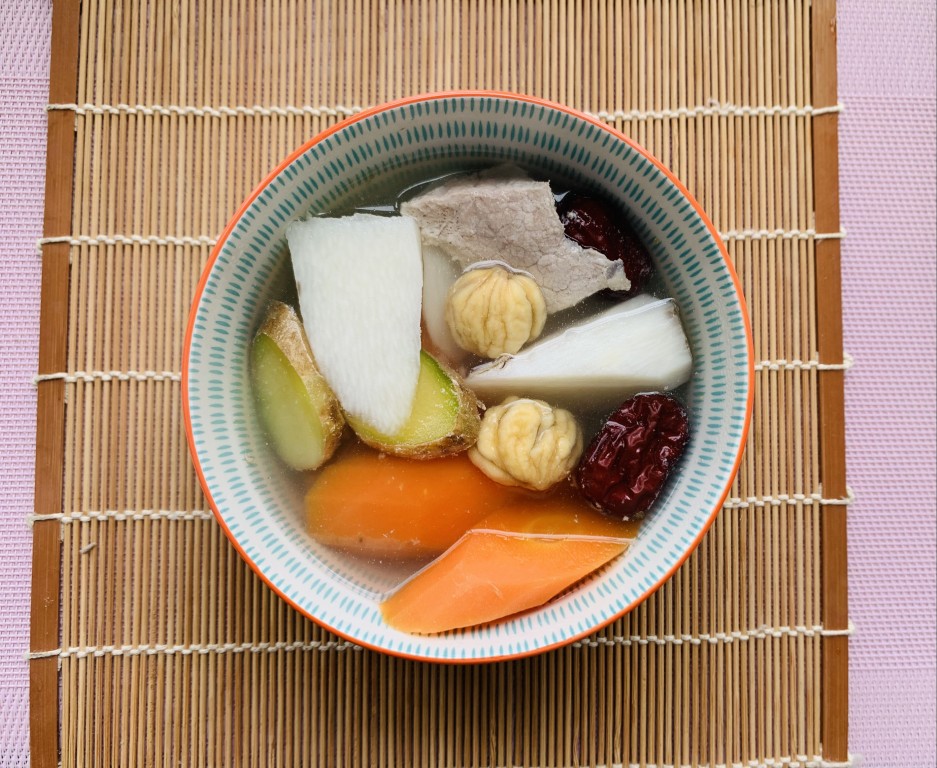
Fresh Yam, Black Bean, Peanut and Quail Soup
traditionally used to strengthen the spleen and stomach, support nutrient absorption, and nourish the five organs during children's growth years
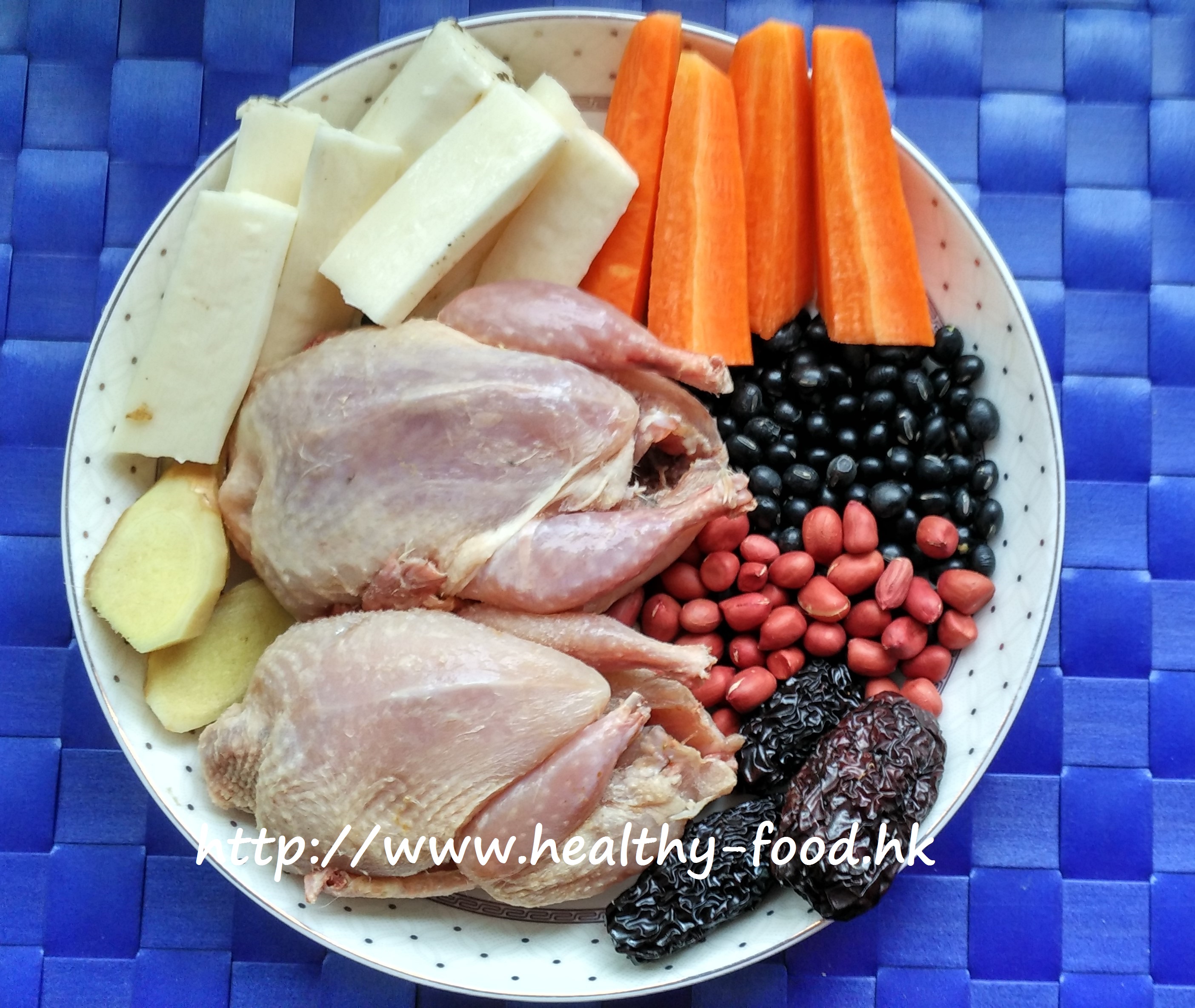
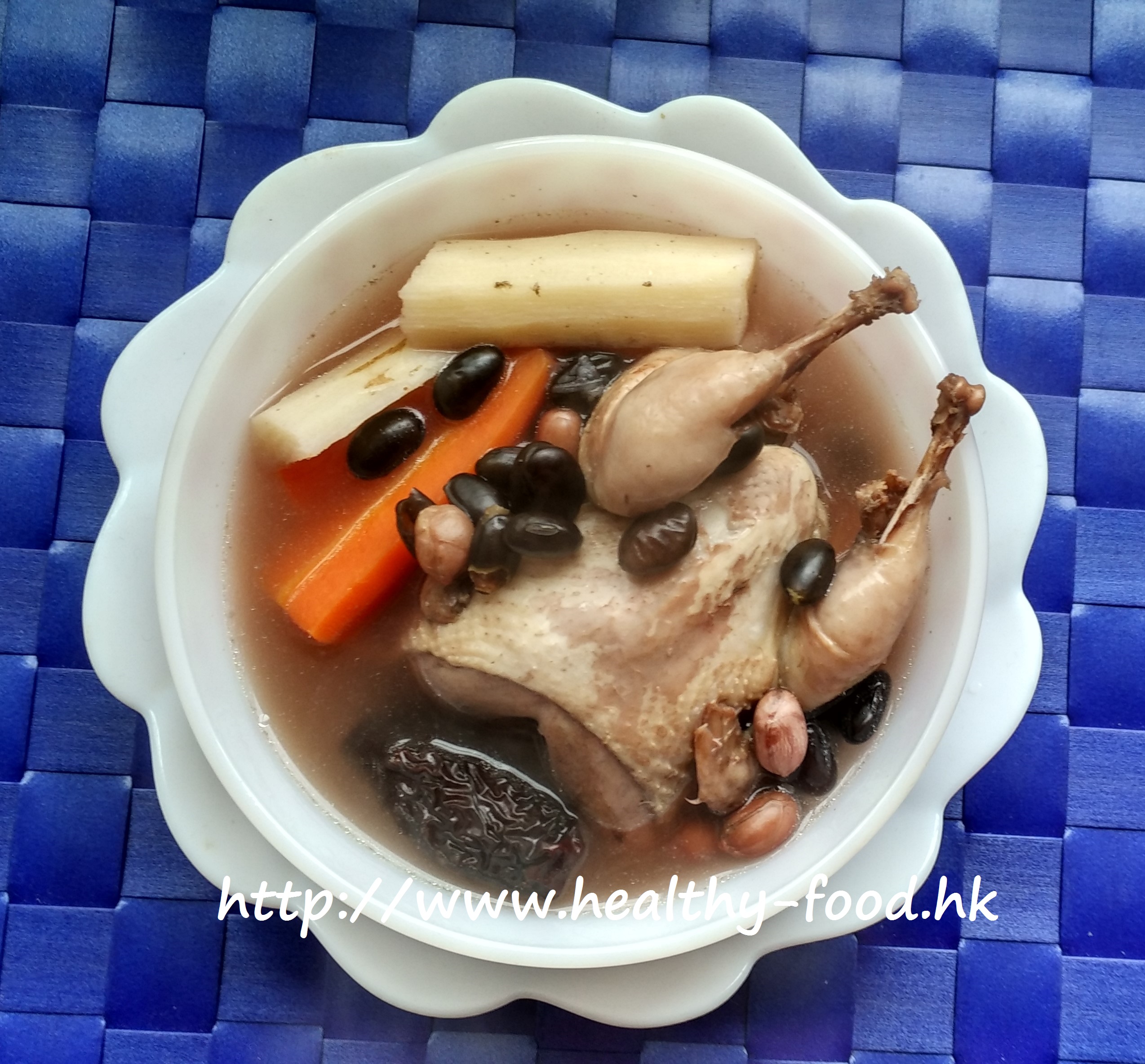
In short: Fresh Yam, Black Bean, Peanut and Quail Soup is a soup that traditionally used to strengthen the spleen and stomach, support nutrient absorption, and nourish the five organs during children's growth years. It is most often made for digestive wellness, children's wellness, everyday balance. Total time about 105 min. Key ingredients: chinese yam, carrot, ginger, frozen quail.
Why people make this soup
Most children who grow at their expected pace simply need balanced nutrition, adequate sleep, and regular physical activity. But parents of children who seem to eat well yet don’t gain weight or height as expected often turn to Cantonese food therapy for additional support. The upper primary school years — roughly grades 5 and 6, or ages 10 to 12 — are considered a key growth window. Nourilo emphasises that for protein to be effectively used for growth, it must be consumed together with carbohydrates (so bread, rice, or noodles alongside protein-rich soup is ideal), and that picky eating is perhaps the biggest obstacle to healthy development.
Sleep is also critically important: growth hormone (a protein-based hormone) is secreted primarily during the deep sleep that follows within 30–60 minutes of falling asleep, and the sleep cycle repeats every 60–90 minutes. Primary school children ideally need 8–9 hours of sleep a night.
This soup supports these goals through the spleen and stomach — in Chinese medicine, the organ system responsible for digestion, nutrient absorption, and the production of qi and blood from food.
What studies say about the key ingredients
Traditional use is not the same as clinical proof. Here is the strongest human research we found for each ingredient, limitations included.
- Black soybeans
Systolic blood pressure fell more in the black soy peptide group (-9.69 mm Hg) than in the placebo group (-2.91 mm Hg) after baseline adjustment. Plasma malondialdehyde decreased and superoxide dismutase activity increased compared with placebo.Limitation: Used an isolated peptide supplement rather than whole black soybeans, and followed participants for only 8 weeks, so the results may not apply to food intake.PubMed 23924691 - Ginger
Overall, acute and delayed nausea and vomiting did not differ significantly between ginger and control groups. A subgroup taking 1 g/day or less for over four days had less acute vomiting (OR 0.30).Limitation: Clinical heterogeneity between trials required subgroup analyses, and the authors state that sufficiently large, high-quality RCTs are still needed.PubMed 36501010 · 3 more ginger studies
From the Nourilo Research Library. Findings come from specific doses, extracts and populations and may not apply to a home-cooked recipe.
Safety first — read before you cook
This is a traditional food, not a treatment. Please check with your doctor or pharmacist before making it a regular part of your diet if you:
- are pregnant or breastfeeding, or are cooking for a young child;
- take regular medicines — especially blood thinners, blood-pressure, diabetes or immune-suppressing drugs;
- have a kidney, liver or heart condition, or a known food allergy.
Stop eating it and seek advice if you notice an allergic reaction or feel unwell. Safety notes reviewed 8 October 2026 · How we write safety notes
Members only
Unlock the full method & Nourilo's tips
One payment, lifetime access to every one of our 2,344 recipes — step-by-step methods, preparation tips and serving notes.
- Full step-by-step method for this and all 2,344 recipes
- Nourilo's Tips — sourcing, substitutions and serving notes
- One-time payment · card, Apple Pay or Google Pay · no subscription, no renewals
Checking your access…
$59.99 one-time · all recipes
Sign in or create a free account, then pay once by card, Apple Pay or Google Pay.
Continue with GoogleBy continuing with Google or email you confirm you are 16 or older and agree to our Terms of Use and Privacy Policy.
$59.99 one-time · all recipes
Signed in as ·
Secure checkout by Stripe. One-time payment, no renewals. Access is linked to your Nourilo account and never expires. By paying you agree to our Terms of Use; you can get a full refund within 14 days (refund policy).

Comments
Join the conversation — sign in or create a free account to comment.
Continue with GoogleBy continuing with Google or email you confirm you are 16 or older and agree to our Terms of Use and Privacy Policy.
Loading comments…