Herbal & Flower Teas
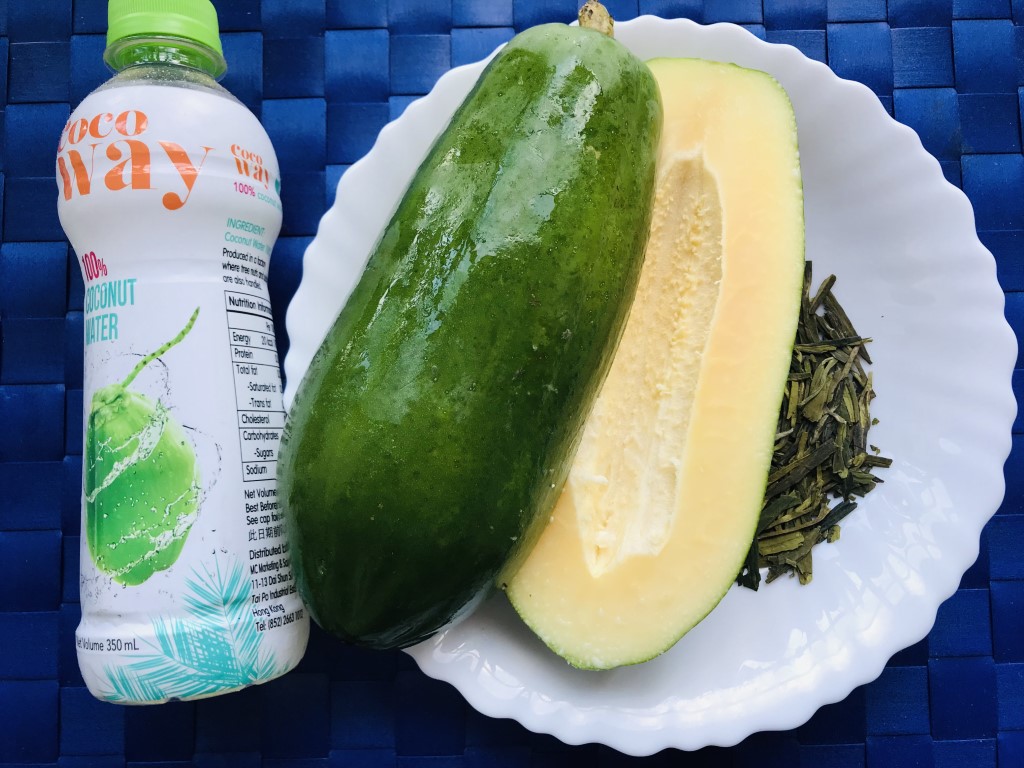
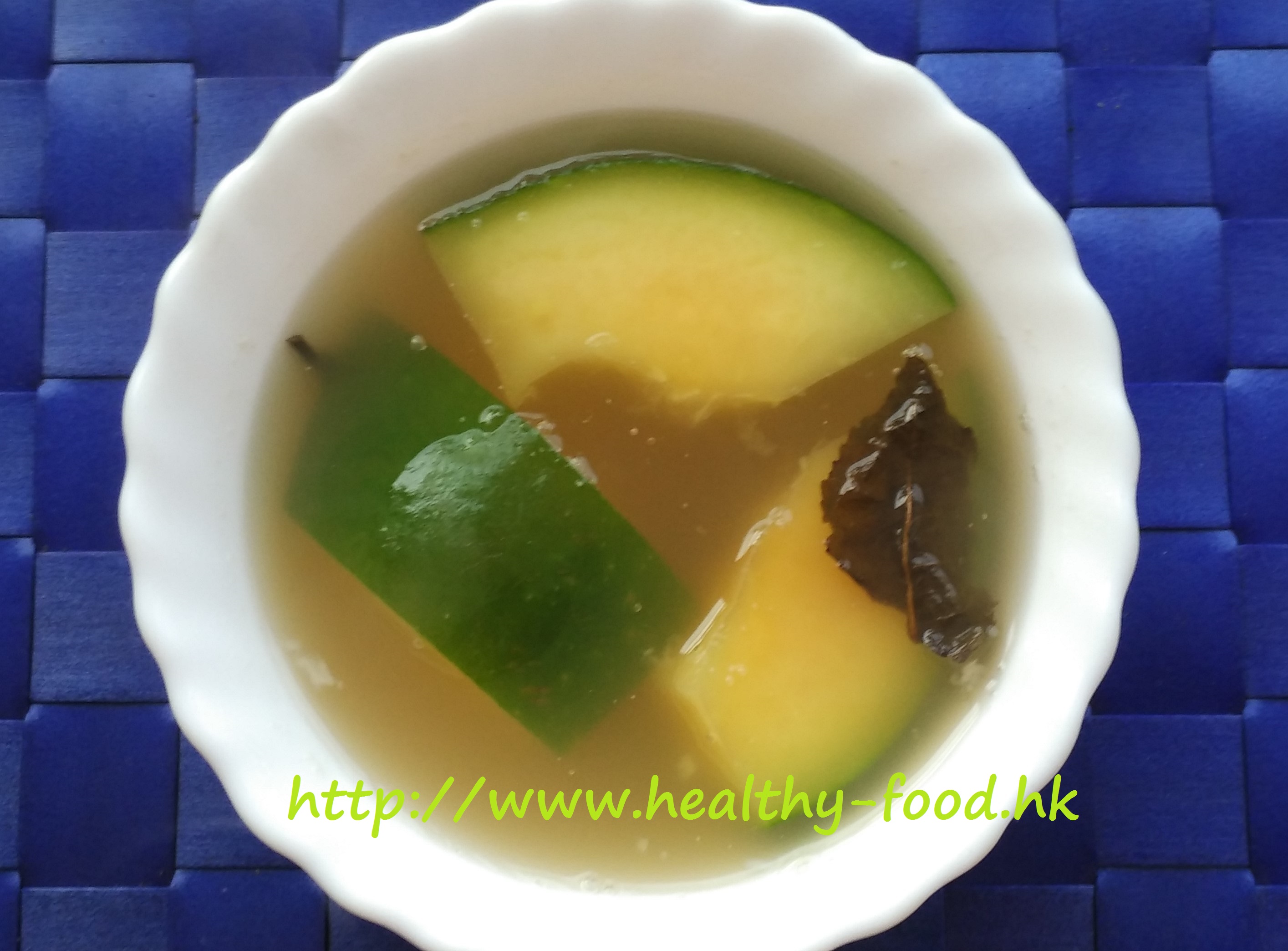
Coconut Water and Green Tea Stewed Green Papaya
Traditionally associated with supporting uric acid balance and easing joint discomfort
In short: Coconut Water and Green Tea Stewed Green Papaya is a herbal & flower tea that Traditionally associated with supporting uric acid balance and easing joint discomfort. It is most often made for bone & joint wellness, everyday balance. Total time about 70 min. Key ingredients: green papaya, green tea leaves.
Why people make this stew
Gout is no longer just a condition of old age. Increasingly, younger and middle-aged people are developing elevated uric acid levels — often linked to diets rich in organ meats, shellfish, beer, certain fungi, and legumes, combined with limited exercise. When uric acid crystals deposit in joints, the result can be sudden, intense pain that is hard to manage.
Nourilo has shared a similar green papaya and green tea recipe before, and many readers wrote back saying it helped ease their discomfort noticeably — provided they were also careful with their diet. This version takes things a step further by adding coconut water, which contains tannins that traditional food therapy associates with calming inflammation. The result is a dish that is both more pleasant to eat and potentially more effective.
Method
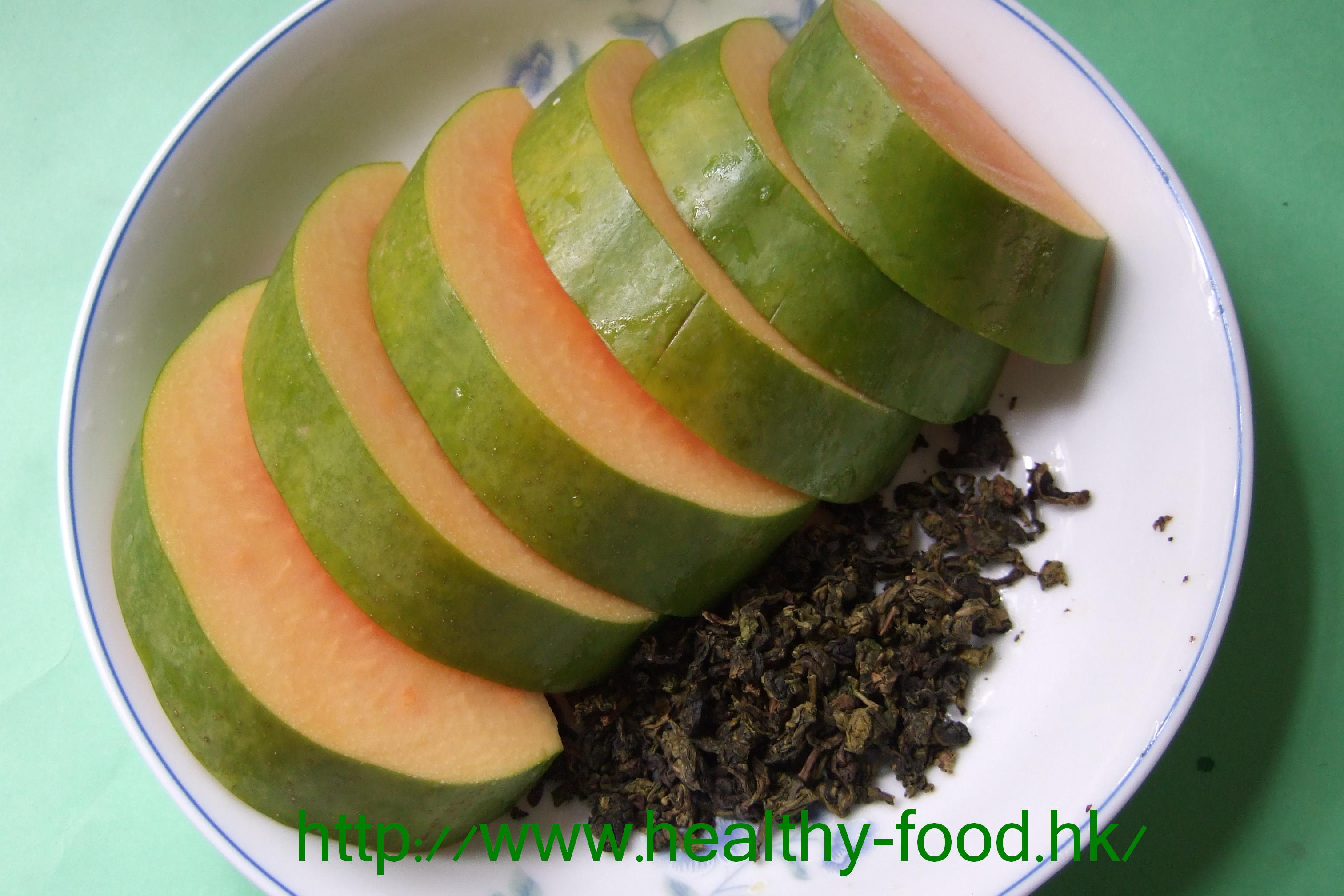
- Wash the green papaya thoroughly. Leave the skin on, remove the seeds, and cut into chunks.
- Place the papaya chunks, coconut water, and green tea leaves into a double-boiler pot (dun zhong / steamer insert).
- Fill the outer pot with water and steam on low heat for 1 hour.
- Serve warm. Drink the broth and eat the papaya pieces.
Nourilo’s Tips
The key to this recipe is the double-boiling method. Both green tea and papaya are sensitive to high heat — excessive temperatures destroy their polyphenols and papain enzymes, which are the very compounds that make this dish useful. Inside a double boiler, the temperature stays around 75 degrees Celsius, gently coaxing out the beneficial compounds without destroying them. This is why Nourilo insists on double-boiling rather than direct simmering. Remember: this stew is cooling in nature — people with cold or weak constitutions and pregnant women should avoid it. For best results, pair this food-therapy approach with meaningful dietary changes: reducing organ meats, shellfish, beer, and purine-rich mushrooms and legumes.
Safety first — read before you cook
This is a traditional food, not a treatment. Please check with your doctor or pharmacist before making it a regular part of your diet if you:
- are pregnant or breastfeeding, or are cooking for a young child;
- take regular medicines — especially blood thinners, blood-pressure, diabetes or immune-suppressing drugs;
- have a kidney, liver or heart condition, or a known food allergy.
Stop eating it and seek advice if you notice an allergic reaction or feel unwell. Safety notes reviewed 8 October 2026 · How we write safety notes

Comments
Join the conversation — sign in or create a free account to comment.
Continue with GoogleBy continuing with Google or email you confirm you are 16 or older and agree to our Terms of Use and Privacy Policy.
Loading comments…