Soups
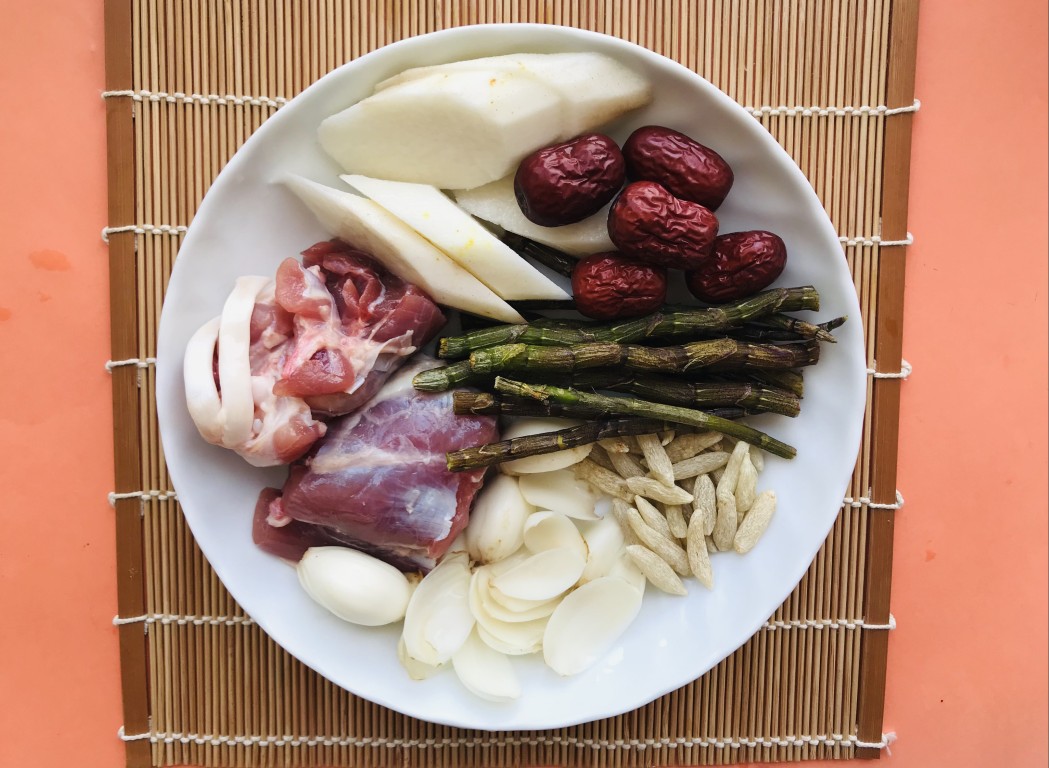
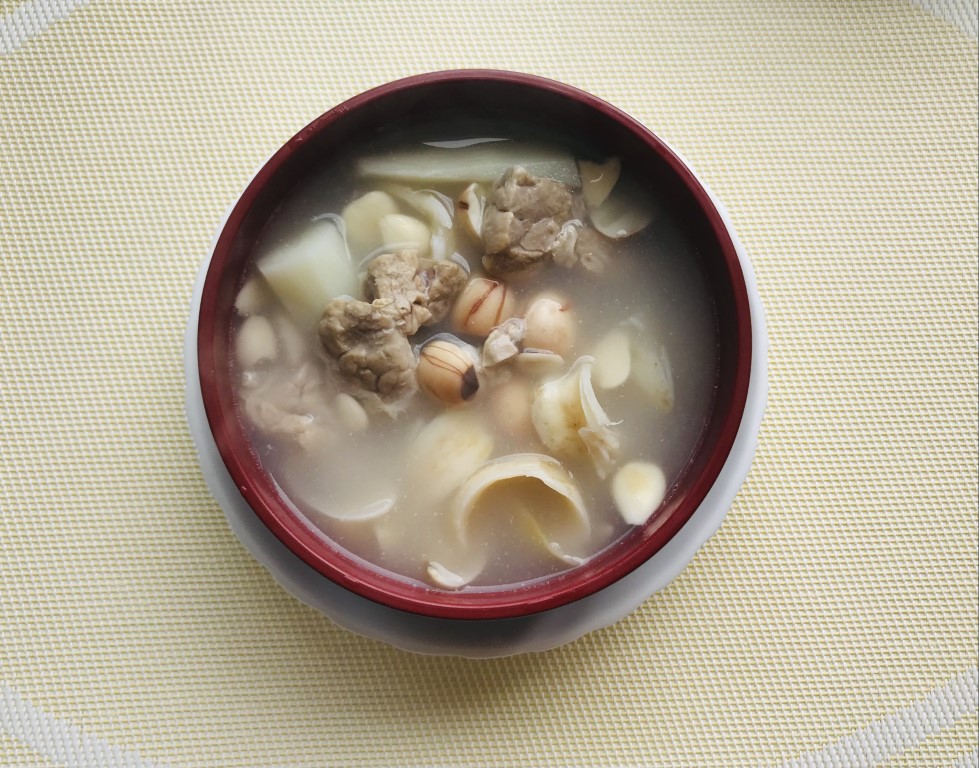
Fresh Lily Bulb and Pear Sweet Soup
traditionally used to moisten the lungs, ease a lingering cough, and calm restless sleep
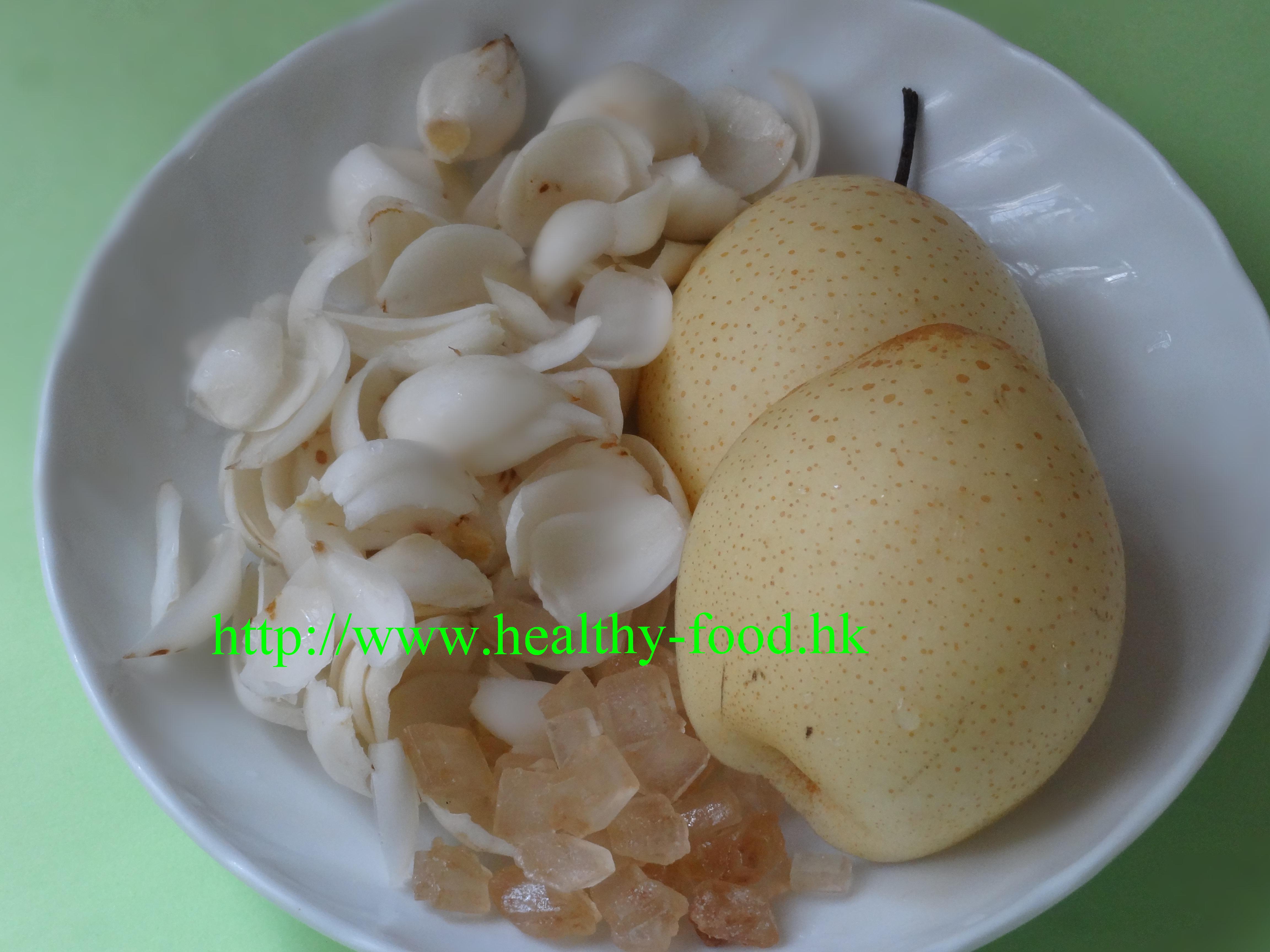
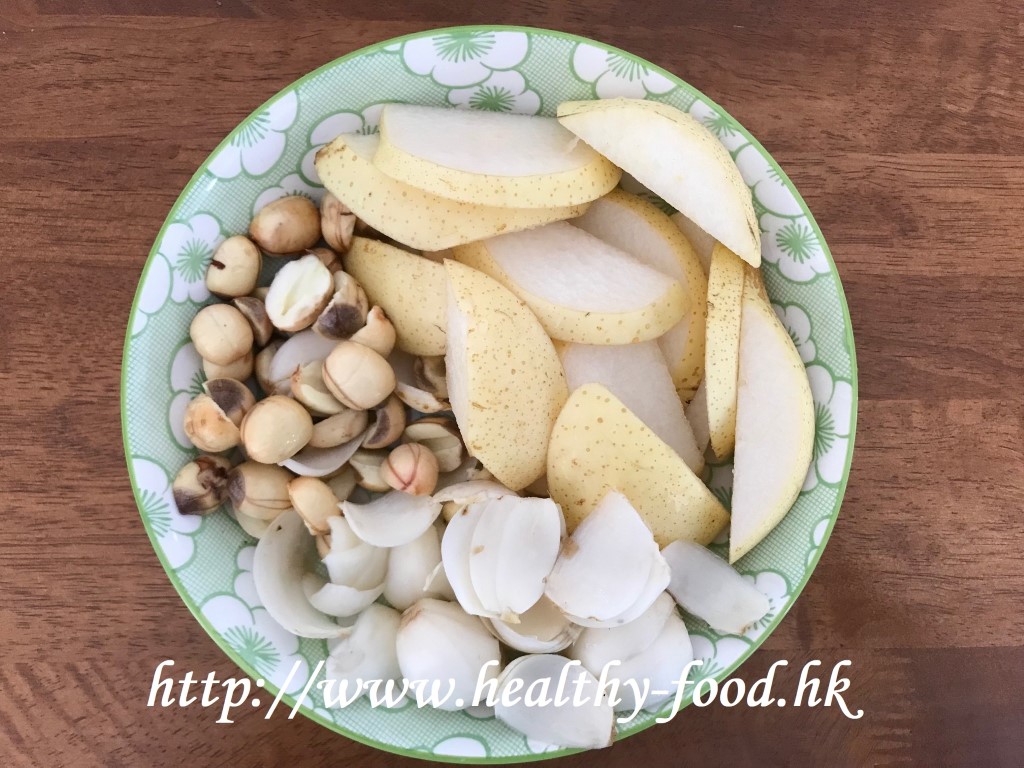
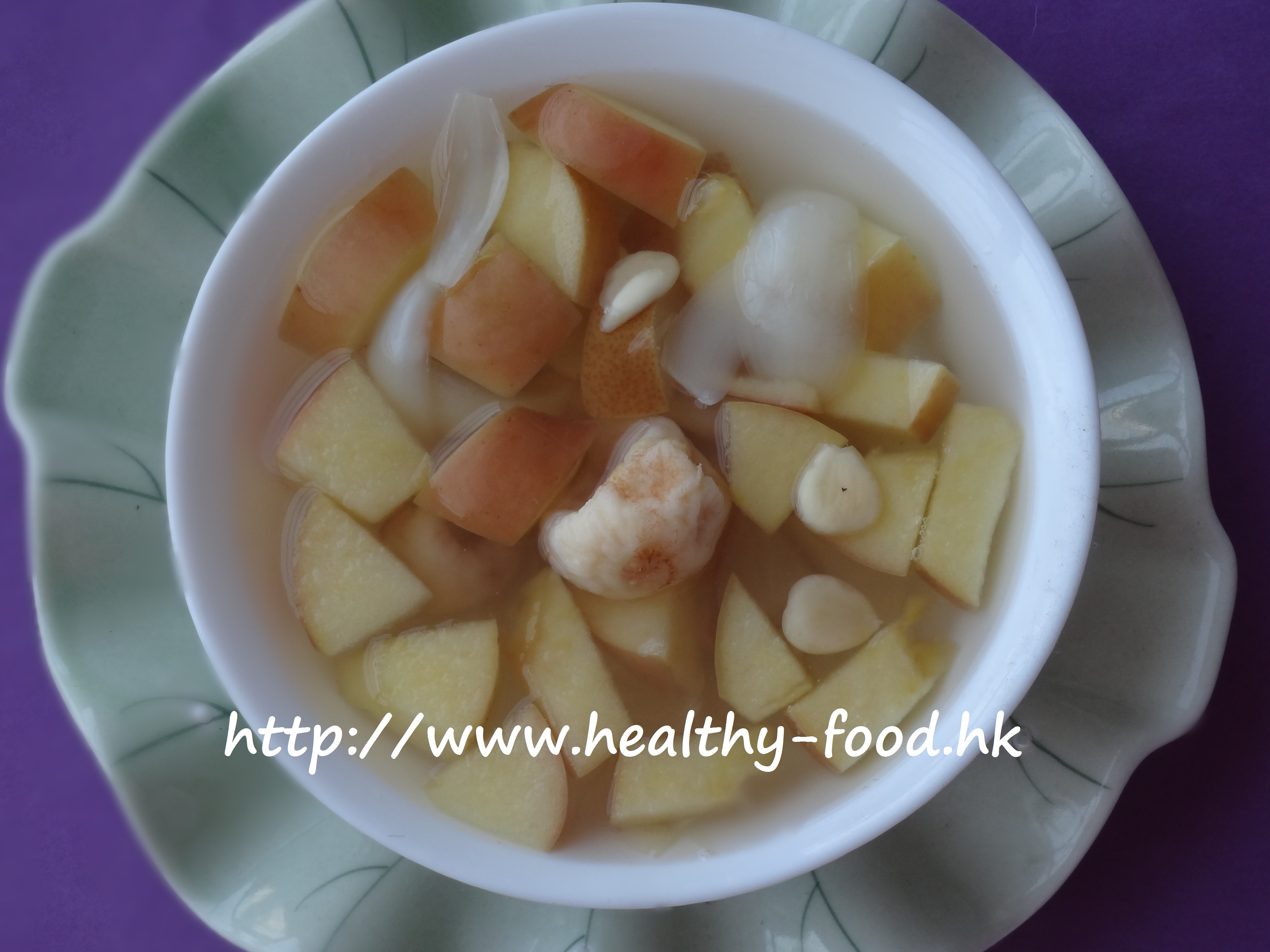
In short: Fresh Lily Bulb and Pear Sweet Soup is a soup that traditionally used to moisten the lungs, ease a lingering cough, and calm restless sleep. It is most often made for respiratory & lung wellness, sleep & calm. Total time about 40 min. Key ingredients: lily bulb, asian pear, rock sugar.
Why people make this soup
A cough that lingers for weeks after a cold is one of the most common complaints Nourilo hears. The infection may be long gone, but the lungs are left dried out, irritated, and prone to coughing at the slightest trigger. This is what traditional food therapy calls a “lung-heat” or “yin-deficient” cough — the kind that is dry, persistent, and worse at night or in warm conditions. Fresh lily bulb (xian bai he) is one of the most beloved food-herbs for this exact situation. Its taste is mild and slightly sweet, its nature gently cool, and its traditional action is to moisturize the lungs from within and calm the mind simultaneously. In traditional thought, the lungs and the emotions are closely linked — a troubled lung often comes with disturbed sleep, restlessness, and low-grade anxiety. Simmered together with snow pear and a little rock sugar, this sweet soup becomes a remedy that is both genuinely pleasant to eat and effective as a slow, restorative habit.
Safety first — read before you cook
This is a traditional food, not a treatment. Please check with your doctor or pharmacist before making it a regular part of your diet if you:
- are pregnant or breastfeeding, or are cooking for a young child;
- take regular medicines — especially blood thinners, blood-pressure, diabetes or immune-suppressing drugs;
- have a kidney, liver or heart condition, or a known food allergy.
Stop eating it and seek advice if you notice an allergic reaction or feel unwell. Safety notes reviewed 8 October 2026 · How we write safety notes
Members only
Unlock the full method & Nourilo's tips
One payment, lifetime access to every one of our 2,344 recipes — step-by-step methods, preparation tips and serving notes.
- Full step-by-step method for this and all 2,344 recipes
- Nourilo's Tips — sourcing, substitutions and serving notes
- One-time payment · card, Apple Pay or Google Pay · no subscription, no renewals
Checking your access…
$59.99 one-time · all recipes
Sign in or create a free account, then pay once by card, Apple Pay or Google Pay.
Continue with GoogleBy continuing with Google or email you confirm you are 16 or older and agree to our Terms of Use and Privacy Policy.
$59.99 one-time · all recipes
Signed in as ·
Secure checkout by Stripe. One-time payment, no renewals. Access is linked to your Nourilo account and never expires. By paying you agree to our Terms of Use; you can get a full refund within 14 days (refund policy).
Comments
Join the conversation — sign in or create a free account to comment.
Continue with GoogleBy continuing with Google or email you confirm you are 16 or older and agree to our Terms of Use and Privacy Policy.
Loading comments…