Congee & Porridge
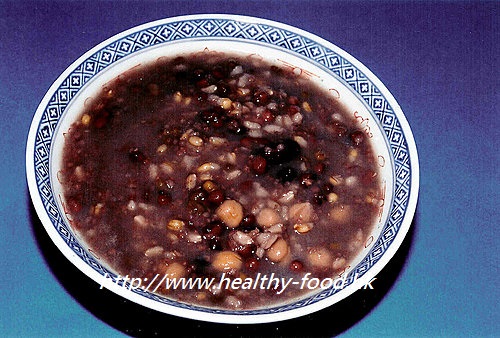
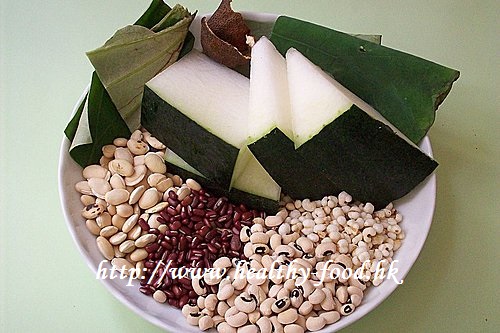
Five-Colour Bean Congee (Wu Se Dou Zhou)
traditionally associated with nourishing the five organ systems; a high-protein, low-fat congee
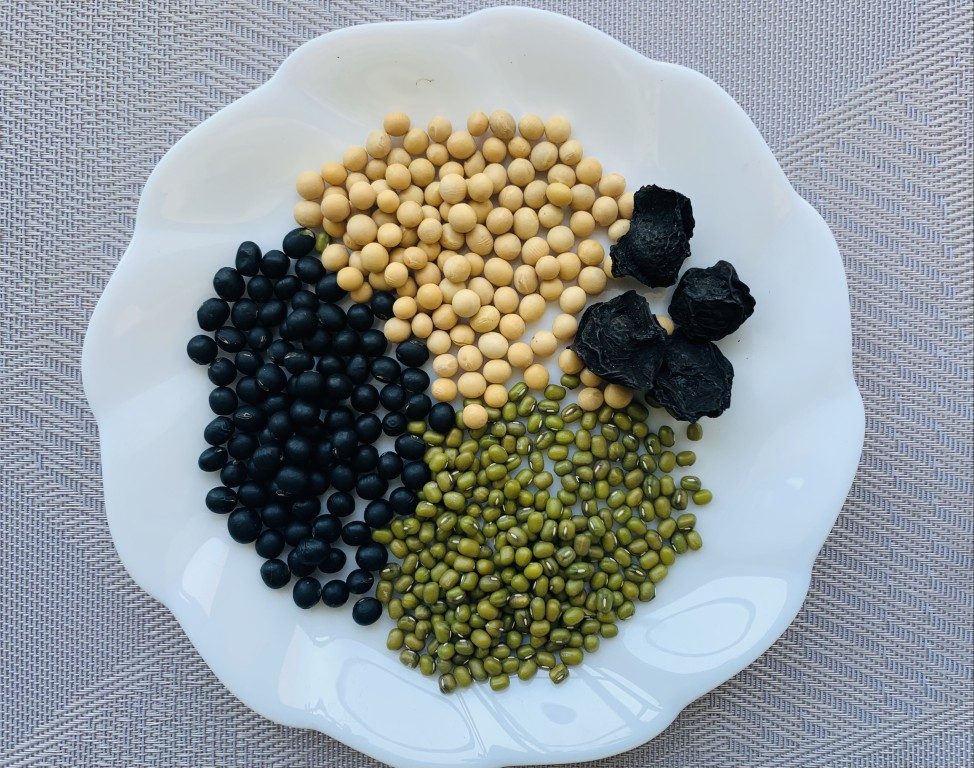
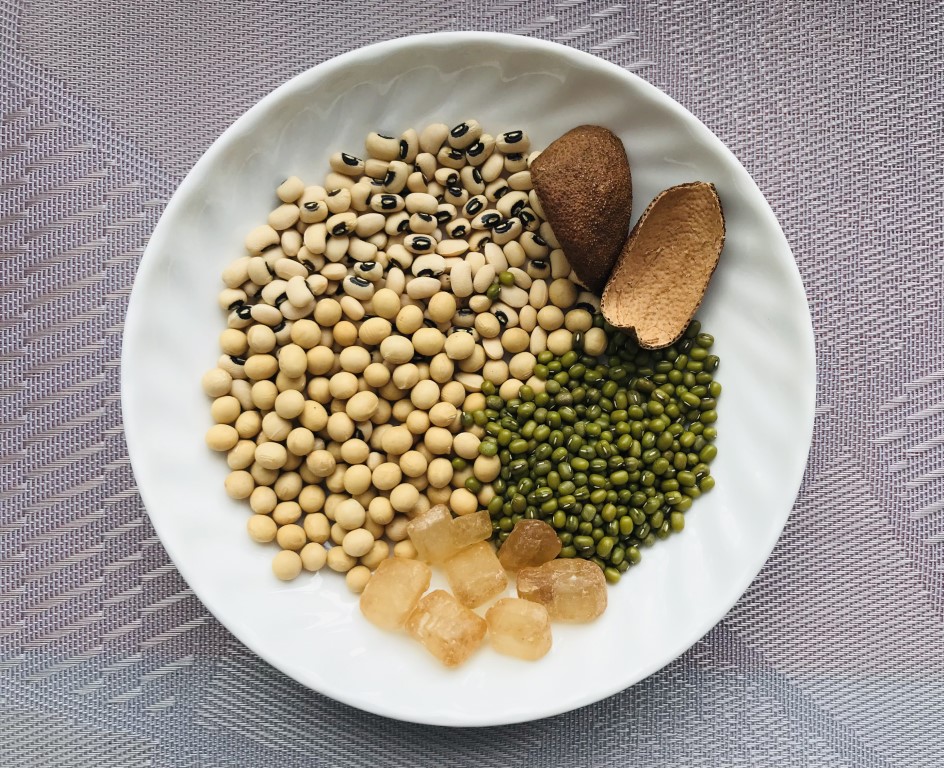
In short: Five-Colour Bean Congee (Wu Se Dou Zhou) is a congee & porridge that traditionally associated with nourishing the five organ systems; a high-protein, low-fat congee. It is most often made for everyday balance. Total time about 160 min. Key ingredients: red beans, mung beans, soybeans, black beans.
Why people make this congee
In classical Chinese medicine thinking, the body’s five major organ systems each correspond to a colour. Green nourishes the liver; red the heart; yellow the spleen; white the lungs; and black the kidneys. Rather than targeting just one organ, this congee uses five different-coloured beans to offer balanced nourishment across all five systems at once — an idea that resonates with modern nutritional science too, which encourages eating a wide variety of plant foods. Each bean type brings a slightly different protein, vitamin, and mineral profile, and together they complement the nutrients found in the accompanying grain.
Method
- Soak all five types of beans in cold water for at least 1 hour (or overnight for softer results). Drain.
- Place the drained beans in a clay or heavy pot together with the tangerine peel and glutinous rice.
- Add enough water to cover generously — approximately 2.4–3 L.
- Bring to a boil, then reduce heat and simmer for about 1.5 hours, stirring occasionally, until the beans are tender and the congee reaches a thick, creamy consistency.
- Stir in rock sugar to taste and serve warm.
Nourilo’s Tips
Always add a piece of dried tangerine peel when cooking beans — this is the key to preventing uncomfortable bloating. If you prefer a firmer texture, regular white rice or brown rice can replace the glutinous rice. Brown rice is actually more nutritious than white rice for this dish. Five-colour bean congee can also be made as a soup — simply add more water and a piece of lean pork or chicken for a savoury version. The whole family, including young children, can enjoy this dish.
What studies say about the key ingredients
Traditional use is not the same as clinical proof. Here is the strongest human research we found for each ingredient, limitations included.
- Adzuki beans
Adzuki bean meals had a low glycemic index (21–51 range reported with lotus seed), whereas other starchy foods did not differ significantly from rice. Adzuki bean hydrolysis index was lower than other test foods.Limitation: Only ten healthy participants and acute single-meal responses, so effects in people with diabetes or with regular intake are unknown.PubMed 30875961 · 1 more adzuki beans study - Mung beans
Breath hydrogen and methane were higher after wheat than after rice or mung bean noodles. Bloating scores after mung bean did not differ significantly from wheat, and mung bean produced gas levels similar to rice.Limitation: Small sample of 20 patients, with single meals tested rather than habitual intake, so longer-term effects of mung bean on symptoms are unknown.PubMed 31484315 · 1 more mung beans study - Black soybeans
Systolic blood pressure fell more in the black soy peptide group (-9.69 mm Hg) than in the placebo group (-2.91 mm Hg) after baseline adjustment. Plasma malondialdehyde decreased and superoxide dismutase activity increased compared with placebo.Limitation: Used an isolated peptide supplement rather than whole black soybeans, and followed participants for only 8 weeks, so the results may not apply to food intake.PubMed 23924691
From the Nourilo Research Library. Findings come from specific doses, extracts and populations and may not apply to a home-cooked recipe.
Safety first — read before you cook
This is a traditional food, not a treatment. Please check with your doctor or pharmacist before making it a regular part of your diet if you:
- are pregnant or breastfeeding, or are cooking for a young child;
- take regular medicines — especially blood thinners, blood-pressure, diabetes or immune-suppressing drugs;
- have a kidney, liver or heart condition, or a known food allergy.
Stop eating it and seek advice if you notice an allergic reaction or feel unwell. Safety notes reviewed 8 October 2026 · How we write safety notes
Comments
Join the conversation — sign in or create a free account to comment.
Continue with GoogleBy continuing with Google or email you confirm you are 16 or older and agree to our Terms of Use and Privacy Policy.
Loading comments…