Soups
Burdock Root and Five-Vegetable Soup
traditionally used to support the body's natural elimination, reduce fluid retention, and promote healthy lipid levels
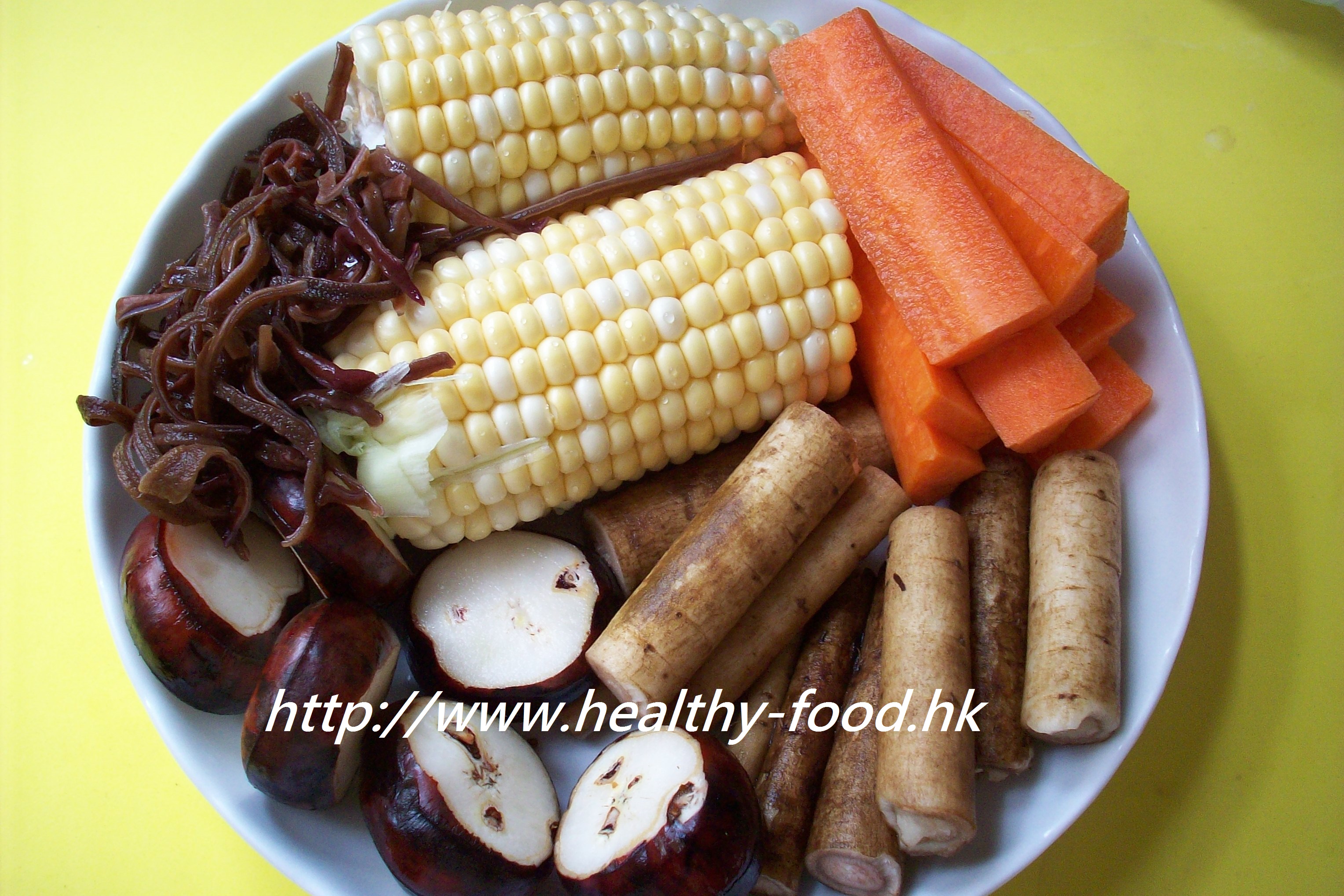
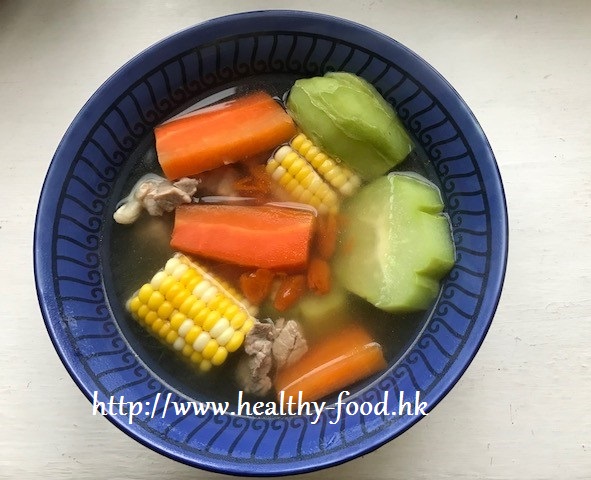
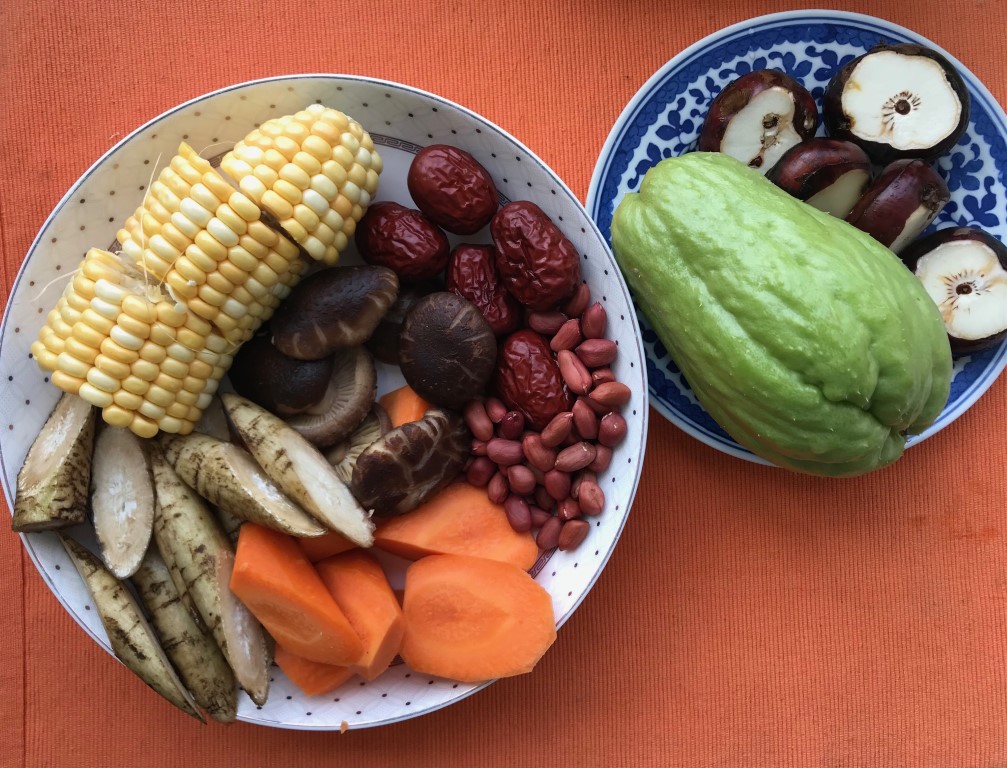
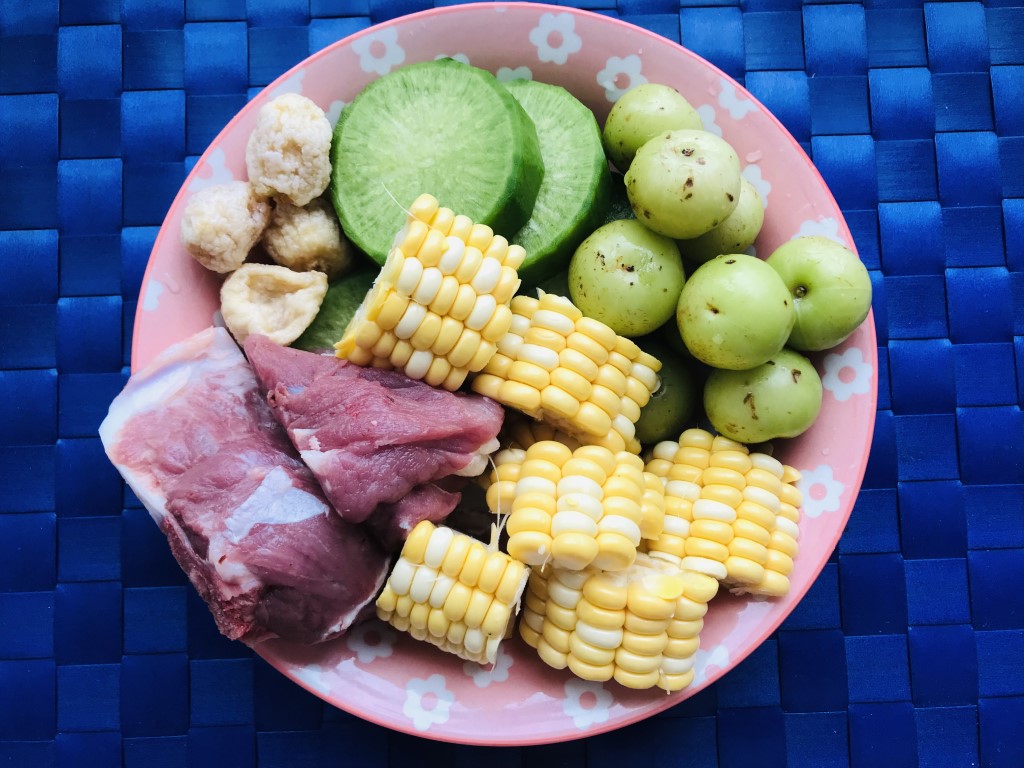
In short: Burdock Root and Five-Vegetable Soup is a soup that traditionally used to support the body's natural elimination, reduce fluid retention, and promote healthy lipid levels. It is most often made for respiratory & lung wellness, cleansing & regularity, weight & metabolism. Total time about 75 min. Key ingredients: burdock root, corn, water chestnuts, carrot.
Why people make this soup
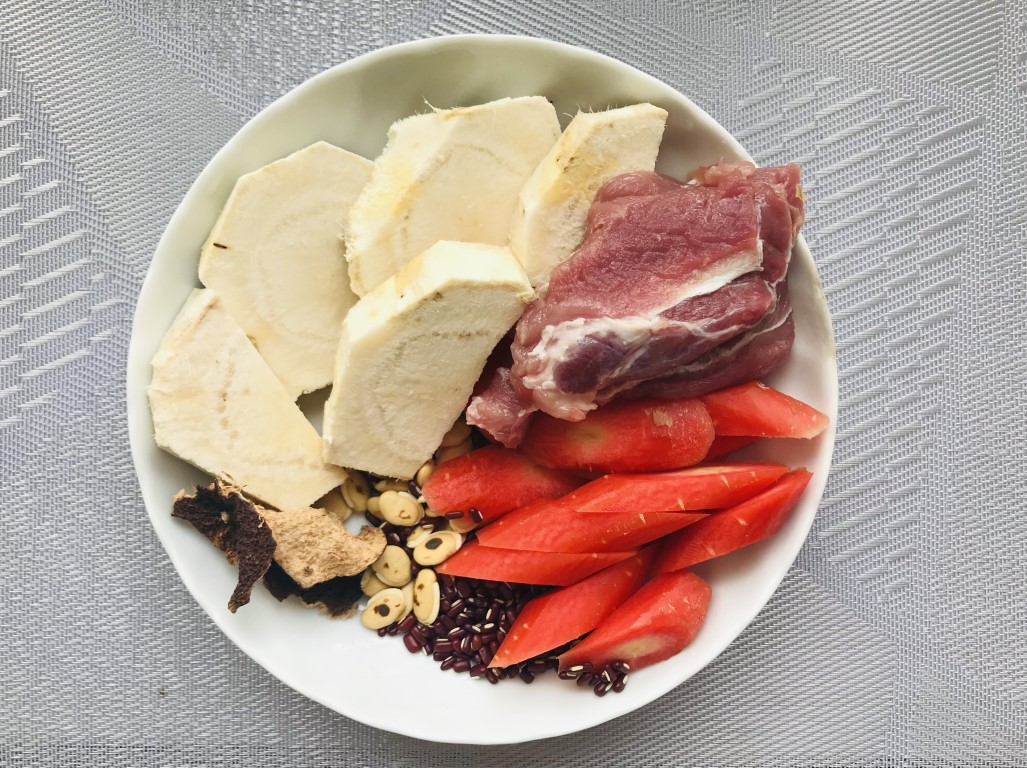
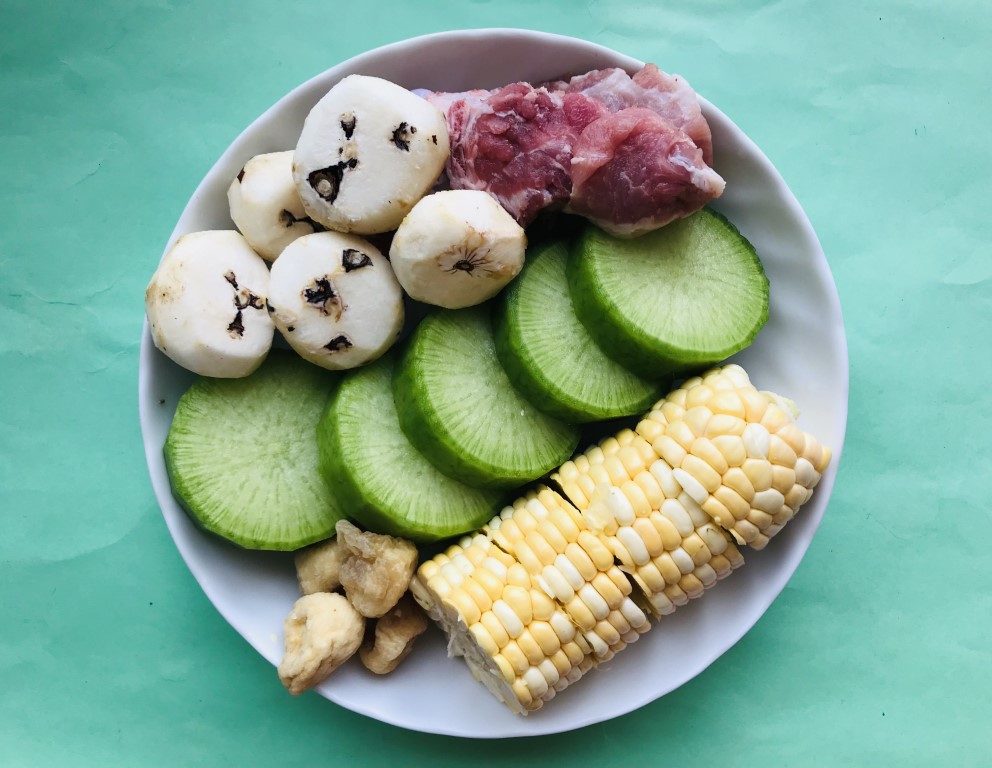
Burdock root has become one of the most talked-about vegetables in modern Cantonese health cooking, and with good reason. In Traditional Chinese Medicine, it is prized for clearing heat, dispersing toxins, and supporting the upper and middle zones of the body. It has a long association with cardiovascular health and is a food Nourilo particularly recommends for those who have experienced stroke or who are managing high blood pressure, high cholesterol, or diabetes. This particular soup bundles burdock with four other plant-based allies — corn, black wood ear, water chestnuts, and carrot — to create something that is genuinely easy to make, naturally sweet, and satisfying to eat, not just medicinal in intention.
What studies say about the key ingredients
Traditional use is not the same as clinical proof. Here is the strongest human research we found for each ingredient, limitations included.
- Burdock root
Compared with placebo, root powder was associated with higher superoxide dismutase and catalase, lower malondialdehyde and C-reactive protein, and smaller ovarian volumes. Hirsutism and menstrual frequency results are not reported in the abstract.Limitation: Small single-centre trial of 60 women, recruited by convenience sampling. The 460 mg/day dose is much smaller than typical food intake.PubMed 41757842 · 2 more burdock root studies
From the Nourilo Research Library. Findings come from specific doses, extracts and populations and may not apply to a home-cooked recipe.
Safety first — read before you cook
This is a traditional food, not a treatment. Please check with your doctor or pharmacist before making it a regular part of your diet if you:
- are pregnant or breastfeeding, or are cooking for a young child;
- take regular medicines — especially blood thinners, blood-pressure, diabetes or immune-suppressing drugs;
- have a kidney, liver or heart condition, or a known food allergy.
Stop eating it and seek advice if you notice an allergic reaction or feel unwell. Safety notes reviewed 8 October 2026 · How we write safety notes
Members only
Unlock the full method & Nourilo's tips
One payment, lifetime access to every one of our 2,344 recipes — step-by-step methods, preparation tips and serving notes.
- Full step-by-step method for this and all 2,344 recipes
- Nourilo's Tips — sourcing, substitutions and serving notes
- One-time payment · card, Apple Pay or Google Pay · no subscription, no renewals
Checking your access…
$59.99 one-time · all recipes
Sign in or create a free account, then pay once by card, Apple Pay or Google Pay.
Continue with GoogleBy continuing with Google or email you confirm you are 16 or older and agree to our Terms of Use and Privacy Policy.
$59.99 one-time · all recipes
Signed in as ·
Secure checkout by Stripe. One-time payment, no renewals. Access is linked to your Nourilo account and never expires. By paying you agree to our Terms of Use; you can get a full refund within 14 days (refund policy).
Comments
Join the conversation — sign in or create a free account to comment.
Continue with GoogleBy continuing with Google or email you confirm you are 16 or older and agree to our Terms of Use and Privacy Policy.
Loading comments…