Soups
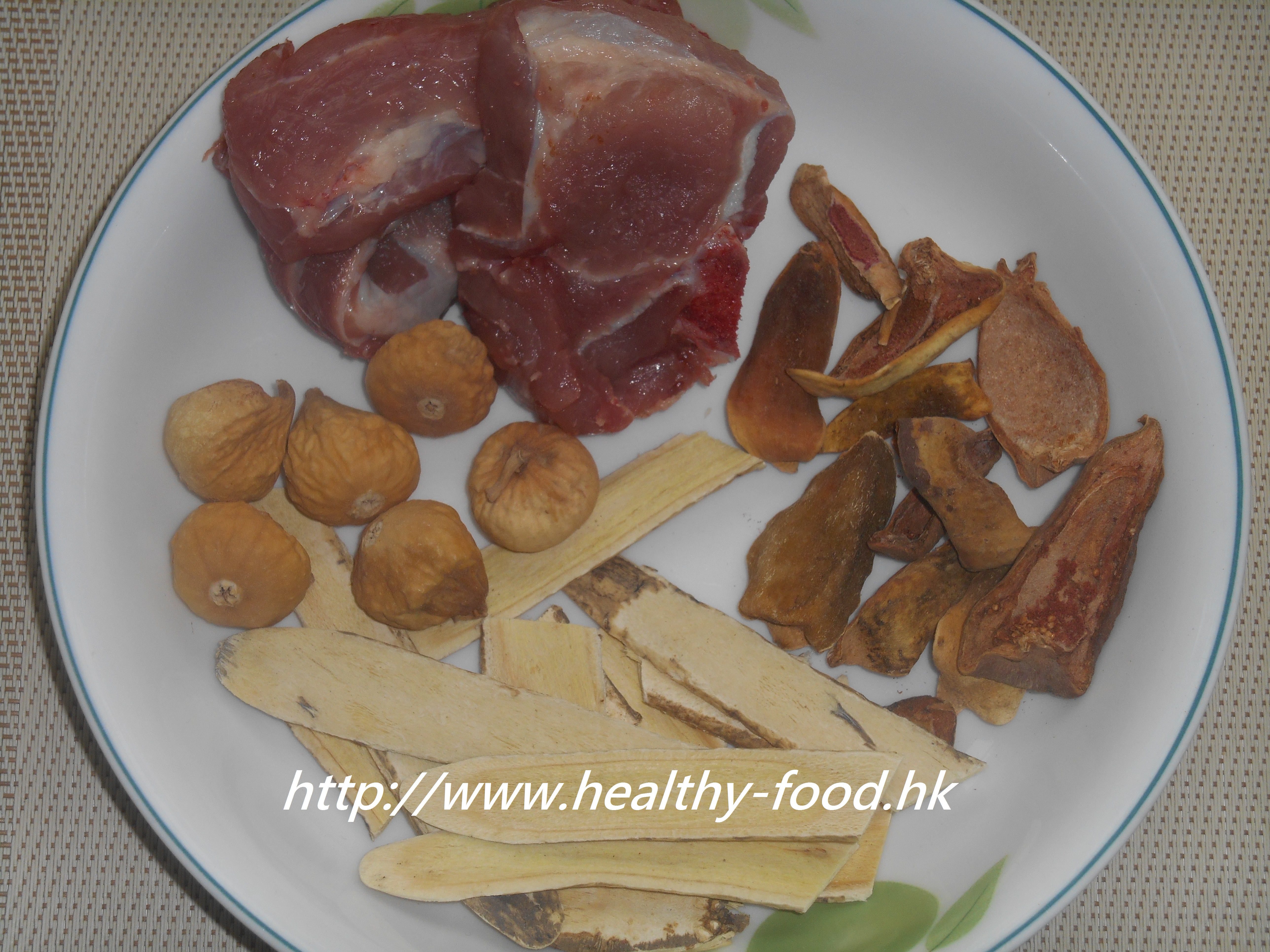
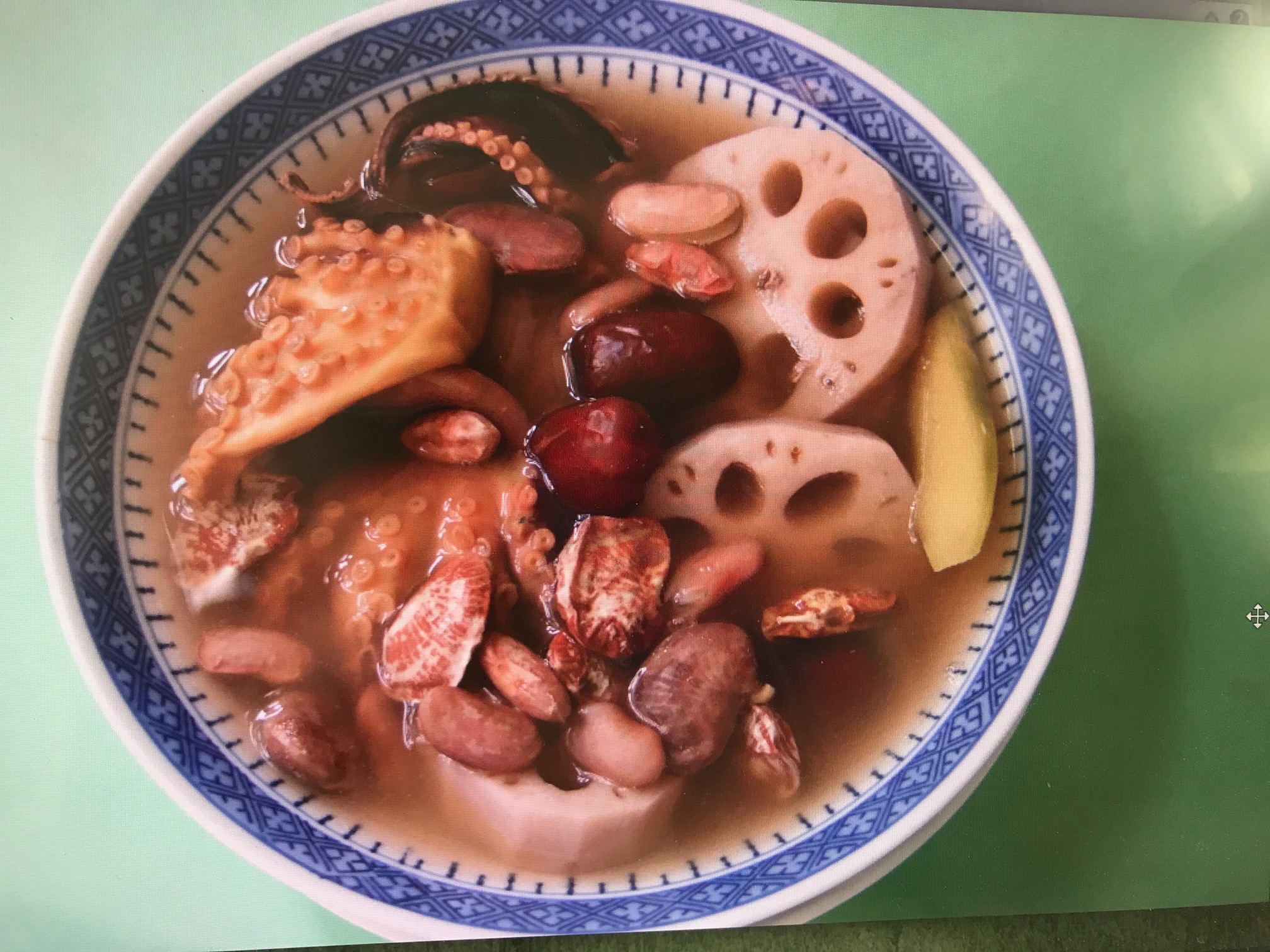
Astragalus and Wang Bu Liu Xing Pork Soup
Traditionally used to support milk production in nursing mothers
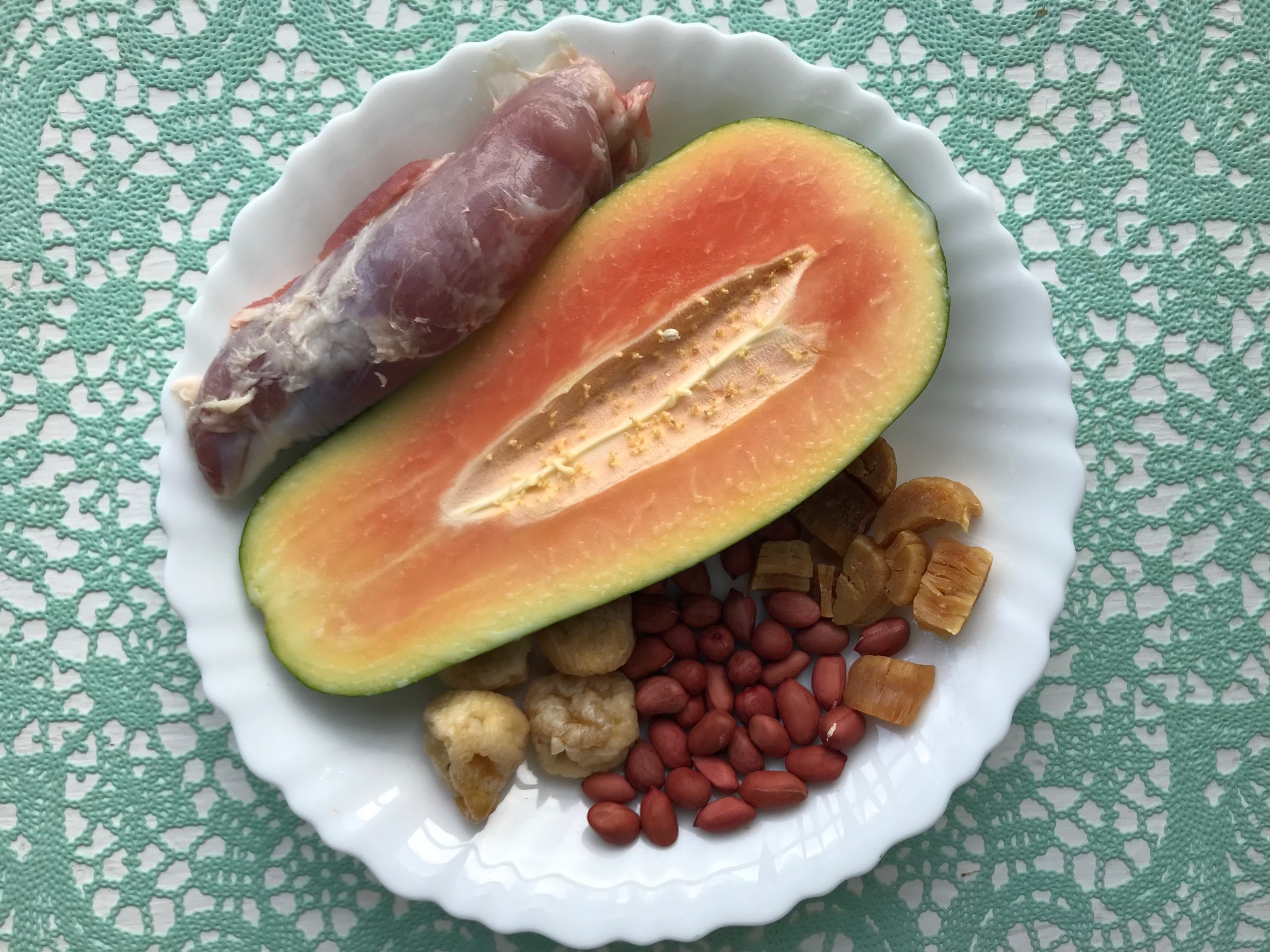
In short: Astragalus and Wang Bu Liu Xing Pork Soup is a soup that Traditionally used to support milk production in nursing mothers. It is most often made for women's wellness. Total time about 40 min. Key ingredients: astragalus root, figs, pork shank.
Why people make this soup
Many new mothers find that milk production takes a few days to establish. In traditional Chinese food therapy, the first days of nursing are especially valued: even small amounts of colostrum — that early, golden-tinged milk — are considered precious for a baby’s immunity and early gut health. When a mother feels her supply is slow to come in, particularly after a caesarean or a difficult birth that has left her feeling run-down, Cantonese grandmothers often reach for this warming, nourishing soup as gentle support.
Nourilo grew up seeing this kind of care passed down quietly in kitchens, and shares it here as a time-honored tradition worth knowing — alongside proper medical guidance.
What studies say about the key ingredients
Traditional use is not the same as clinical proof. Here is the strongest human research we found for each ingredient, limitations included.
- Astragalus root
TA-65 was associated with longer leukocyte telomeres compared with controls, but the meta-analysis found no significant improvement in frailty measures or inflammatory markers (CRP/IL-6). Mild gastrointestinal effects were reported.Limitation: Industry-funded trials reported larger effects than others, and the compound is a purified extract at doses not comparable to eating Astragalus root.PubMed 41286474 · 3 more astragalus root studies
From the Nourilo Research Library. Findings come from specific doses, extracts and populations and may not apply to a home-cooked recipe.
Safety first — read before you cook
This is a traditional food, not a treatment. Please check with your doctor or pharmacist before making it a regular part of your diet if you:
- are pregnant or breastfeeding, or are cooking for a young child;
- take regular medicines — especially blood thinners, blood-pressure, diabetes or immune-suppressing drugs;
- have a kidney, liver or heart condition, or a known food allergy.
Ingredient notes for this recipe
- Astragalus: May interact with medicines that suppress the immune system. A thorough safety evaluation has not been done, and little is known about its safety in pregnancy or breastfeeding. Source: NIH NCCIH — Astragalus
Stop eating it and seek advice if you notice an allergic reaction or feel unwell. Safety notes reviewed 8 October 2026 · How we write safety notes
Members only
Unlock the full method & Nourilo's tips
One payment, lifetime access to every one of our 2,344 recipes — step-by-step methods, preparation tips and serving notes.
- Full step-by-step method for this and all 2,344 recipes
- Nourilo's Tips — sourcing, substitutions and serving notes
- One-time payment · card, Apple Pay or Google Pay · no subscription, no renewals
Checking your access…
$59.99 one-time · all recipes
Sign in or create a free account, then pay once by card, Apple Pay or Google Pay.
Continue with GoogleBy continuing with Google or email you confirm you are 16 or older and agree to our Terms of Use and Privacy Policy.
$59.99 one-time · all recipes
Signed in as ·
Secure checkout by Stripe. One-time payment, no renewals. Access is linked to your Nourilo account and never expires. By paying you agree to our Terms of Use; you can get a full refund within 14 days (refund policy).
Comments
Join the conversation — sign in or create a free account to comment.
Continue with GoogleBy continuing with Google or email you confirm you are 16 or older and agree to our Terms of Use and Privacy Policy.
Loading comments…