Herbal & Flower Teas
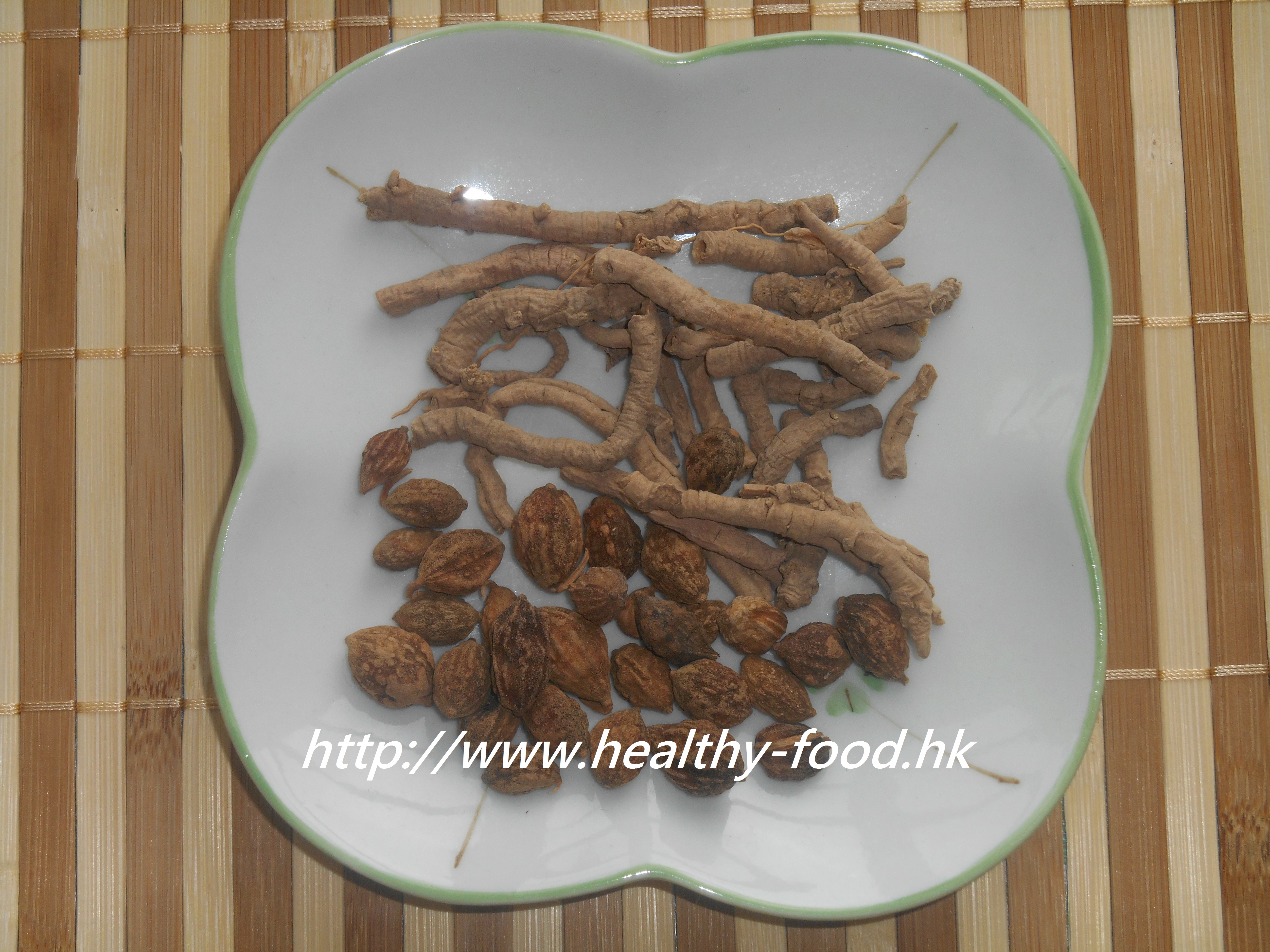
Yi Zhi Ren and Yuan Zhi Herbal Tea
traditionally used to support cognitive function, calm the mind, strengthen the kidneys, and reduce nighttime urination
In short: Yi Zhi Ren and Yuan Zhi Herbal Tea is a herbal & flower tea that traditionally used to support cognitive function, calm the mind, strengthen the kidneys, and reduce nighttime urination. It is most often made for children's wellness, kidney & urinary wellness, sleep & calm. Total time about 20 min.
Why people make this tea
Nourilo recalls that when he was studying Chinese herbal medicine, the sheer number of names and synonyms for each herb made memory itself a challenge — and it was partly through drinking preparations like this one that he kept his mind sharp through those years of study. Today he recommends this simple two-herb tea most often to older adults noticing the early signs of age-related cognitive change, and to students who want to support concentration during exam periods.
Yi zhi ren (alpinia fruit) and yuan zhi (polygala root) are a classic pairing in Chinese medicine. Together they are traditionally understood to support the communication between the heart and kidney systems — which in Chinese medical thinking governs memory, sleep quality, and mental stability. The tea has a distinct, aromatic quality that some find pleasant and others find strong; adding longan flesh softens the flavour considerably.
Safety first — read before you cook
This is a traditional food, not a treatment. Please check with your doctor or pharmacist before making it a regular part of your diet if you:
- are pregnant or breastfeeding, or are cooking for a young child;
- take regular medicines — especially blood thinners, blood-pressure, diabetes or immune-suppressing drugs;
- have a kidney, liver or heart condition, or a known food allergy.
Stop eating it and seek advice if you notice an allergic reaction or feel unwell. Safety notes reviewed 8 October 2026 · How we write safety notes
Members only
Unlock the full method & Nourilo's tips
One payment, lifetime access to every one of our 2,344 recipes — step-by-step methods, preparation tips and serving notes.
- Full step-by-step method for this and all 2,344 recipes
- Nourilo's Tips — sourcing, substitutions and serving notes
- One-time payment · card, Apple Pay or Google Pay · no subscription, no renewals
Checking your access…
$59.99 one-time · all recipes
Sign in or create a free account, then pay once by card, Apple Pay or Google Pay.
Continue with GoogleBy continuing with Google or email you confirm you are 16 or older and agree to our Terms of Use and Privacy Policy.
$59.99 one-time · all recipes
Signed in as ·
Secure checkout by Stripe. One-time payment, no renewals. Access is linked to your Nourilo account and never expires. By paying you agree to our Terms of Use; you can get a full refund within 14 days (refund policy).

Comments
Join the conversation — sign in or create a free account to comment.
Continue with GoogleBy continuing with Google or email you confirm you are 16 or older and agree to our Terms of Use and Privacy Policy.
Loading comments…