Food-therapy guide
What soup to eat when recovering from a cold or flu?
Short answer
When recovering from a cold or flu, choose a light soup that matches how you feel now rather than how the illness began. Tiger Milk Mushroom, Chayote and Partridge Soup is traditionally used after the cold has cleared to moisten the lungs, while Scallion Fermented-Bean Tofu Soup suits lingering wind-cold signs. If headache with chills and nasal congestion remains, Chuanxiong, Baizhi and Egg Soup is another traditional option.
In Cantonese food therapy, recovery is not treated as one fixed stage. Some people still have wind-cold signs such as chills, a clear runny nose, stuffiness or a cold-type headache; others are past the active cold but are left with respiratory weakness or lingering discomfort. The food or drink is chosen according to that current pattern.
The recipes below range from gentle warming soups for lingering wind-cold signs to a lung-moistening soup traditionally taken once the cold itself has cleared. There are also quick teas when you want something lighter or have little appetite.
7 recipes compared
| Recipe | Type | Key ingredients | Best for | Time |
|---|---|---|---|---|
| Tiger Milk Mushroom, Chayote and Partridge Soup | Soups | Tiger milk mushroom, Chayote, North and south almonds | After the cold has cleared | 2 hr 20 min |
| Scallion Fermented-Bean Tofu Soup (cong chi dou fu tang) | Soups | Tofu, Fermented black soybeans, unsalted, Scallion whites | Lingering mild wind-cold signs | 35 min |
| Chuanxiong, Baizhi and Egg Soup | Soups | Chuanxiong, Baizhi, Egg | Cold-type headache with chills | 50 min |
| Astragalus, Scallion and Douchi Soup | Soups | Astragalus root, Scallion whites, Fermented black beans | Delicate children with wind-cold signs | 35 min |
| Ginger and Garlic Soup | Soups | Fresh ginger, Purple-skinned single-clove garlic, Brown / red sugar | Chilly recovery with poor appetite | 20 min |
| Reed Root and Perilla Leaf Tea | Herbal & Flower Teas | Reed rhizome, Perilla leaf, Rock sugar | Children needing a light warm drink | 20 min |
| Honeysuckle, Fresh Hawthorn and Honey Tea | Herbal & Flower Teas | Fresh hawthorn berries, Honeysuckle flower, Raw honey | Remaining heat and sore throat | 15 min |
The recipes, and why each one fits
-
 Soups
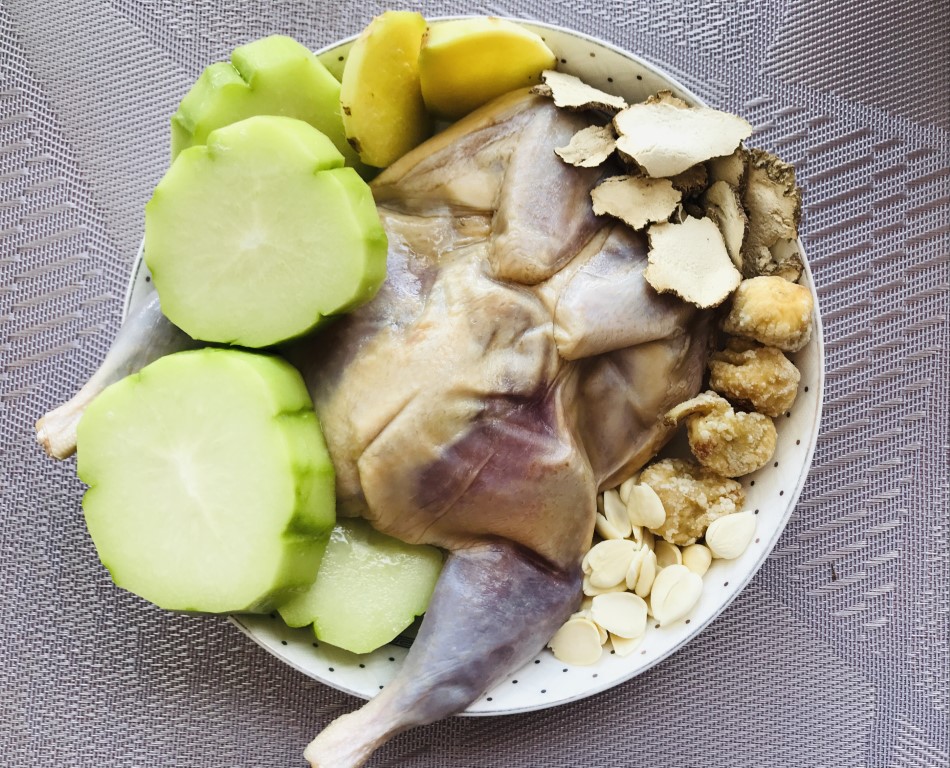
SoupsTiger Milk Mushroom, Chayote and Partridge Soup
Tiger Milk Mushroom, Chayote and Partridge Soup
Best for: After the cold has cleared
Tiger milk mushroom, chayote, almonds and figs make this a clear soup traditionally associated with lung moisture and supporting the body's defences. It is specifically not suited to someone whose cold has not yet cleared.
Traditionally moistens the lungs and supports the body in flu season
-
 Soups
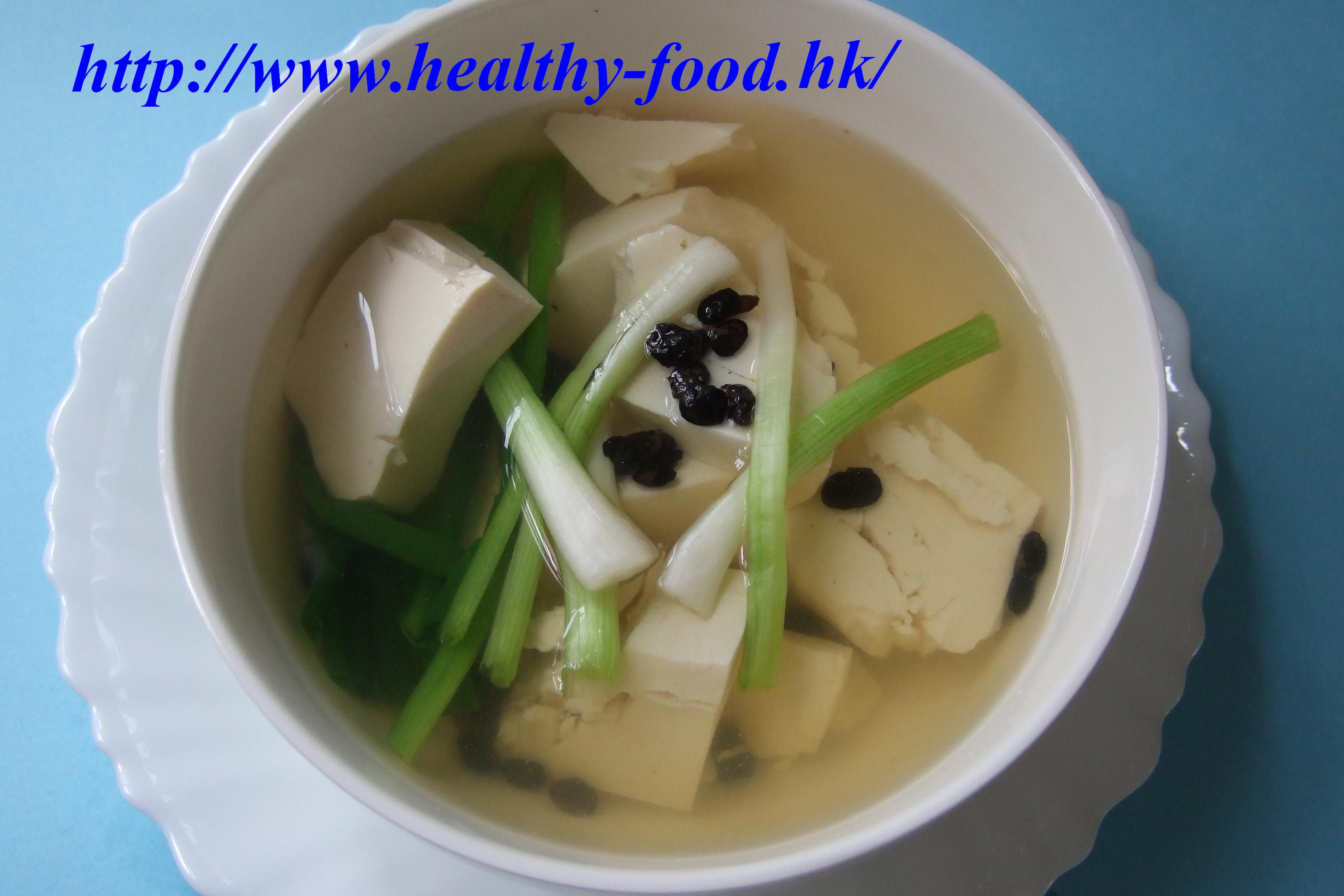
SoupsScallion Fermented-Bean Tofu Soup (cong chi dou fu tang)
Scallion Fermented-Bean Tofu Soup (cong chi dou fu tang)
Best for: Lingering mild wind-cold signs
Scallion whites and fermented black soybeans are traditionally used to disperse wind-cold, while tofu provides an easy-to-digest source of nourishment. The soup suits both adults and children.
Traditionally disperses wind-cold at the first chill
-
 Soups
SoupsChuanxiong, Baizhi and Egg Soup
Chuanxiong, Baizhi and Egg Soup
Best for: Cold-type headache with chills
Chuanxiong and baizhi are warming, aromatic herbs traditionally used when headache accompanies chills, stuffiness or a clear runny nose. Egg is included to soften their drying nature.
Traditionally used to dispel wind-cold and ease headache
-
 Soups
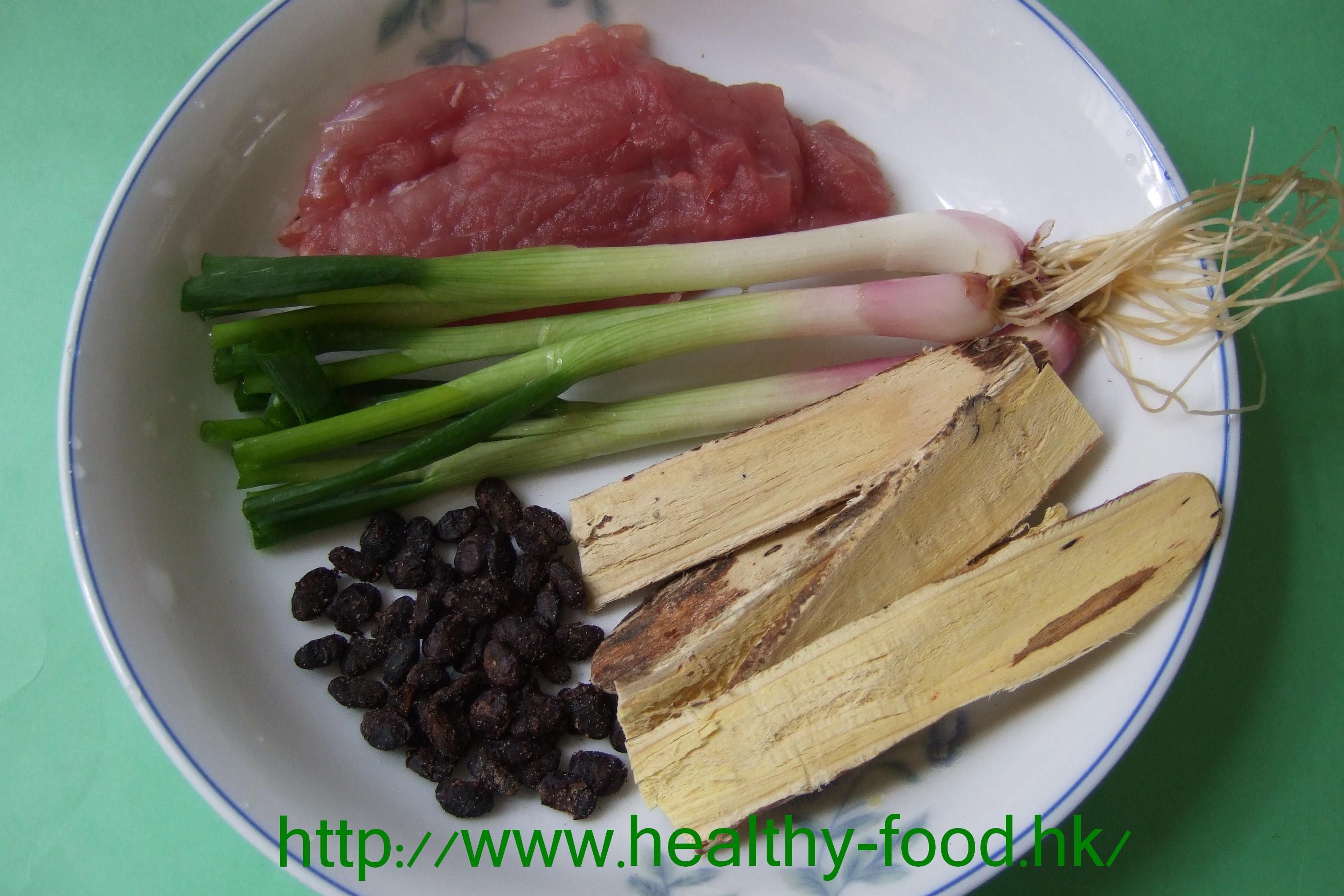
SoupsAstragalus, Scallion and Douchi Soup
Astragalus, Scallion and Douchi Soup
Best for: Delicate children with wind-cold signs
Astragalus, scallion whites and fermented black beans make a gentle soup traditionally associated with supporting a child's defences and addressing an early wind-cold chill.
Traditionally used to support a child's defenses against wind-cold colds
-
 Soups
SoupsGinger and Garlic Soup
Ginger and Garlic Soup
Best for: Chilly recovery with poor appetite
Fresh ginger and garlic make a simple warming brew traditionally used to dispel cold and warm the stomach during flu season. It takes about 20 minutes, making it a practical option when a longer soup feels like too much work.
Traditionally used to dispel cold and warm the stomach during flu season
-
 Herbal & Flower Teas
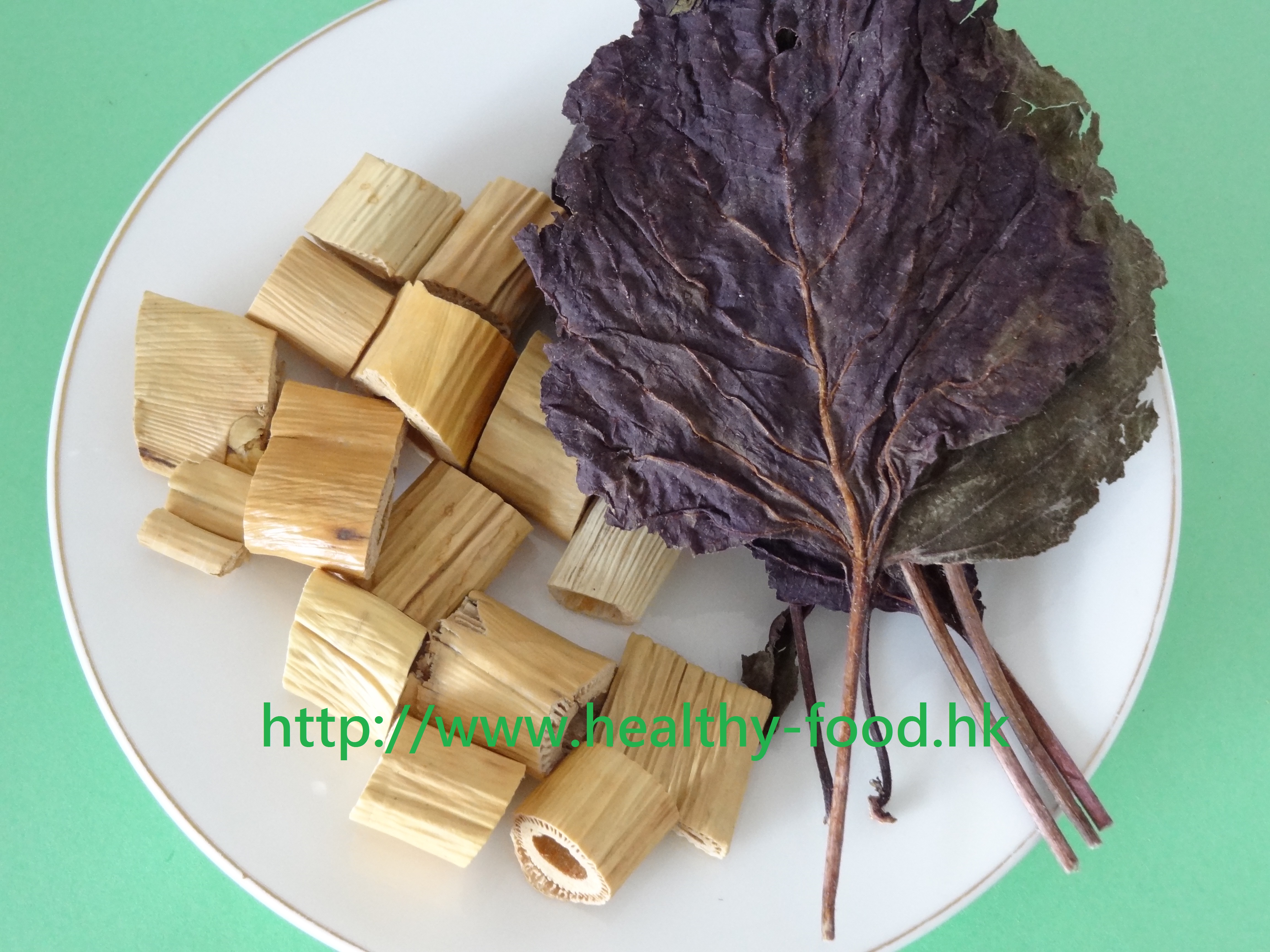
Reed Root and Perilla Leaf Tea
Reed Root and Perilla Leaf Tea
Best for: Children needing a light warm drink
Reed rhizome and perilla leaf form a mild tea traditionally used during cold and flu season. It is suitable for children and adults and is described as safe for pregnant women.
traditionally used to support the immune system, often made during cold season, especially for children
-
 Herbal & Flower Teas
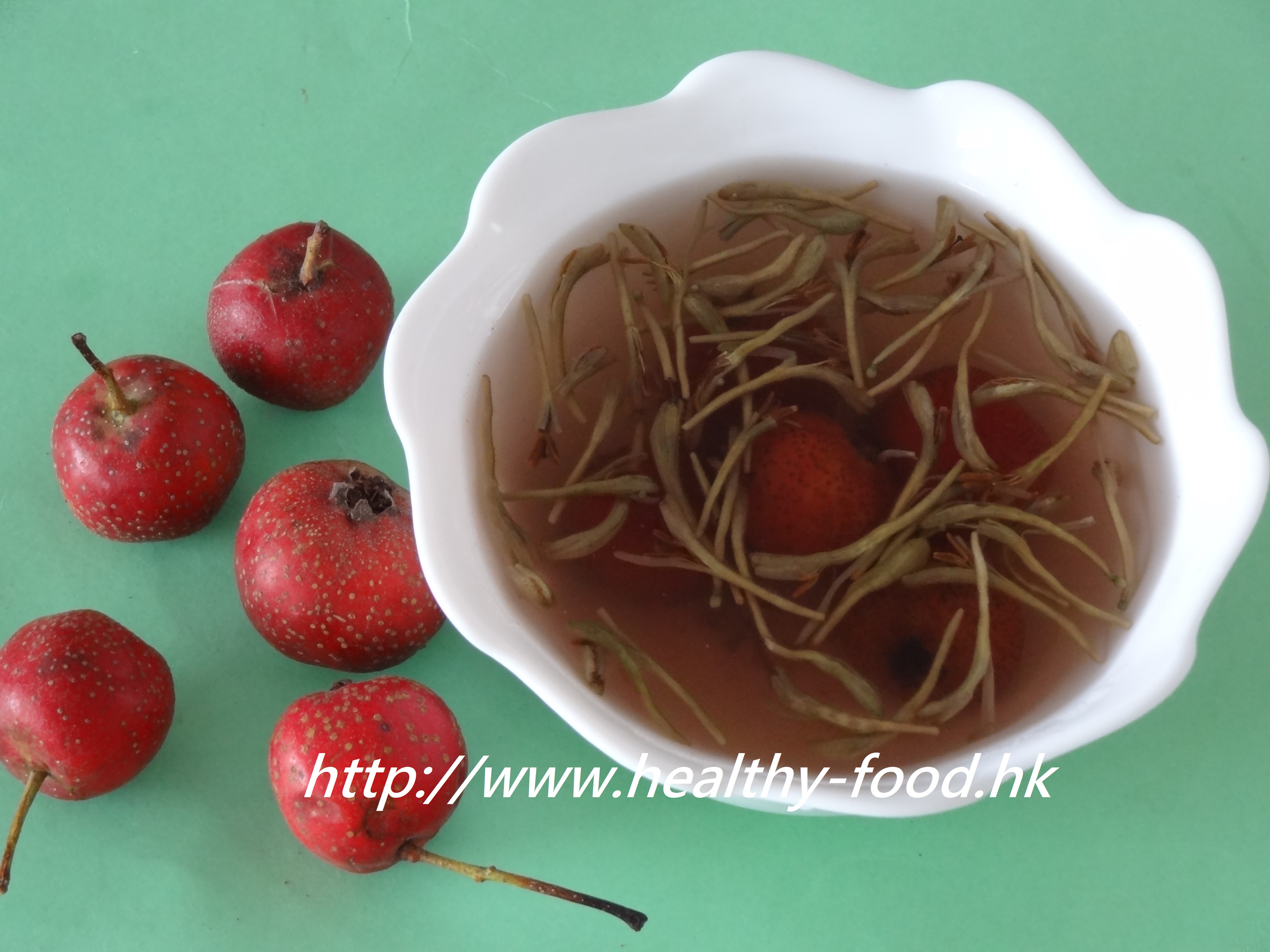
Honeysuckle, Fresh Hawthorn and Honey Tea
Honeysuckle, Fresh Hawthorn and Honey Tea
Best for: Remaining heat and sore throat
Honeysuckle and fresh hawthorn make a cooling tea traditionally suited to wind-heat signs such as fever, sore throat, dry nose or mouth and dark urine. It is not appropriate for a wind-cold pattern with chills and a clear runny nose.
Traditionally used to clear heat, relieve cold symptoms, and ease digestive sluggishness
How to choose
- If the active cold has cleared and you want a more substantial, lung-moistening soup, choose Tiger Milk Mushroom, Chayote and Partridge Soup.
- If you still feel chilly with a clear runny or stuffy nose, choose a warming option such as Scallion Fermented-Bean Tofu Soup or Ginger and Garlic Soup.
- If headache is the main lingering problem and it comes with chills or nasal symptoms, Chuanxiong, Baizhi and Egg Soup is the more specific traditional choice.
- For children, consider Scallion Fermented-Bean Tofu Soup, Astragalus, Scallion and Douchi Soup, or the lighter Reed Root and Perilla Leaf Tea.
- If you feel hot rather than chilled, with a sore or dry throat, Honeysuckle, Fresh Hawthorn and Honey Tea better matches that traditional wind-heat pattern.
When to be cautious
- Do not use Tiger Milk Mushroom, Chayote and Partridge Soup while the cold itself has not yet cleared.
- Avoid Honeysuckle, Fresh Hawthorn and Honey Tea when symptoms are predominantly wind-cold, such as chills and a clear runny nose.
- Chuanxiong, Baizhi and Egg Soup is not suitable for headaches accompanied by dizziness, irritability, heat in the palms and soles, and dry eyes and throat; during a period, the original recipe also calls for keeping chuanxiong to about 8 g.
- Food-therapy soups and teas are supportive traditions rather than treatments for cold or flu. See a doctor if symptoms persist.
Common questions
What is the best soup once the worst of the cold has passed?
Tiger Milk Mushroom, Chayote and Partridge Soup is the clearest fit from this collection once the cold itself has cleared. Tiger milk mushroom is traditionally associated with respiratory and immune support, while almonds and figs are traditionally used to moisten the lungs. The recipe specifically cautions against drinking it before the cold has cleared.
What should I choose if I still have chills and a runny nose?
A warming recipe better matches that traditional wind-cold pattern. Scallion Fermented-Bean Tofu Soup uses scallion whites and fermented black soybeans and suits adults and children. Ginger and Garlic Soup is another simple warming choice. If headache is prominent alongside chills, stuffiness or a clear runny nose, consider Chuanxiong, Baizhi and Egg Soup.
What if I have a sore throat and feel hot rather than cold?
Honeysuckle, Fresh Hawthorn and Honey Tea is traditionally suited to a wind-heat pattern characterised by fever, sore or dry throat, dry nose and mouth, poor appetite and dark urine. It is cooling rather than warming, so it should not be chosen when chills and a clear runny nose suggest a wind-cold pattern.
Which option is suitable for children recovering from a cold?
Scallion Fermented-Bean Tofu Soup suits both adults and children, with easy-to-digest tofu providing nourishment when digestion is weaker. Reed Root and Perilla Leaf Tea is another gentle option traditionally used for children during cold season. Astragalus, Scallion and Douchi Soup is traditionally given to delicate children when wind-cold signs are present.
Guides are compiled from Nourilo's recipe library and describe traditional use. Read how we write and check our content and who is behind Nourilo.