Congee & Porridge
Dried Oyster Congee (Hao Chi Zhou)
Traditionally used to nourish yin, calm the mind, support the blood and lower internal heat
In short: Dried Oyster Congee (Hao Chi Zhou) is a congee & porridge that Traditionally used to nourish yin, calm the mind, support the blood and lower internal heat. It is most often made for women's wellness, heart & circulation, sleep & calm. Total time about 1 hr 5 min. Key ingredients: oysters, white rice, ginger, spring onion.

Why people make this congee
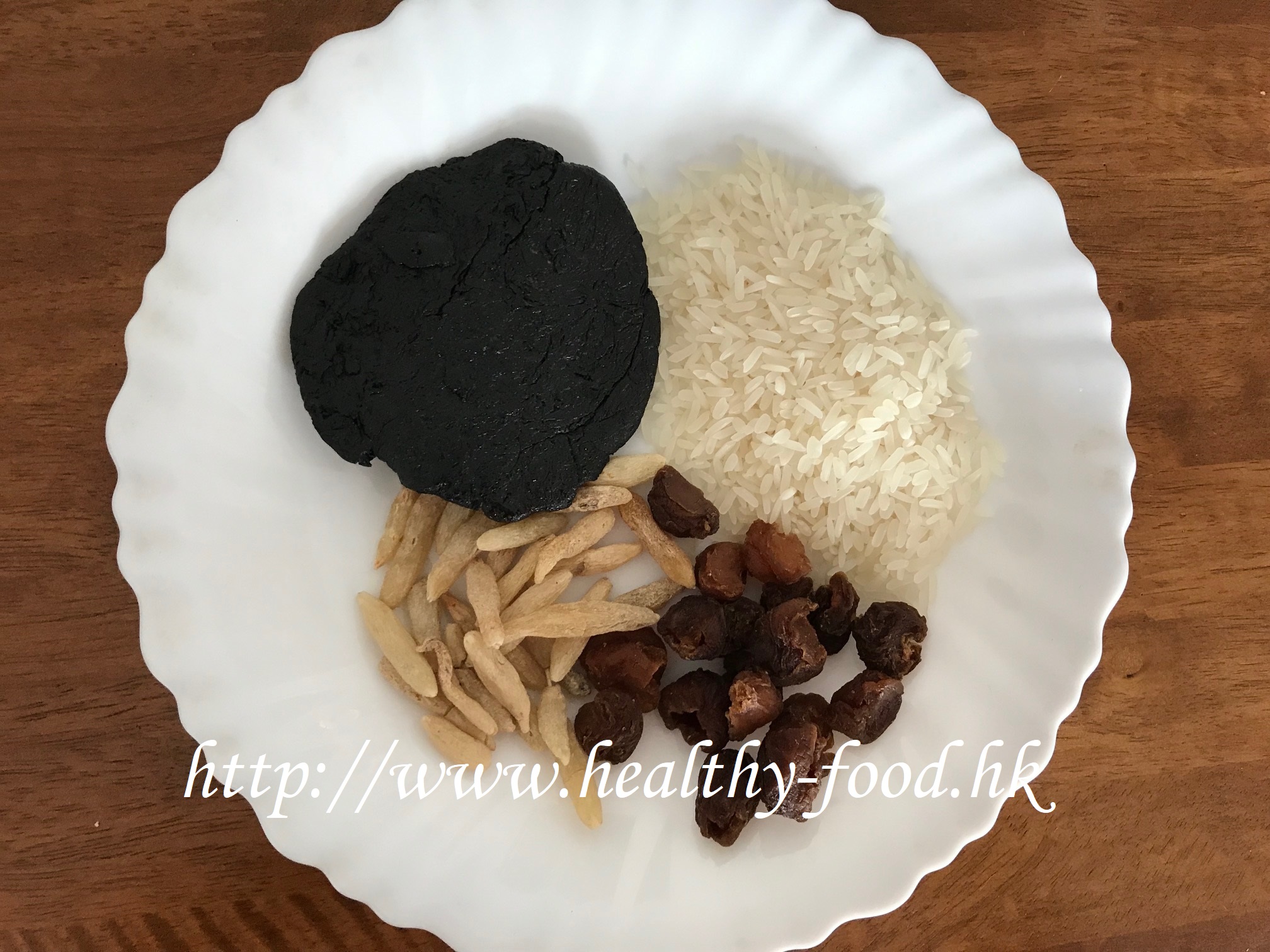
Oysters are at their plumpest and most flavourful in winter, and dried oysters — hao chi — concentrate all of that richness into a shelf-stable ingredient used throughout Cantonese cooking. From a nutritional standpoint, dried oysters are genuinely impressive: they contain high-quality protein with multiple amino acids, they are one of the few foods with meaningful quantities of vitamin B12 (which, together with cobalt, is involved in healthy red blood cell formation), and they contain taurine — a compound associated with liver and bile health. In Chinese food therapy, they are specifically valued for their ability to “nourish yin and reduce internal heat” — making this congee a favourite for people who feel restless, hot at night, or struggle to sleep.
Method
- Soak the dried oysters in water until softened (about 30–60 minutes). Drain, then place in a heatproof bowl with a splash of Shaoxing rice wine and a teaspoon of ginger juice. Steam over high heat for 2 hours, then set aside to cool. (This step greatly improves the texture and flavour of the oysters.)
- Wash the white rice, then toss with a few drops of cooking oil and a pinch of salt; leave to marinate for 10 minutes.
- Bring a pot of water to a boil. Add the marinated rice and stir well.
- Add the steamed oysters and continue cooking on medium-low heat, stirring occasionally, for about 30–40 minutes until the congee reaches a creamy, thick consistency.
- Add slivered ginger and spring onion, season to taste, bring back to a brief boil, and serve.
Nourilo’s Tips
The steaming step before adding the oysters to the congee is what separates a good oyster congee from a great one — the oysters become tender and fragrant rather than chewy. When buying dried oysters, look for ones with a bright, rich colour; plump, dry flesh; and a strong aroma. Store them in the freezer. The soaking water from the oysters does not need to be kept — it has not significantly reduced the nutritional value. This congee is also a good source of calcium, so those concerned about bone health can enjoy it regularly. Reminder: those with a cold, weak stomach (prone to diarrhoea or loose stools) should keep portions modest.
What studies say about the key ingredients
Traditional use is not the same as clinical proof. Here is the strongest human research we found for each ingredient, limitations included.
- Ginger
Overall, acute and delayed nausea and vomiting did not differ significantly between ginger and control groups. A subgroup taking 1 g/day or less for over four days had less acute vomiting (OR 0.30).Limitation: Clinical heterogeneity between trials required subgroup analyses, and the authors state that sufficiently large, high-quality RCTs are still needed.PubMed 36501010 · 3 more ginger studies
From the Nourilo Research Library. Findings come from specific doses, extracts and populations and may not apply to a home-cooked recipe.
Safety first — read before you cook
This is a traditional food, not a treatment. Please check with your doctor or pharmacist before making it a regular part of your diet if you:
- are pregnant or breastfeeding, or are cooking for a young child;
- take regular medicines — especially blood thinners, blood-pressure, diabetes or immune-suppressing drugs;
- have a kidney, liver or heart condition, or a known food allergy.
Stop eating it and seek advice if you notice an allergic reaction or feel unwell. Safety notes reviewed 8 October 2026 · How we write safety notes



Comments
Join the conversation — sign in or create a free account to comment.
Continue with GoogleBy continuing with Google or email you confirm you are 16 or older and agree to our Terms of Use and Privacy Policy.
Loading comments…