Soups
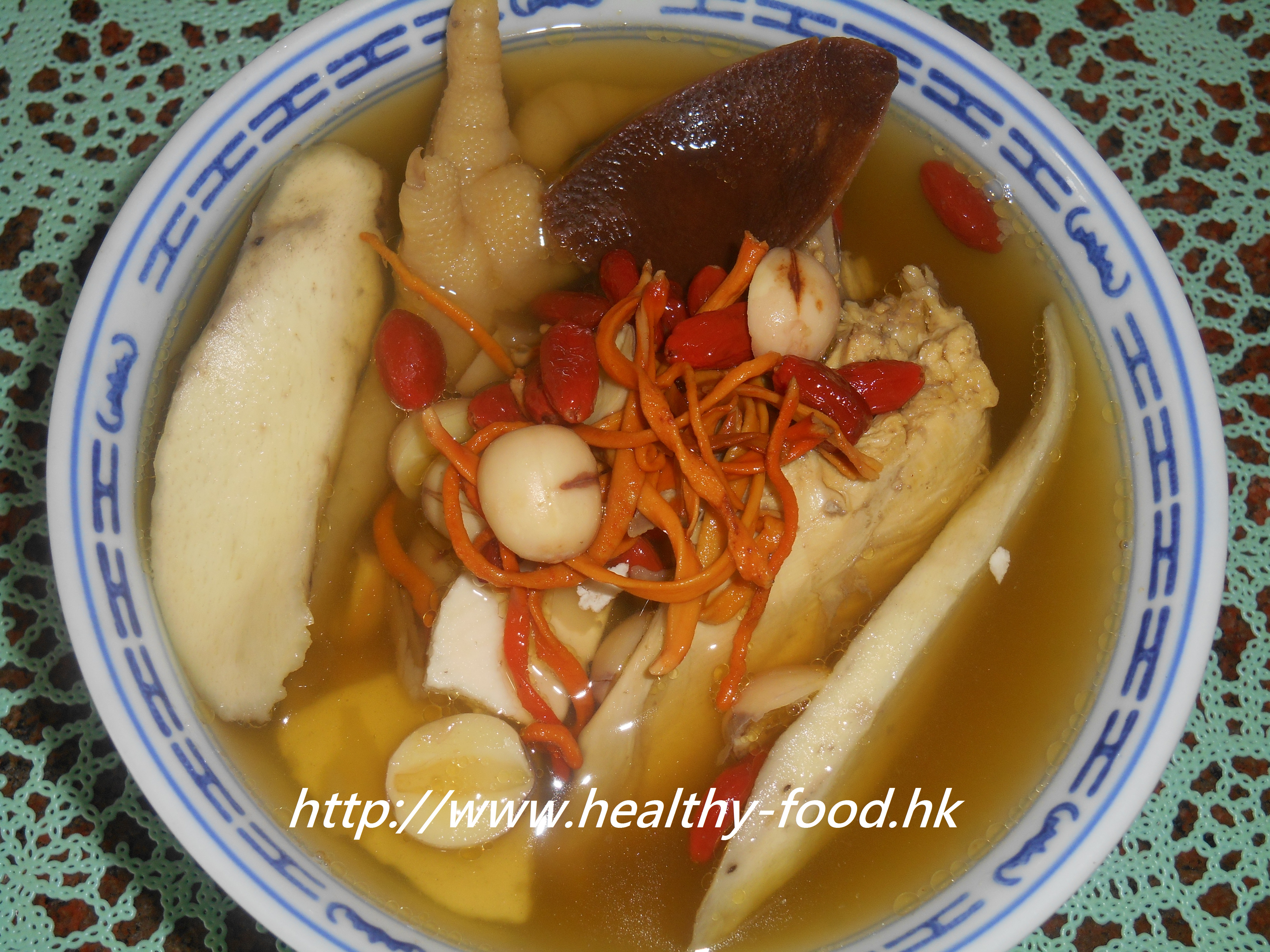
Chinese Yam, Snow Ear Fungus, Apricot Kernel and Lily Bulb Soup
Traditionally supports lung qi, spleen function, and respiratory recovery
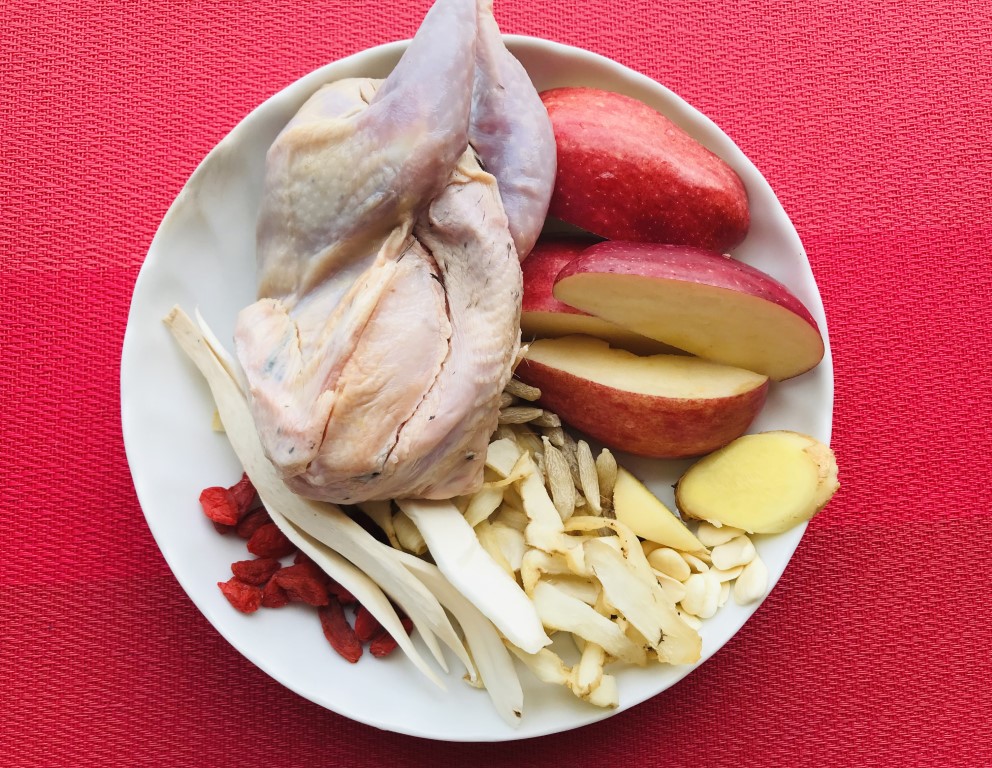
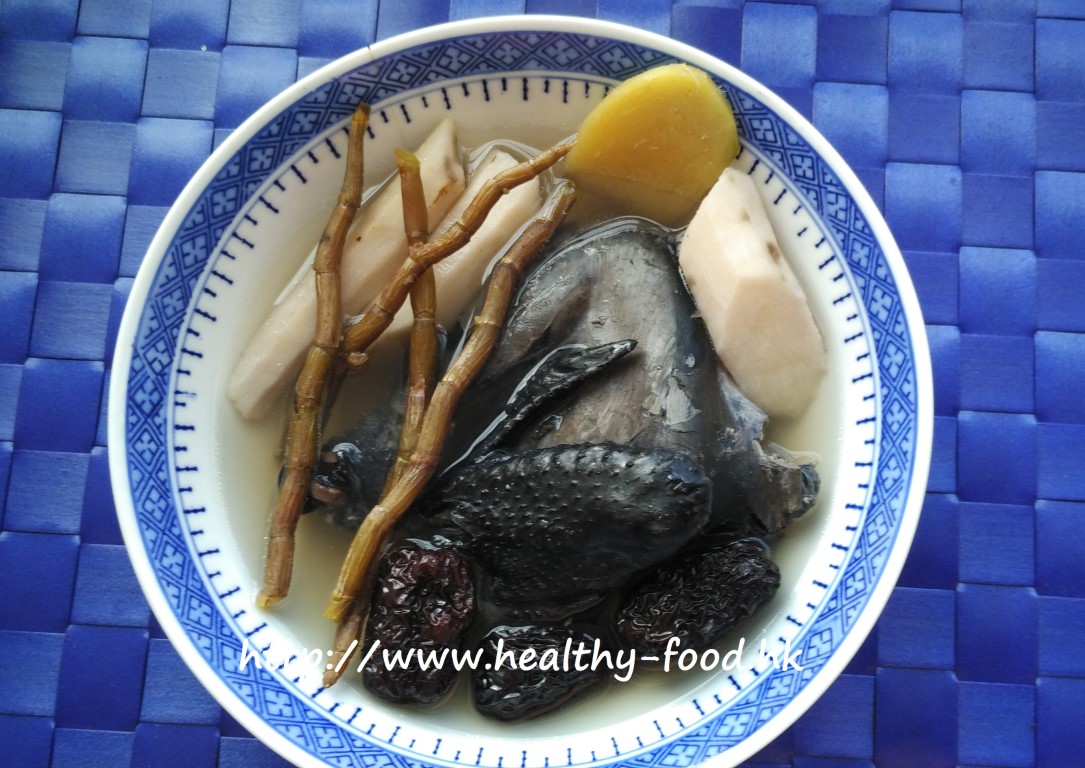
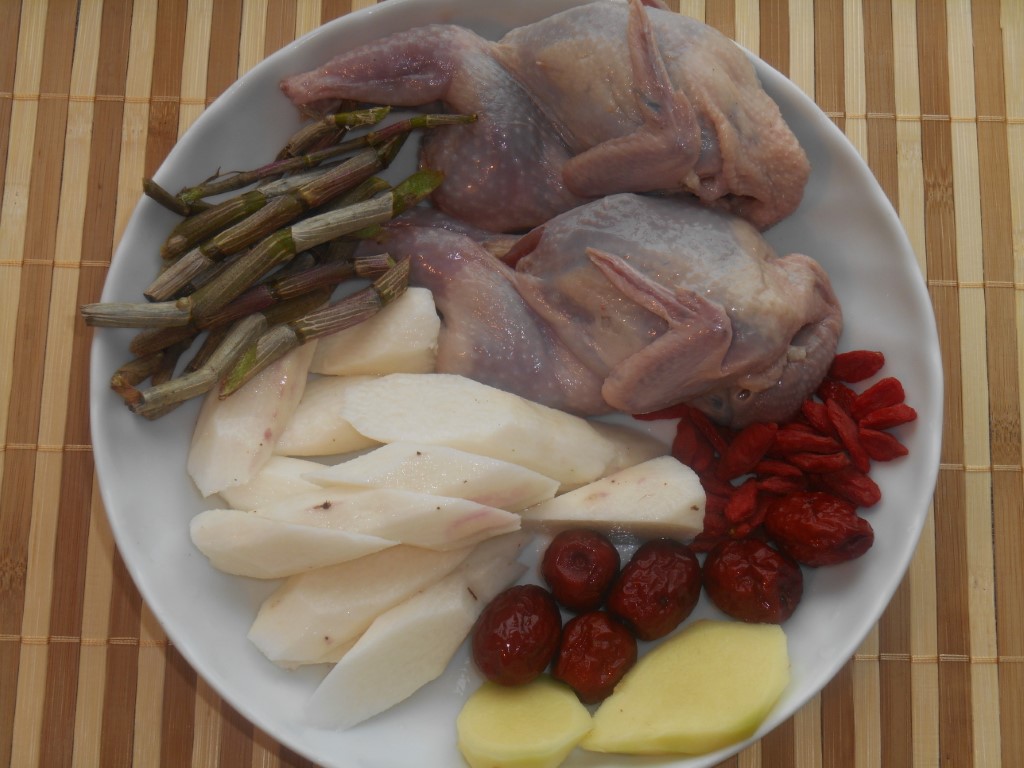
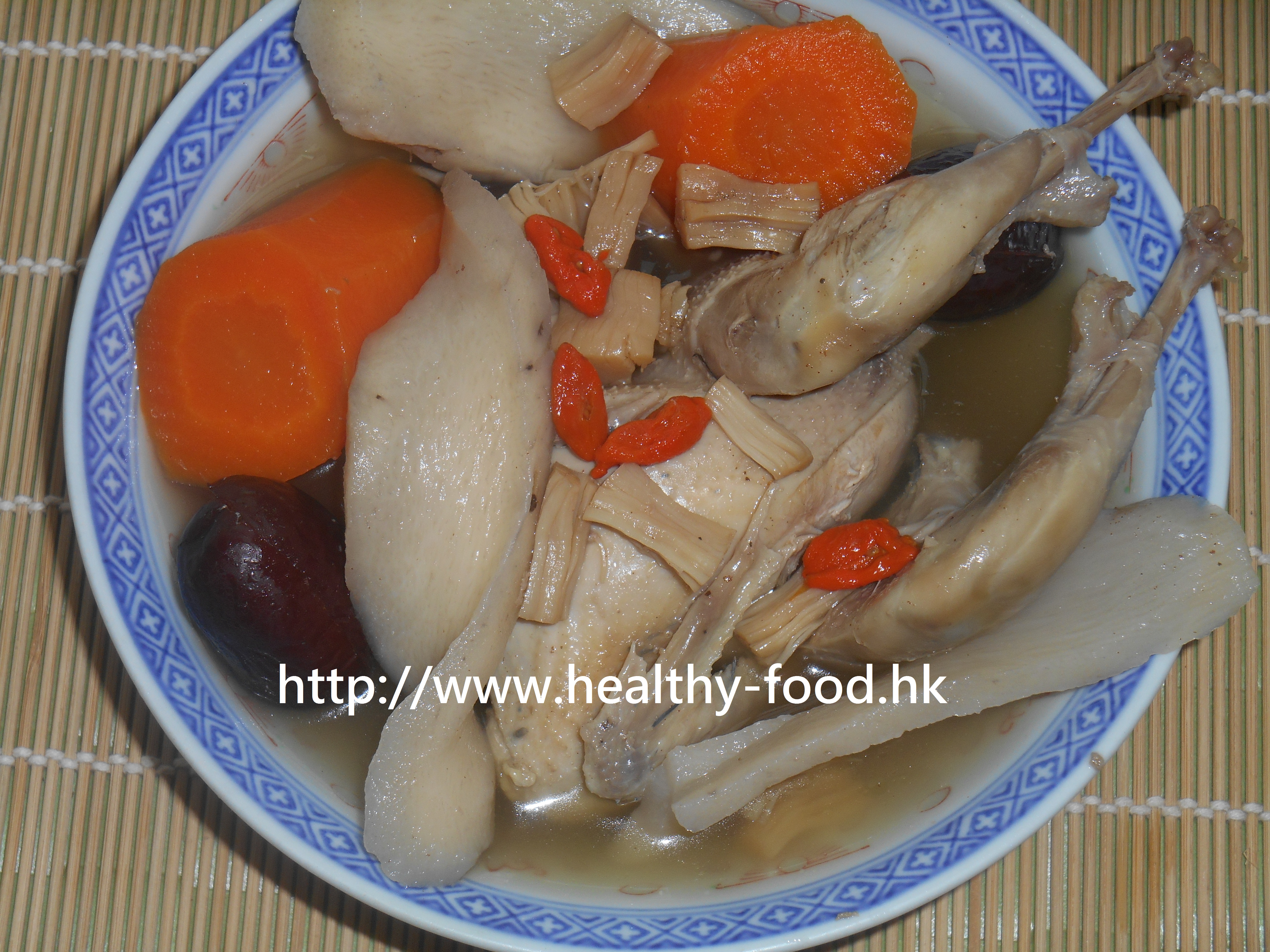
In short: Chinese Yam, Snow Ear Fungus, Apricot Kernel and Lily Bulb Soup is a soup that Traditionally supports lung qi, spleen function, and respiratory recovery. It is most often made for respiratory & lung wellness, digestive wellness, energy & vitality. Total time about 1 hr 15 min. Key ingredients: chinese yam, sweet and bitter apricot kernels, lily bulb.
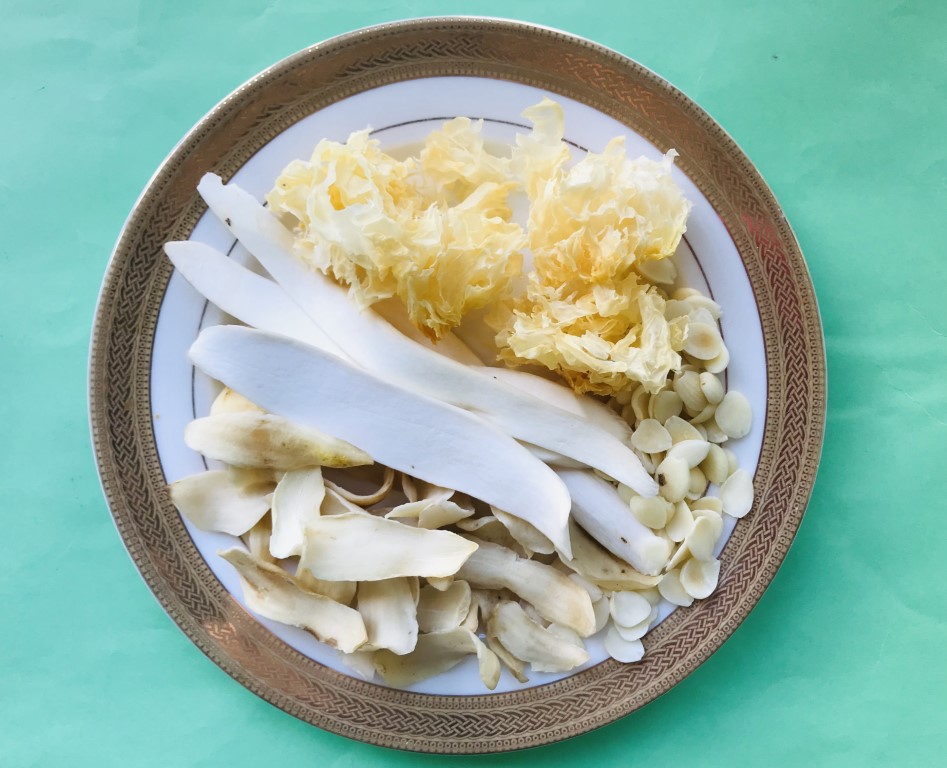
Why people make this soup
Even after testing negative for COVID-19, many people are left dealing with what is now commonly called “long COVID” — a cluster of ongoing symptoms including chronic cough, breathlessness, anxiety, poor sleep, brain fog, fatigue, and joint pain. Nourilo has seen many of these cases and is clear that Chinese medicine, when applied thoughtfully, can provide meaningful support alongside conventional care. This soup is one of the simplest tools in that recovery toolkit. The four ingredients have been used in Cantonese households for generations and together are traditionally associated with nourishing the lung qi, calming the digestive system, and easing respiratory discomfort. It is mild enough for children — and because it can be made savoury or sweet, even picky eaters tend to accept it.
Safety first — read before you cook
This is a traditional food, not a treatment. Please check with your doctor or pharmacist before making it a regular part of your diet if you:
- are pregnant or breastfeeding, or are cooking for a young child;
- take regular medicines — especially blood thinners, blood-pressure, diabetes or immune-suppressing drugs;
- have a kidney, liver or heart condition, or a known food allergy.
Ingredient notes for this recipe
- Apricot kernels: Raw apricot kernels contain amygdalin, which turns into cyanide after eating. EFSA estimates that half of one small raw kernel can exceed the safe level for a toddler. Use no more than the recipe states, never eat them raw, and do not serve them to young children. Source: European Food Safety Authority
Stop eating it and seek advice if you notice an allergic reaction or feel unwell. Safety notes reviewed 8 October 2026 · How we write safety notes
Members only
Unlock the full method & Nourilo's tips
One payment, lifetime access to every one of our 2,344 recipes — step-by-step methods, preparation tips and serving notes.
- Full step-by-step method for this and all 2,344 recipes
- Nourilo's Tips — sourcing, substitutions and serving notes
- One-time payment · card, Apple Pay or Google Pay · no subscription, no renewals
Checking your access…
$59.99 one-time · all recipes
Sign in or create a free account, then pay once by card, Apple Pay or Google Pay.
Continue with GoogleBy continuing with Google or email you confirm you are 16 or older and agree to our Terms of Use and Privacy Policy.
$59.99 one-time · all recipes
Signed in as ·
Secure checkout by Stripe. One-time payment, no renewals. Access is linked to your Nourilo account and never expires. By paying you agree to our Terms of Use; you can get a full refund within 14 days (refund policy).
Comments
Join the conversation — sign in or create a free account to comment.
Continue with GoogleBy continuing with Google or email you confirm you are 16 or older and agree to our Terms of Use and Privacy Policy.
Loading comments…