Herbal & Flower Teas
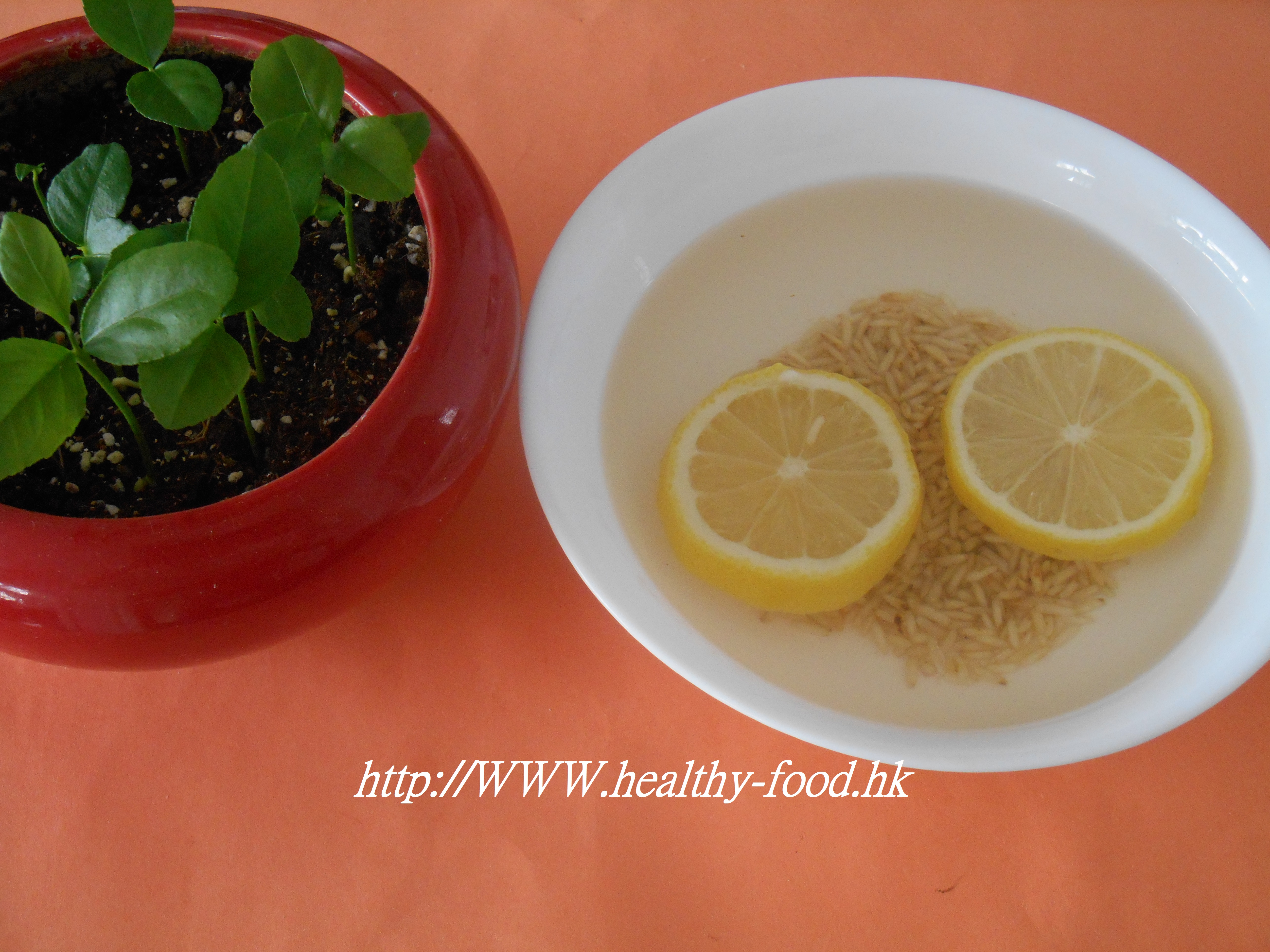
Lemon and Roasted Brown Rice Tea
traditionally associated with supporting digestion, removing excess oil, and promoting a lighter feeling after meals
In short: Lemon and Roasted Brown Rice Tea is a herbal & flower tea that traditionally associated with supporting digestion, removing excess oil, and promoting a lighter feeling after meals. It is most often made for digestive wellness, weight & metabolism. Total time about 15 min. Key ingredients: lemon slices.
Why people make this tea
Lemon water has a well-earned reputation as a morning ritual: refreshing, slightly alkaline in effect, hydrating, and supportive of digestion. What Nourilo discovered is that adding a tablespoon of dry-toasted brown rice transforms the drink entirely. The toasting process breaks down some of the starch in the brown rice, converting it into an activated-carbon-like substance that, in traditional food-therapy thinking, helps sweep excess fats through the digestive system. At the same time, the toasted rice warms and calms the stomach — making the tea suitable even for people who normally find lemon water too acidic. The combined drink is pleasant, mildly nutty, and far more approachable than plain lemon water.
Lemon water also contains citric acid salts that are associated with inhibiting calcium crystal formation, and there is research interest in their role in supporting kidney health. This is a gentle everyday tea rather than a supplement, and it works best as a regular habit.
Safety first — read before you cook
This is a traditional food, not a treatment. Please check with your doctor or pharmacist before making it a regular part of your diet if you:
- are pregnant or breastfeeding, or are cooking for a young child;
- take regular medicines — especially blood thinners, blood-pressure, diabetes or immune-suppressing drugs;
- have a kidney, liver or heart condition, or a known food allergy.
Stop eating it and seek advice if you notice an allergic reaction or feel unwell. Safety notes reviewed 8 October 2026 · How we write safety notes
Members only
Unlock the full method & Nourilo's tips
One payment, lifetime access to every one of our 2,344 recipes — step-by-step methods, preparation tips and serving notes.
- Full step-by-step method for this and all 2,344 recipes
- Nourilo's Tips — sourcing, substitutions and serving notes
- One-time payment · card, Apple Pay or Google Pay · no subscription, no renewals
Checking your access…
$59.99 one-time · all recipes
Sign in or create a free account, then pay once by card, Apple Pay or Google Pay.
Continue with GoogleBy continuing with Google or email you confirm you are 16 or older and agree to our Terms of Use and Privacy Policy.
$59.99 one-time · all recipes
Signed in as ·
Secure checkout by Stripe. One-time payment, no renewals. Access is linked to your Nourilo account and never expires. By paying you agree to our Terms of Use; you can get a full refund within 14 days (refund policy).
Comments
Join the conversation — sign in or create a free account to comment.
Continue with GoogleBy continuing with Google or email you confirm you are 16 or older and agree to our Terms of Use and Privacy Policy.
Loading comments…