Soups
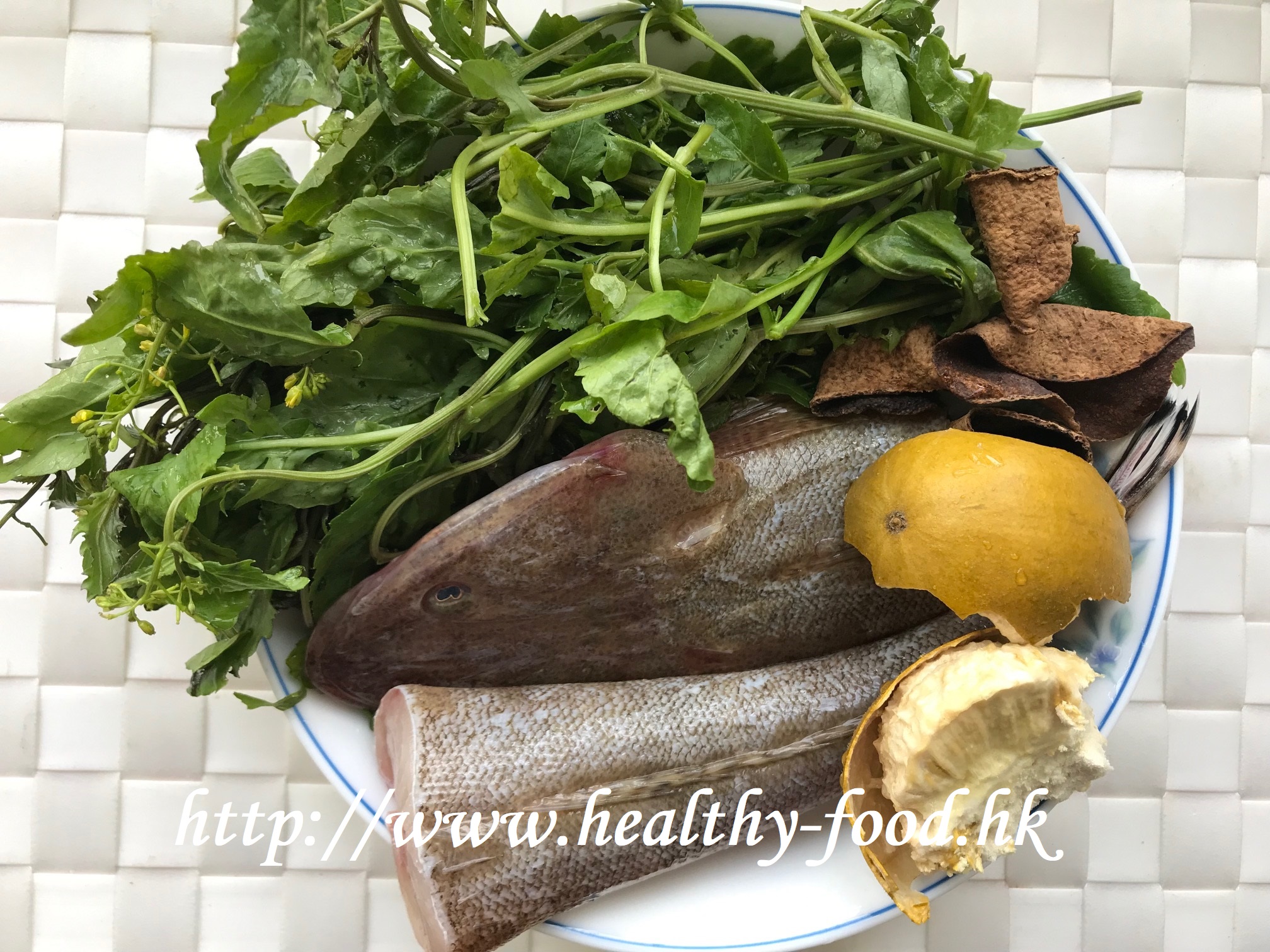
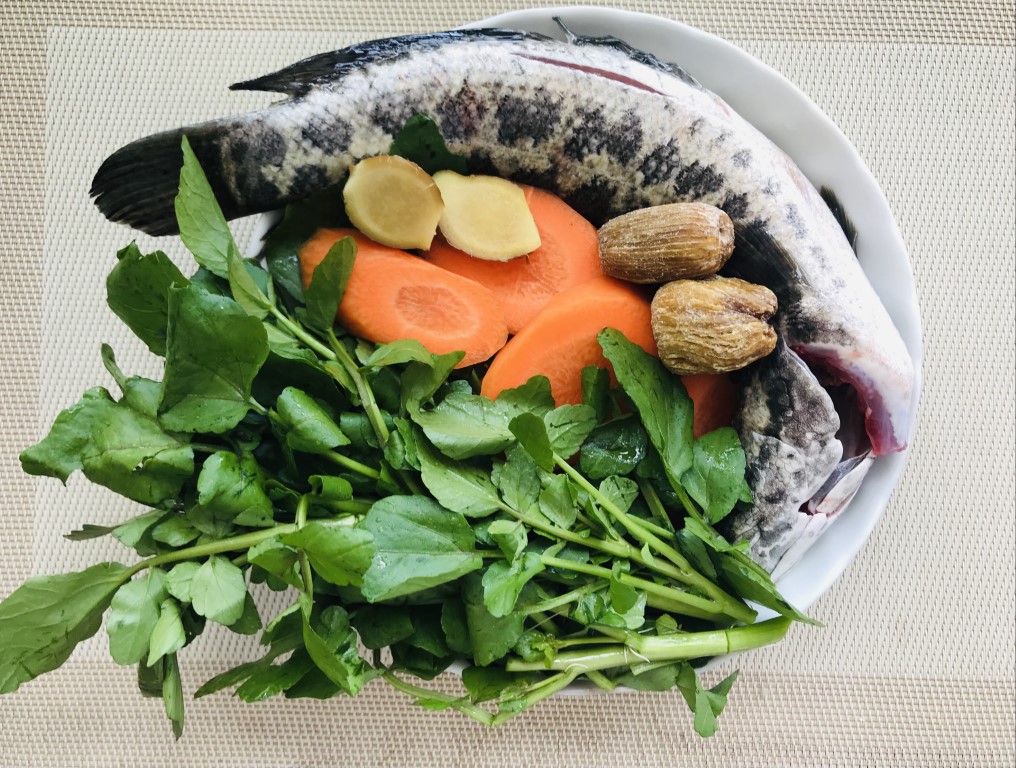
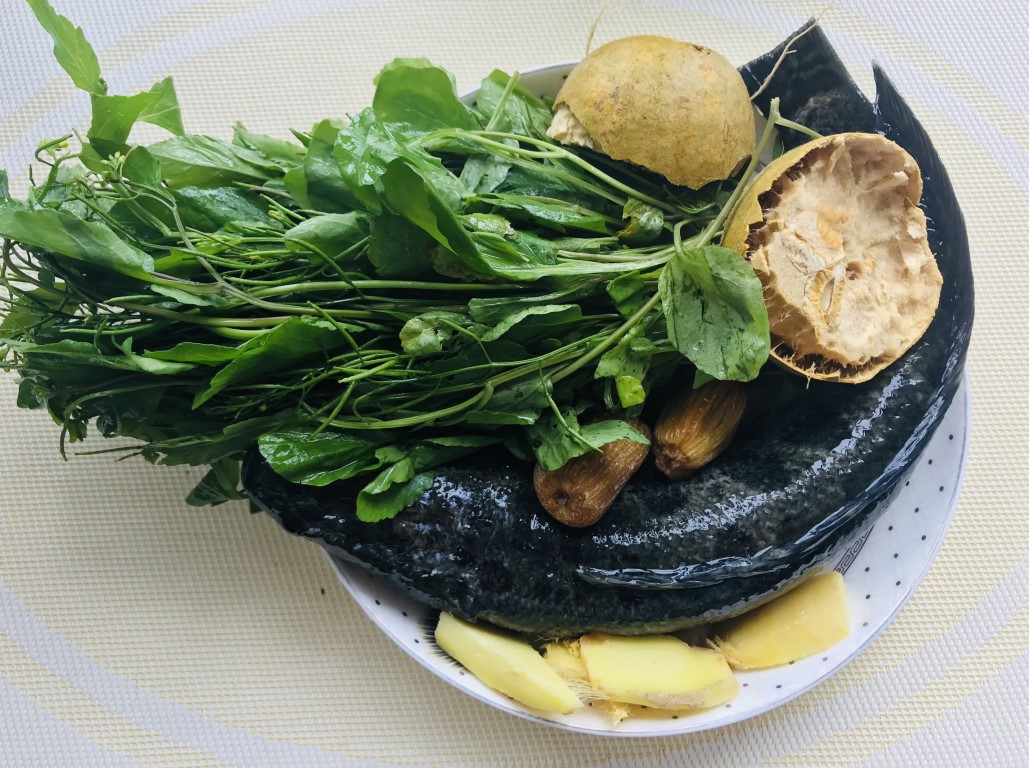
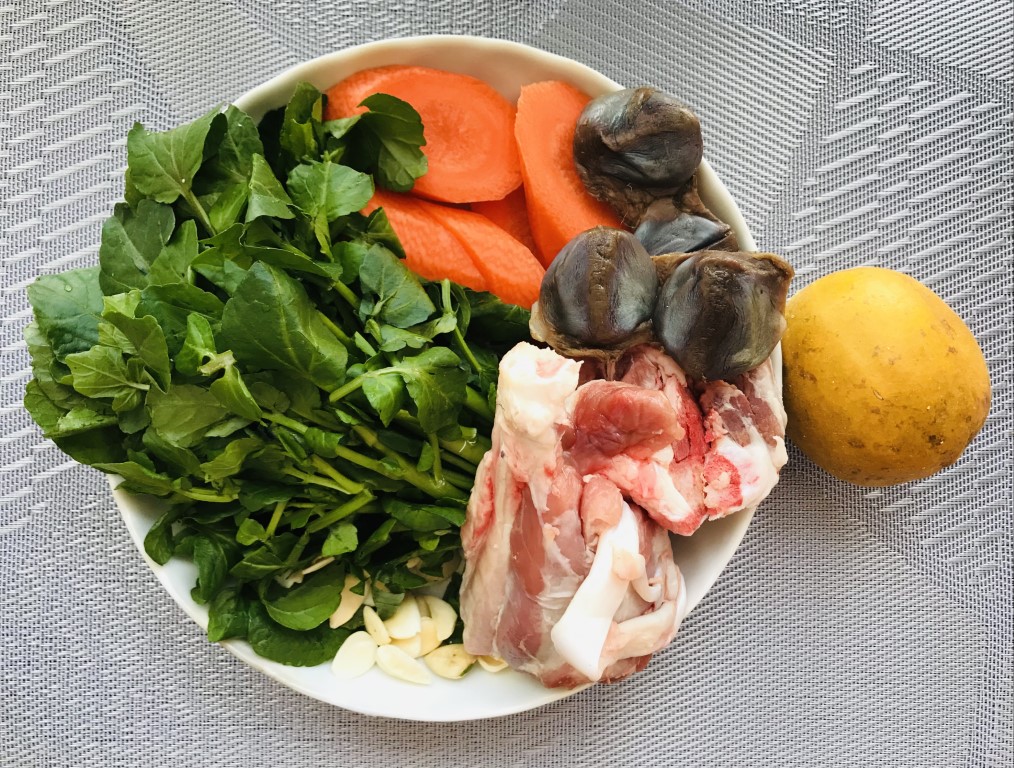
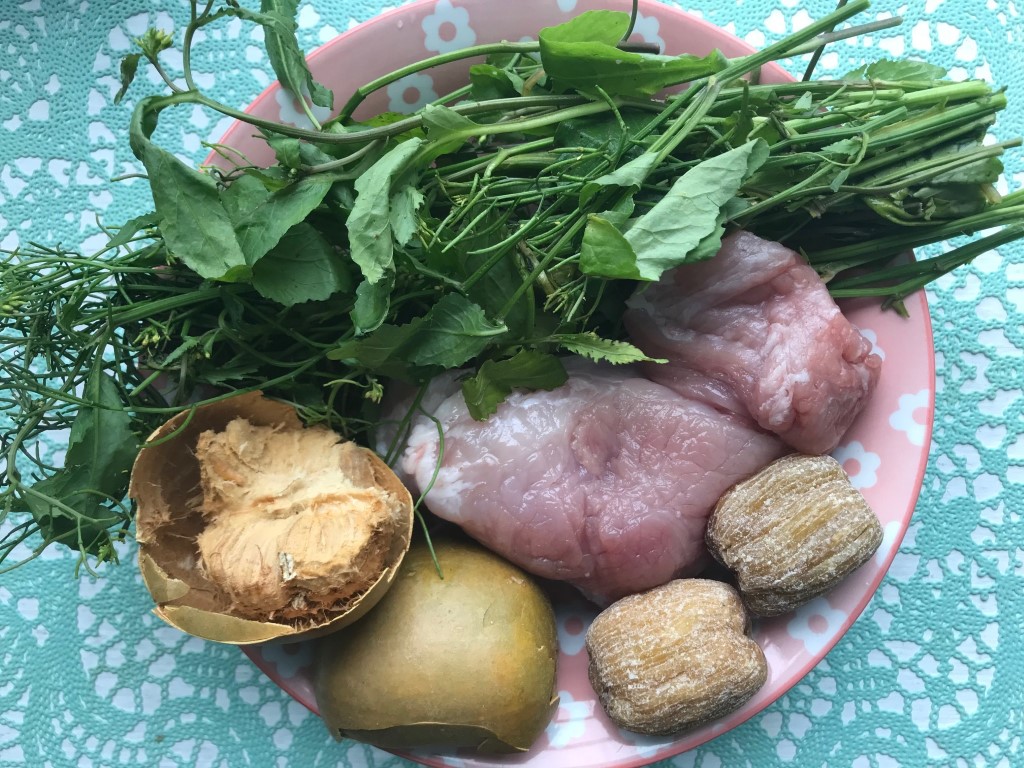
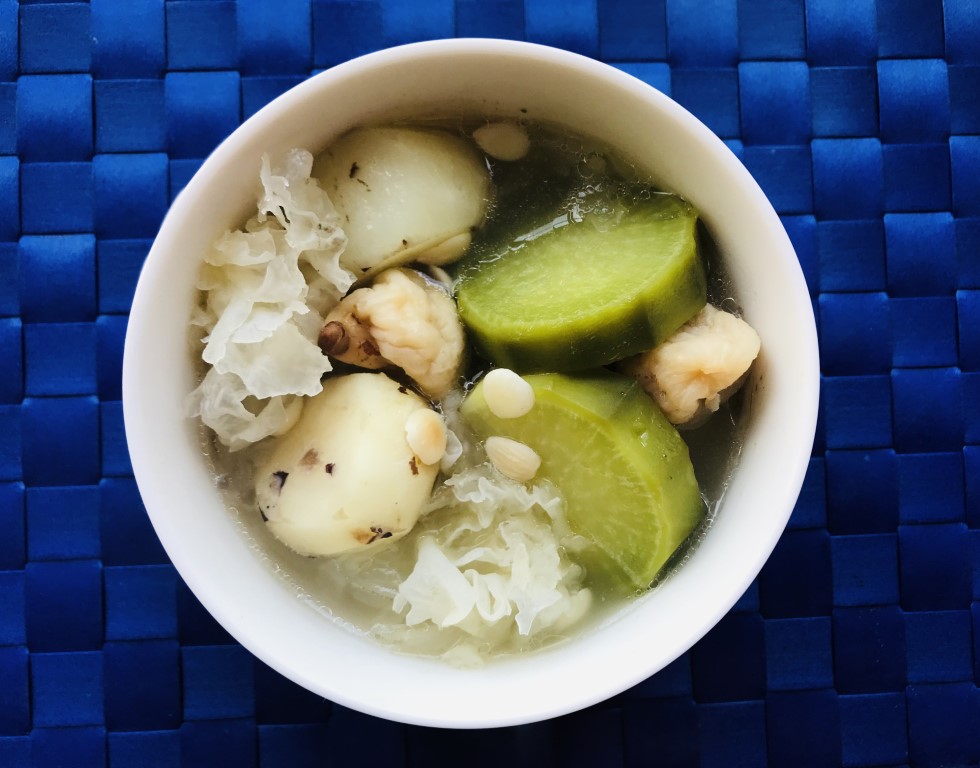
Wild Watercress, Golden Luo Han Guo and Fresh Fish Soup
Traditionally associated with clearing heat toxin, easing throat discomfort, and relieving bone heat after rich or grilled foods
In short: Wild Watercress, Golden Luo Han Guo and Fresh Fish Soup is a soup that Traditionally associated with clearing heat toxin, easing throat discomfort, and relieving bone heat after rich or grilled foods. It is most often made for respiratory & lung wellness, cleansing & regularity, cooling & summer heat. Total time about 110 min. Key ingredients: tangerine peel.
Why people make this soup
The cooler months bring with them beloved communal rituals: barbecues, hotpot, late nights with friends and food that is — as Cantonese say — “leung yit” (warm and heaty). After an evening of grilled meats and charred skewers, many people wake up the next day with a scratchy throat, mouth sores, or that bone-deep achiness that comes from staying up too late on top of eating a lot of rich food. This is precisely when wild watercress soup earns its reputation.
Wild watercress (ye ge cai, also known as han cai or Rorippa indica) is a traditional favourite from the markets and mountain foragers of southern China. It is distinctly different from the garden watercress familiar in the West — stronger, slightly bitter, and medicinally more potent. Its active compound, rorippamide, has been studied for cough-relieving and antimicrobial properties, particularly against pneumococcus, influenza bacilli, and Staphylococcus aureus. Combined with luo han guo’s soothing sweetness and the clean protein of fresh fish, this soup is a trusted two-to-three-serving remedy after overindulgence.
What studies say about the key ingredients
Traditional use is not the same as clinical proof. Here is the strongest human research we found for each ingredient, limitations included.
- Golden monk fruit
Across five randomized trials, monk fruit extract was associated with 10-18% lower postprandial glucose and 12-22% lower insulin responses. No severe adverse effects were observed.Limitation: Only five trials were included, and the authors state that long-term clinical trials are needed to confirm safety and efficacy.PubMed 40362742 · 2 more golden monk fruit studies - Tangerine peel
The tangerine peel drink group showed significant reductions in body weight and triglycerides after the intervention compared with the control group (p < 0.05). Safety markers showed no adverse effects. Gut microbiota and serum metabolite profiles also differed.Limitation: Small pilot trial with only 55 of 72 participants completing. The fermented product is not the same as plain tangerine peel, and the control group is not described.PubMed 40225325
From the Nourilo Research Library. Findings come from specific doses, extracts and populations and may not apply to a home-cooked recipe.
Safety first — read before you cook
This is a traditional food, not a treatment. Please check with your doctor or pharmacist before making it a regular part of your diet if you:
- are pregnant or breastfeeding, or are cooking for a young child;
- take regular medicines — especially blood thinners, blood-pressure, diabetes or immune-suppressing drugs;
- have a kidney, liver or heart condition, or a known food allergy.
Stop eating it and seek advice if you notice an allergic reaction or feel unwell. Safety notes reviewed 8 October 2026 · How we write safety notes
Members only
Unlock the full method & Nourilo's tips
One payment, lifetime access to every one of our 2,344 recipes — step-by-step methods, preparation tips and serving notes.
- Full step-by-step method for this and all 2,344 recipes
- Nourilo's Tips — sourcing, substitutions and serving notes
- One-time payment · card, Apple Pay or Google Pay · no subscription, no renewals
Checking your access…
$59.99 one-time · all recipes
Sign in or create a free account, then pay once by card, Apple Pay or Google Pay.
Continue with GoogleBy continuing with Google or email you confirm you are 16 or older and agree to our Terms of Use and Privacy Policy.
$59.99 one-time · all recipes
Signed in as ·
Secure checkout by Stripe. One-time payment, no renewals. Access is linked to your Nourilo account and never expires. By paying you agree to our Terms of Use; you can get a full refund within 14 days (refund policy).
Comments
Join the conversation — sign in or create a free account to comment.
Continue with GoogleBy continuing with Google or email you confirm you are 16 or older and agree to our Terms of Use and Privacy Policy.
Loading comments…