Congee & Porridge
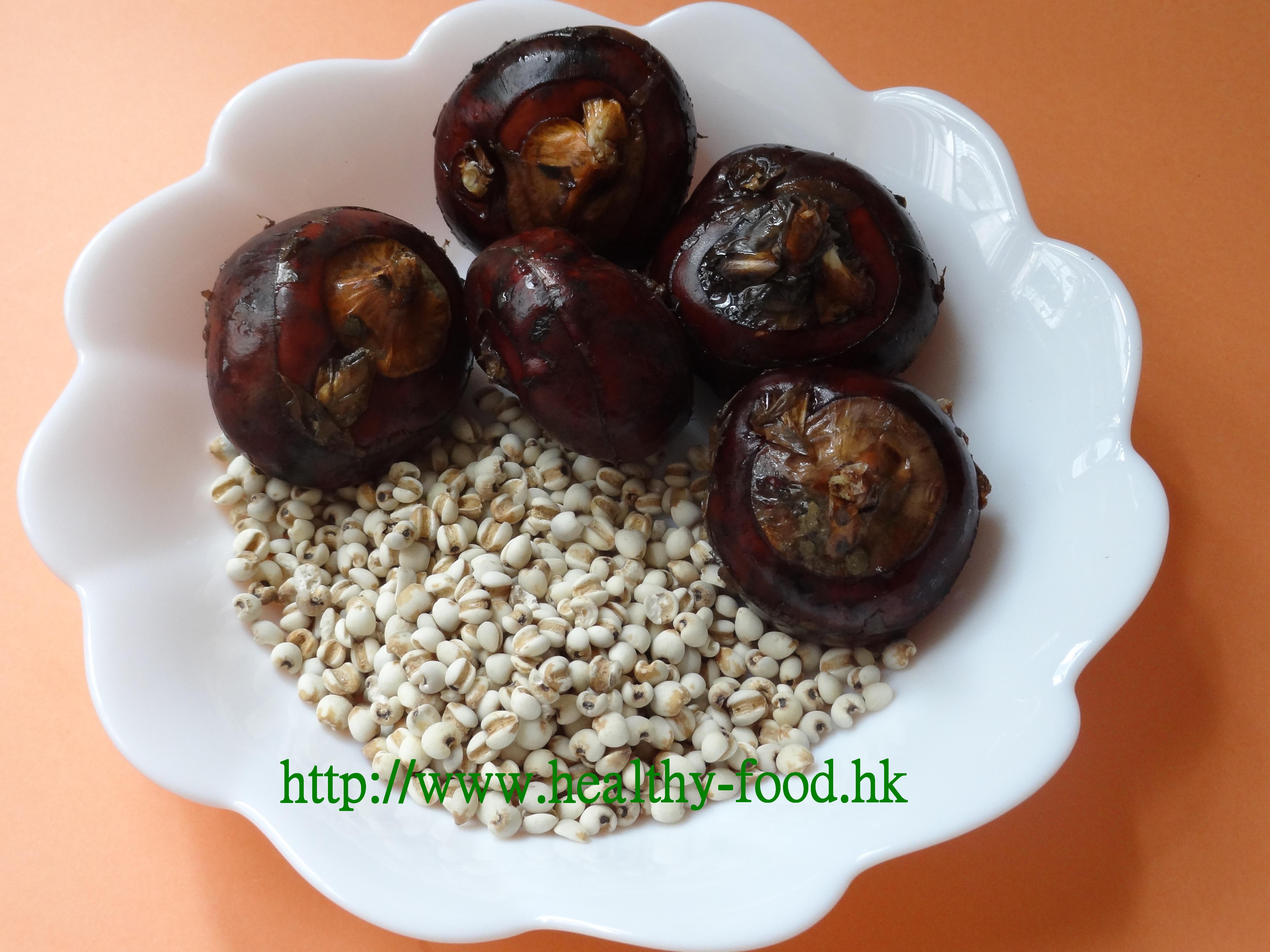
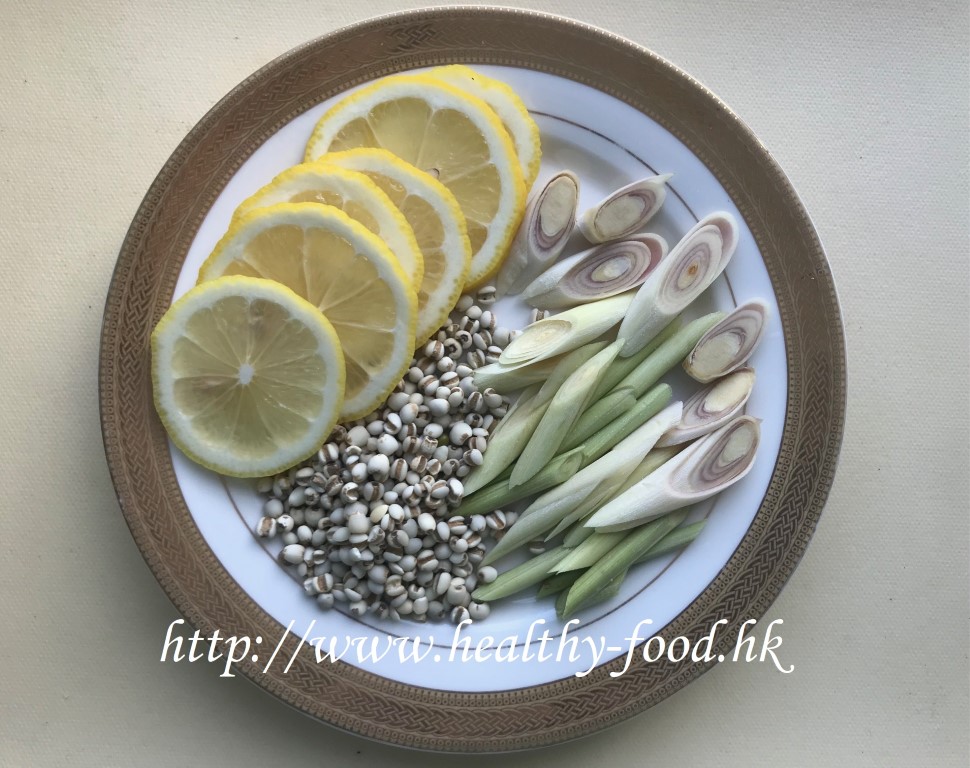
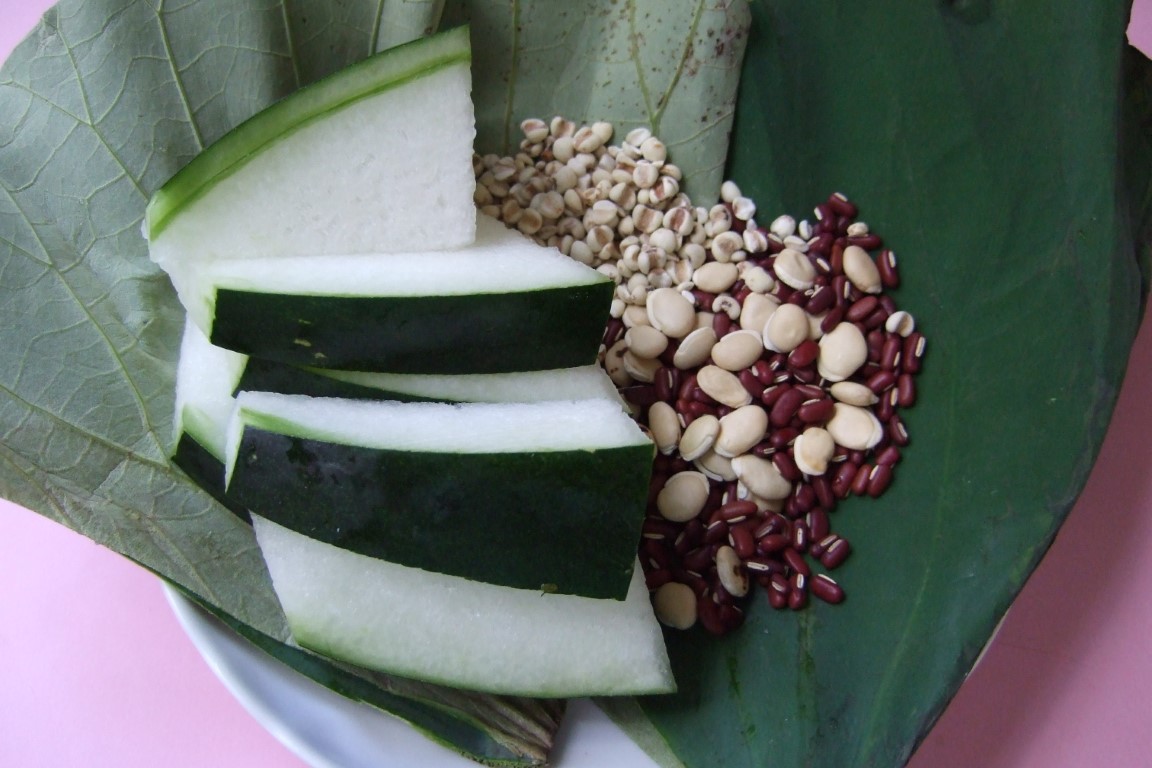
Water Chestnut and Job's Tears Congee
traditionally used to clear heat, support the spleen, ease dampness, and help reduce uric acid levels
In short: Water Chestnut and Job's Tears Congee is a congee & porridge that traditionally used to clear heat, support the spleen, ease dampness, and help reduce uric acid levels. It is most often made for digestive wellness, cooling & summer heat, bone & joint wellness. Total time about 75 min. Key ingredients: job's tears (coix), water chestnuts, honey.
Why people make this congee
Gout is one of those conditions that runs in families — if a parent or grandparent had it, the risk increases. It is also strongly influenced by diet: foods rich in purines (organ meats, shellfish, certain mushrooms, legumes, and alcohol) can elevate uric acid levels and trigger attacks. For people mindful of gout, food choices matter day to day.
Water chestnuts and Job’s tears are both low-purine foods, and both play important roles in traditional Chinese food therapy for conditions characterised by dampness and heat in the joints. This simple congee is something Nourilo recommends for regular consumption rather than a one-time remedy — the idea is to build a habit of low-purine, dampness-clearing eating. Taken morning and evening as part of a balanced diet, it can form a useful part of a gout-management routine.
Drink plenty of water every day alongside this congee — adequate hydration is one of the most well-supported strategies for promoting uric acid excretion.
What studies say about the key ingredients
Traditional use is not the same as clinical proof. Here is the strongest human research we found for each ingredient, limitations included.
- Job's tears (coix)
Myeloperoxidase activity rose significantly in the placebo group after 8 weeks but showed no significant change in the adlay tea group. Vascular endothelial function improved in the adlay group, especially in those over 40.Limitation: Participants were healthy adults and the outcomes were surrogate markers, so the results say little about clinical disease outcomes. Tea is a polyphenol-rich extract, not whole grain.PubMed 38945894 · 2 more job's tears (coix) studies - Honey
Compared with usual care, honey was associated with lower combined symptom scores, cough frequency and cough severity. In two pooled placebo-controlled studies, the difference in combined symptoms was not statistically significant.Limitation: Only two studies compared honey with placebo, with high heterogeneity (I2=91%); the review calls for higher-quality placebo-controlled trials.PubMed 32817011 · 3 more honey studies
From the Nourilo Research Library. Findings come from specific doses, extracts and populations and may not apply to a home-cooked recipe.
Safety first — read before you cook
This is a traditional food, not a treatment. Please check with your doctor or pharmacist before making it a regular part of your diet if you:
- are pregnant or breastfeeding, or are cooking for a young child;
- take regular medicines — especially blood thinners, blood-pressure, diabetes or immune-suppressing drugs;
- have a kidney, liver or heart condition, or a known food allergy.
Ingredient notes for this recipe
- Honey: Never give honey to babies under 1 year old — it can cause infant botulism, a very serious illness. Source: NHS — Foods to avoid giving babies
Stop eating it and seek advice if you notice an allergic reaction or feel unwell. Safety notes reviewed 8 October 2026 · How we write safety notes
Members only
Unlock the full method & Nourilo's tips
One payment, lifetime access to every one of our 2,344 recipes — step-by-step methods, preparation tips and serving notes.
- Full step-by-step method for this and all 2,344 recipes
- Nourilo's Tips — sourcing, substitutions and serving notes
- One-time payment · card, Apple Pay or Google Pay · no subscription, no renewals
Checking your access…
$59.99 one-time · all recipes
Sign in or create a free account, then pay once by card, Apple Pay or Google Pay.
Continue with GoogleBy continuing with Google or email you confirm you are 16 or older and agree to our Terms of Use and Privacy Policy.
$59.99 one-time · all recipes
Signed in as ·
Secure checkout by Stripe. One-time payment, no renewals. Access is linked to your Nourilo account and never expires. By paying you agree to our Terms of Use; you can get a full refund within 14 days (refund policy).
Comments
Join the conversation — sign in or create a free account to comment.
Continue with GoogleBy continuing with Google or email you confirm you are 16 or older and agree to our Terms of Use and Privacy Policy.
Loading comments…