Herbal & Flower Teas
Walnut & Hawthorn Tea
traditionally used to support lung and kidney health, ease cough and wheezing, and help manage cholesterol
In short: Walnut & Hawthorn Tea is a herbal & flower tea that traditionally used to support lung and kidney health, ease cough and wheezing, and help manage cholesterol. It is most often made for respiratory & lung wellness, children's wellness, heart & circulation. Total time about 25 min. Key ingredients: walnuts.
Why people make this tea
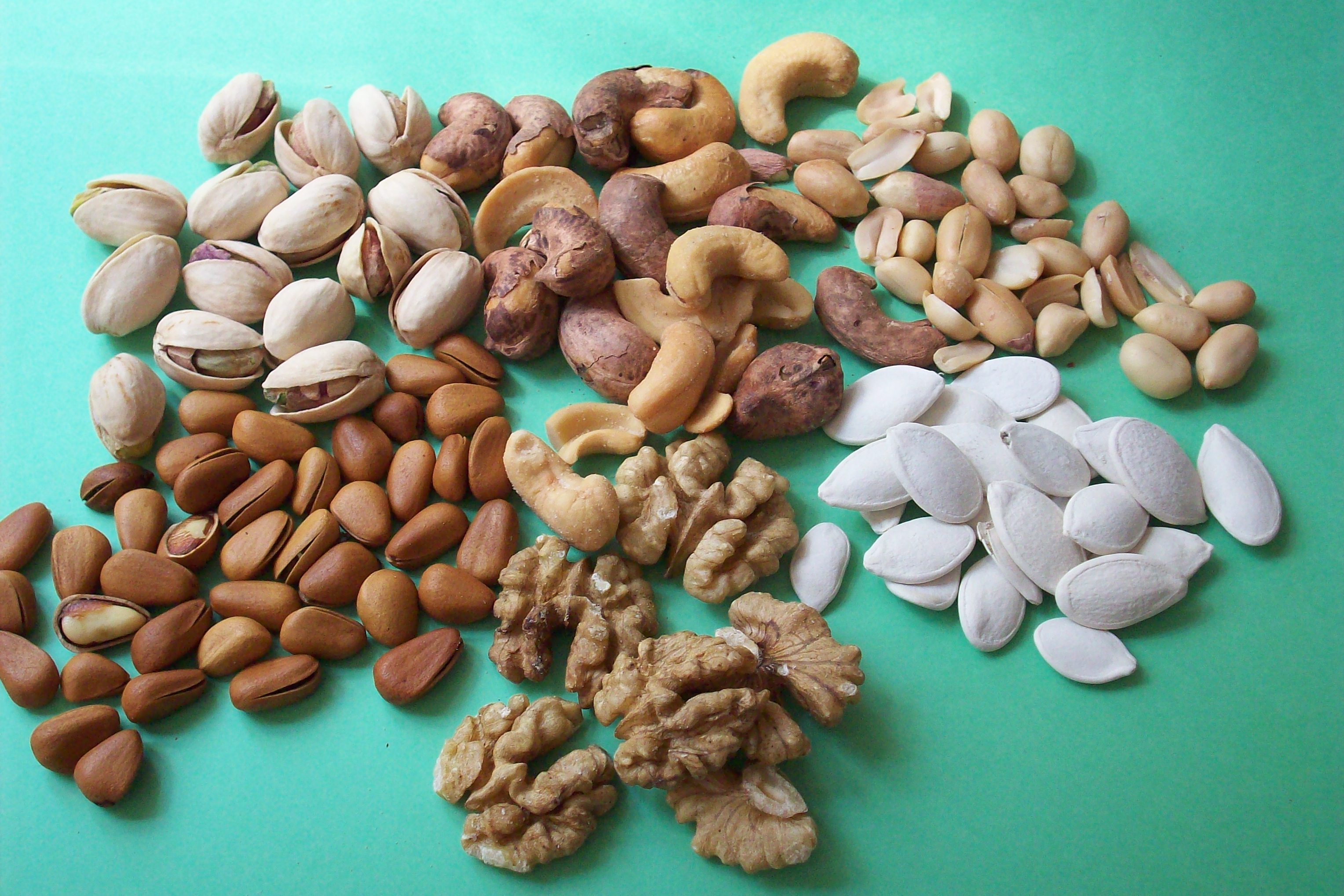
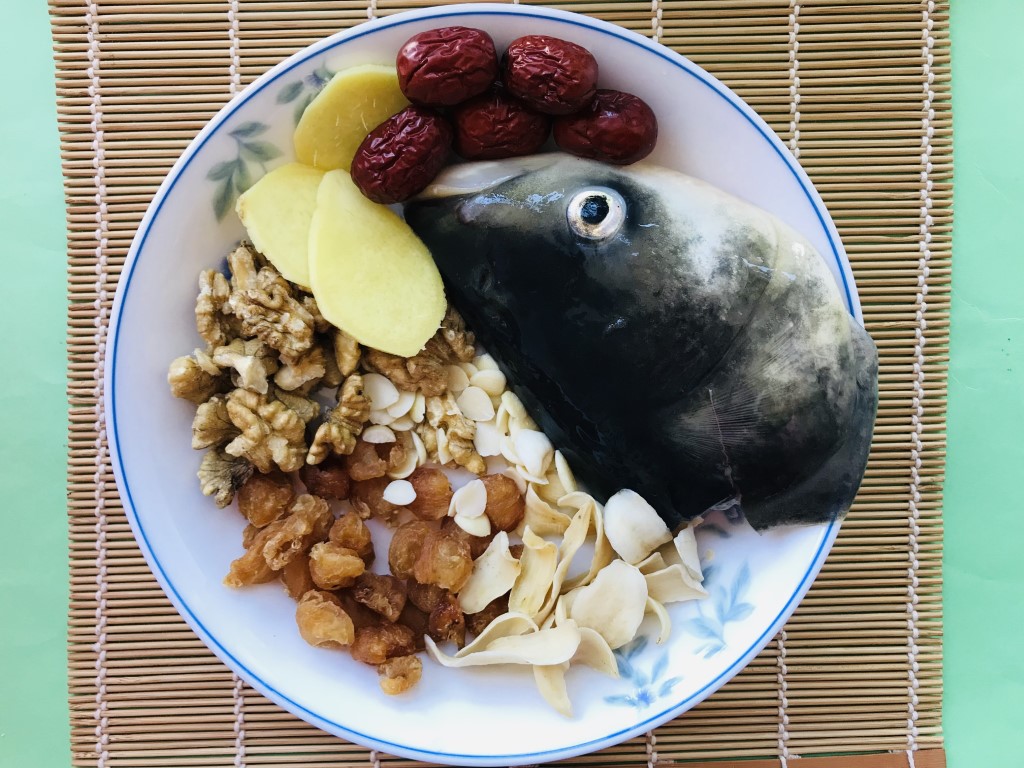
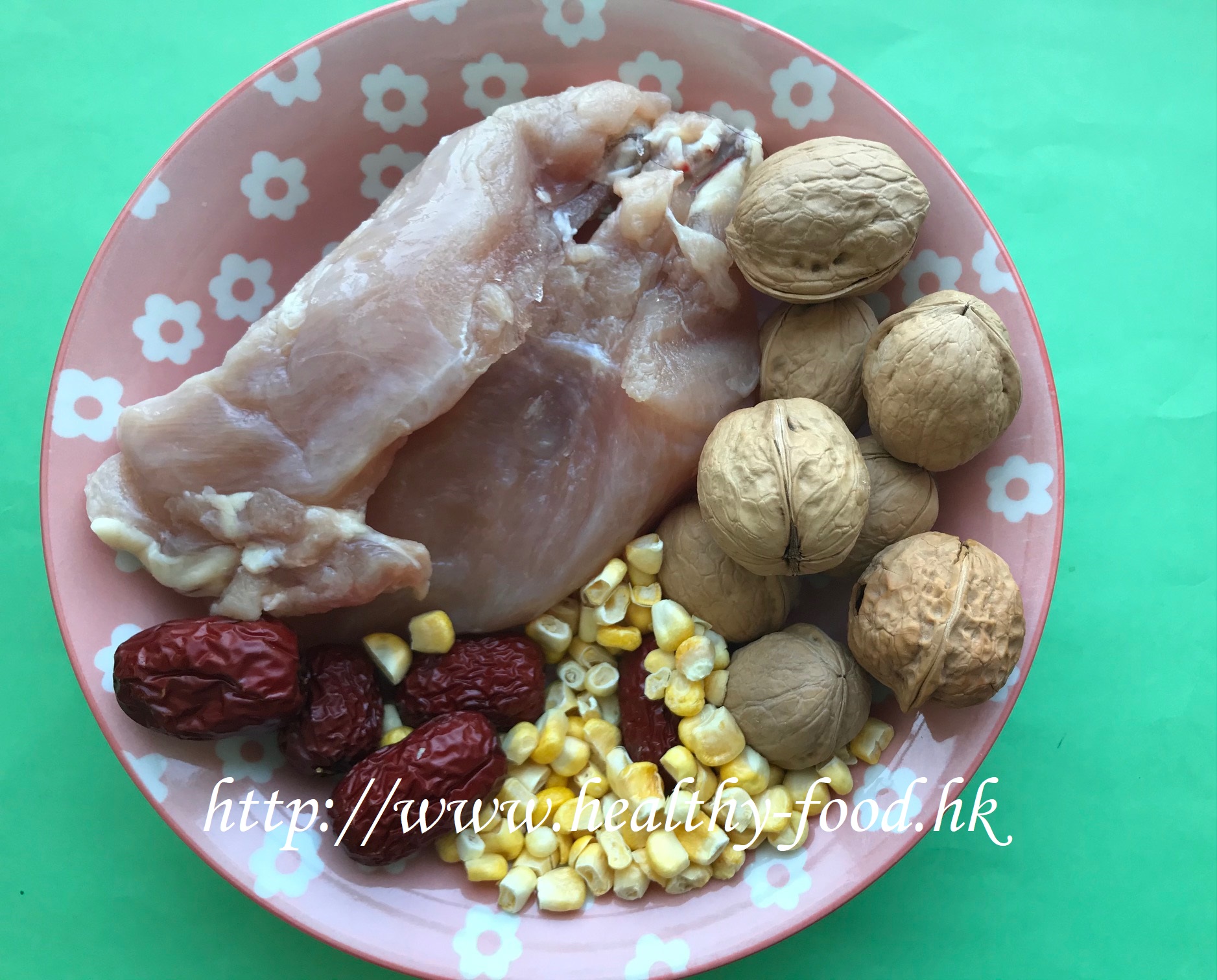
Nuts are among the most nutrient-dense foods we know of, and walnuts stand out from the crowd. Their famously brain-like shape turns out to be a pleasant coincidence — they really are exceptional brain food, rich in omega-3 fatty acids, protein, and an impressive range of vitamins and minerals including vitamins A, B-complex, C, and E. In Chinese food therapy, walnuts are considered a premier food for nourishing the kidneys, strengthening the lower back, calming lung-related wheezing, and supporting brain function. The whole family of nuts — from pistachios and almonds to cashews and pumpkin seeds — is valued for its unsaturated fatty acids that help manage cholesterol and protect cardiovascular health.
Pairing walnuts with hawthorn creates a tea that works on multiple levels: walnuts nourish from the inside while hawthorn is well-known for its circulation-supporting and digestive properties.
What studies say about the key ingredients
Traditional use is not the same as clinical proof. Here is the strongest human research we found for each ingredient, limitations included.
- Hawthorn
Skin hydration scores improved more with hawthorn fruit than with placebo (p<0.05). Changes in other skin phenotypes and leukocyte telomere length were similar between groups. Genotype-specific effects were reported.Limitation: Small trial in which 36 completed follow-up; the genotype subgroup analyses are based on very few participants and are exploratory.PubMed 40573097 · 2 more hawthorn studies - Walnuts
Office systolic BP changed by -4.61 mm Hg with walnuts versus -0.59 mm Hg in controls (P=0.051); 24-hour ambulatory systolic BP difference was not significant (P=0.111). No diastolic BP changes were observed.Limitation: Only 236 of 305 participants (75%) completed the study, and the main between-group differences did not reach conventional significance.PubMed 30879358 · 2 more walnuts studies
From the Nourilo Research Library. Findings come from specific doses, extracts and populations and may not apply to a home-cooked recipe.
Safety first — read before you cook
This is a traditional food, not a treatment. Please check with your doctor or pharmacist before making it a regular part of your diet if you:
- are pregnant or breastfeeding, or are cooking for a young child;
- take regular medicines — especially blood thinners, blood-pressure, diabetes or immune-suppressing drugs;
- have a kidney, liver or heart condition, or a known food allergy.
Ingredient notes for this recipe
- Hawthorn: Can cause dizziness, nausea or digestive upset, and may interact with heart medicines. Little is known about its safety in pregnancy or breastfeeding. Source: NIH NCCIH — Hawthorn
Stop eating it and seek advice if you notice an allergic reaction or feel unwell. Safety notes reviewed 8 October 2026 · How we write safety notes
Members only
Unlock the full method & Nourilo's tips
One payment, lifetime access to every one of our 2,344 recipes — step-by-step methods, preparation tips and serving notes.
- Full step-by-step method for this and all 2,344 recipes
- Nourilo's Tips — sourcing, substitutions and serving notes
- One-time payment · card, Apple Pay or Google Pay · no subscription, no renewals
Checking your access…
$59.99 one-time · all recipes
Sign in or create a free account, then pay once by card, Apple Pay or Google Pay.
Continue with GoogleBy continuing with Google or email you confirm you are 16 or older and agree to our Terms of Use and Privacy Policy.
$59.99 one-time · all recipes
Signed in as ·
Secure checkout by Stripe. One-time payment, no renewals. Access is linked to your Nourilo account and never expires. By paying you agree to our Terms of Use; you can get a full refund within 14 days (refund policy).
Comments
Join the conversation — sign in or create a free account to comment.
Continue with GoogleBy continuing with Google or email you confirm you are 16 or older and agree to our Terms of Use and Privacy Policy.
Loading comments…