Home-Style Dishes
Osmanthus Lotus Root Powder (Gui Hua Tang Ou Fen)
traditionally used to nourish the spleen, support blood production, and promote skin vitality
In short: Osmanthus Lotus Root Powder (Gui Hua Tang Ou Fen) is a home-style dishe that traditionally used to nourish the spleen, support blood production, and promote skin vitality. It is most often made for digestive wellness, women's wellness, skin & natural beauty. Total time about 15 min.
Why people make this dish
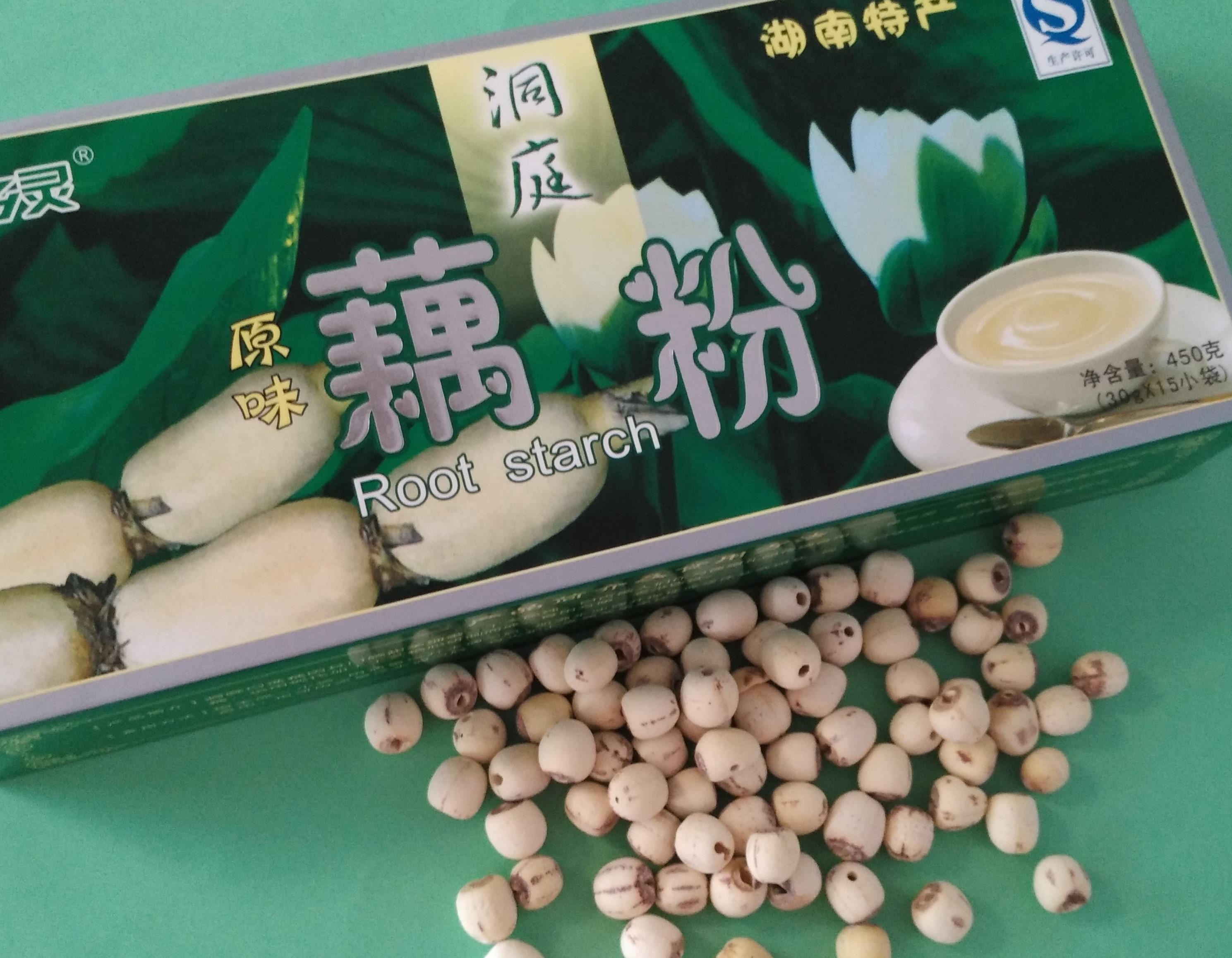
On a day off from teaching, Nourilo made a trip to a large traditional goods store in Hong Kong to find lotus root powder — the kind of ingredient that most mid-sized Chinese herb shops no longer stock. He found it: lotus root powder from Hunan’s Dongting region, packaged in modern individual sachets of 30 g each, one box containing thirty, making it easy to store and use as needed.
Lotus root powder had been a household staple in earlier generations — given to recovering patients, nursing mothers, elderly relatives, and children who needed gentle nourishment. It had fallen out of fashion somewhat, replaced by commercial supplements. But the traditional rationale remains sound: lotus root starch is one of the easiest-to-digest carbohydrate sources in traditional Chinese cooking, and its cool, fluid-generating properties make it especially valuable after illness, surgery, or postpartum depletion.
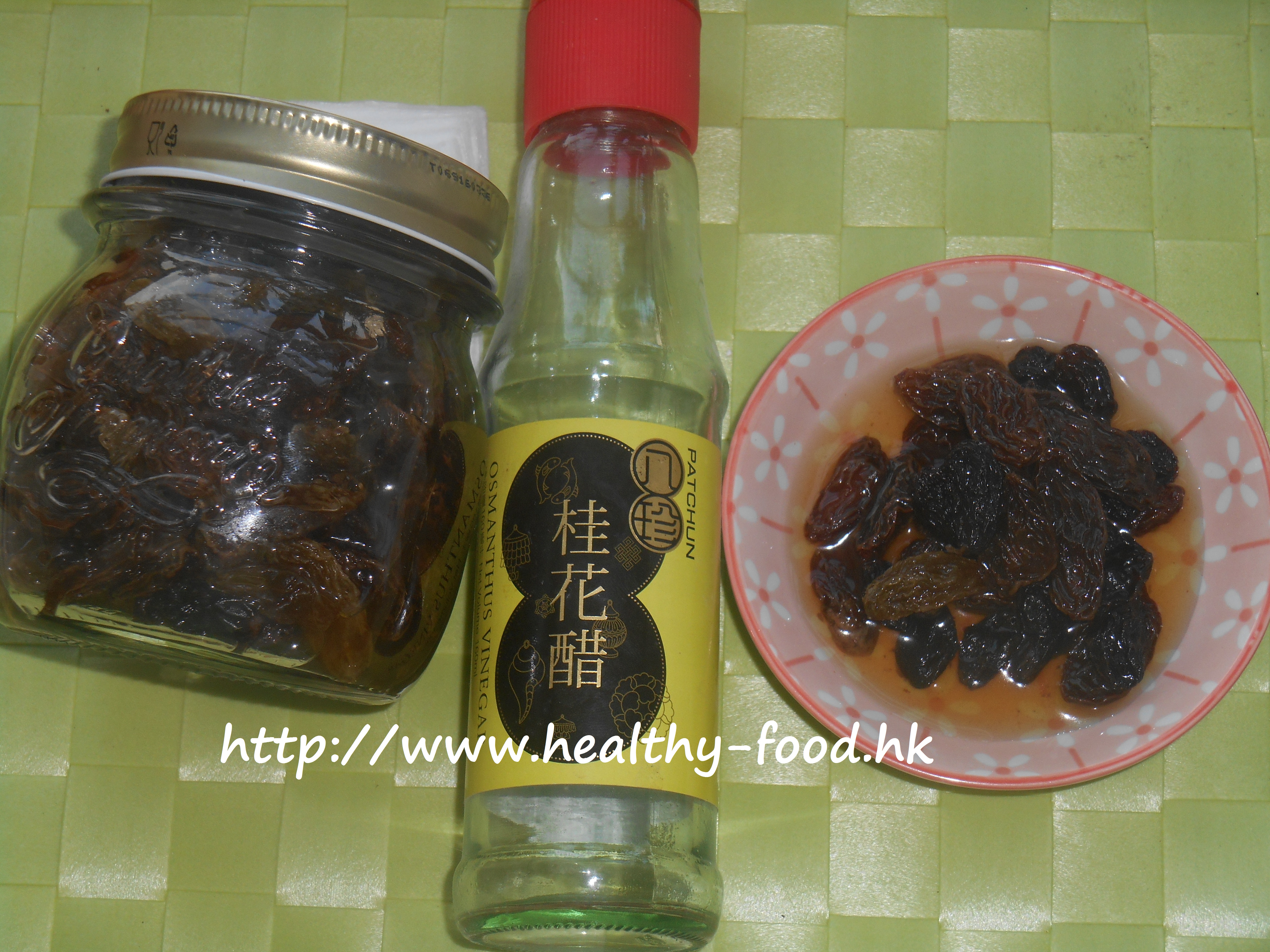
When scented with osmanthus flower syrup, it becomes a dessert — fragrant, silky, and slightly sweet — that is both a comfort food and a functional food. The old Chinese saying applies: if something is both beautiful and beneficial, use it.
Safety first — read before you cook
This is a traditional food, not a treatment. Please check with your doctor or pharmacist before making it a regular part of your diet if you:
- are pregnant or breastfeeding, or are cooking for a young child;
- take regular medicines — especially blood thinners, blood-pressure, diabetes or immune-suppressing drugs;
- have a kidney, liver or heart condition, or a known food allergy.
Stop eating it and seek advice if you notice an allergic reaction or feel unwell. Safety notes reviewed 8 October 2026 · How we write safety notes
Members only
Unlock the full method & Nourilo's tips
One payment, lifetime access to every one of our 2,344 recipes — step-by-step methods, preparation tips and serving notes.
- Full step-by-step method for this and all 2,344 recipes
- Nourilo's Tips — sourcing, substitutions and serving notes
- One-time payment · card, Apple Pay or Google Pay · no subscription, no renewals
Checking your access…
$59.99 one-time · all recipes
Sign in or create a free account, then pay once by card, Apple Pay or Google Pay.
Continue with GoogleBy continuing with Google or email you confirm you are 16 or older and agree to our Terms of Use and Privacy Policy.
$59.99 one-time · all recipes
Signed in as ·
Secure checkout by Stripe. One-time payment, no renewals. Access is linked to your Nourilo account and never expires. By paying you agree to our Terms of Use; you can get a full refund within 14 days (refund policy).
Comments
Join the conversation — sign in or create a free account to comment.
Continue with GoogleBy continuing with Google or email you confirm you are 16 or older and agree to our Terms of Use and Privacy Policy.
Loading comments…