Soups
Astragalus Goji Berry Sea Cucumber Double-Steamed Broth
Traditionally used to support postpartum recovery and strengthen constitution
Why people make this soup
The weeks after childbirth are one of the most physically demanding transitions a body can go through. In Cantonese food therapy, double-steaming (dun) is the method of choice when you want a concentrated, deeply nourishing broth without any bitterness — the gentle, indirect steam preserves the most delicate nutrients. This particular combination brings together astragalus root for qi-building and surface consolidation, goji berries for liver and kidney nourishment, sea cucumber for its unique immune-modulating properties, and pork ribs for a flavourful, sustaining base. The result is a broth that is tonifying without causing the internal heat that heavier or richer preparations sometimes trigger — important for new mothers who may already be feeling warm from the hormonal changes of the postnatal period.
Who it suits / who should be cautious
- Most appropriate from around 12 days after birth, whether after natural birth or caesarean section. Waiting until the lochia has cleared before using herbal tonics is ideal.
- Also suitable for anyone recovering from surgery or serious illness, and for people with generally depleted constitutions.
- Sea cucumber is rich and nourishing; if digestion is still slow or the stomach feels sluggish in the early postpartum days, start by drinking only the broth and eat the sea cucumber once appetite and digestion have improved.
- Traditionally, cancer patients are noted to benefit from sea cucumber, which is associated with supporting immune function.
Why these ingredients (the food-therapy logic)
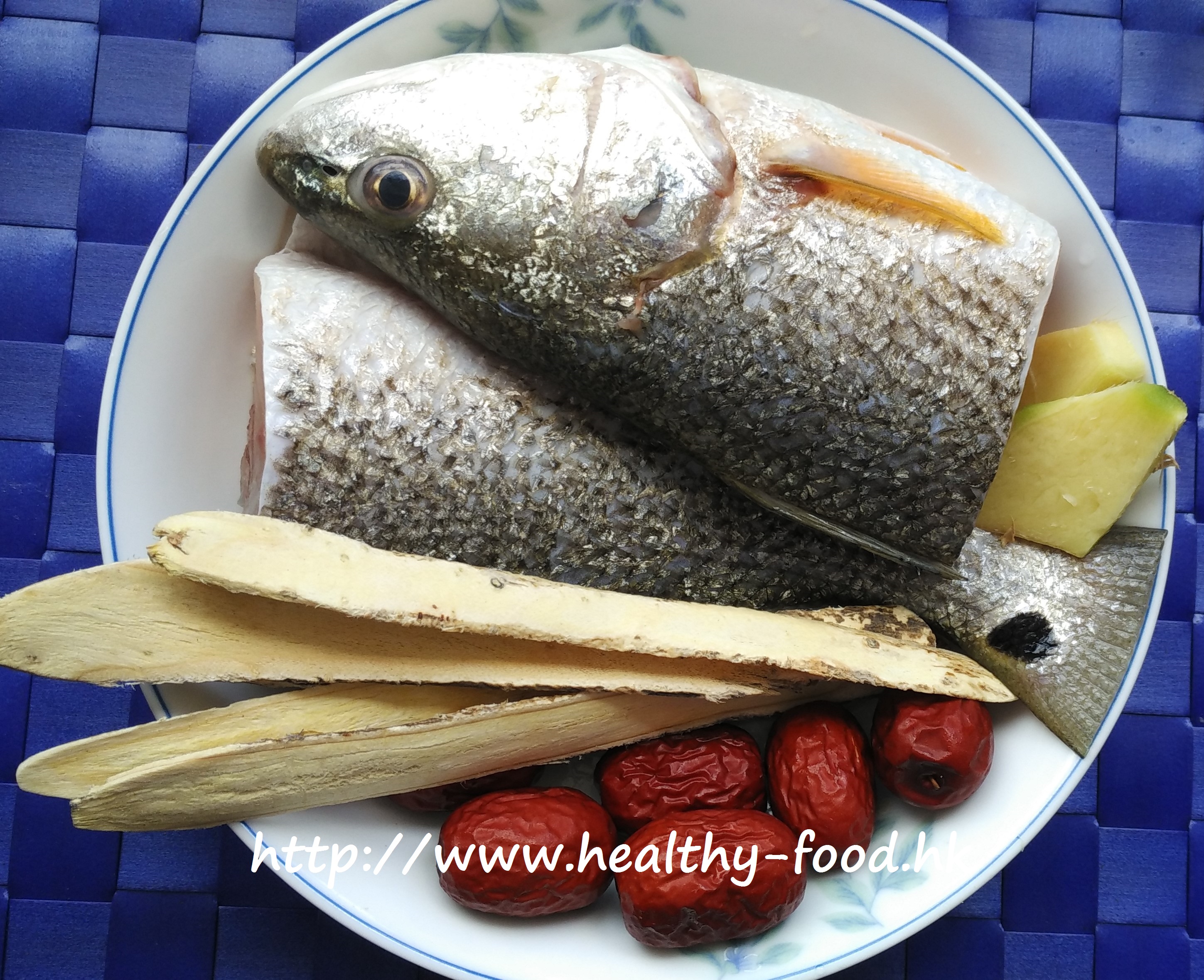
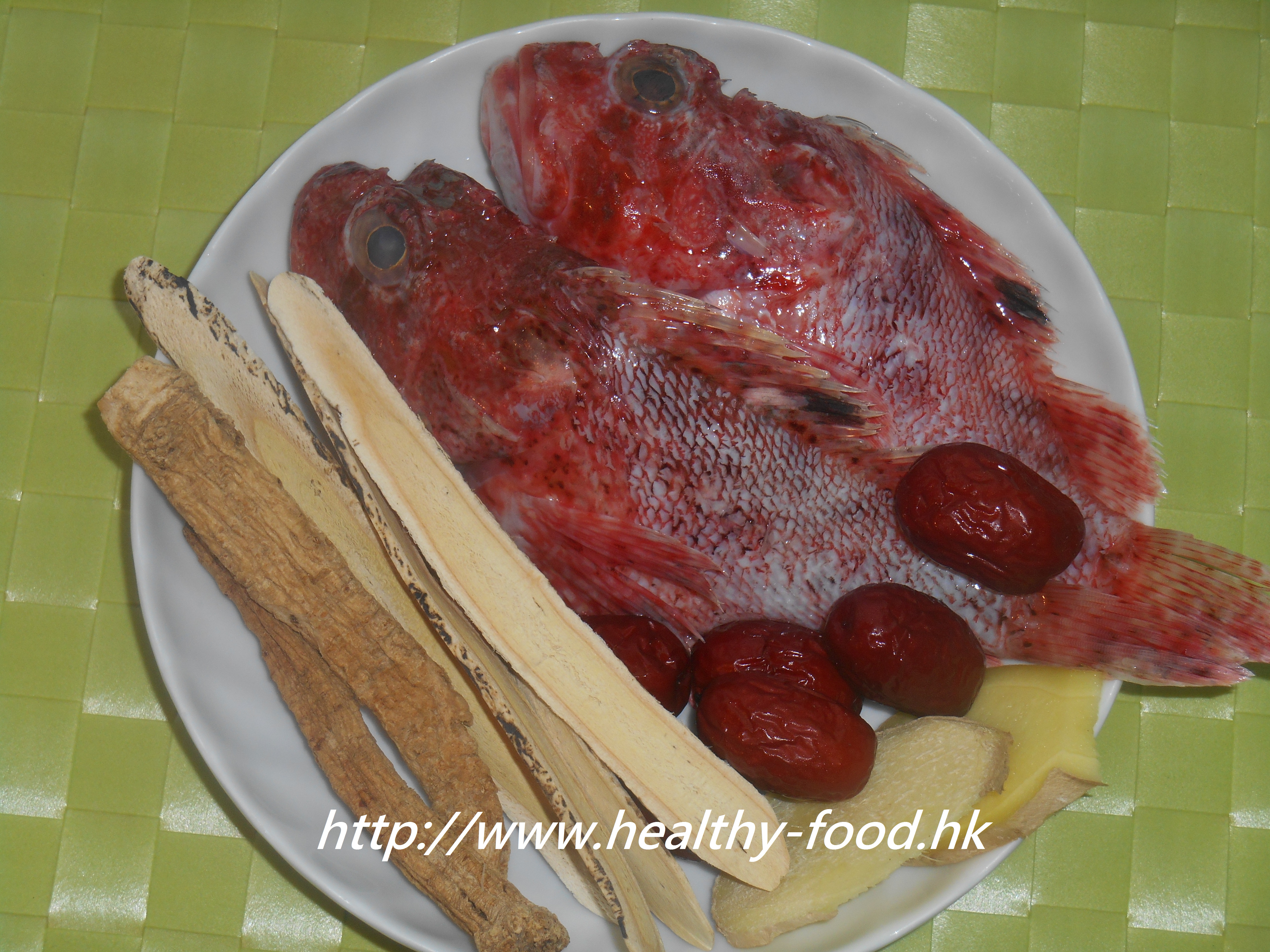
- Astragalus root (bei qi): A widely respected tonic herb in Chinese food therapy. Traditionally associated with building qi, consolidating the body’s surface defences, and supporting the healing of tissue — particularly valued after childbirth or surgery.
- Goji berries (gou qi zi): Rich in carotenoids (especially zeaxanthin) and polysaccharides. Traditionally associated with nourishing the liver and kidneys, brightening vision, and supplementing yin — making them a natural complement to astragalus for a balanced tonic effect.
- Sea cucumber (hai shen): A prized ingredient in Chinese culinary medicine. Low in fat, high in protein, and rich in bioactive compounds including holothurin and chondroitin. Traditionally associated with nourishing yin, clearing mild internal heat, and supporting the kidneys. Modern research has explored its immune-modulating properties.
- Red dates (hong zao): Nourishing to the blood and spleen; add sweetness and balance to the broth.
- Pork ribs (pai gu): Provide a flavourful, protein-rich base for the broth.
Ingredients (1 double-steamed pot / 2–3 servings)
| Ingredient | Amount | Notes |
|---|---|---|
| Astragalus root (bei qi) | ~18 g (5 qian) | Rinse and soak |
| Goji berries (gou qi zi) | ~11 g (3 qian) | Rinse |
| Red dates (hong zao) | 5 | Pitted |
| Fresh ginger | 2 slices | |
| Rehydrated sea cucumber | 1–2 pieces | Blanch briefly before use |
| Pork ribs | ~225 g (6 liang) | Blanched to remove impurities |
| Boiling water | 2.5 bowls (~625 ml) | Added to the steaming pot |
Method
- Rinse the astragalus root and goji berries. Remove the pits from the red dates.
- Blanch both the sea cucumber and pork ribs briefly in boiling water; drain and set aside. This removes any impurities and off-smells.
- Place all ingredients into a double-steaming pot (zhun zhong / dunzhong).
- Add approximately 2.5 bowls of boiling water.
- Place the covered steaming pot into a larger pot filled with water. Steam over medium heat for 2 hours.
- Serve warm; drink the broth and eat the sea cucumber and other ingredients.
Bro Niu’s tips
This broth is both nourishing and beautifully flavoured — do not let the word “tonic” put you off. It is equally suitable for anyone recovering from surgery or illness, not just new mothers. Sea cucumber is associated with supporting immune function and inhibiting abnormal cell growth; for those with cancer, it is a traditionally recommended ingredient to incorporate into regular cooking. If you cannot find fresh or rehydrated sea cucumber, frozen sea cucumber is fine — just ensure it is thick-fleshed and blanch it after thawing.
Community questions answered (selected)
-
Q (Janet): Can a breastfeeding mother eat sea cucumber and fish maw (flower bladder)? Bro Niu: Yes, but wait until your digestion has settled and your milk flow is well established first. If the digestive system has not yet recovered, or if the milk ducts are not yet open and flowing freely, eating rich, nourishing ingredients too early can cause digestive sluggishness or blocked milk ducts.
-
Q (Sonia): I have been experiencing insomnia, crying easily, and irritability since giving birth — is there any food therapy to help with postnatal mood changes? Bro Niu: If the symptoms are serious, please see a doctor — postnatal mood changes respond well to treatment. For food therapy support, try simmering wheat grain (xiao mai), mix-fried liquorice root (zhi gan cao), poria spirit (fu shen), lily bulb, and red dates together into a soup. This combination is traditionally associated with calming the mind and easing emotional turbulence. Take 4–5 portions over consecutive days.
-
Q (kiwiho): I just gave birth — what should I eat to help my body recover? Bro Niu: For the very early days after a natural birth, a simple red date and millet congee is wonderful for replenishing blood and supporting the spleen. A small amount of motherwort (yi mu cao), hawthorn (shan zha) and brown sugar boiled together as a tea is traditionally used to help the uterus recover and clear lochia.
Published July 3, 2019 · Adapted and translated for Nourilo from a traditional home-kitchen recipe. Approx. 4 min read.