Herbal & Flower Teas
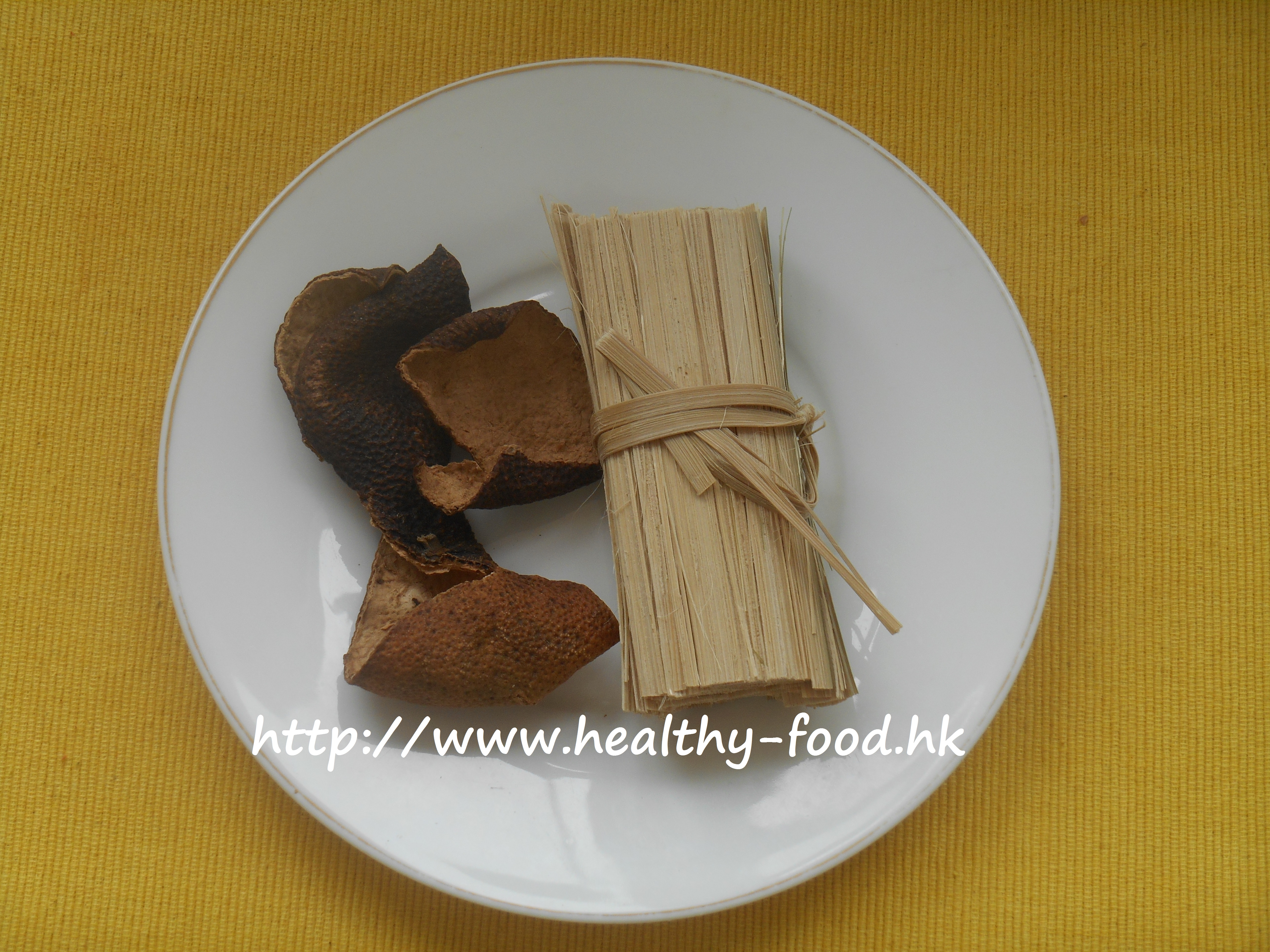
Tangerine Peel and Roasted Rice Tea
Traditionally used to support post-surgical recovery, settle the digestive system, and help the body expel trapped gas
In short: Tangerine Peel and Roasted Rice Tea is a herbal & flower tea that Traditionally used to support post-surgical recovery, settle the digestive system, and help the body expel trapped gas. It is most often made for digestive wellness, energy & vitality. Total time about 30 min. Key ingredients: tangerine peel.

Why people make this tea
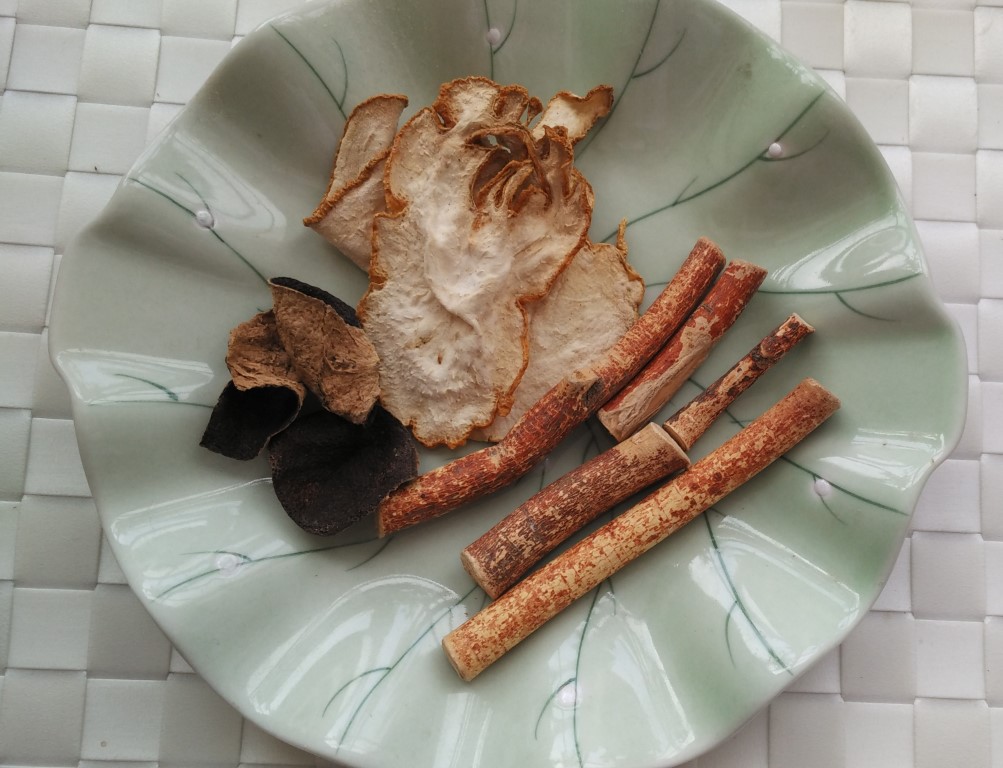
Every year Nourilo sun-dries a batch of fresh tangerine peel. Good aged peel (chen pi) is becoming increasingly expensive, so making your own and letting it mature for three years or more is well worth the effort. The older the peel, the more fragrant it becomes — after ten or twenty years, opening a jar fills an entire room with the warm, complex scent of aged citrus.
Traditional Chinese medicine often says: “A hundred years of chen pi, a thousand years of ginseng” — a testament to how highly aged tangerine peel is regarded. What makes this recipe particularly interesting is how it pairs chen pi with one of the most overlooked kitchen techniques: dry-roasting plain white rice in a wok until golden.
The result is a mild, naturally sweet tea with a pleasant toasted aroma. It is used in Cantonese households primarily for two things: supporting people who have just undergone surgery (especially caesarean birth), where trapped air inside the abdominal cavity can cause significant discomfort; and settling the digestive system after illness, for people who feel bloated or have lost their appetite.
What studies say about the key ingredients
Traditional use is not the same as clinical proof. Here is the strongest human research we found for each ingredient, limitations included.
- Tangerine peel
The tangerine peel drink group showed significant reductions in body weight and triglycerides after the intervention compared with the control group (p < 0.05). Safety markers showed no adverse effects. Gut microbiota and serum metabolite profiles also differed.Limitation: Small pilot trial with only 55 of 72 participants completing. The fermented product is not the same as plain tangerine peel, and the control group is not described.PubMed 40225325
From the Nourilo Research Library. Findings come from specific doses, extracts and populations and may not apply to a home-cooked recipe.
Safety first — read before you cook
This is a traditional food, not a treatment. Please check with your doctor or pharmacist before making it a regular part of your diet if you:
- are pregnant or breastfeeding, or are cooking for a young child;
- take regular medicines — especially blood thinners, blood-pressure, diabetes or immune-suppressing drugs;
- have a kidney, liver or heart condition, or a known food allergy.
Stop eating it and seek advice if you notice an allergic reaction or feel unwell. Safety notes reviewed 8 October 2026 · How we write safety notes
Members only
Unlock the full method & Nourilo's tips
One payment, lifetime access to every one of our 2,344 recipes — step-by-step methods, preparation tips and serving notes.
- Full step-by-step method for this and all 2,344 recipes
- Nourilo's Tips — sourcing, substitutions and serving notes
- One-time payment · card, Apple Pay or Google Pay · no subscription, no renewals
Checking your access…
$59.99 one-time · all recipes
Sign in or create a free account, then pay once by card, Apple Pay or Google Pay.
Continue with GoogleBy continuing with Google or email you confirm you are 16 or older and agree to our Terms of Use and Privacy Policy.
$59.99 one-time · all recipes
Signed in as ·
Secure checkout by Stripe. One-time payment, no renewals. Access is linked to your Nourilo account and never expires. By paying you agree to our Terms of Use; you can get a full refund within 14 days (refund policy).
Comments
Join the conversation — sign in or create a free account to comment.
Continue with GoogleBy continuing with Google or email you confirm you are 16 or older and agree to our Terms of Use and Privacy Policy.
Loading comments…