Herbal & Flower Teas
Lychee Seed and Longan Seed Decoction
traditionally used to move stagnant qi and warm the lower abdomen, associated with relieving hernia-related discomfort
Why people make this decoction
In Chinese folk medicine, the hard seeds of lychee and longan fruit have long been considered useful for conditions involving stagnant qi in the lower abdomen — including the type of discomfort that accompanies an inguinal (small-intestine) hernia. Multiple traditional food-therapy texts reference lychee seed in particular for its ability to “move stagnant qi and disperse cold,” qualities that practitioners associate with the pulling sensation or dull pain that a hernia can produce.
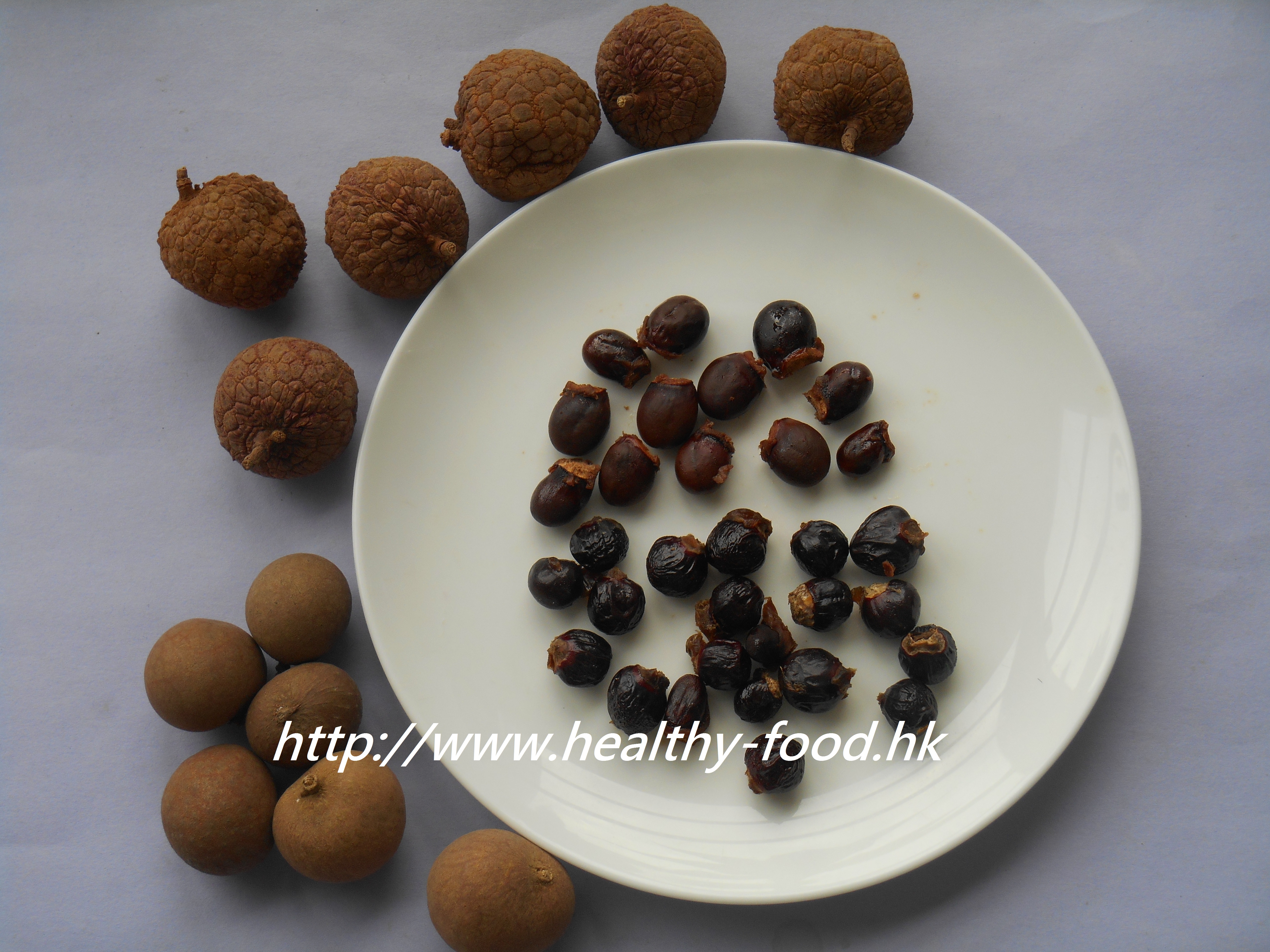
The seeds are the part you usually discard when eating the fruit. Many families collect and dry them during the summer when lychees and longans are in season, so they have a supply on hand year-round.
Who it suits / who should be cautious
- Traditionally used for adults and children with diagnosed inguinal hernias, as a complementary home support alongside medical management
- Can be used after hernia surgery as a maintenance measure to help prevent recurrence, once the acute recovery period has passed
- Children who cannot swallow powder can be given the boiled decoction instead
- This is a supportive, not curative, remedy — anyone with a symptomatic hernia should be evaluated by a doctor, and surgery may be required
Why these ingredients (the food-therapy logic)
- Lychee seed (li zhi he): Cited in multiple traditional Chinese texts for moving qi and dispersing cold; traditionally associated with easing lower abdominal pain and swelling related to hernia or cold-stagnation patterns
- Longan seed (long yan he): Used similarly in folk medicine; considered complementary to lychee seed in addressing cold-qi stagnation in the lower burner
- Fennel seeds (xiao hui xiang) — optional: Traditionally used to warm the middle and lower abdomen, relieve pain, and support qi movement; combined with the two fruit seeds, it makes a classic three-ingredient powder for ongoing hernia management
Ingredients (2 bowls — 1 serving, boiled method)
| Ingredient | Amount | Notes |
|---|---|---|
| Lychee seeds | 10 pieces | Dried; crack open with the back of a knife or place in a bag and tap with a mallet |
| Longan seeds | 10 pieces | Dried; crack similarly |
| Water | 4 bowls |
Method — Boiled decoction (simpler)
- If you do not have a blender to grind the seeds to powder, use the back of a heavy knife or a mallet to crack each seed open. Place seeds in a zip-lock bag first so they do not scatter.
- Rinse the cracked seeds and place in a saucepan with 4 bowls of water.
- Bring to a boil, then reduce to a gentle simmer for about 45 minutes.
- Strain and drink the liquid warm. Take once daily.
Method — Powder blend (for ongoing use, three-ingredient version)
- Dry-toast equal portions of lychee seeds, longan seeds, and fennel seeds in a dry wok (no oil) until fragrant.
- Grind to a fine powder using a blender or food processor.
- Each time, take half a teaspoon of the blended powder with warm water. Use three times per week.
Bro Niu’s tips
- Some Chinese herbal medicine shops stock dried lychee and longan seeds ready to use. Fresh seeds (from fruit just eaten) are even better — just dry them in the sun or a low oven before using.
- If longan is out of season, pomelo seeds (you zi he) can substitute: use 15 g of pomelo seeds, crack them open, and simmer in 3 bowls of water down to 2 bowls. Drink morning and evening, three times a week.
- After hernia surgery, Bro Niu recommends first drinking plain white radish with tangerine peel water to help clear residual anaesthetic. After a few days, switch to the small fennel seed congee (xiao hui xiang congee) to promote qi movement and ease residual pain: simmer 5 qian of fennel seeds in 5 bowls of water for 20 minutes, use the resulting liquid to cook a simple rice congee, 3 to 4 times a week.
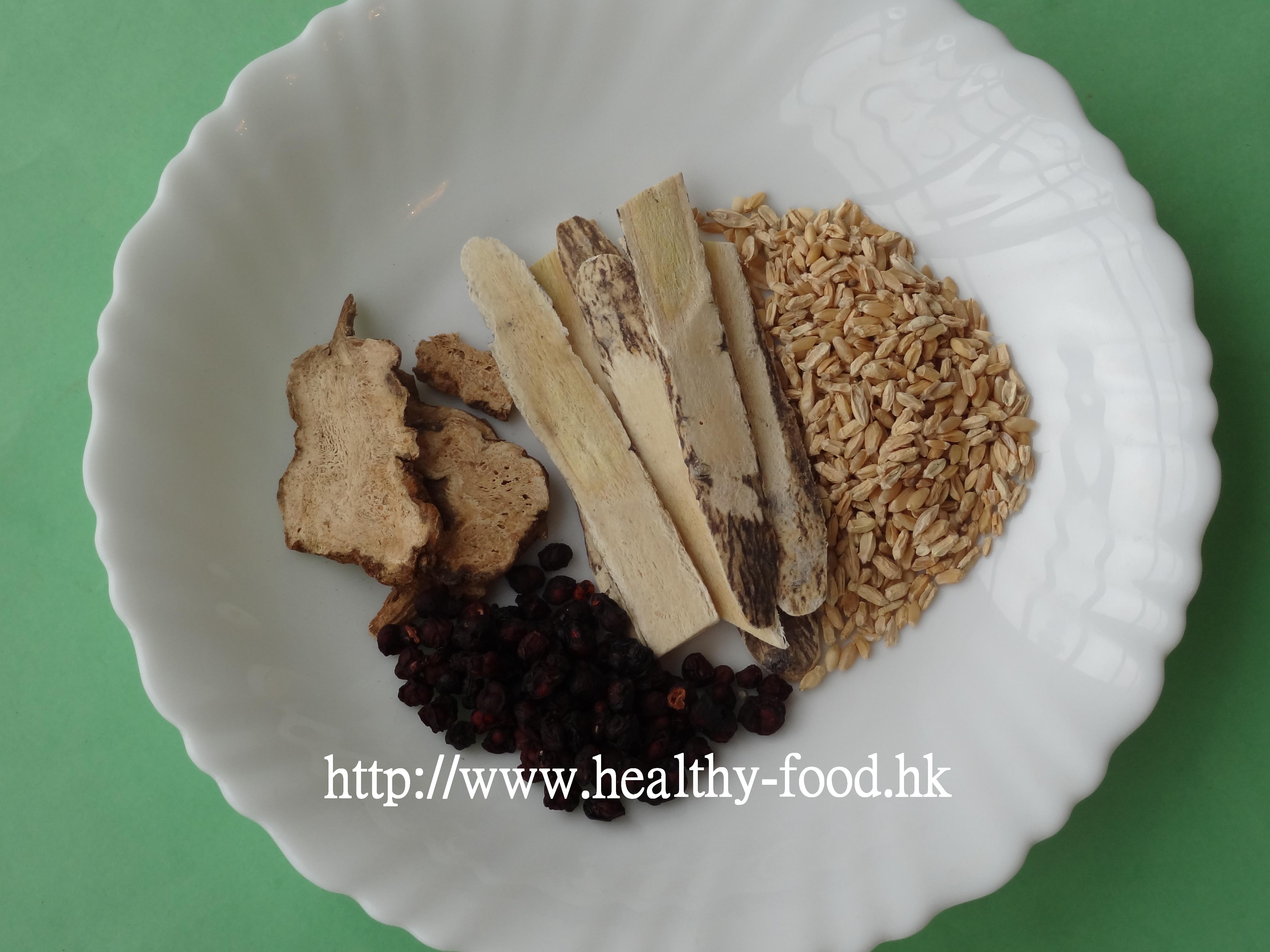
- For post-surgery recovery soup, Bro Niu suggests astragalus (bei qi, 5 qian), glehnia root (sha shen) and Solomon’s seal (yu zhu, 3 qian each), red dates (hong zao, 6 pieces), and tangerine peel (chen pi) with lean pork; after 3 to 4 days, switch to grouper fish or sea bass soup to promote deeper wound healing.
Community questions answered (selected)
-
Q (Jessica — 1-year-old with umbilical hernia): Can a one-year-old take this remedy? Should it be used daily until the hernia disappears? And how does it work? Bro Niu: Yes, young children can use this food therapy, but since children at this age cannot swallow powder, it is better to crack the seeds and boil them as a decoction for the child to drink. Multiple traditional food-therapy books reference lychee and longan seeds for small-intestine hernia — they are said to move stagnant qi and disperse cold. You can give the decoction daily until improvement is seen.
-
Q (妹头 — mother just had hernia surgery): Is this suitable after hernia surgery? What else is helpful? Bro Niu: Yes. Right after surgery, drink white radish and tangerine peel water to help clear anaesthetic residue and support bowel movement. Afterwards, cook astragalus, glehnia root, Solomon’s seal, red dates, and tangerine peel with lean pork soup. After 3 to 4 days, grouper or sea bass fish soup will support deeper wound healing. The dried lychee and longan seed decoction can be used as ongoing maintenance to help prevent recurrence.
-
Q (CAROL — 55-year-old male, hernia surgery next week): What soups or food therapy help after the surgery and for daily maintenance? Bro Niu: After the operation, make small fennel seed congee regularly — simmer 5 qian of fennel seeds in 5 bowls of water for 20 minutes, strain, and use the liquid to cook a rice congee. Take 3 to 4 times a week. This helps move qi and ease residual pain, and supports ongoing hernia management.
Published December 8, 2014 · Adapted and translated for Nourilo from a traditional home-kitchen recipe. Approx. 5 min read.