Soups
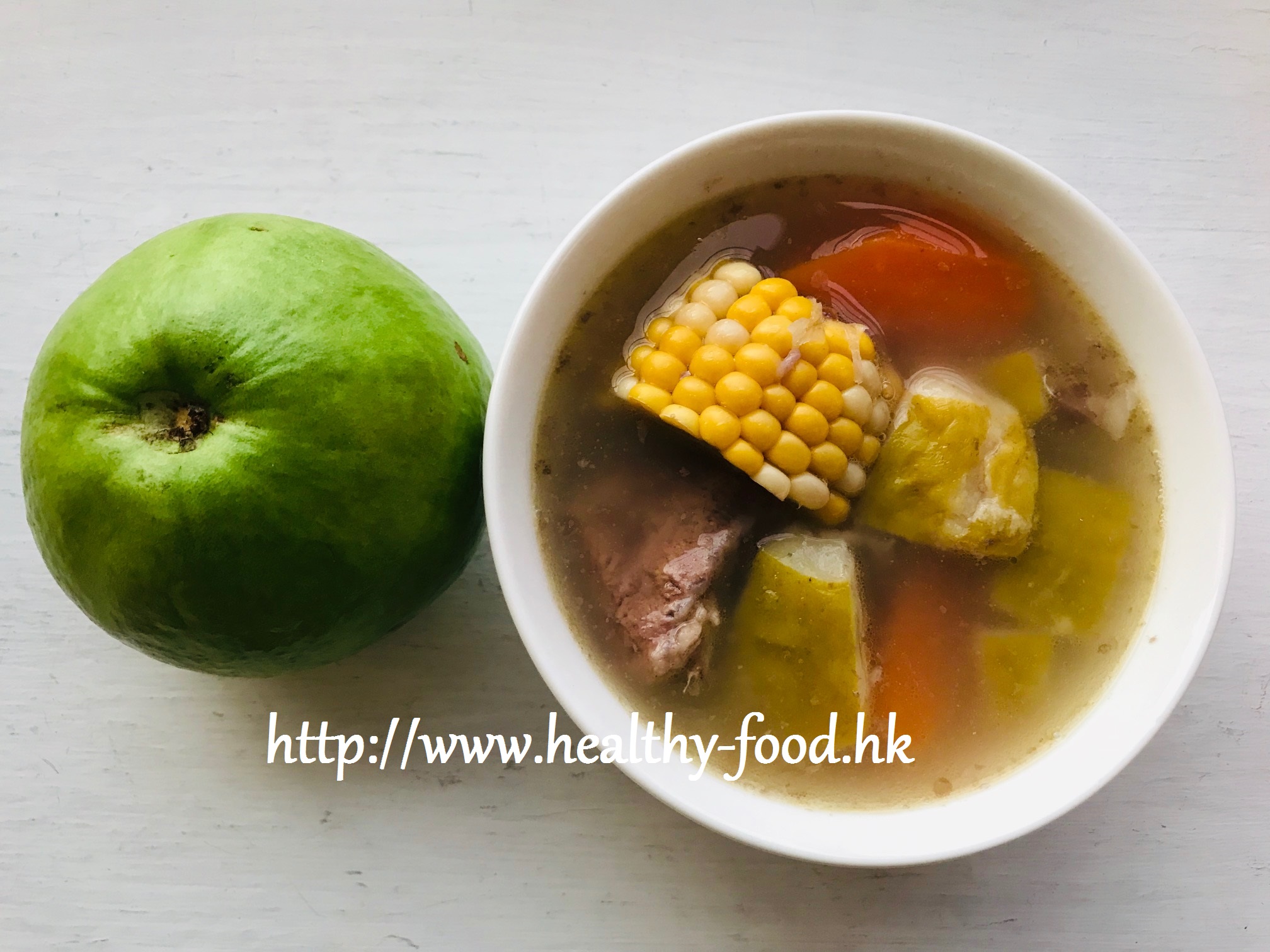
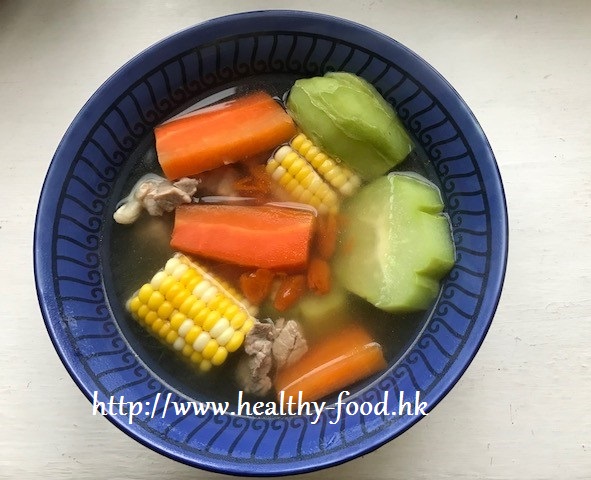
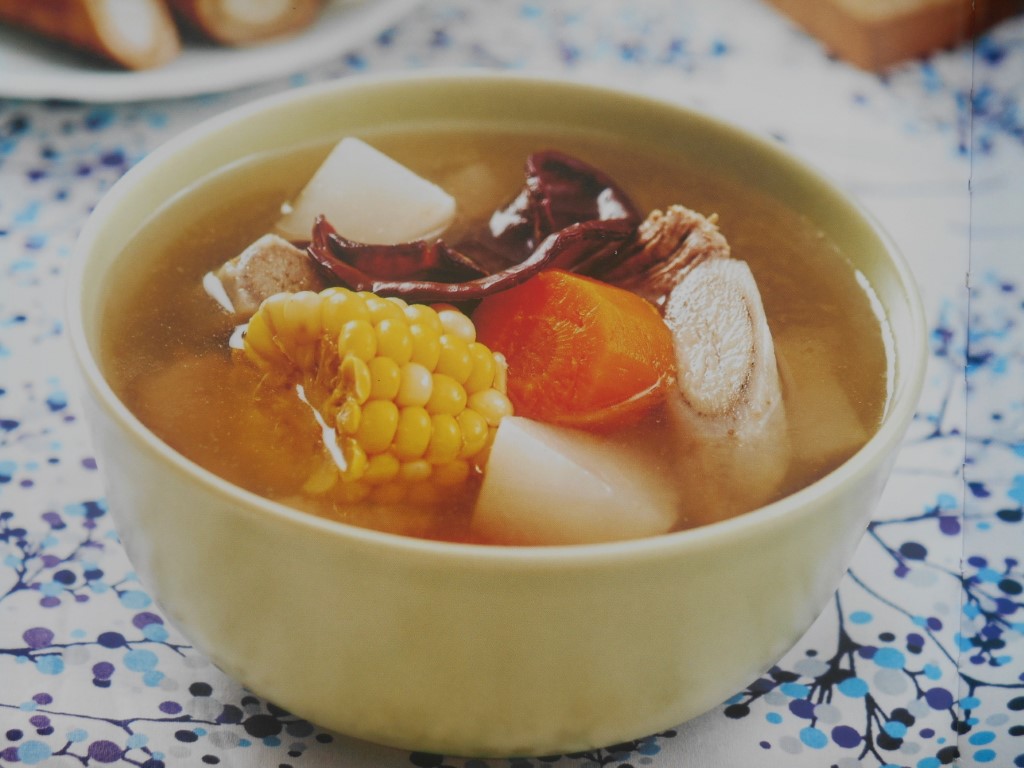
Guava, Corn, and Pork Rib Soup
traditionally associated with supporting healthy blood sugar levels and cardiovascular wellness
In short: Guava, Corn, and Pork Rib Soup is a soup that traditionally associated with supporting healthy blood sugar levels and cardiovascular wellness. It is most often made for blood sugar balance, heart & circulation, everyday balance. Total time about 1 hr 15 min. Key ingredients: carrot, corn, pork ribs.
Why people make this soup
Years ago, a relative of Nourilo living in Australia was diagnosed with diabetes. Despite taking Western medication, his blood sugar remained stubbornly difficult to manage. A friend with Chinese medicine knowledge noticed that there were two guava trees in his garden, and suggested picking a handful of guava leaves each day to brew as a tea, and eating several ripe guavas daily when they were in season. After following this for some time, he found that his excessive thirst, frequent urination, and the characteristic foamy appearance of his urine all improved considerably.
Fresh guava is now widely available in Asian grocery stores — and the smaller, deep-red “ruby” varieties are deliciously sweet, while the larger, firm, green-skinned guavas from Southeast Asia (sometimes called “ba le” or “guayaba”) have particularly strong associations with supporting insulin secretion and blood sugar regulation. Nourilo pairs them here with corn and carrot to make a gentle, everyday family soup.
Method
- Rinse the guavas and cut into chunks with skin on (the skin also contains beneficial compounds). Remove seeds if desired.
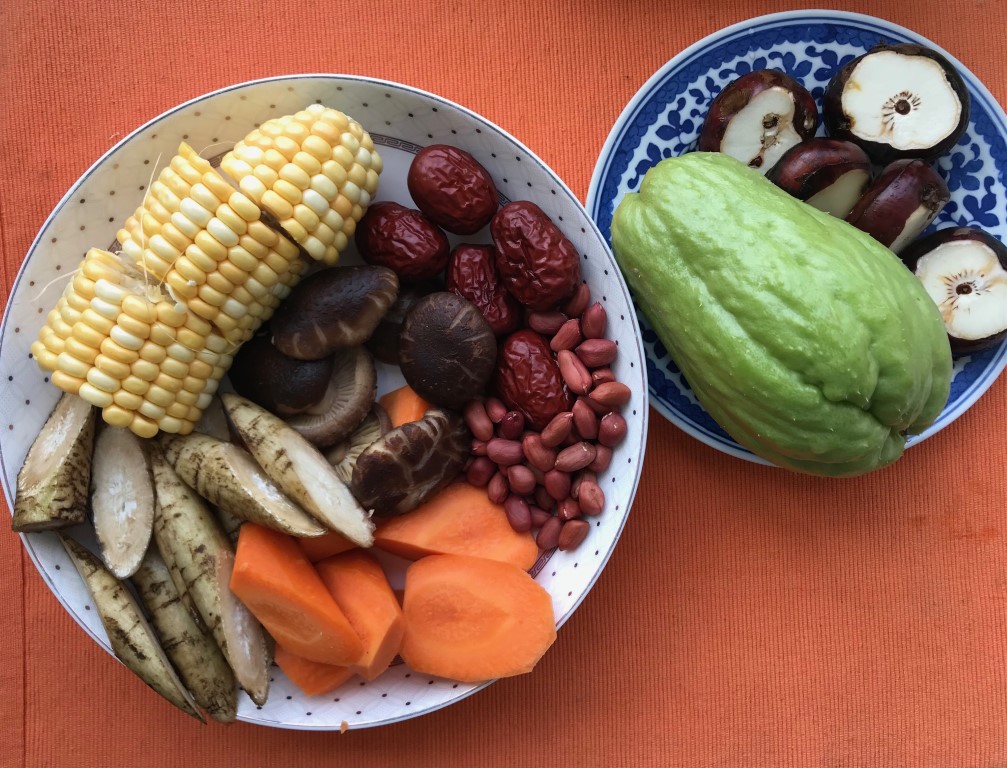
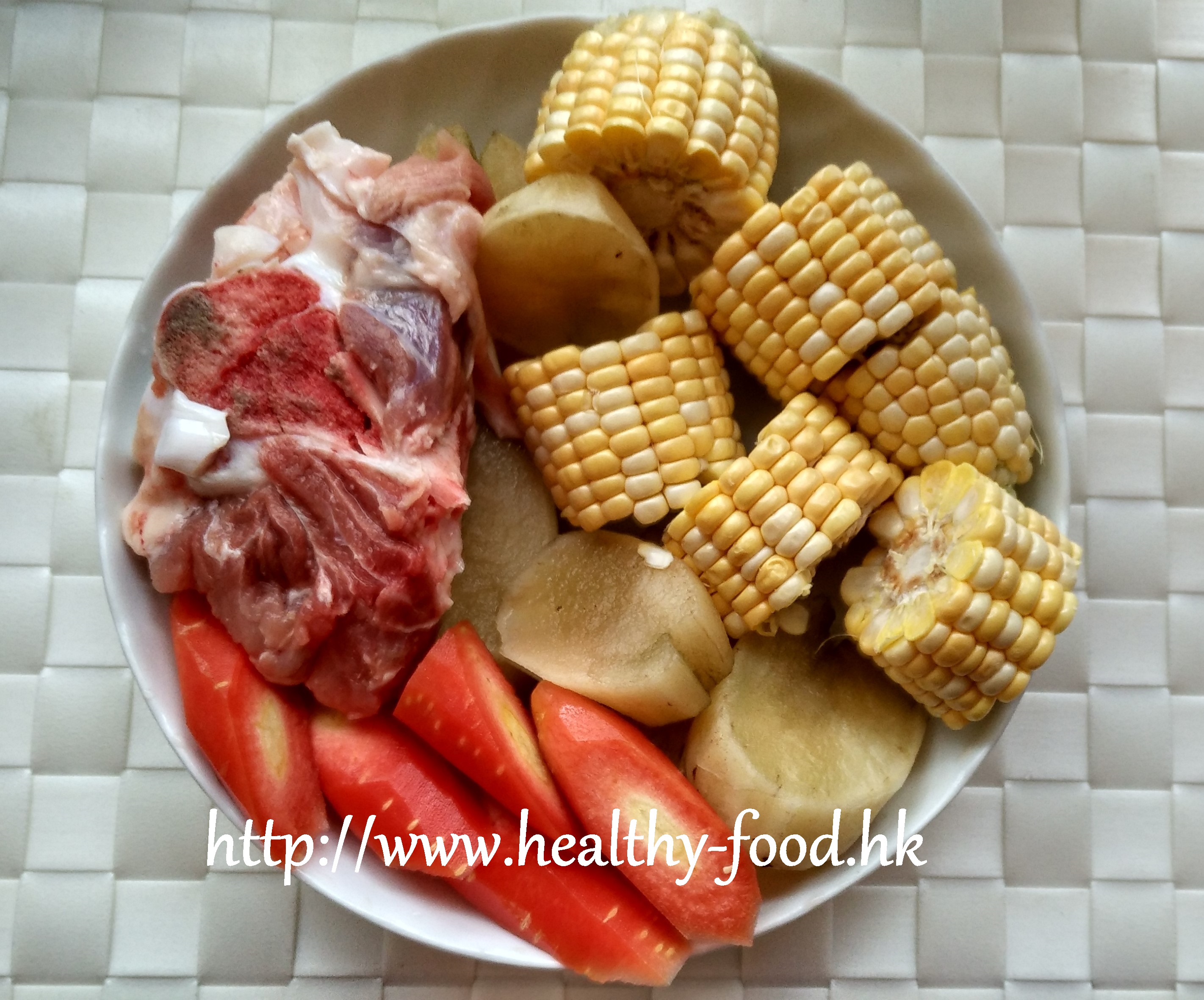
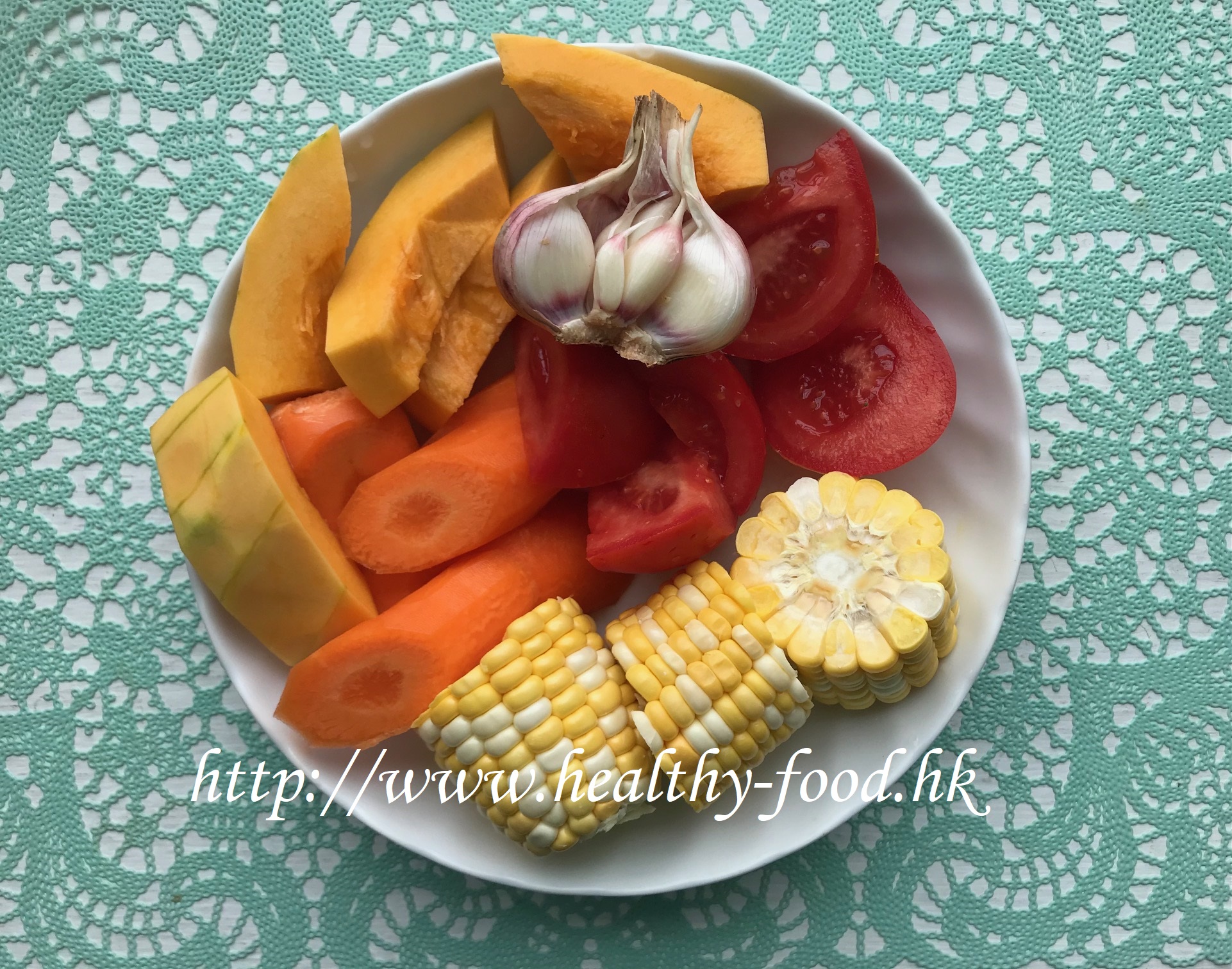
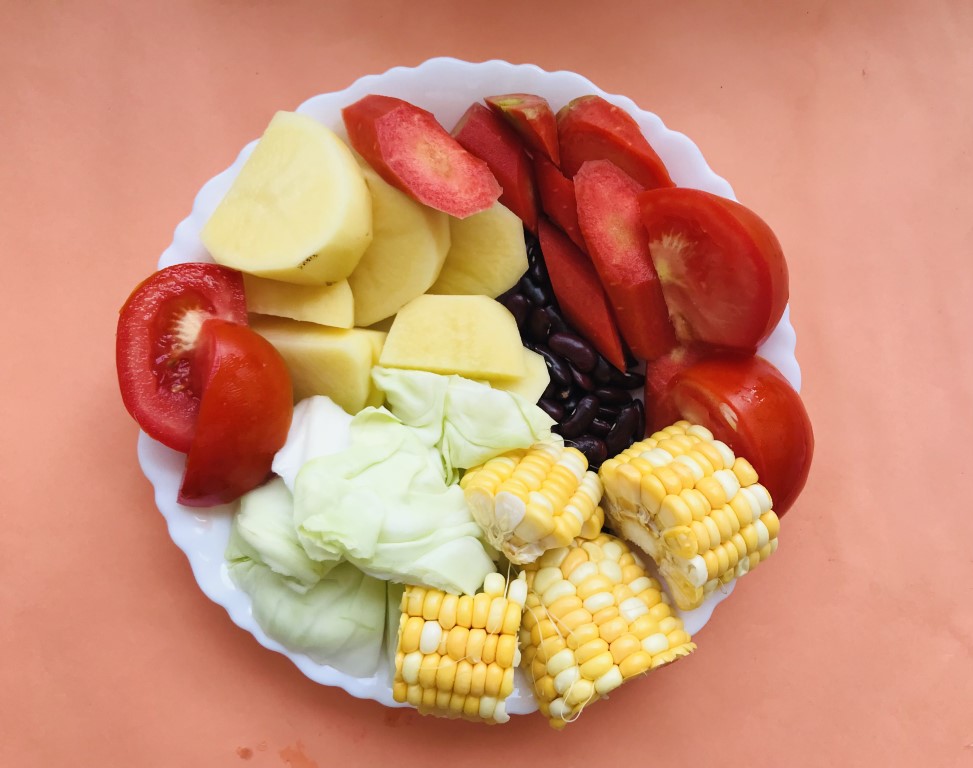
- Peel and cut the carrot into chunks. Husk the corn and cut into sections.
- Blanch the pork ribs in boiling water for 2–3 minutes; drain and rinse.
- Combine all ingredients with 2.1–2.4 L of water in a pot.
- Bring to a boil, then reduce to a steady simmer and cook for 1 hour until reduced to 1.2–1.5 L.
- Serve and eat both the soup and the solid ingredients — including the guava flesh — for full benefit.
Nourilo’s Tips
The red-fleshed “ruby” guava is sweeter and better for eating fresh; the harder, green-skinned variety is better for soups and has stronger blood sugar associations. Both types are high in fibre, which helps clear intestinal waste and supports healthy bowel movement — but the seeds are indigestible, so those prone to constipation or who strain to pass stools should remove the seeds before cooking or eat only moderate portions. If you remove the seeds, add an extra guava to compensate for the reduced volume.
Safety first — read before you cook
This is a traditional food, not a treatment. Please check with your doctor or pharmacist before making it a regular part of your diet if you:
- are pregnant or breastfeeding, or are cooking for a young child;
- take regular medicines — especially blood thinners, blood-pressure, diabetes or immune-suppressing drugs;
- have a kidney, liver or heart condition, or a known food allergy.
Stop eating it and seek advice if you notice an allergic reaction or feel unwell. Safety notes reviewed 8 October 2026 · How we write safety notes
Comments
Join the conversation — sign in or create a free account to comment.
Continue with GoogleBy continuing with Google or email you confirm you are 16 or older and agree to our Terms of Use and Privacy Policy.
Loading comments…