Soups
Phyllanthus, Black Fungus and Burdock Root Soup (You Gan Zi Mu Er Niu Bang Tang)
traditionally used to support blood sugar balance, blood pressure, and cardiovascular health
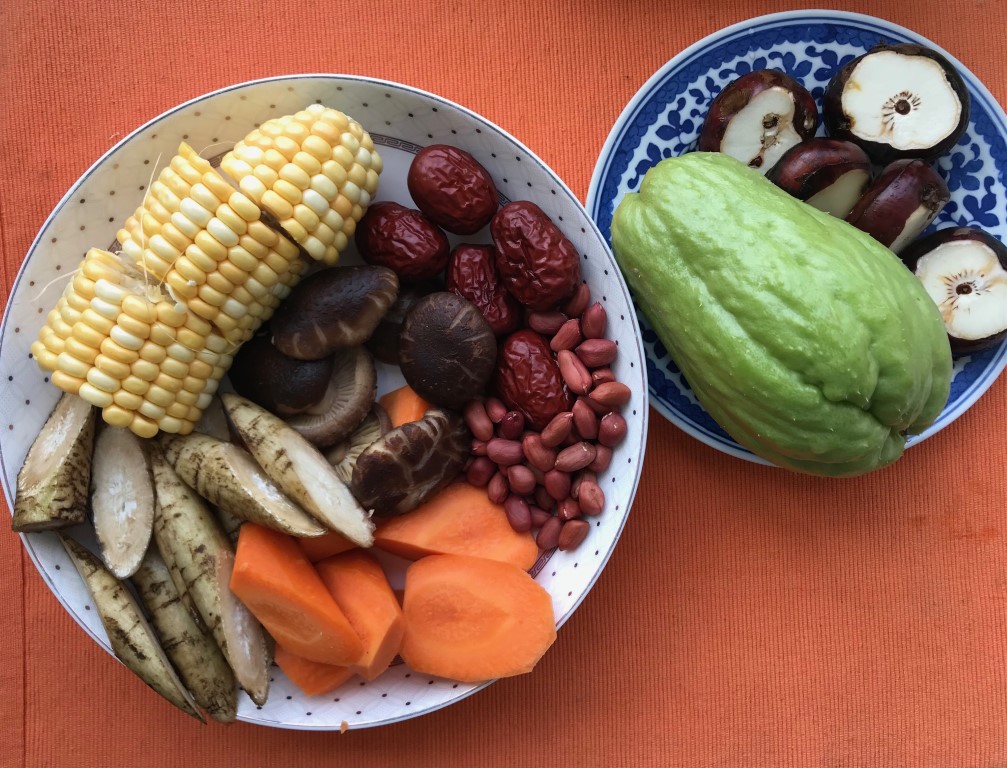
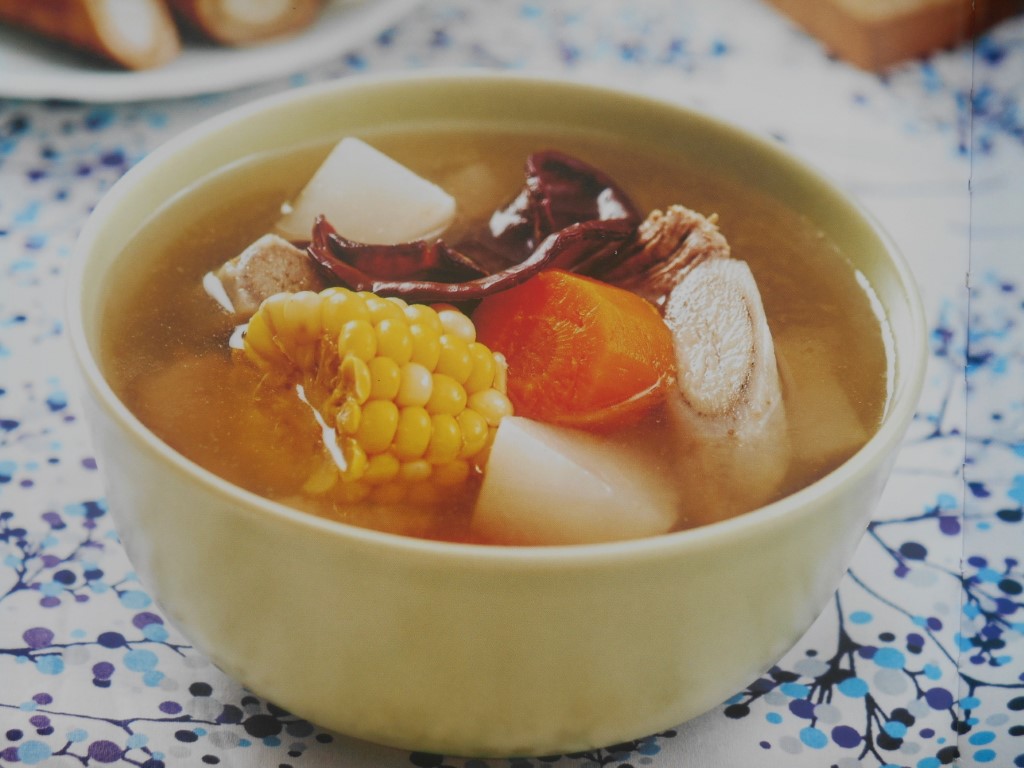
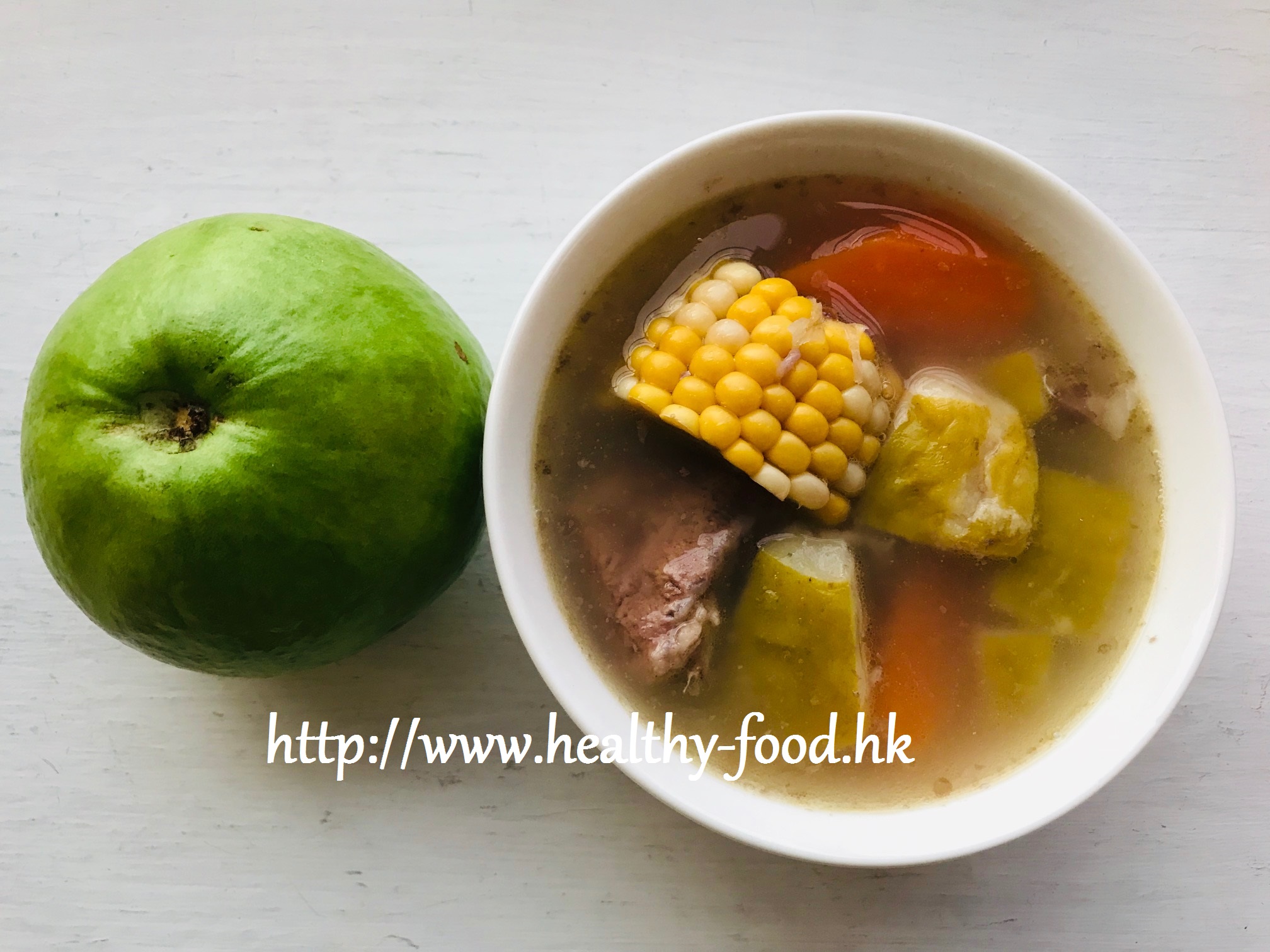
In short: Phyllanthus, Black Fungus and Burdock Root Soup (You Gan Zi Mu Er Niu Bang Tang) is a soup that traditionally used to support blood sugar balance, blood pressure, and cardiovascular health. It is most often made for blood sugar balance, heart & circulation, everyday balance. Total time about 135 min. Key ingredients: burdock root, carrot, water chestnuts, figs.

Why people make this soup
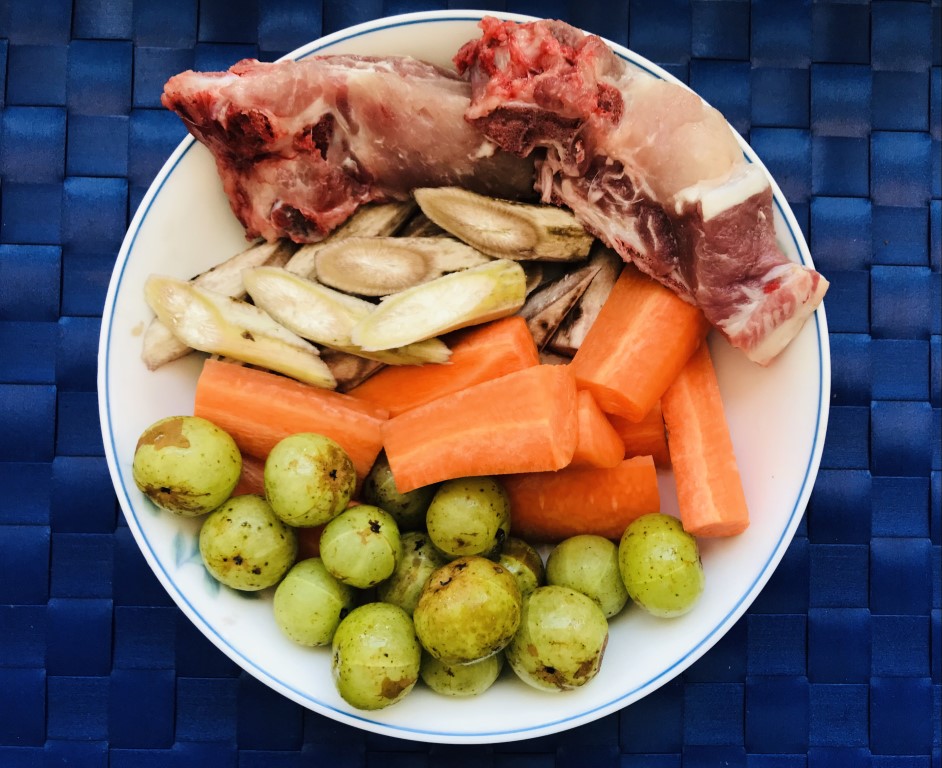
Phyllanthus berry — known as oil kan zi in Cantonese, Indian gooseberry or amla in English — has an intriguing property that sets it apart from most vitamin C-rich foods: its ascorbic acid remains stable even after high heat and prolonged cooking, unlike the vitamin C in most fruits and vegetables. This means that even after a long simmer, you still get real antioxidant activity from this fruit. In traditional Cantonese food therapy, phyllanthus is associated with aiding digestion, managing blood sugar, and restraining the effects of diabetes — and is a common sight in flower stalls and herbal medicine stores across southern China. This soup combines it with burdock root (traditionally used for its association with blood glucose and cholesterol management), black fungus (long valued for cardiovascular support), water chestnut (cooling and moistening), and dried figs (gentle and sweet). The result is a soup suitable for middle-aged and older adults as a regular health-maintenance dish.
Method
- Gently crack each phyllanthus berry with the flat of a knife — this helps release flavor and active compounds into the soup.
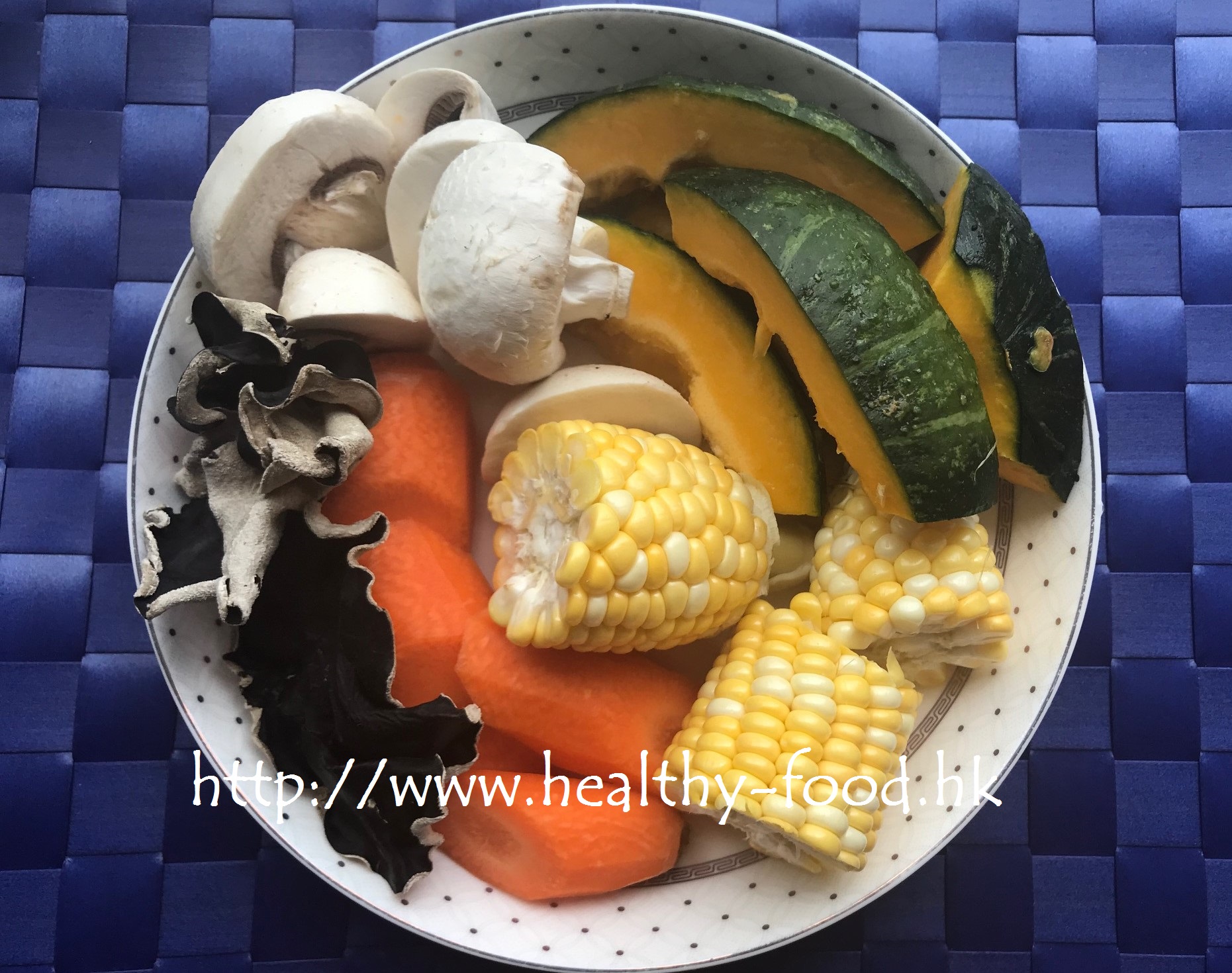
- Soak the dried black fungus until fully soft; drain and rinse. Slice into strips if desired.
- Scrub the burdock root under running water (do not peel — the skin contains beneficial compounds); cut into sections.
- Peel the carrot and water chestnuts.
- Place all ingredients in a pot and add 2.4 L of cold water.
- Bring to a boil, then reduce heat and simmer for 2 hours until the liquid reduces to approximately 1.2 L.
- Drink the soup and eat the ingredients to taste. No need to add salt — the natural sweetness of the figs and water chestnut balances the sour phyllanthus.
Nourilo’s Tips
This soup is naturally cooling and refreshing — ideal for summer, or for those who tend toward heat. If someone in the family has a cold constitution (always cold, prefers warm food), add 3 ginger slices and 2 pieces of dried tangerine peel to balance the soup’s nature. As an even simpler daily practice, dried phyllanthus (you gan zi gan) and guava leaf (fan shi liu gan) — each 1 tablespoon — can be steeped as a tea and drunk regularly for mild blood sugar support. Both can be found in herbal tea shops. Phyllanthus tea is naturally sour; if it is too sharp for sensitive stomachs, add a few leaves of stevia (tian ju ye) or drink after meals.
What studies say about the key ingredients
Traditional use is not the same as clinical proof. Here is the strongest human research we found for each ingredient, limitations included.
- Burdock root
Compared with placebo, root powder was associated with higher superoxide dismutase and catalase, lower malondialdehyde and C-reactive protein, and smaller ovarian volumes. Hirsutism and menstrual frequency results are not reported in the abstract.Limitation: Small single-centre trial of 60 women, recruited by convenience sampling. The 460 mg/day dose is much smaller than typical food intake.PubMed 41757842 · 2 more burdock root studies
From the Nourilo Research Library. Findings come from specific doses, extracts and populations and may not apply to a home-cooked recipe.
Safety first — read before you cook
This is a traditional food, not a treatment. Please check with your doctor or pharmacist before making it a regular part of your diet if you:
- are pregnant or breastfeeding, or are cooking for a young child;
- take regular medicines — especially blood thinners, blood-pressure, diabetes or immune-suppressing drugs;
- have a kidney, liver or heart condition, or a known food allergy.
Stop eating it and seek advice if you notice an allergic reaction or feel unwell. Safety notes reviewed 8 October 2026 · How we write safety notes
Comments
Join the conversation — sign in or create a free account to comment.
Continue with GoogleBy continuing with Google or email you confirm you are 16 or older and agree to our Terms of Use and Privacy Policy.
Loading comments…