Herbal & Flower Teas
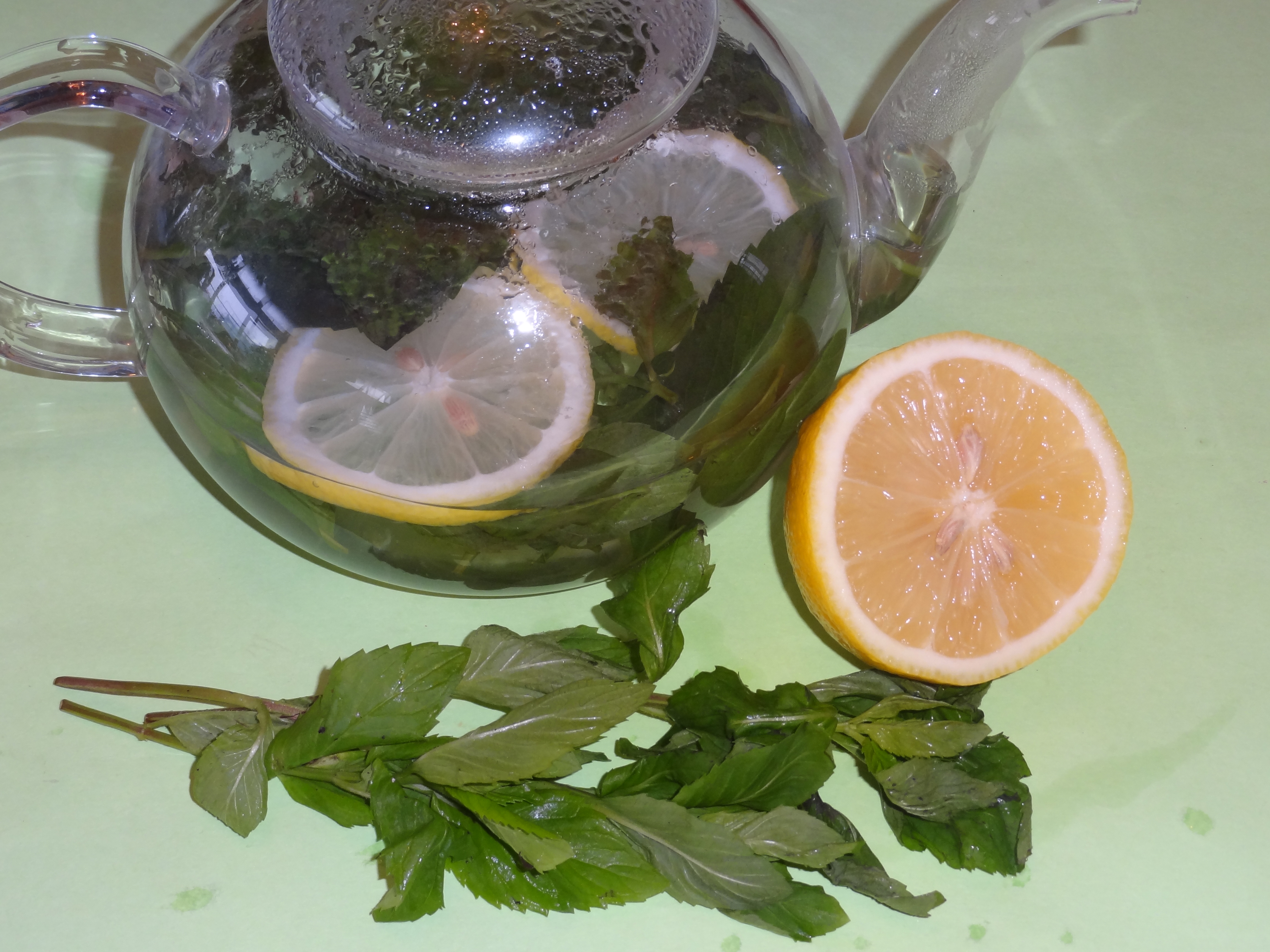
Fresh Lemon and Mint Tea
traditionally associated with freshening breath, reducing oral bacteria, and easing indigestion
In short: Fresh Lemon and Mint Tea is a herbal & flower tea that traditionally associated with freshening breath, reducing oral bacteria, and easing indigestion. It is most often made for digestive wellness, oral & throat comfort. Total time about 15 min. Key ingredients: lemon slices.
Why people make this tea
Nourilo is someone who takes dental health seriously — having lost three teeth from poor dental care during pregnancy, she now brushes thoroughly and gets a clean every six months. She rarely has gum problems or bad breath as a result. But bad breath is a common and socially difficult problem for many people: no amount of gum-chewing or water seems to help. This two-ingredient tea is elegant in its simplicity. Fresh lemon has well-documented antibacterial properties that directly target the harmful bacteria in the mouth responsible for odour. Fresh mint — used whole, stems and leaves together — contains menthol, which effectively neutralises bad breath compounds and cools what traditional food therapy calls “stomach fire.” Together they make an antimicrobial, anti-inflammatory tea that is also helpful for indigestion and wind-heat headaches.
Safety first — read before you cook
This is a traditional food, not a treatment. Please check with your doctor or pharmacist before making it a regular part of your diet if you:
- are pregnant or breastfeeding, or are cooking for a young child;
- take regular medicines — especially blood thinners, blood-pressure, diabetes or immune-suppressing drugs;
- have a kidney, liver or heart condition, or a known food allergy.
Stop eating it and seek advice if you notice an allergic reaction or feel unwell. Safety notes reviewed 8 October 2026 · How we write safety notes
Members only
Unlock the full method & Nourilo's tips
One payment, lifetime access to every one of our 2,344 recipes — step-by-step methods, preparation tips and serving notes.
- Full step-by-step method for this and all 2,344 recipes
- Nourilo's Tips — sourcing, substitutions and serving notes
- One-time payment · card, Apple Pay or Google Pay · no subscription, no renewals
Checking your access…
$59.99 one-time · all recipes
Sign in or create a free account, then pay once by card, Apple Pay or Google Pay.
Continue with GoogleBy continuing with Google or email you confirm you are 16 or older and agree to our Terms of Use and Privacy Policy.
$59.99 one-time · all recipes
Signed in as ·
Secure checkout by Stripe. One-time payment, no renewals. Access is linked to your Nourilo account and never expires. By paying you agree to our Terms of Use; you can get a full refund within 14 days (refund policy).


Comments
Join the conversation — sign in or create a free account to comment.
Continue with GoogleBy continuing with Google or email you confirm you are 16 or older and agree to our Terms of Use and Privacy Policy.
Loading comments…