Congee & Porridge

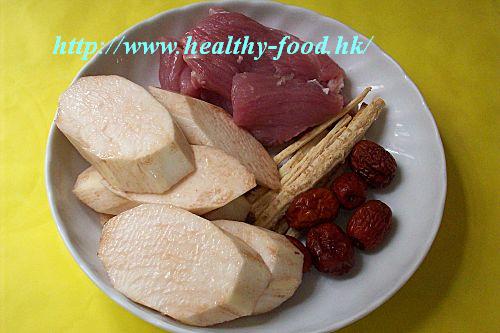
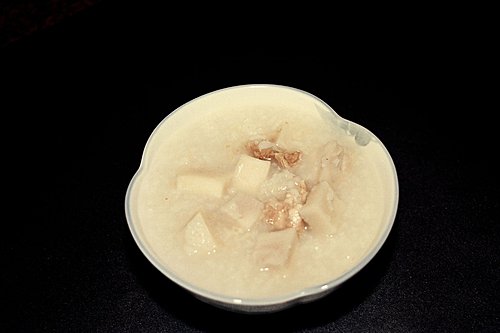
Fresh Chinese Yam and Lean Pork Congee

Traditionally associated with supporting healthy blood sugar, strengthening digestion, and nourishing the lungs

Prep
15 min
Cook
40 min
Total
55 min
Makes
2–3 servings
Fresh Chinese Yam and Lean Pork Congee

Why people make this congee

Fresh Chinese yam (xian huai shan) is available seasonally at Chinese and Asian grocers, and when it does appear it is well worth picking up — it can be made into soup, congee, or a simple stir-fry, and it keeps well. What makes fresh yam particularly valued is its natural mucilaginous coating — a sticky, slippery substance that, when eaten, coats the digestive tract gently and is thought in Chinese food therapy to support the health of blood vessels and help regulate how the body processes sugar. This congee is a traditional choice for people with diabetes, those managing weight, or anyone with cardiovascular concerns who wants a nourishing, uncomplicated morning meal.

Who it suits / who should be cautious

  • Particularly suitable for people managing blood sugar or weight, those with poor digestion, and elderly or children who need easy-to-digest nourishment
  • The glehnia root adds a mild yin-nourishing quality, making this suitable for those who tend to run dry or warm
  • People with constipation should keep portions moderate — Chinese yam has a mild astringent quality; add a few pieces of dried fig (wu hua guo) to the congee if constipation is a concern
  • Those with active diarrhoea due to bacterial infection should not use this — consult a doctor first

Why these ingredients (the food-therapy logic)

  • Fresh Chinese yam (xian huai shan): Contains a natural mucilage protein that is traditionally associated with protecting blood vessel walls, maintaining vascular elasticity, and supporting healthy blood sugar levels; also strengthens digestion, nourishes the lungs, and builds energy
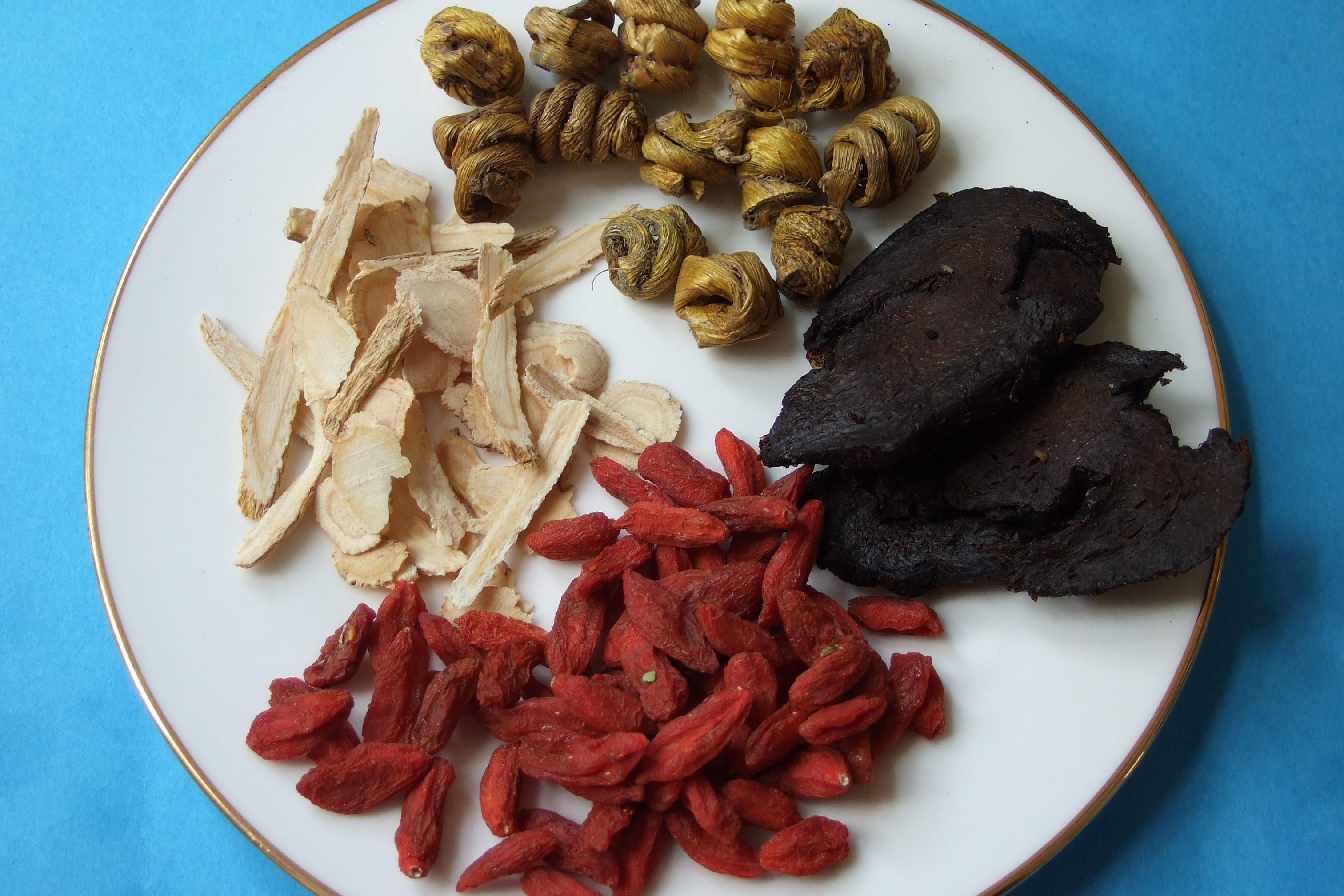
  • Glehnia root (sha shen): A gentle, yin-nourishing herb that moistens the lungs and stomach; pairs well with yam to broaden the tonic effect of this congee
  • Lean pork (shou rou): Adds protein and makes the congee savoury and satisfying without heaviness
  • Short-grain rice (jing mi): The base of any good congee; gentler on the stomach than long-grain varieties

Ingredients (2–3 servings)

IngredientAmountNotes
Fresh Chinese yam (xian huai shan)~225 g (6 liang)Peel and cut into rough chunks; wear gloves — the sap can cause skin itching
Glehnia root (sha shen)~19 g (5 qian)Rinse and soak briefly
Lean pork (shou rou)~113 g (3 liang)Slice or shred thinly
Short-grain / round rice (jing mi)~75 g (2 liang)Wash and rinse
Waterenough to cook congeeAdjust to preferred consistency
Saltto tasteOptional; keep it light

Method

  1. Peel the fresh Chinese yam and cut into rough chunks or thick slices. Note: the sap from fresh yam can cause itching on the skin — wear gloves when handling it, or rinse your hands immediately if they come into contact with the sap.
  2. Rinse the glehnia root and soak briefly in cold water.
  3. Slice or shred the lean pork thinly.
  4. Wash the rice well.
  5. Combine the rice, yam, and glehnia root in a pot with enough water to make a congee. Bring to a boil, then reduce to a low simmer.
  6. After about 20–25 minutes, when the congee is beginning to thicken, add the shredded pork and stir gently.
  7. Continue cooking until the congee reaches a smooth, pleasingly thick consistency — about another 10–15 minutes.
  8. Season lightly with salt if desired. Serve warm.

Bro Niu’s tips

The sticky sap on fresh Chinese yam is actually one of its most prized qualities from a food-therapy perspective — it is the mucilage that carries much of the yam’s health-supporting action. This means fresh yam is generally considered more potent than dried slices. If fresh yam is unavailable, dried Chinese yam (gan huai shan) can be used — soak it overnight first to soften before cooking. Yam powder (huai shan fen), sold at organic food stores, can also be stirred into a finished congee or warm drink for convenience. On the question of acidity in dried yam: some dried yam has a slightly sour smell from sulphur fumigation used in processing. Simply soak the dried yam in clean water for about an hour and discard the soaking water before cooking. Sulphur-free dried yam is available at speciality stores and Chinese herb shops, usually labelled “sheng shai” (sun-dried).

Community questions answered (selected)

  • Q (johoyo): My mother is 75 and has been diagnosed with diabetes. She has been drinking pomegranate tea and some of your recommended soups, but her blood sugar still hasn’t come down. Can she drink the tai zi shen and qian shi duck soup you recommended? Also, is longan tea good for lowering blood sugar? Bro Niu: The tai zi shen and euryale seed with old duck soup is a slow-cooked old-style broth. Luohan guo (monk fruit) tea is beneficial for diabetic patients and has a blood sugar-lowering effect — it can be drunk in moderate amounts. The most important thing is to track daily food very carefully: sweet foods obviously need to go, but even high-sugar fruits must be eliminated, and total starch and carbohydrate intake must be strictly limited. If possible, test blood sugar regularly and identify which foods cause spikes — then eliminate those items. Diet compliance is the foundation that makes food therapy work.

  • Q (reader): Can dried Chinese yam be used for this congee? Can organic yam powder from health food shops be used? Bro Niu: Yes, dried Chinese yam can be used for congee — soak it overnight in clean water first to soften it before cooking. Yam powder from organic shops can be stirred into a finished congee or warm drink — it is convenient and perfectly suitable. Of course, fresh yam contains more of the mucilage and is generally more effective, so use fresh when it is available in season.

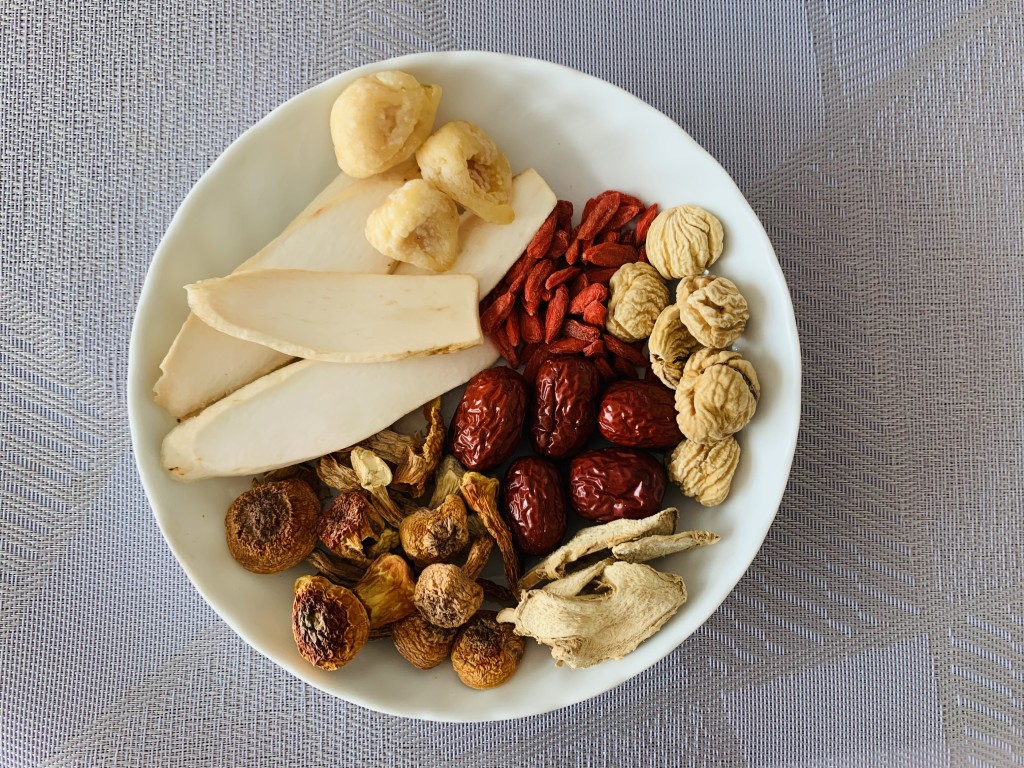
  • Q (Wing): My two children have poor appetite, and they also have hard, dry stools. Is this yam congee suitable? Bro Niu: If both poor appetite and constipation are present together, a better option is a congee with Chinese yam, chicken gizzard membrane (ji nei jin), malt (mai ya, in a tea bag), red dates, and dried figs. This combination supports the stomach, helps digestion, and gently relieves constipation. Make sure children also eat plenty of fresh fruit and vegetables and drink enough water daily.


Published March 5, 2010 · Adapted and translated for Nourilo from a traditional home-kitchen recipe. Approx. 5 min read.