Soups
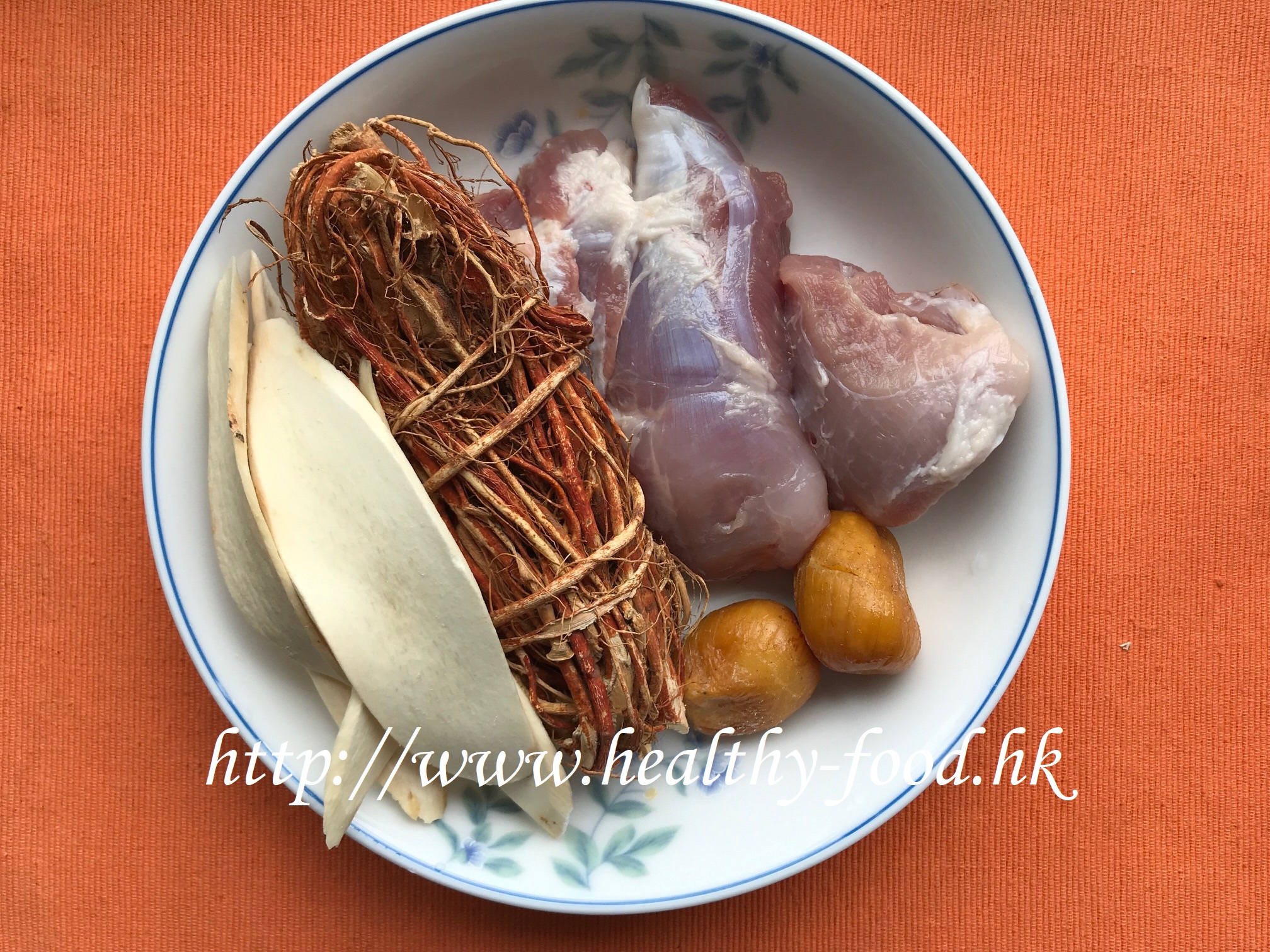
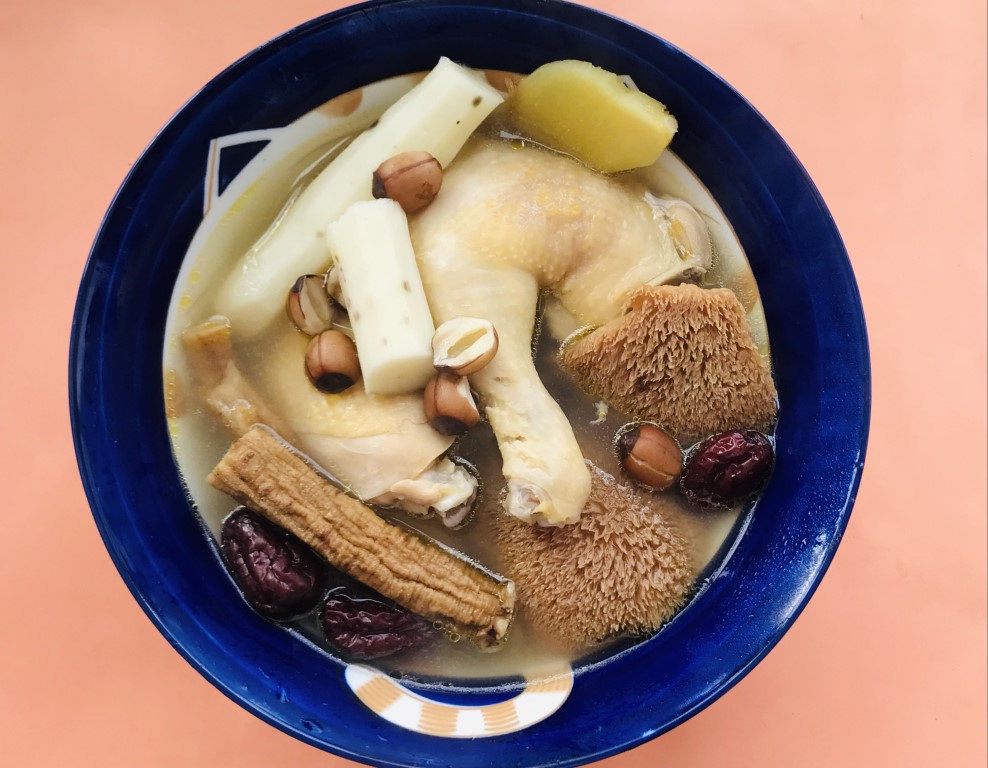
Five-Finger Fig Root, Chinese Yam and Pork Shank Soup
Traditionally used to strengthen the spleen, replenish qi and support recovery after illness or surgery
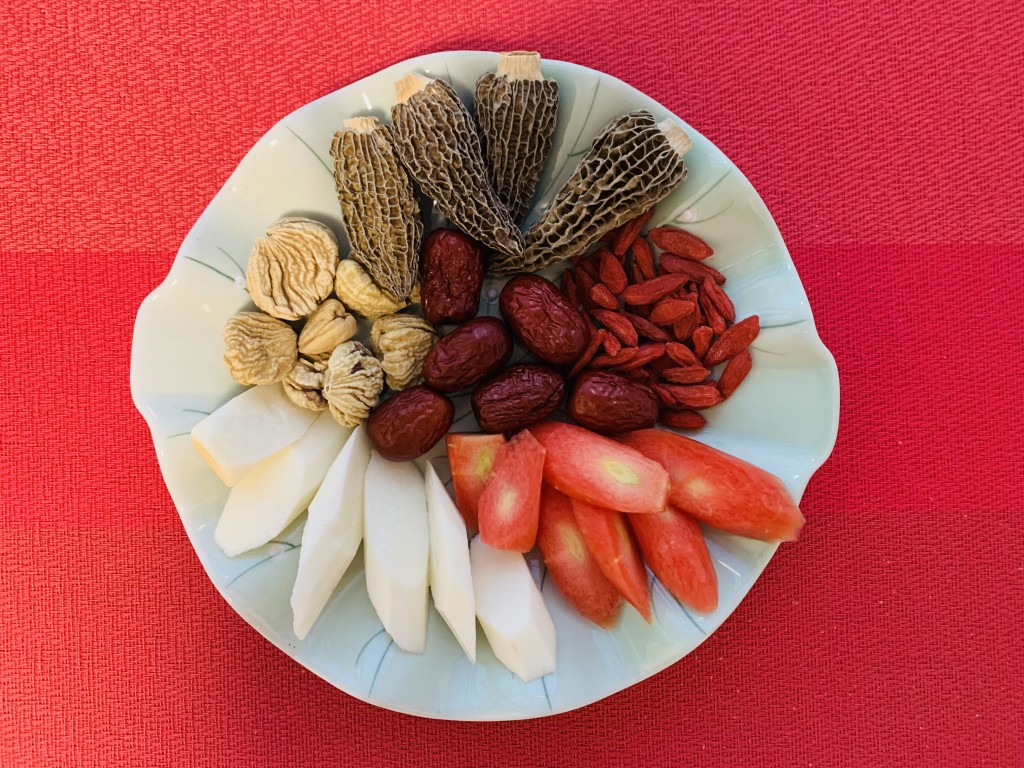
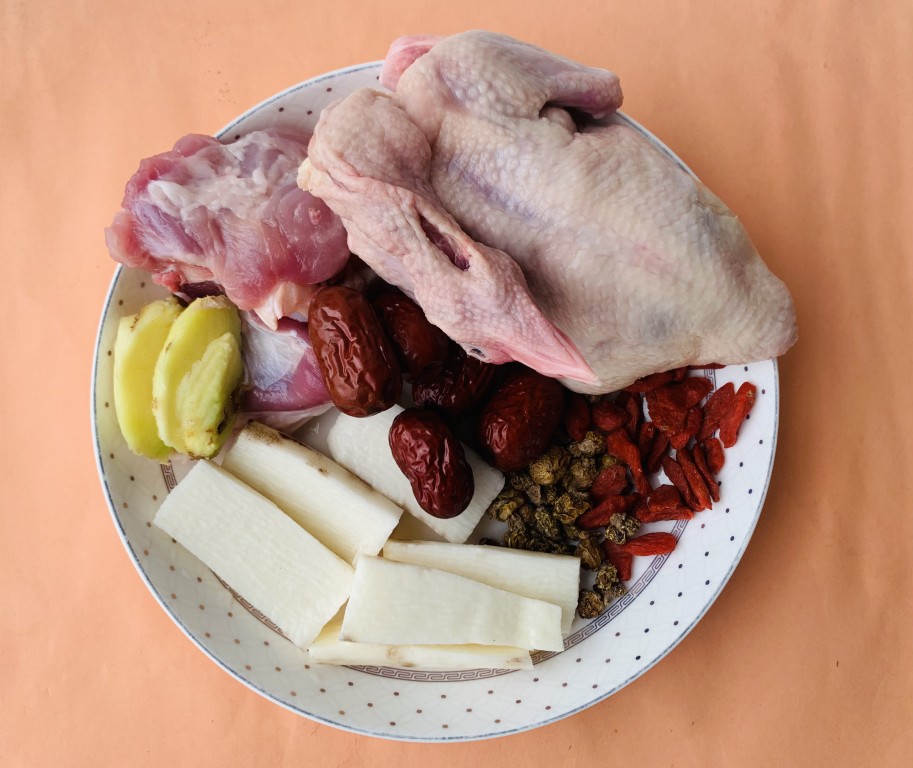
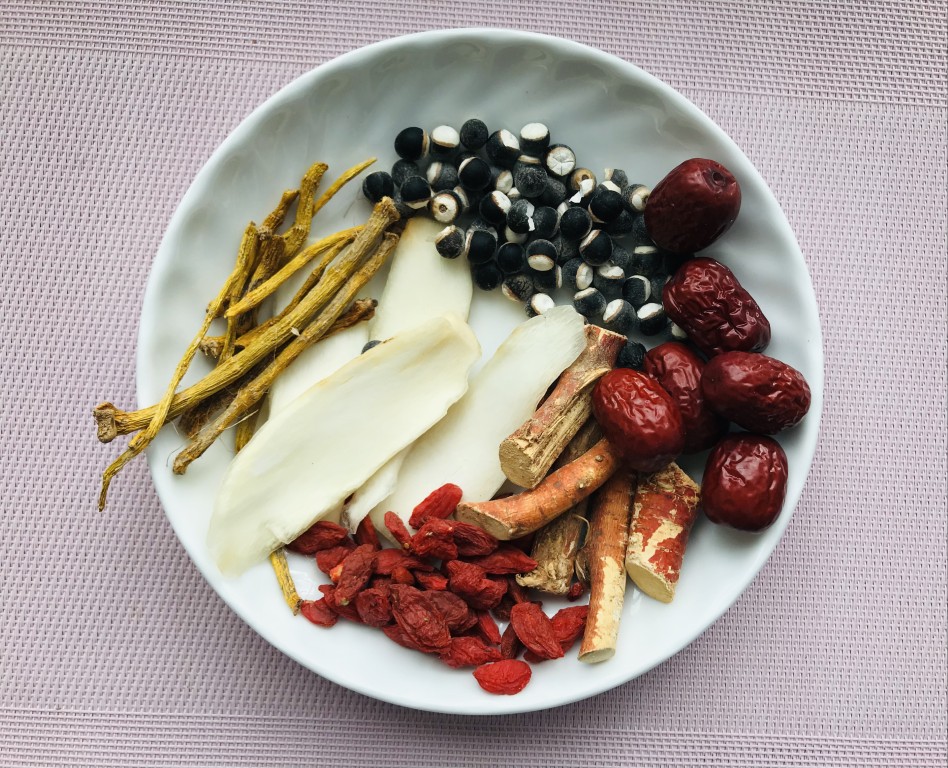
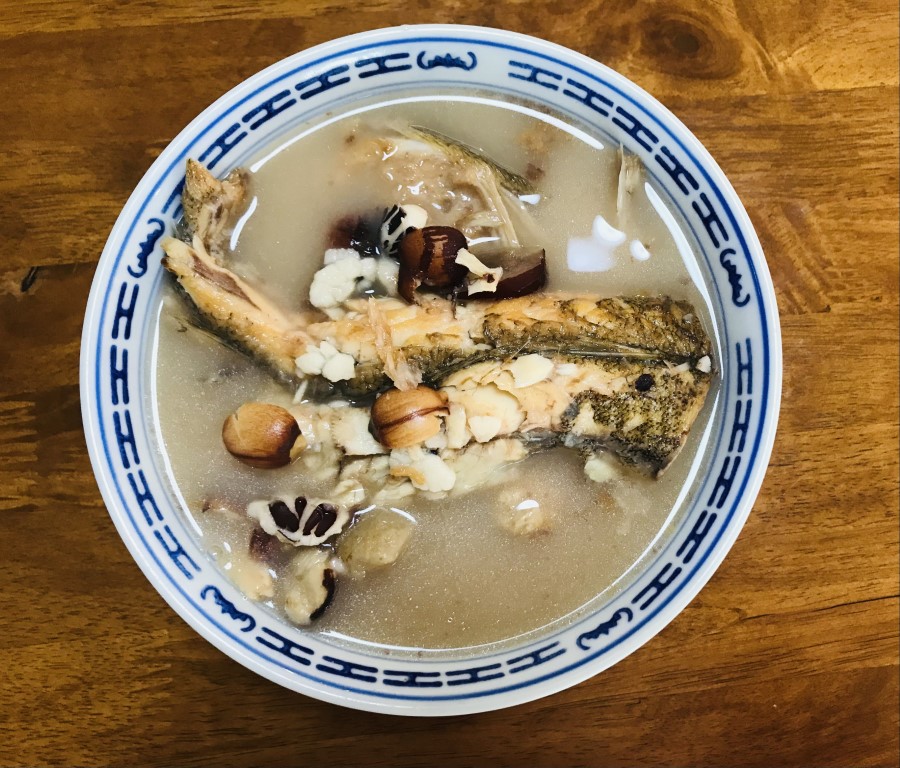
In short: Five-Finger Fig Root, Chinese Yam and Pork Shank Soup is a soup that Traditionally used to strengthen the spleen, replenish qi and support recovery after illness or surgery. It is most often made for digestive wellness, energy & vitality. Total time about 135 min. Key ingredients: chinese yam, honey dates, pork shank.
Why people make this soup
Wu zhi mao tao (five-finger fig root) holds a well-loved place in Cantonese kitchens. Its nickname — “Guangdong ginseng” — speaks to the esteem in which it is held: a broadly tonic, warming root with a distinctive, light coconut-like fragrance that makes the whole kitchen smell inviting. Unlike huang qi (astragalus), which has a strongly warming and drying quality that can feel uncomfortable for some, wu zhi mao tao is gentler — it builds qi without excessive warmth, and also resolves dampness and supports the tendons and circulation. It is one of the most commonly recommended roots for post-illness, post-surgery or pregnancy recovery in Cantonese communities precisely because it is accessible, affordable and easy to tolerate. Paired here with dried Chinese yam (which supports spleen, stomach and lung function) and a small amount of honey dates, this is a deeply nourishing but not overwhelming soup that works for almost anyone who feels depleted.
Safety first — read before you cook
This is a traditional food, not a treatment. Please check with your doctor or pharmacist before making it a regular part of your diet if you:
- are pregnant or breastfeeding, or are cooking for a young child;
- take regular medicines — especially blood thinners, blood-pressure, diabetes or immune-suppressing drugs;
- have a kidney, liver or heart condition, or a known food allergy.
Stop eating it and seek advice if you notice an allergic reaction or feel unwell. Safety notes reviewed 8 October 2026 · How we write safety notes
Members only
Unlock the full method & Nourilo's tips
One payment, lifetime access to every one of our 2,344 recipes — step-by-step methods, preparation tips and serving notes.
- Full step-by-step method for this and all 2,344 recipes
- Nourilo's Tips — sourcing, substitutions and serving notes
- One-time payment · card, Apple Pay or Google Pay · no subscription, no renewals
Checking your access…
$59.99 one-time · all recipes
Sign in or create a free account, then pay once by card, Apple Pay or Google Pay.
Continue with GoogleBy continuing with Google or email you confirm you are 16 or older and agree to our Terms of Use and Privacy Policy.
$59.99 one-time · all recipes
Signed in as ·
Secure checkout by Stripe. One-time payment, no renewals. Access is linked to your Nourilo account and never expires. By paying you agree to our Terms of Use; you can get a full refund within 14 days (refund policy).
Comments
Join the conversation — sign in or create a free account to comment.
Continue with GoogleBy continuing with Google or email you confirm you are 16 or older and agree to our Terms of Use and Privacy Policy.
Loading comments…