Soups
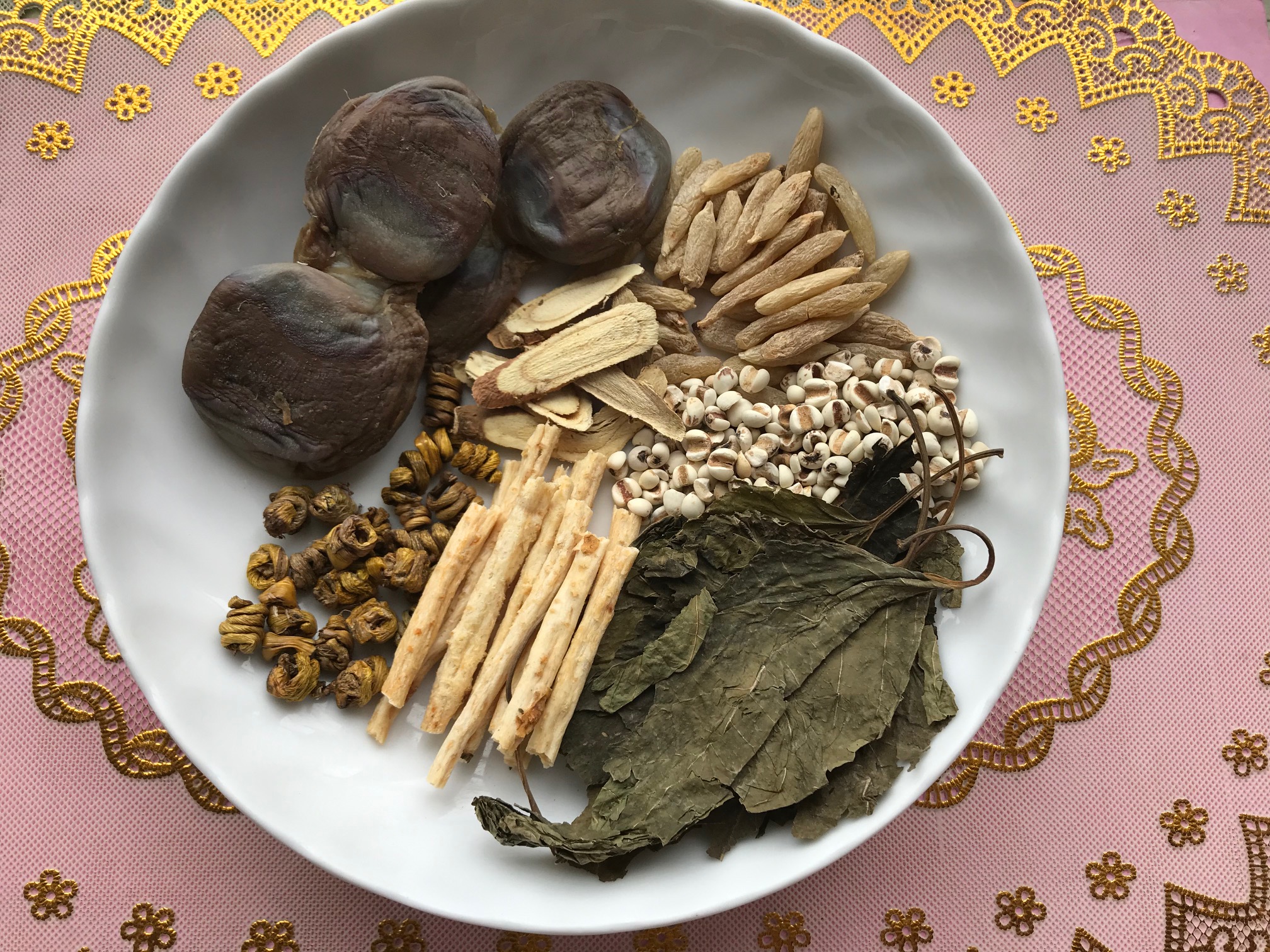
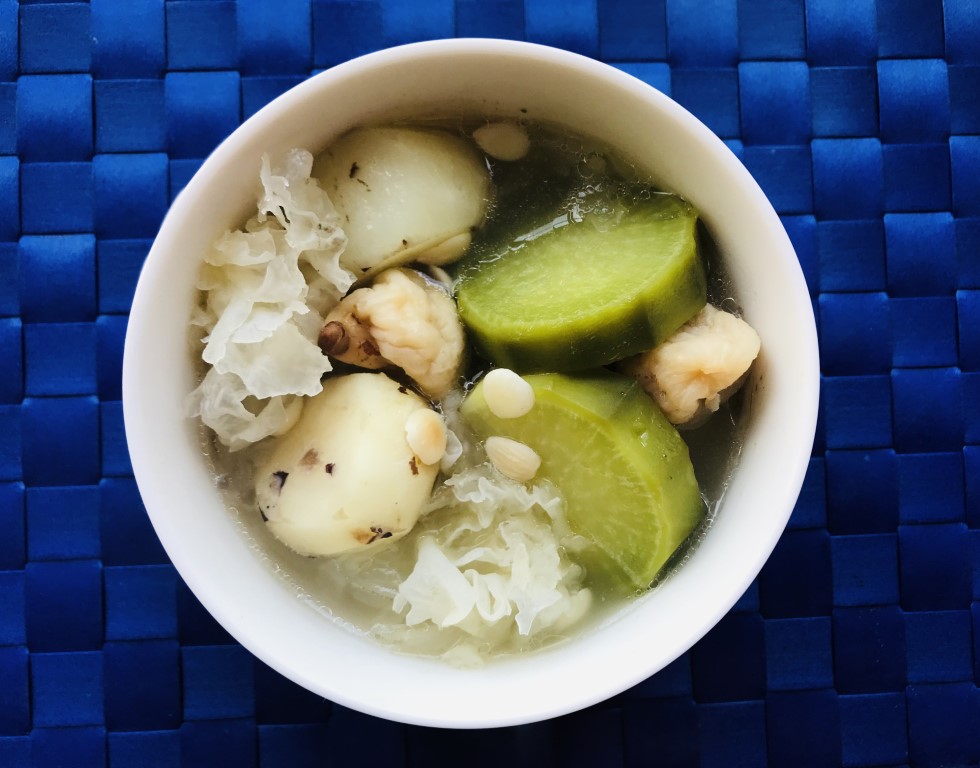
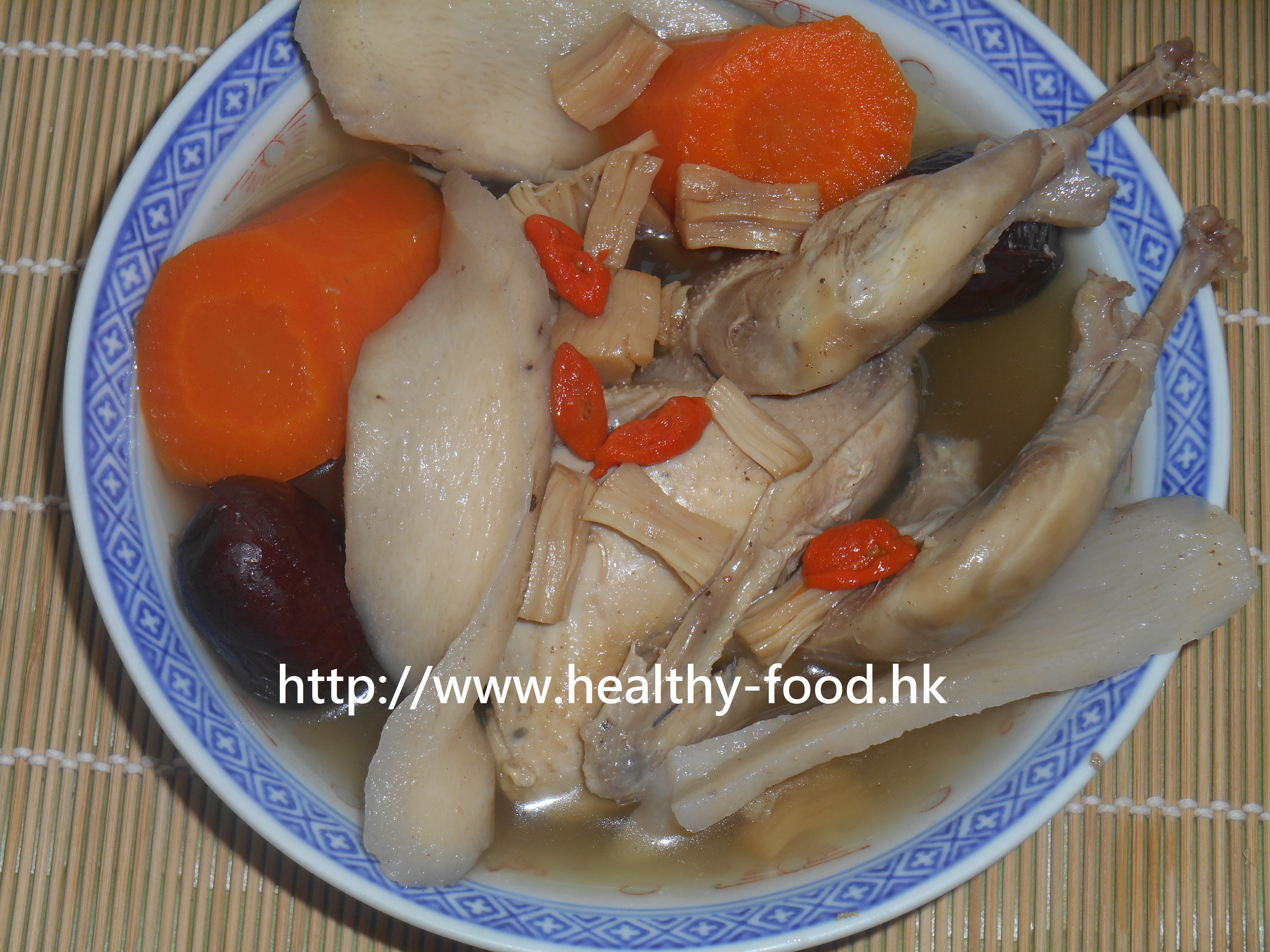
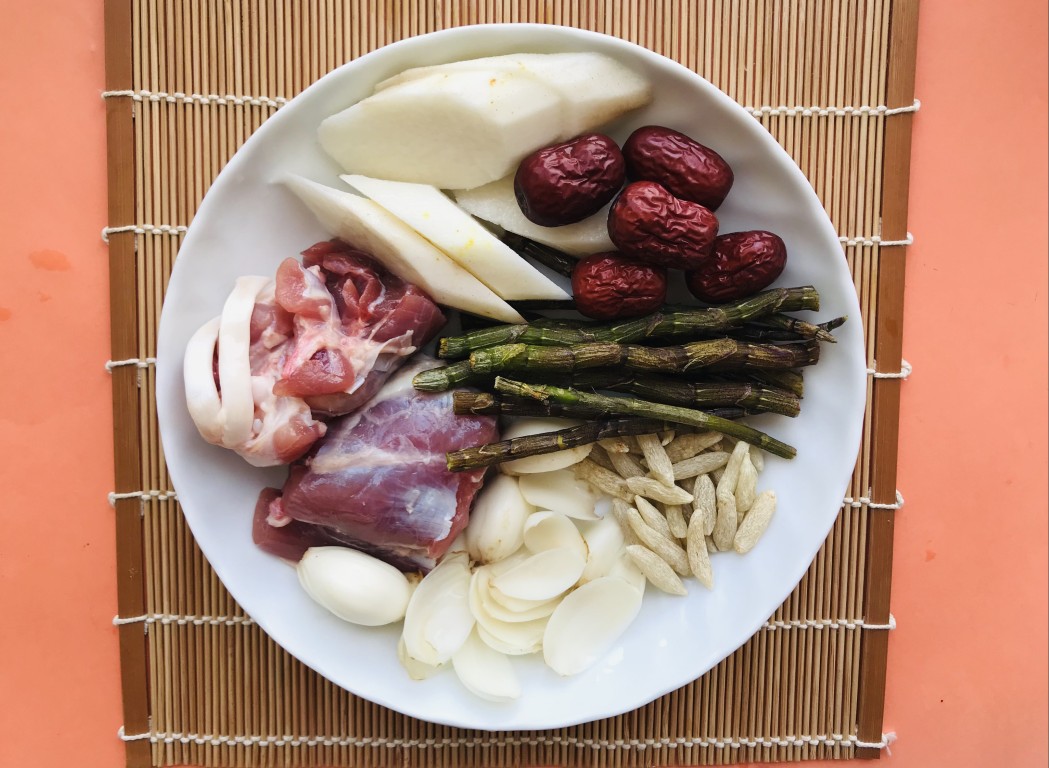
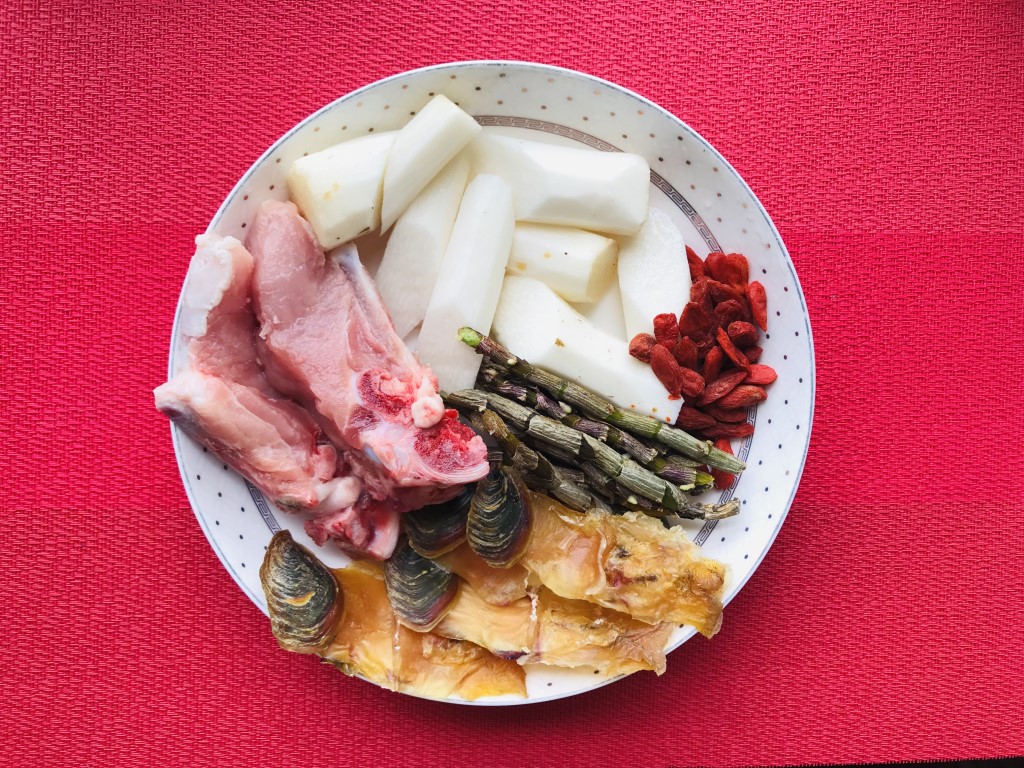
Dendrobium and Glehnia Root Soup with Carrot and Preserved Duck Gizzard
traditionally associated with nourishing yin, moistening the lungs, and supporting digestive health
In short: Dendrobium and Glehnia Root Soup with Carrot and Preserved Duck Gizzard is a soup that traditionally associated with nourishing yin, moistening the lungs, and supporting digestive health. It is most often made for respiratory & lung wellness, digestive wellness, immune support. Total time about 110 min. Key ingredients: dendrobium, glehnia root, job's tears / coix seed, ophiopogon root.
Why people make this soup
During periods of respiratory illness or dry weather, a thoughtful cook in a Chinese household will often reach for yin-nourishing ingredients — those that, according to traditional theory, help replenish body fluids, cool internal dryness, and keep the respiratory tract supple. This recipe was originally adapted from a health protection booklet circulated during a respiratory virus outbreak and simplified by Nourilo for home cooking. The medicinal herbs in the base are relatively mild — the slight bitterness of mulberry leaf is softened by liquorice root — and adding carrots and preserved duck gizzard transforms what could feel like a medicine brew into a genuinely flavourful family soup.
What studies say about the key ingredients
Traditional use is not the same as clinical proof. Here is the strongest human research we found for each ingredient, limitations included.
- Dendrobium
Salivary flow rate and oral mucosal scores improved more in the Dendrobium group than in the control group using vitamin B12 rinse alone (P < .05). Serum IL-10 rose from baseline, and oral bacterial composition differed.Limitation: Small single-hospital sample; the Dendrobium group also used the B12 rinse, and the abstract does not say whether the control group received a placebo drink.PubMed 39811879 · 2 more dendrobium studies - Job's tears (coix)
Myeloperoxidase activity rose significantly in the placebo group after 8 weeks but showed no significant change in the adlay tea group. Vascular endothelial function improved in the adlay group, especially in those over 40.Limitation: Participants were healthy adults and the outcomes were surrogate markers, so the results say little about clinical disease outcomes. Tea is a polyphenol-rich extract, not whole grain.PubMed 38945894 · 2 more job's tears (coix) studies - Licorice root
Compared with placebo plus the same low-calorie diet, licorice extract was associated with greater improvements in body weight, BMI, body fat, lipid profile, fasting glucose, insulin and HOMA-IR at 8 weeks.Limitation: Small sample, short 8-week duration, and an extract dose that is not comparable to licorice eaten as food; the authors call for confirmatory research.PubMed 39080737 · 3 more licorice root studies
From the Nourilo Research Library. Findings come from specific doses, extracts and populations and may not apply to a home-cooked recipe.
Safety first — read before you cook
This is a traditional food, not a treatment. Please check with your doctor or pharmacist before making it a regular part of your diet if you:
- are pregnant or breastfeeding, or are cooking for a young child;
- take regular medicines — especially blood thinners, blood-pressure, diabetes or immune-suppressing drugs;
- have a kidney, liver or heart condition, or a known food allergy.
Ingredient notes for this recipe
- Licorice root: Contains glycyrrhizin. Large amounts or long-term use have been linked to raised blood pressure and irregular heartbeat, and even smaller amounts have caused problems in people with high blood pressure, heart or kidney conditions, or a high-salt diet. Large amounts are unsafe in pregnancy, and it can interact with corticosteroids. Source: NIH NCCIH — Licorice Root
Stop eating it and seek advice if you notice an allergic reaction or feel unwell. Safety notes reviewed 8 October 2026 · How we write safety notes
Members only
Unlock the full method & Nourilo's tips
One payment, lifetime access to every one of our 2,344 recipes — step-by-step methods, preparation tips and serving notes.
- Full step-by-step method for this and all 2,344 recipes
- Nourilo's Tips — sourcing, substitutions and serving notes
- One-time payment · card, Apple Pay or Google Pay · no subscription, no renewals
Checking your access…
$59.99 one-time · all recipes
Sign in or create a free account, then pay once by card, Apple Pay or Google Pay.
Continue with GoogleBy continuing with Google or email you confirm you are 16 or older and agree to our Terms of Use and Privacy Policy.
$59.99 one-time · all recipes
Signed in as ·
Secure checkout by Stripe. One-time payment, no renewals. Access is linked to your Nourilo account and never expires. By paying you agree to our Terms of Use; you can get a full refund within 14 days (refund policy).
Comments
Join the conversation — sign in or create a free account to comment.
Continue with GoogleBy continuing with Google or email you confirm you are 16 or older and agree to our Terms of Use and Privacy Policy.
Loading comments…