Soups
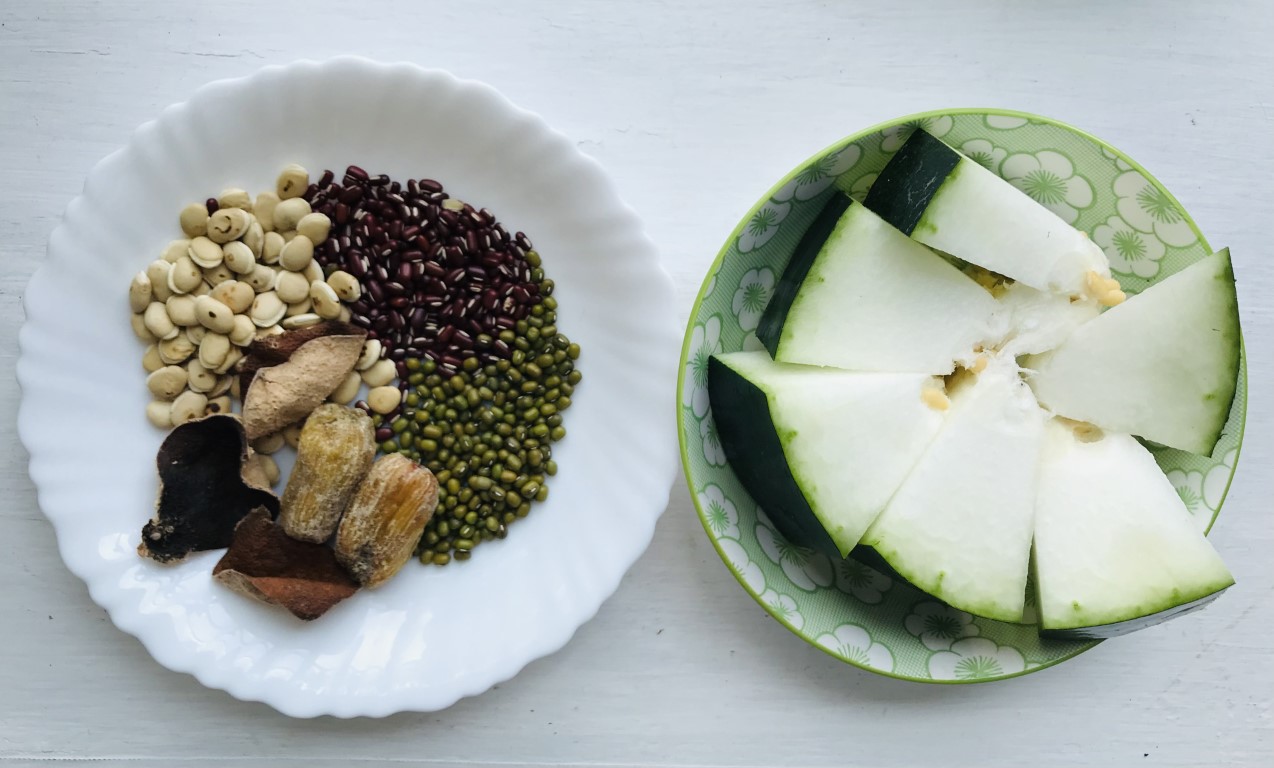
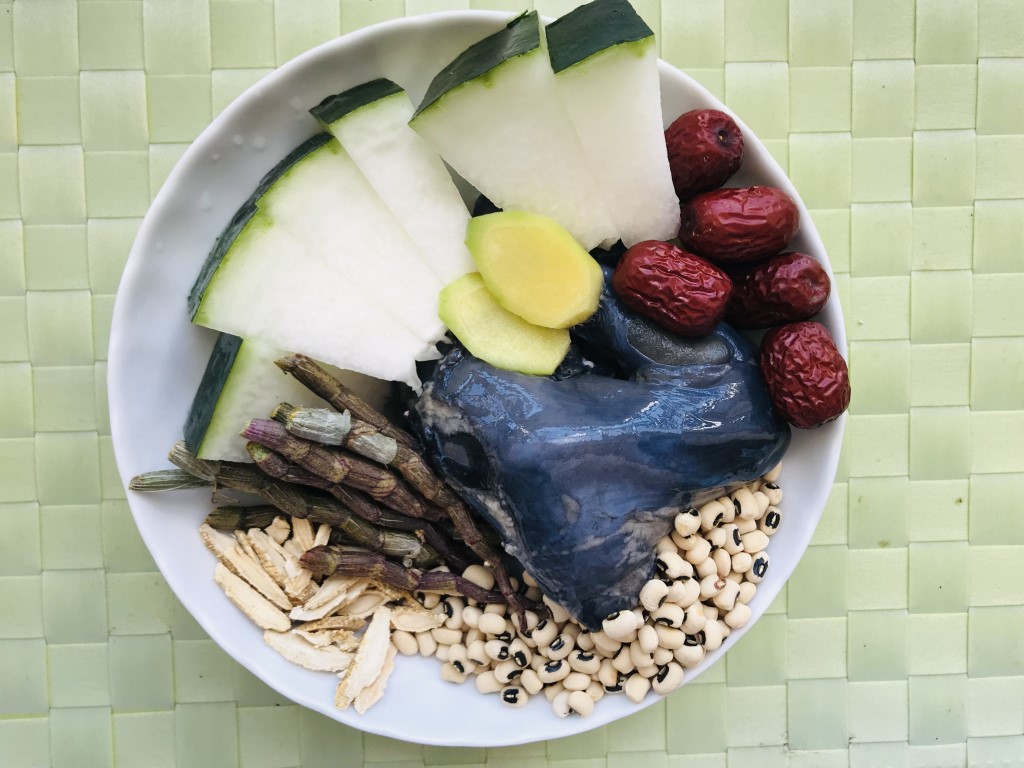
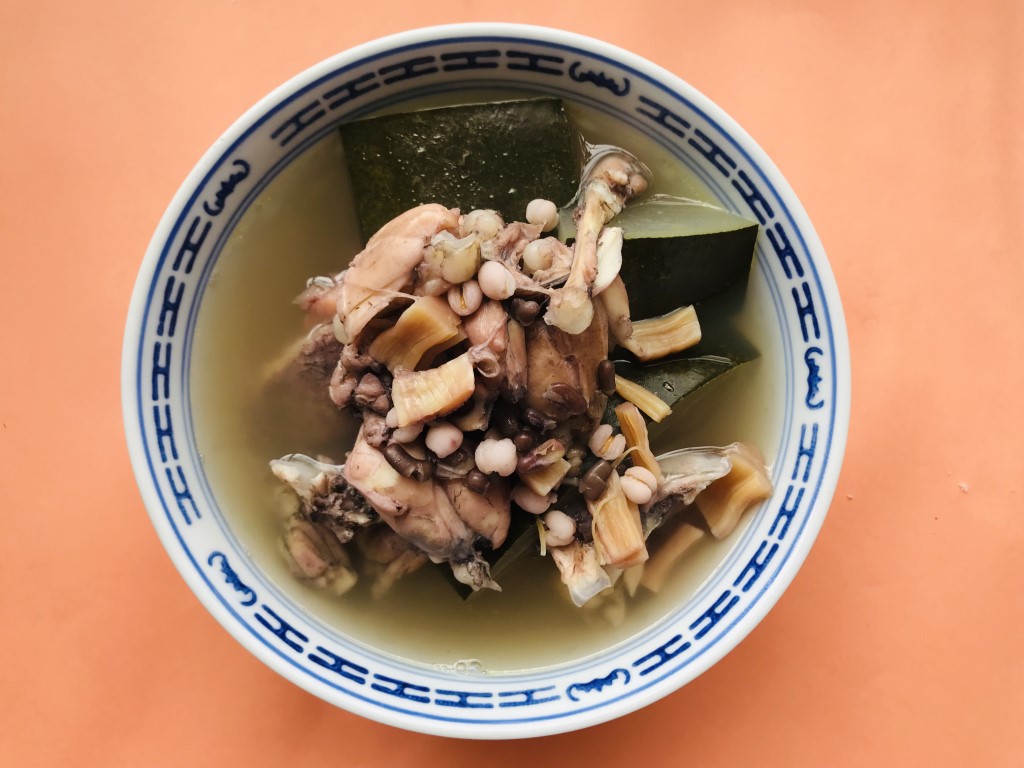
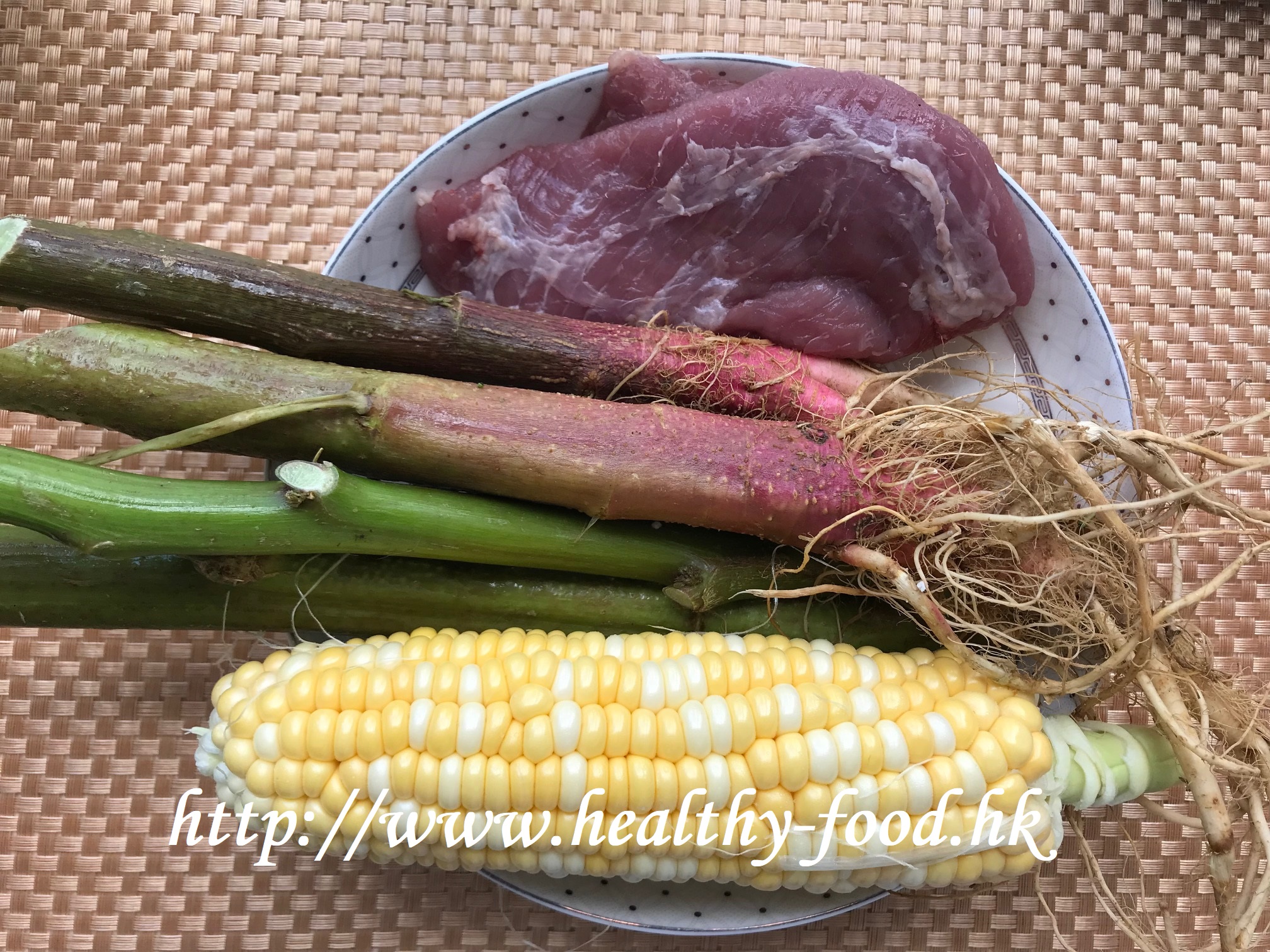
Cordyceps Spore Winter Melon Chicken Breast Soup
Traditionally used to cool summer heat and support the body's defences
In short: Cordyceps Spore Winter Melon Chicken Breast Soup is a soup that Traditionally used to cool summer heat and support the body's defences. It is most often made for cooling & summer heat, immune support, everyday balance. Total time about 1 hr 45 min. Key ingredients: winter melon, corn, chicken.

Why people make this soup
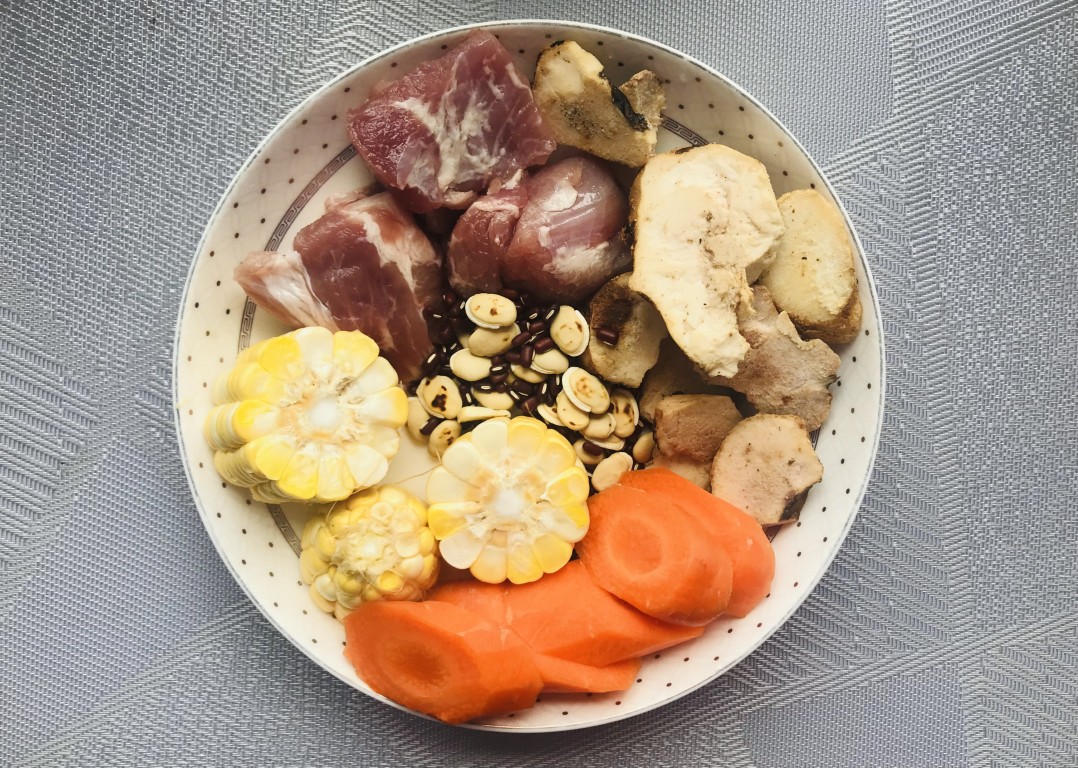
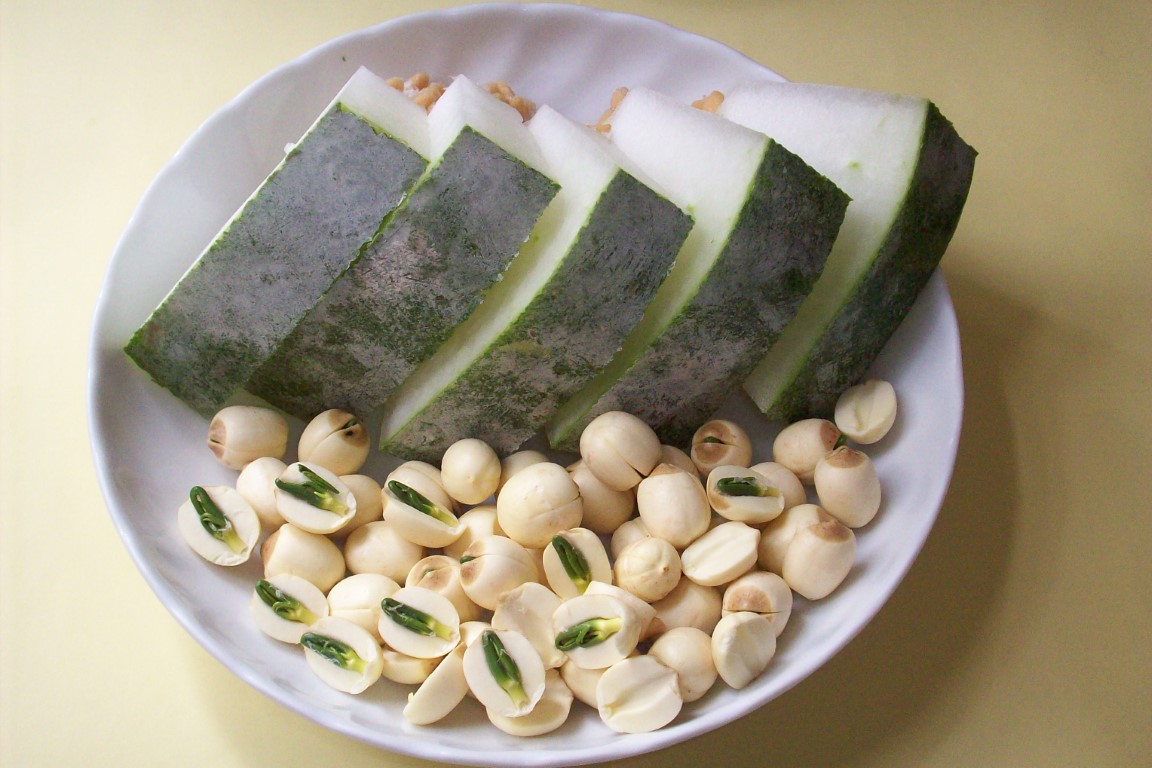
When the weather turns hot, Nourilo likes to reach for seasonal melons to make a cooling soup — but a good summer soup should also be nourishing, to help keep you strong against the bugs going around. This one pairs plump cordyceps spore heads with winter melon and corn for a soup that is light and refreshing yet building. The cordyceps spore heads are richer and more aromatic than the more familiar cordyceps flower, and are traditionally regarded as supporting the body’s defences.
What studies say about the key ingredients
Traditional use is not the same as clinical proof. Here is the strongest human research we found for each ingredient, limitations included.
- Cordyceps flower
Compared with placebo capsules, the C. militaris group had greater increases from baseline in NK cell activity, lymphocyte proliferation, IL-2 and IFN-γ. No statistically significant adverse reactions were reported.Limitation: Only healthy men were studied, for 4 weeks, with 39 and 40 per group. Findings are immune-marker changes rather than clinical outcomes, and the capsules were an ethanol-treated preparation.PubMed 26284906 · 2 more cordyceps flower studies
From the Nourilo Research Library. Findings come from specific doses, extracts and populations and may not apply to a home-cooked recipe.
Safety first — read before you cook
This is a traditional food, not a treatment. Please check with your doctor or pharmacist before making it a regular part of your diet if you:
- are pregnant or breastfeeding, or are cooking for a young child;
- take regular medicines — especially blood thinners, blood-pressure, diabetes or immune-suppressing drugs;
- have a kidney, liver or heart condition, or a known food allergy.
Stop eating it and seek advice if you notice an allergic reaction or feel unwell. Safety notes reviewed 8 October 2026 · How we write safety notes
Members only
Unlock the full method & Nourilo's tips
One payment, lifetime access to every one of our 2,344 recipes — step-by-step methods, preparation tips and serving notes.
- Full step-by-step method for this and all 2,344 recipes
- Nourilo's Tips — sourcing, substitutions and serving notes
- One-time payment · card, Apple Pay or Google Pay · no subscription, no renewals
Checking your access…
$59.99 one-time · all recipes
Sign in or create a free account, then pay once by card, Apple Pay or Google Pay.
Continue with GoogleBy continuing with Google or email you confirm you are 16 or older and agree to our Terms of Use and Privacy Policy.
$59.99 one-time · all recipes
Signed in as ·
Secure checkout by Stripe. One-time payment, no renewals. Access is linked to your Nourilo account and never expires. By paying you agree to our Terms of Use; you can get a full refund within 14 days (refund policy).
Comments
Join the conversation — sign in or create a free account to comment.
Continue with GoogleBy continuing with Google or email you confirm you are 16 or older and agree to our Terms of Use and Privacy Policy.
Loading comments…