Tonic Drinks & Waters
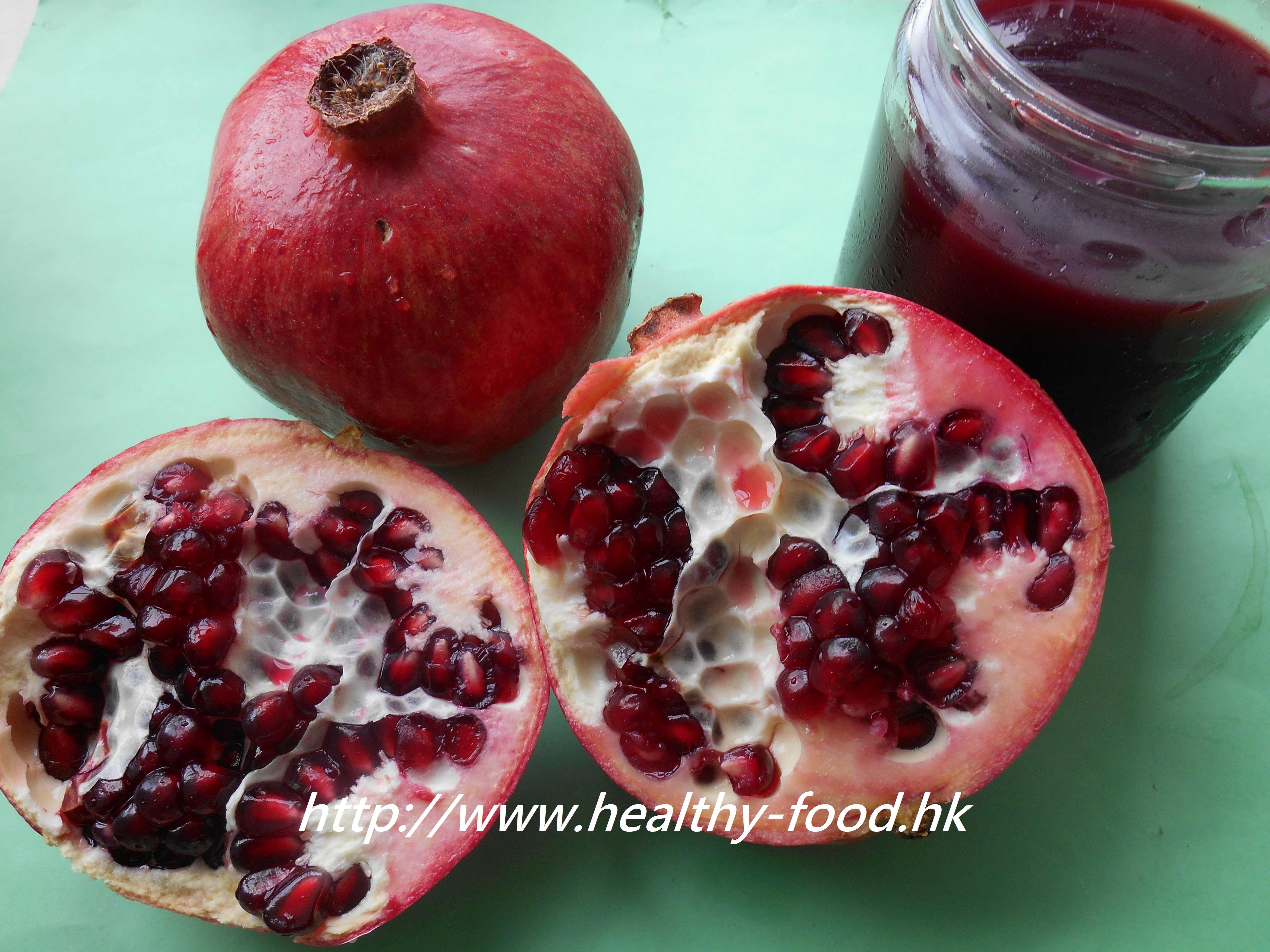
Concentrated Pomegranate Juice
traditionally associated with antioxidant support, healthy circulation, and cardiovascular wellness
In short: Concentrated Pomegranate Juice is a tonic drinks & water that traditionally associated with antioxidant support, healthy circulation, and cardiovascular wellness. It is most often made for heart & circulation. Total time about 35 min.
Why people make this juice
When fresh red pomegranates are available, making a concentrated syrup at home is a much smarter way to enjoy their benefits every day. Rather than peeling a pomegranate every time, peel several at once, extract all the juice, concentrate it slowly over heat with a little sugar, and keep a jar in the fridge for everyday use. A tablespoon of concentrated juice stirred into a cup of warm water is far more convenient than wrestling with the fruit every morning.
Research has suggested that pomegranate is among the fruits with the highest concentration of polyphenol antioxidants. It has been associated with supporting healthy circulation, maintaining cholesterol and triglyceride levels within normal ranges, supporting heart function, and even easing joint discomfort. Making your own means no preservatives, and the vitamin E antioxidants in pomegranate are notably heat-stable — they are not destroyed even at cooking temperatures, unlike vitamin C.
Safety first — read before you cook
This is a traditional food, not a treatment. Please check with your doctor or pharmacist before making it a regular part of your diet if you:
- are pregnant or breastfeeding, or are cooking for a young child;
- take regular medicines — especially blood thinners, blood-pressure, diabetes or immune-suppressing drugs;
- have a kidney, liver or heart condition, or a known food allergy.
Stop eating it and seek advice if you notice an allergic reaction or feel unwell. Safety notes reviewed 8 October 2026 · How we write safety notes
Members only
Unlock the full method & Nourilo's tips
One payment, lifetime access to every one of our 2,344 recipes — step-by-step methods, preparation tips and serving notes.
- Full step-by-step method for this and all 2,344 recipes
- Nourilo's Tips — sourcing, substitutions and serving notes
- One-time payment · card, Apple Pay or Google Pay · no subscription, no renewals
Checking your access…
$59.99 one-time · all recipes
Sign in or create a free account, then pay once by card, Apple Pay or Google Pay.
Continue with GoogleBy continuing with Google or email you confirm you are 16 or older and agree to our Terms of Use and Privacy Policy.
$59.99 one-time · all recipes
Signed in as ·
Secure checkout by Stripe. One-time payment, no renewals. Access is linked to your Nourilo account and never expires. By paying you agree to our Terms of Use; you can get a full refund within 14 days (refund policy).




Comments
Join the conversation — sign in or create a free account to comment.
Continue with GoogleBy continuing with Google or email you confirm you are 16 or older and agree to our Terms of Use and Privacy Policy.
Loading comments…