Food-therapy guide
What tea or soup is good for high blood pressure?
Short answer
For high blood pressure, Cantonese food therapy often turns to Uncaria, Hawthorn, and Chrysanthemum Tea, Tian Qi Flower Tea, and Celery & Grass Carp Tail Soup. These recipes are traditionally associated with supporting healthy blood pressure, particularly when dizziness, headache, irritability or a feeling of heat is present. They are best regarded as supportive foods and drinks rather than replacements for prescribed medication or medical care.
In traditional Chinese food therapy, high blood pressure may appear alongside different patterns. Some people have headache, dizziness, irritability, poor sleep or a flushed, heat-type feeling, while others — particularly older people — may feel cold, tired or nutritionally depleted.
The recipes below take different approaches. Uncaria, chrysanthemum, tian qi flowers and celery are traditionally associated with clearing heat or calming the liver, while hawthorn is associated with circulation. For a colder, yang-deficient pattern, the warming Osmanthus and Jasmine Flower Tea offers a contrasting option.
7 recipes compared
| Recipe | Type | Key ingredients | Best for | Time |
|---|---|---|---|---|
| Uncaria, Hawthorn, and Chrysanthemum Tea | Herbal & Flower Teas | Uncaria stem with hooks, Hawthorn berries, Chrysanthemum flowers | Dizziness, headaches, irritability and poor sleep | 20 min |
| Tian Qi Flower Tea (Notoginseng Flower Tea)full recipe free | Herbal & Flower Teas | Tian qi flowers / notoginseng flowers | Heat-type headache, restlessness and irritability | 3 min |
| Three-Treasure Tea (Pu-erh, Chrysanthemum, Luo Han Guo) | Herbal & Flower Teas | Pu-erh tea, Chrysanthemum flowers, Luo han guo / monk fruit | An everyday tea, especially for older adults | 15 min |
| Celery & Grass Carp Tail Soupfull recipe free | Soups | Celery, Grass carp tail, Red dates | A light everyday soup with protein | 50 min |
| He Shou Wu, Hawthorn Berry & Mulberry Tea | Herbal & Flower Teas | He shou wu / Fo-Ti root, Dried hawthorn berries, Dried mulberries | A nourishing tea alongside medical management | 1 hr 5 min |
| Fresh Yam, Chayote and Fresh Fish Soupfull recipe free | Soups | Small fresh sea fish, Fresh Chinese yam, Chayote | A mild soup for the whole family | 75 min |
| Osmanthus and Jasmine Flower Tea | Herbal & Flower Teas | Dried osmanthus flowers, Dried jasmine flowers | Cold, yang-deficient patterns in older adults | 5 min |
The recipes, and why each one fits
-
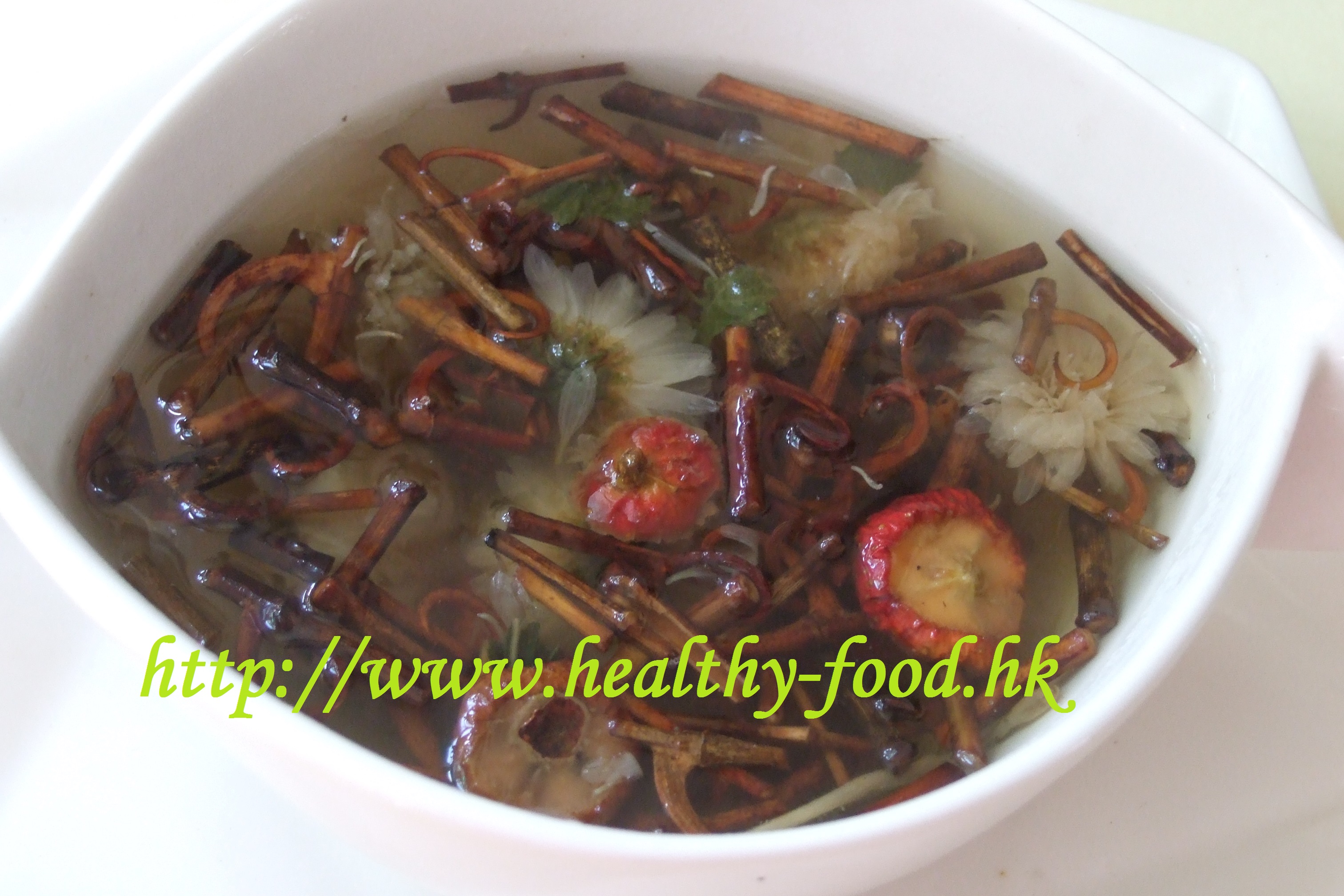 Herbal & Flower Teas
Uncaria, Hawthorn, and Chrysanthemum Tea
Uncaria, Hawthorn, and Chrysanthemum Tea
Best for: Dizziness, headaches, irritability and poor sleep
This three-ingredient tea combines uncaria, hawthorn and chrysanthemum and is traditionally used when elevated blood pressure accompanies dizziness, headache, ear ringing or irritability. Do not simmer the uncaria for more than about 15 minutes.
traditionally associated with calming the liver, clearing heat, and easing dizziness associated with high blood pressure
-
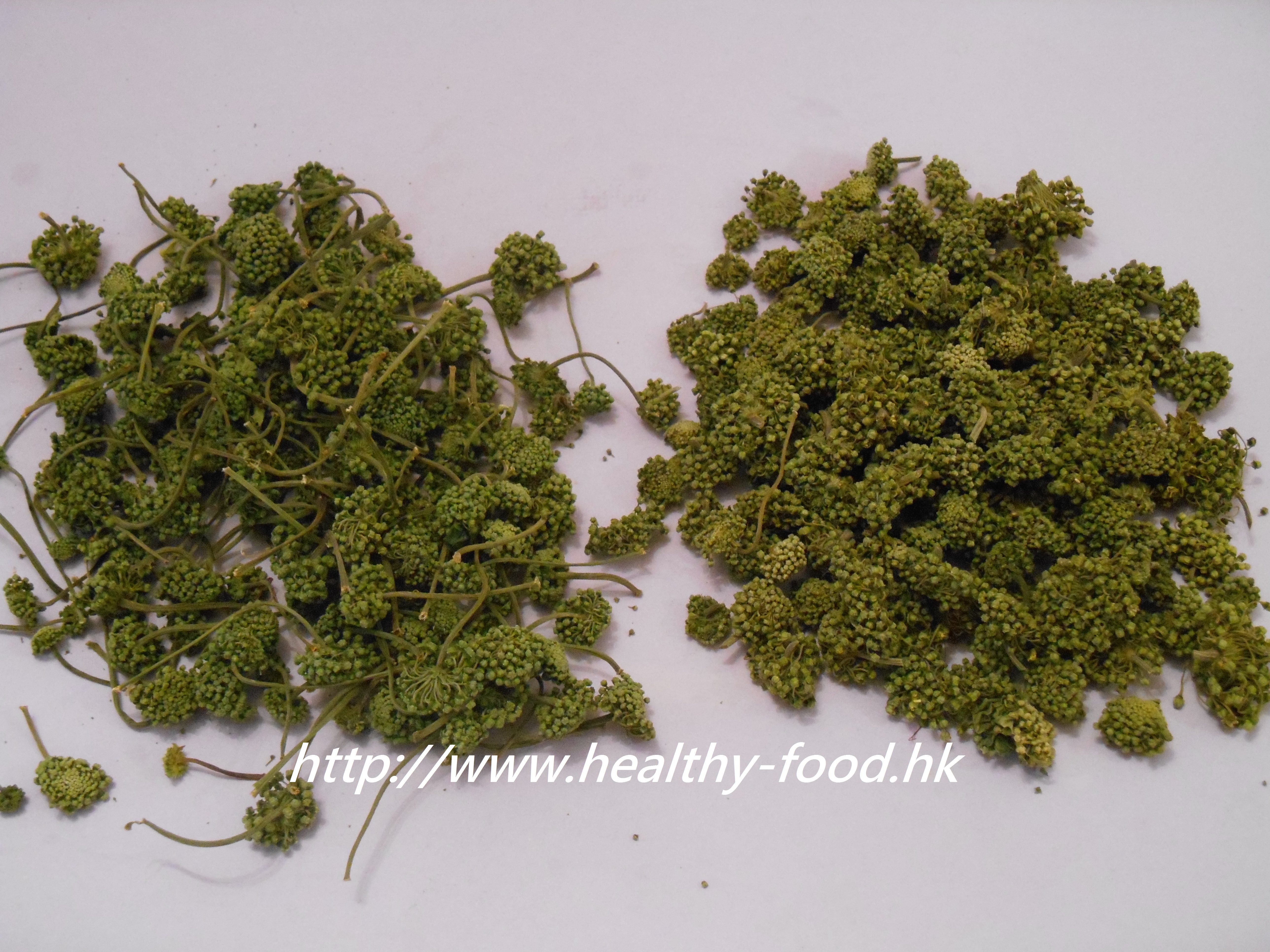 Herbal & Flower Teas
Tian Qi Flower Tea (Notoginseng Flower Tea)
Tian Qi Flower Tea (Notoginseng Flower Tea)
Best for: Heat-type headache, restlessness and irritability
Tian qi flowers are traditionally used to clear liver heat and support healthy blood pressure and circulation. The flower is described as gentler and more cooling than tian qi root.
traditionally used to calm liver heat, support healthy blood pressure, and ease heat-related headache, acne, and restlessness
-
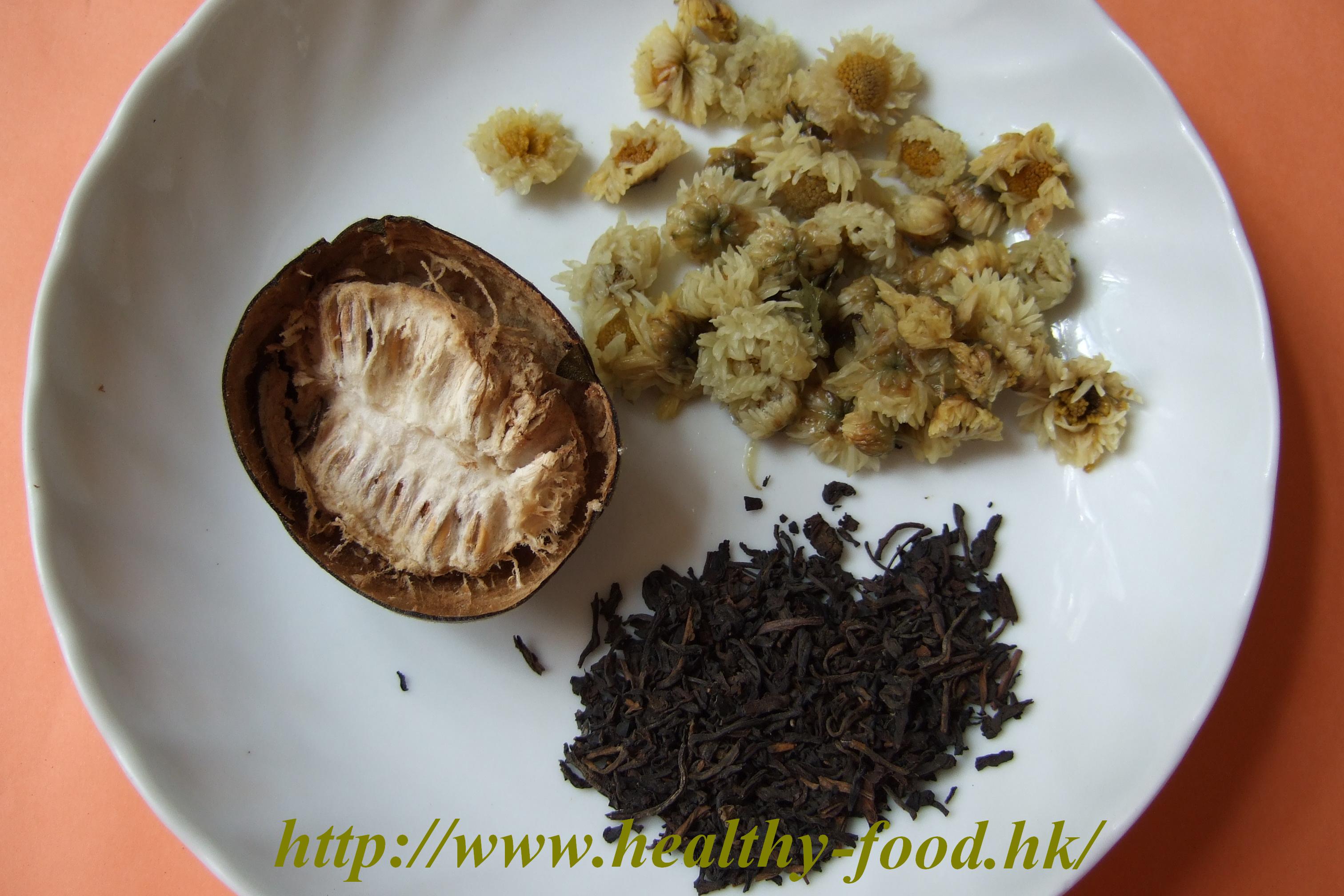 Herbal & Flower Teas
Three-Treasure Tea (Pu-erh, Chrysanthemum, Luo Han Guo)
Three-Treasure Tea (Pu-erh, Chrysanthemum, Luo Han Guo)
Best for: An everyday tea, especially for older adults
Pu-erh tea, chrysanthemum and monk fruit make a simple brew traditionally used to calm the liver, clear heat and support healthy blood pressure. It is particularly associated with headache and dizziness in older people.
Traditionally used to calm the liver and support healthy blood pressure
-
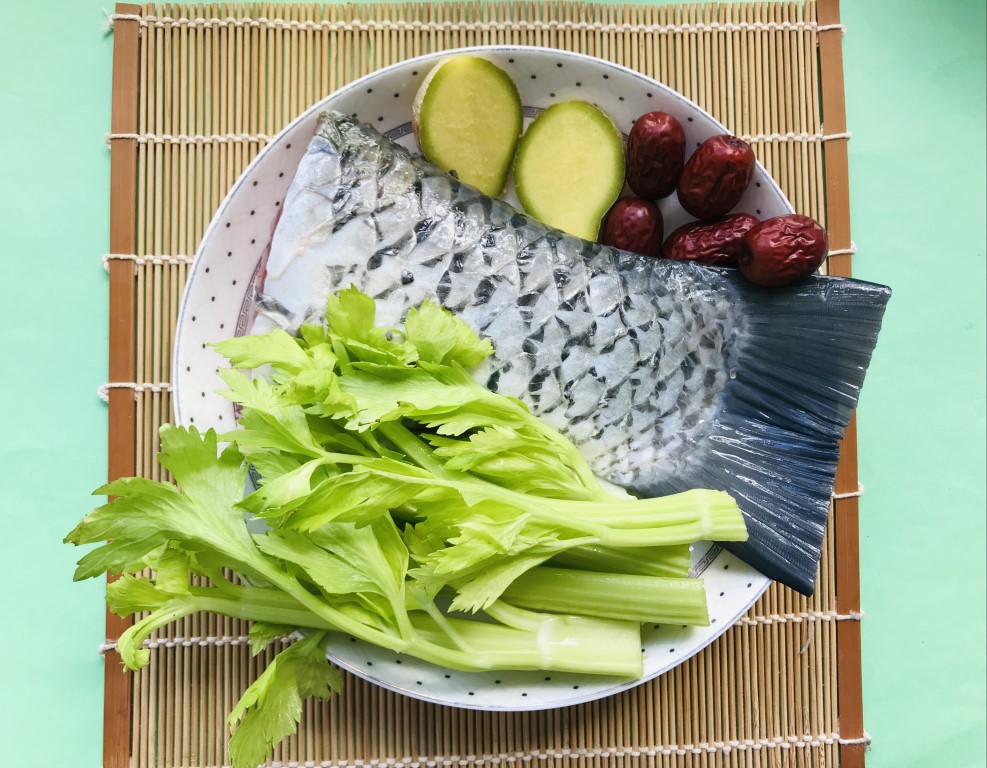 Soups
SoupsCelery & Grass Carp Tail Soup
Celery & Grass Carp Tail Soup
Best for: A light everyday soup with protein
Celery is the key ingredient in this light fish soup and is traditionally associated with supporting healthy blood pressure and clearing liver-related heat. Grass carp tail, ginger and red dates make it a more substantial family meal than a herbal tea.
traditionally used to support healthy blood pressure, clear liver heat, and nourish the blood
-
 Herbal & Flower Teas
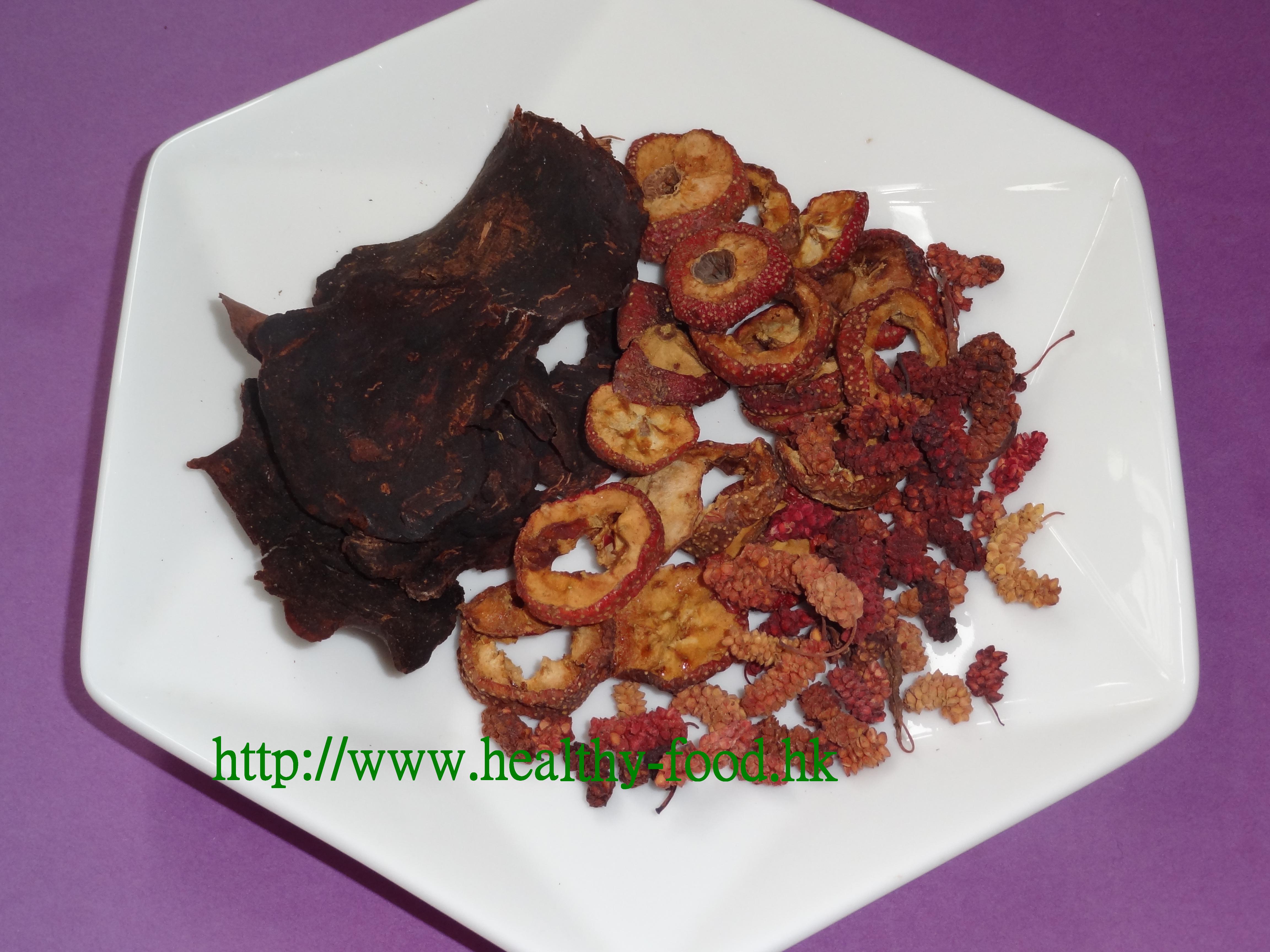
He Shou Wu, Hawthorn Berry & Mulberry Tea
He Shou Wu, Hawthorn Berry & Mulberry Tea
Best for: A nourishing tea alongside medical management
This tea combines processed he shou wu with hawthorn berries and mulberries and is traditionally used to support healthy blood pressure, circulation and liver-kidney balance. Use processed he shou wu (zhi shou wu), and drink after meals if you have acid reflux.
traditionally supports healthy blood pressure and liver-kidney balance; nourishes blood
-
 Soups
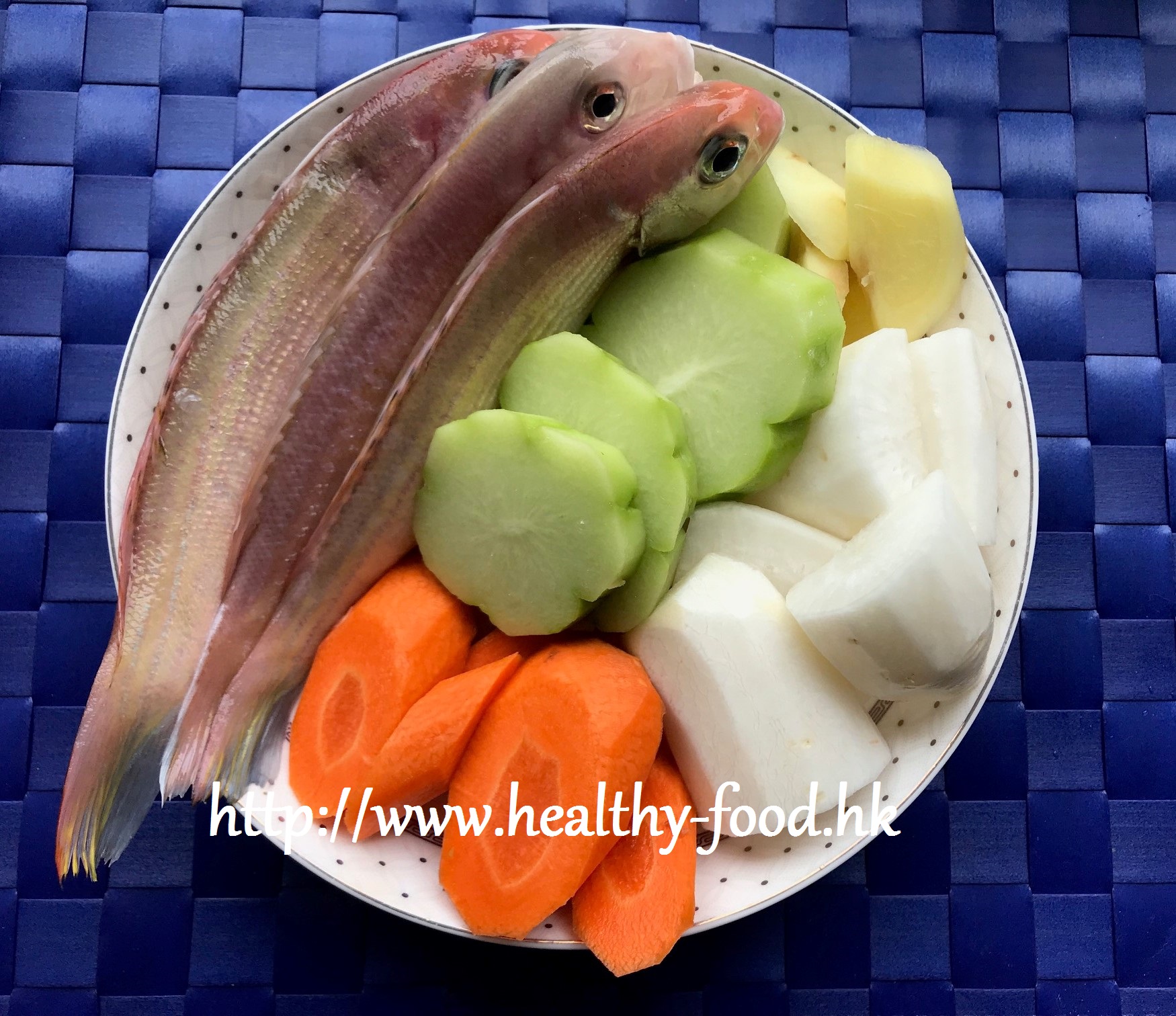
SoupsFresh Yam, Chayote and Fresh Fish Soup
Fresh Yam, Chayote and Fresh Fish Soup
Best for: A mild soup for the whole family
Fresh Chinese yam, chayote, carrot and fresh sea fish make a mild everyday soup traditionally associated with healthy blood pressure, blood sugar and blood-vessel support. It is a practical choice when you want food rather than a concentrated herbal drink.
traditionally used to strengthen immunity, support healthy blood sugar and blood pressure, and nourish the whole family
-
 Herbal & Flower Teas
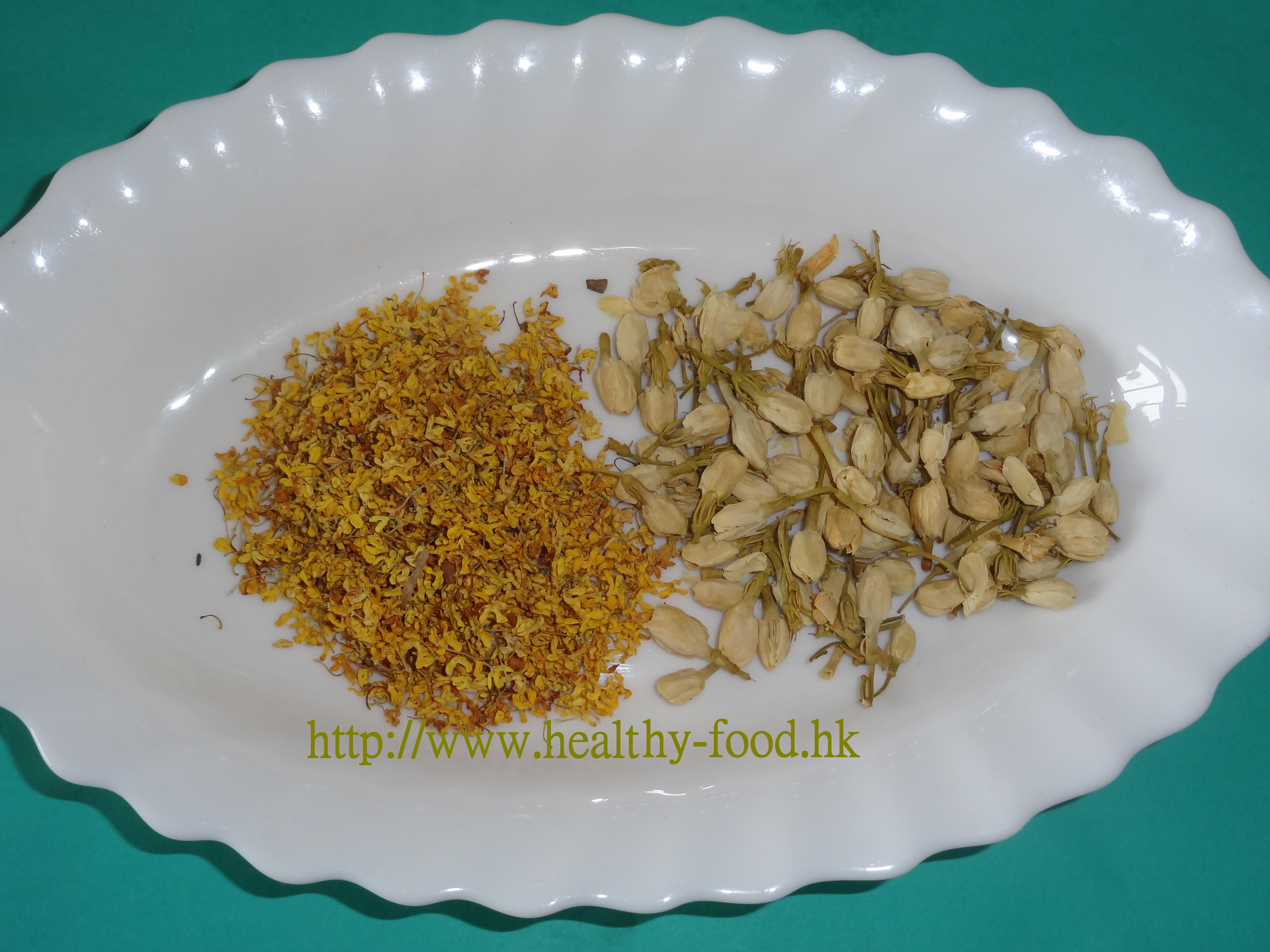
Osmanthus and Jasmine Flower Tea
Osmanthus and Jasmine Flower Tea
Best for: Cold, yang-deficient patterns in older adults
Osmanthus and jasmine provide a warming alternative to the predominantly cooling teas above. This blend is traditionally associated with blood pressure balance when an older person also has cold limbs, loose stools, dizziness, lower-back aches or clear, frequent urination.
traditionally associated with supporting qi circulation and blood pressure balance in yang-deficient individuals
How to choose
- For dizziness, headache, irritability or poor sleep with a heat-type pattern, start with Uncaria, Hawthorn, and Chrysanthemum Tea or Tian Qi Flower Tea.
- For a simple everyday drink, Three-Treasure Tea combines pu-erh, chrysanthemum and monk fruit and is traditionally used especially for older adults.
- If you prefer a proper meal, choose Celery & Grass Carp Tail Soup for a lighter option or Fresh Yam, Chayote and Fresh Fish Soup for a mild family soup.
- If you tend to feel cold and have loose stools, cold limbs or clear frequent urination, Osmanthus and Jasmine Flower Tea better matches the traditionally described yang-deficient pattern than the cooling teas.
When to be cautious
- These teas and soups are complementary foods and drinks, not replacements for prescribed blood-pressure medication or medical management.
- Do not overcook uncaria; keep its simmering time to around 15 minutes. If the tea feels too cooling for your stomach, its recipe suggests adding red dates or a small amount of dried longan.
- For He Shou Wu, Hawthorn Berry & Mulberry Tea, use processed he shou wu (zhi shou wu). If you have acid reflux, drink it after meals and add a little honey to soften the acidity.
- See a doctor if symptoms persist, and seek medical care rather than relying on food therapy when blood pressure is markedly elevated or concerning symptoms occur.
Common questions
Which tea is the best fit when high blood pressure comes with dizziness or headache?
Uncaria, Hawthorn, and Chrysanthemum Tea is the most directly matched recipe in this collection. It is traditionally used when elevated blood pressure accompanies dizziness, headache, ear ringing, irritability or poor sleep. Tian Qi Flower Tea is another option when the overall pattern feels particularly hot or restless.
Can I drink these teas instead of taking blood pressure medicine?
No. These recipes are presented as traditional food-therapy support rather than substitutes for prescribed medication. The He Shou Wu, Hawthorn Berry & Mulberry Tea and the Uncaria blend specifically describe themselves as complementary to medical management. If you have diagnosed hypertension, continue following the treatment plan given by your healthcare professional.
Is there a soup rather than a herbal tea for blood pressure support?
Yes. Celery & Grass Carp Tail Soup is traditionally used to support healthy blood pressure and clear liver-related heat, with celery as its key vegetable. Fresh Yam, Chayote and Fresh Fish Soup is a milder family option traditionally associated with supporting healthy blood pressure, blood sugar and blood-vessel health.
What if cooling herbal teas make me feel cold or upset my stomach?
Choose according to your constitution rather than assuming every blood-pressure tea should be cooling. Osmanthus and Jasmine Flower Tea is traditionally used for a colder, yang-deficient pattern involving symptoms such as cold limbs, loose stools and clear frequent urination. The Uncaria tea recipe also suggests red dates or dried longan if the drink feels too cooling.
Guides are compiled from Nourilo's recipe library and describe traditional use. Read how we write and check our content and who is behind Nourilo.