Home-Style Dishes
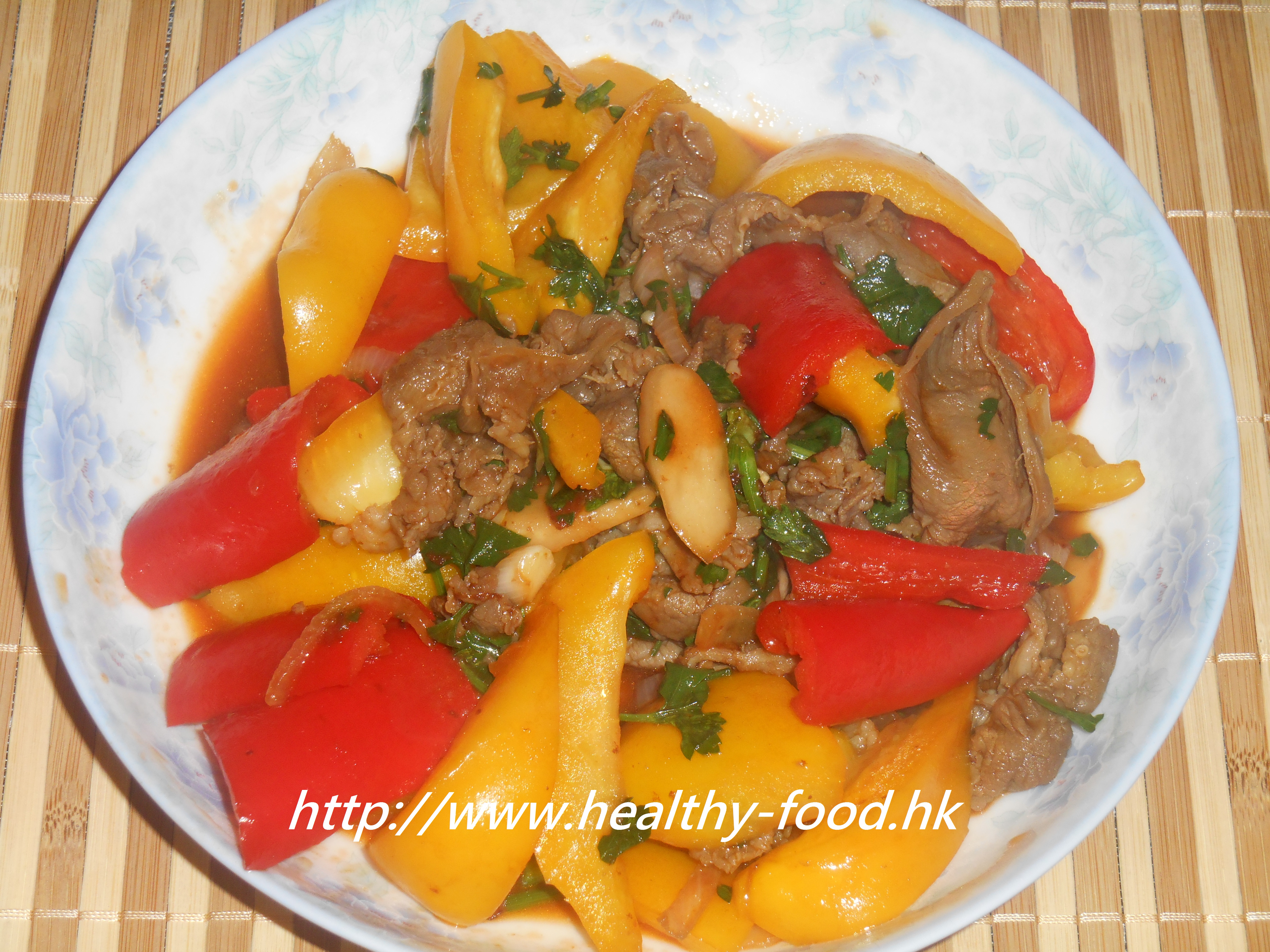
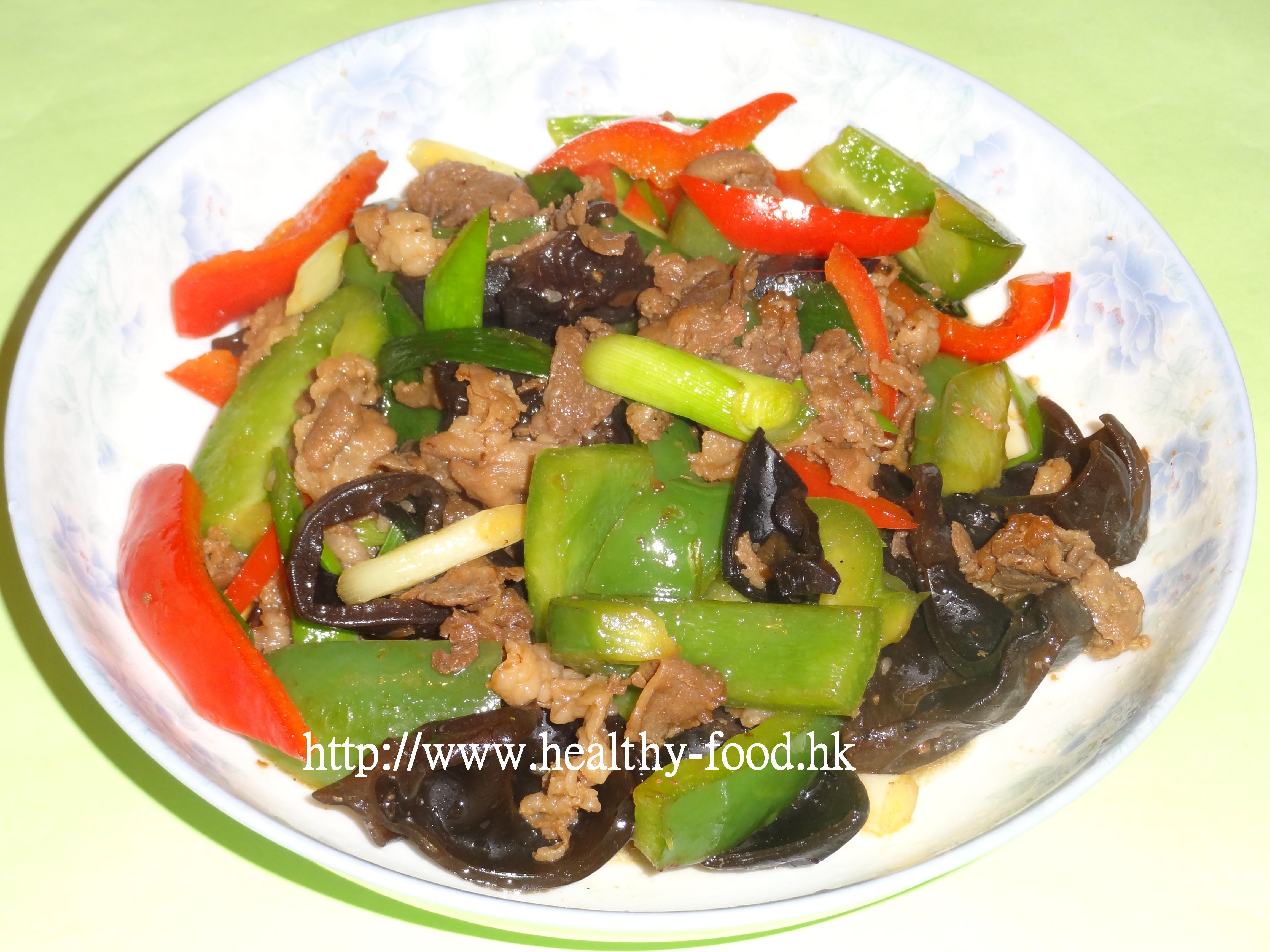
Stir-Fried Lamb Slices with Bell Peppers
traditionally associated with warming the body and supporting digestion in cold weather
In short: Stir-Fried Lamb Slices with Bell Peppers is a home-style dishe that traditionally associated with warming the body and supporting digestion in cold weather. It is most often made for respiratory & lung wellness, digestive wellness, everyday balance. Total time about 45 min. Key ingredients: garlic, minced, rice wine.
Why people make this dish
There is an old saying in Chinese food culture: “Eat lamb in winter and it rivals ginseng; eat it spring, summer or autumn and it still strengthens the body.” Lamb has long been valued in food therapy for its warming, nourishing nature — thought to support the stomach, benefit kidney energy and nourish the blood. It is a natural fit for cold weather.
Nourilo’s practical take: whole fresh lamb is expensive and not always easy to prepare. A bag of frozen Mongolian lamb slices from the supermarket — the kind sold for hot pot — works beautifully in a quick stir-fry. Paired with red and yellow bell peppers for colour and sweetness, plus a good handful of chopped parsley to balance the richness, this dish comes together in minutes and tastes genuinely satisfying on a cold evening.
What studies say about the key ingredients
Traditional use is not the same as clinical proof. Here is the strongest human research we found for each ingredient, limitations included.
- Garlic
Gamma-delta T and NK cells proliferated better and were more activated than with placebo. The number of illnesses did not differ significantly, but cold and flu severity and missed days were lower.Limitation: Cold and flu outcomes were self-reported in daily diaries, and the dose was a concentrated extract that is not comparable to dietary garlic.PubMed 26764332 · 2 more garlic studies
From the Nourilo Research Library. Findings come from specific doses, extracts and populations and may not apply to a home-cooked recipe.
Safety first — read before you cook
This is a traditional food, not a treatment. Please check with your doctor or pharmacist before making it a regular part of your diet if you:
- are pregnant or breastfeeding, or are cooking for a young child;
- take regular medicines — especially blood thinners, blood-pressure, diabetes or immune-suppressing drugs;
- have a kidney, liver or heart condition, or a known food allergy.
Ingredient notes for this recipe
- Rice wine / alcohol: This recipe contains alcohol. If you are pregnant or planning a pregnancy, the NHS recommends not drinking alcohol; leave it out or choose another recipe. Source: NHS — Alcohol in pregnancy
Stop eating it and seek advice if you notice an allergic reaction or feel unwell. Safety notes reviewed 8 October 2026 · How we write safety notes
Members only
Unlock the full method & Nourilo's tips
One payment, lifetime access to every one of our 2,344 recipes — step-by-step methods, preparation tips and serving notes.
- Full step-by-step method for this and all 2,344 recipes
- Nourilo's Tips — sourcing, substitutions and serving notes
- One-time payment · card, Apple Pay or Google Pay · no subscription, no renewals
Checking your access…
$59.99 one-time · all recipes
Sign in or create a free account, then pay once by card, Apple Pay or Google Pay.
Continue with GoogleBy continuing with Google or email you confirm you are 16 or older and agree to our Terms of Use and Privacy Policy.
$59.99 one-time · all recipes
Signed in as ·
Secure checkout by Stripe. One-time payment, no renewals. Access is linked to your Nourilo account and never expires. By paying you agree to our Terms of Use; you can get a full refund within 14 days (refund policy).
Comments
Join the conversation — sign in or create a free account to comment.
Continue with GoogleBy continuing with Google or email you confirm you are 16 or older and agree to our Terms of Use and Privacy Policy.
Loading comments…