Soups
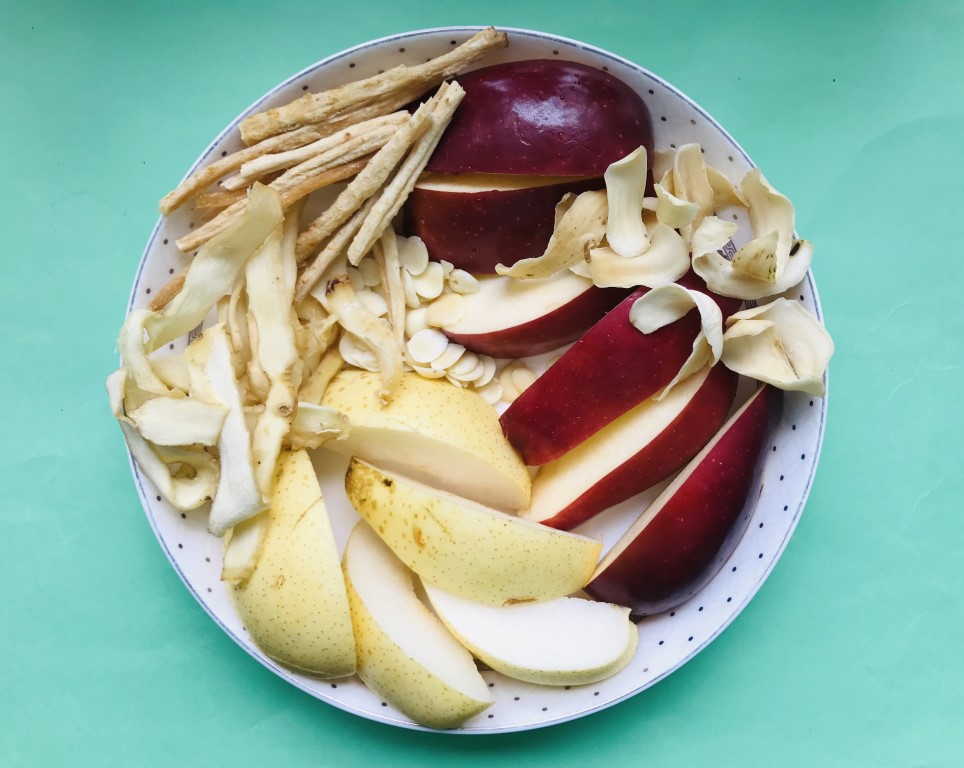
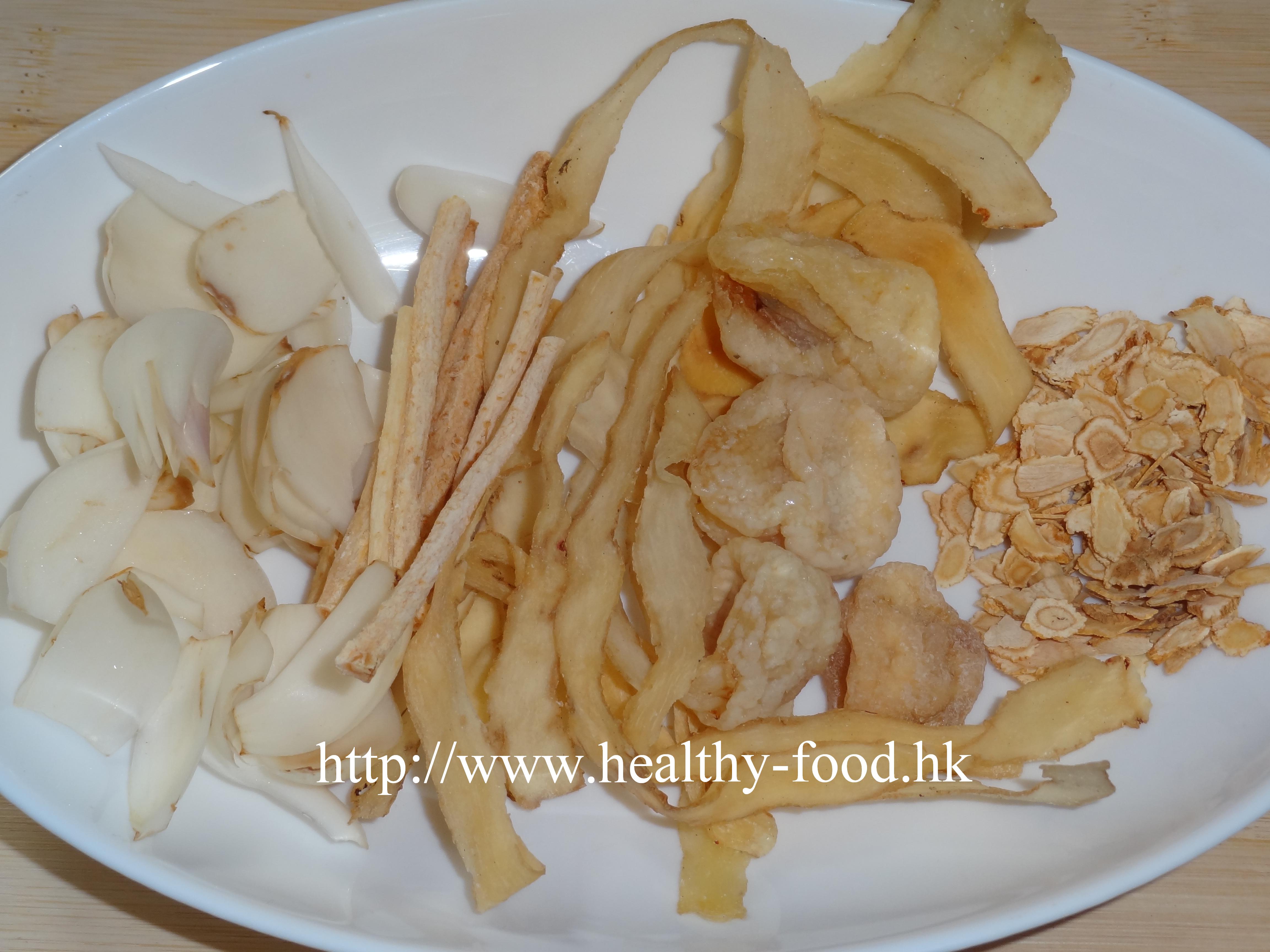
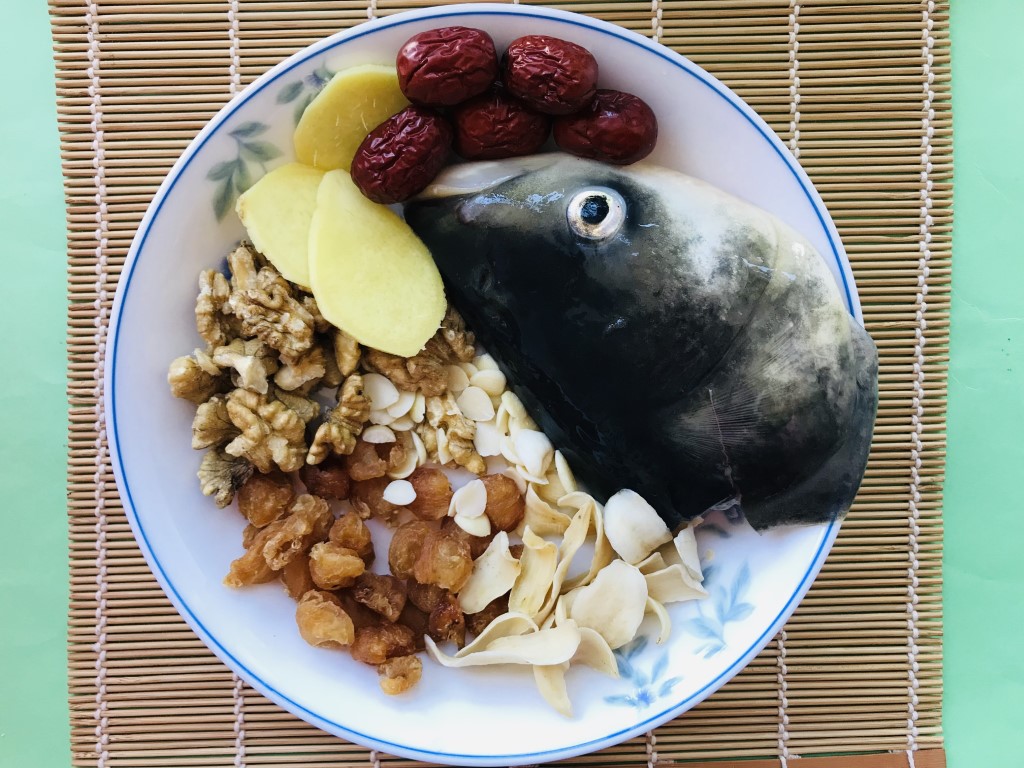
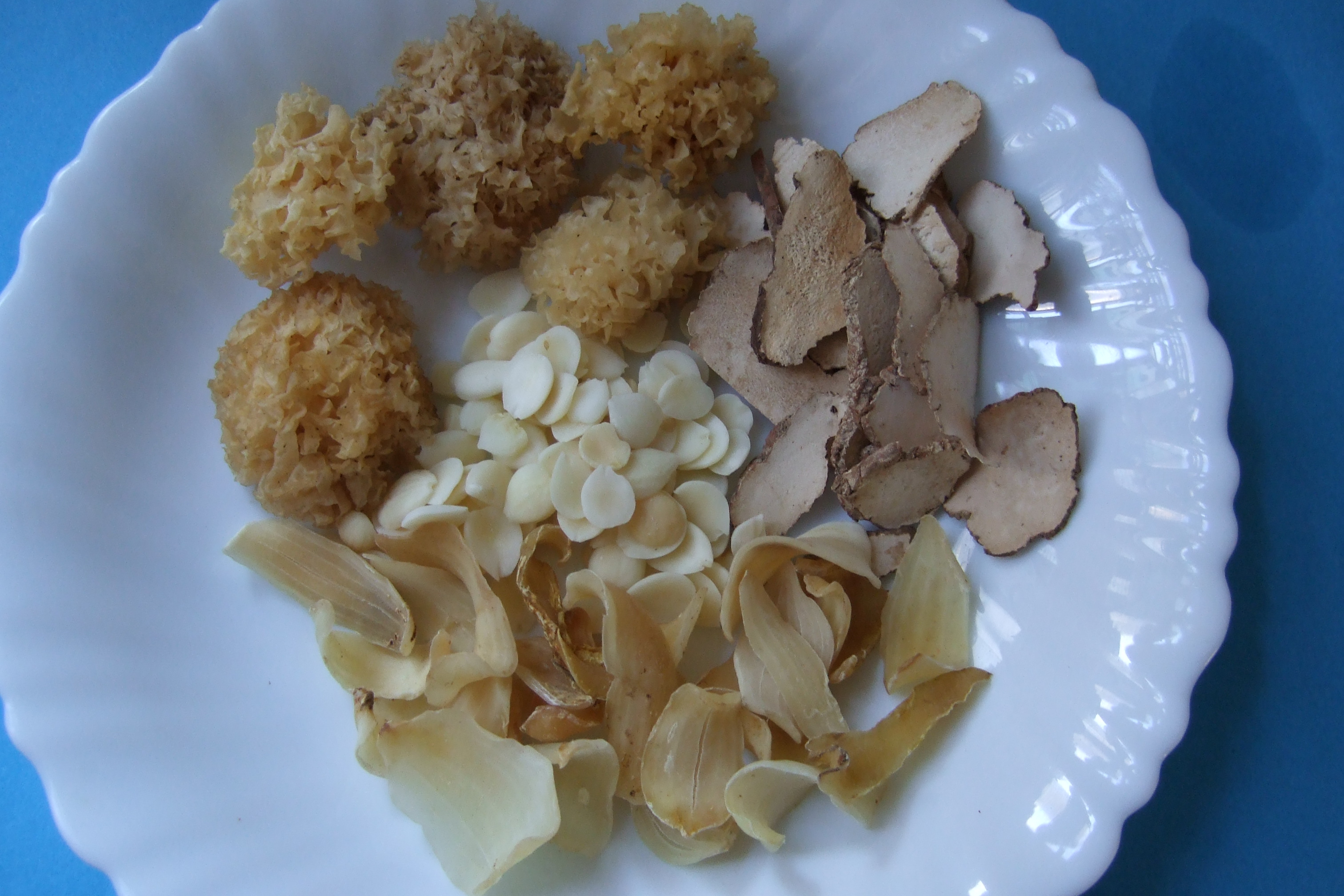
Prince Ginseng, Solomon's Seal, Lily, Apricot Kernel, and Pear Soup
traditionally used to support lung recovery, ease persistent cough, and replenish energy in children after illness
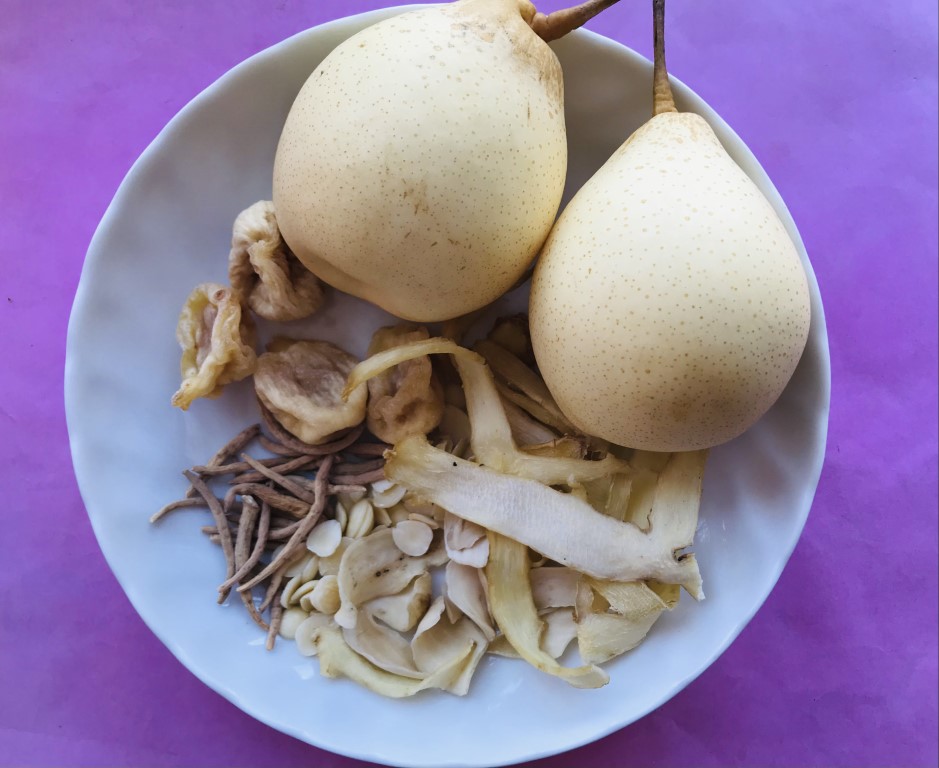
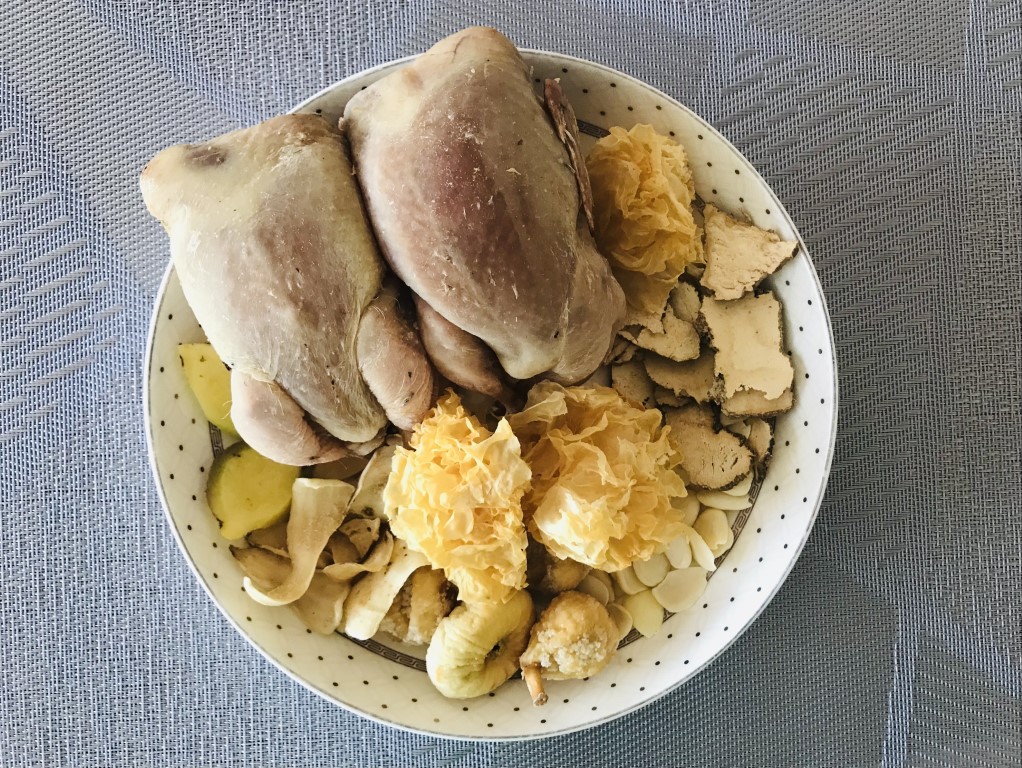
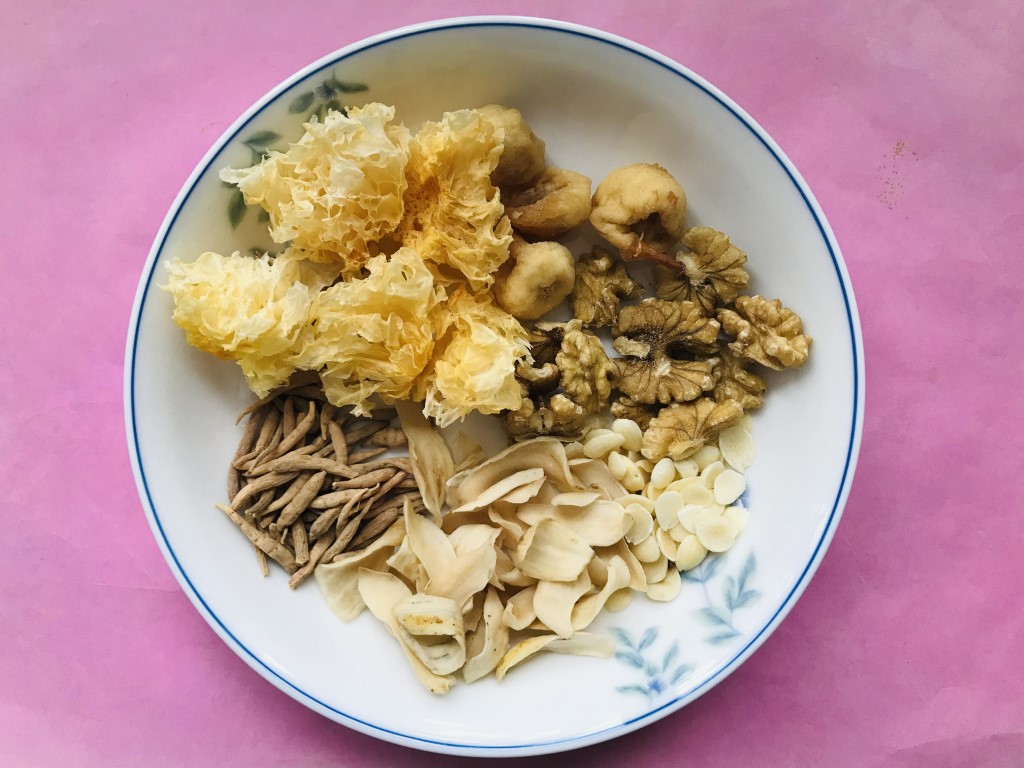
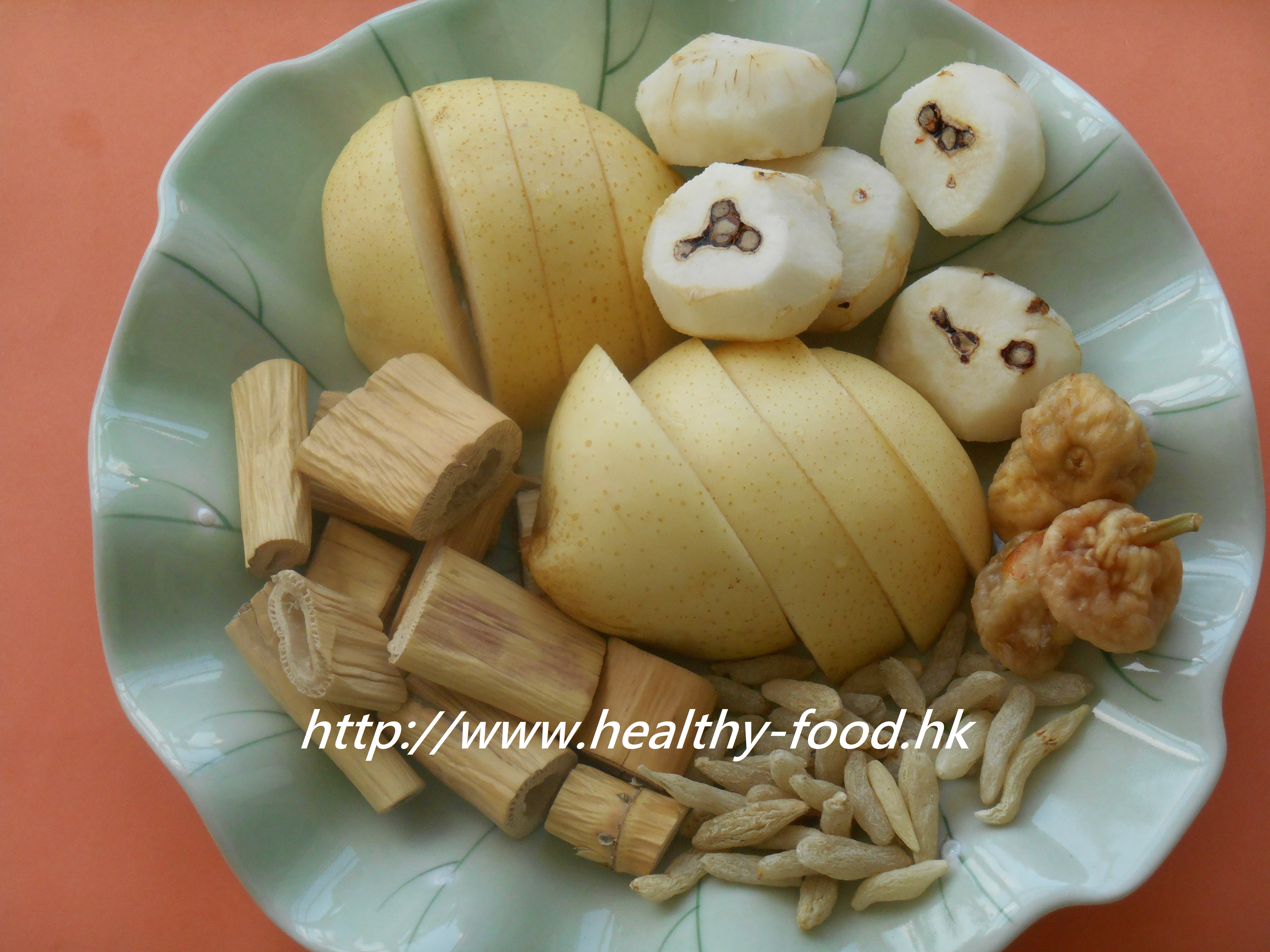
In short: Prince Ginseng, Solomon's Seal, Lily, Apricot Kernel, and Pear Soup is a soup that traditionally used to support lung recovery, ease persistent cough, and replenish energy in children after illness. It is most often made for respiratory & lung wellness, children's wellness, energy & vitality. Total time about 1 hr 10 min. Key ingredients: solomon's seal rhizome, lily bulb, figs, asian pear.
Why people make this soup
When a child has been ill for an extended period — coughing on and off, feeling tired, struggling to concentrate, or sleeping fitfully — parents in Hong Kong and Guangdong will often turn to this kind of gentle, nourishing soup. It is not a cure for any illness, but it gives the body something quiet and supportive to work with while it heals.
Prince ginseng, lily bulb, and Solomon’s seal together create a combination that traditional Cantonese food therapy associates with moistening the lungs, settling the mind, and strengthening a constitution worn down by illness. The pear and figs add natural sweetness and make the soup genuinely enjoyable for children who might otherwise resist herbal drinks.
Safety first — read before you cook
This is a traditional food, not a treatment. Please check with your doctor or pharmacist before making it a regular part of your diet if you:
- are pregnant or breastfeeding, or are cooking for a young child;
- take regular medicines — especially blood thinners, blood-pressure, diabetes or immune-suppressing drugs;
- have a kidney, liver or heart condition, or a known food allergy.
Ingredient notes for this recipe
- Ginseng: May interfere with blood clotting, might lower blood sugar and may worsen autoimmune conditions. Some experts advise against it for children and during pregnancy or breastfeeding. Source: NIH NCCIH — Asian Ginseng
- Apricot kernels: Raw apricot kernels contain amygdalin, which turns into cyanide after eating. EFSA estimates that half of one small raw kernel can exceed the safe level for a toddler. Use no more than the recipe states, never eat them raw, and do not serve them to young children. Source: European Food Safety Authority
Stop eating it and seek advice if you notice an allergic reaction or feel unwell. Safety notes reviewed 8 October 2026 · How we write safety notes
Members only
Unlock the full method & Nourilo's tips
One payment, lifetime access to every one of our 2,344 recipes — step-by-step methods, preparation tips and serving notes.
- Full step-by-step method for this and all 2,344 recipes
- Nourilo's Tips — sourcing, substitutions and serving notes
- One-time payment · card, Apple Pay or Google Pay · no subscription, no renewals
Checking your access…
$59.99 one-time · all recipes
Sign in or create a free account, then pay once by card, Apple Pay or Google Pay.
Continue with GoogleBy continuing with Google or email you confirm you are 16 or older and agree to our Terms of Use and Privacy Policy.
$59.99 one-time · all recipes
Signed in as ·
Secure checkout by Stripe. One-time payment, no renewals. Access is linked to your Nourilo account and never expires. By paying you agree to our Terms of Use; you can get a full refund within 14 days (refund policy).
Comments
Join the conversation — sign in or create a free account to comment.
Continue with GoogleBy continuing with Google or email you confirm you are 16 or older and agree to our Terms of Use and Privacy Policy.
Loading comments…