Soups
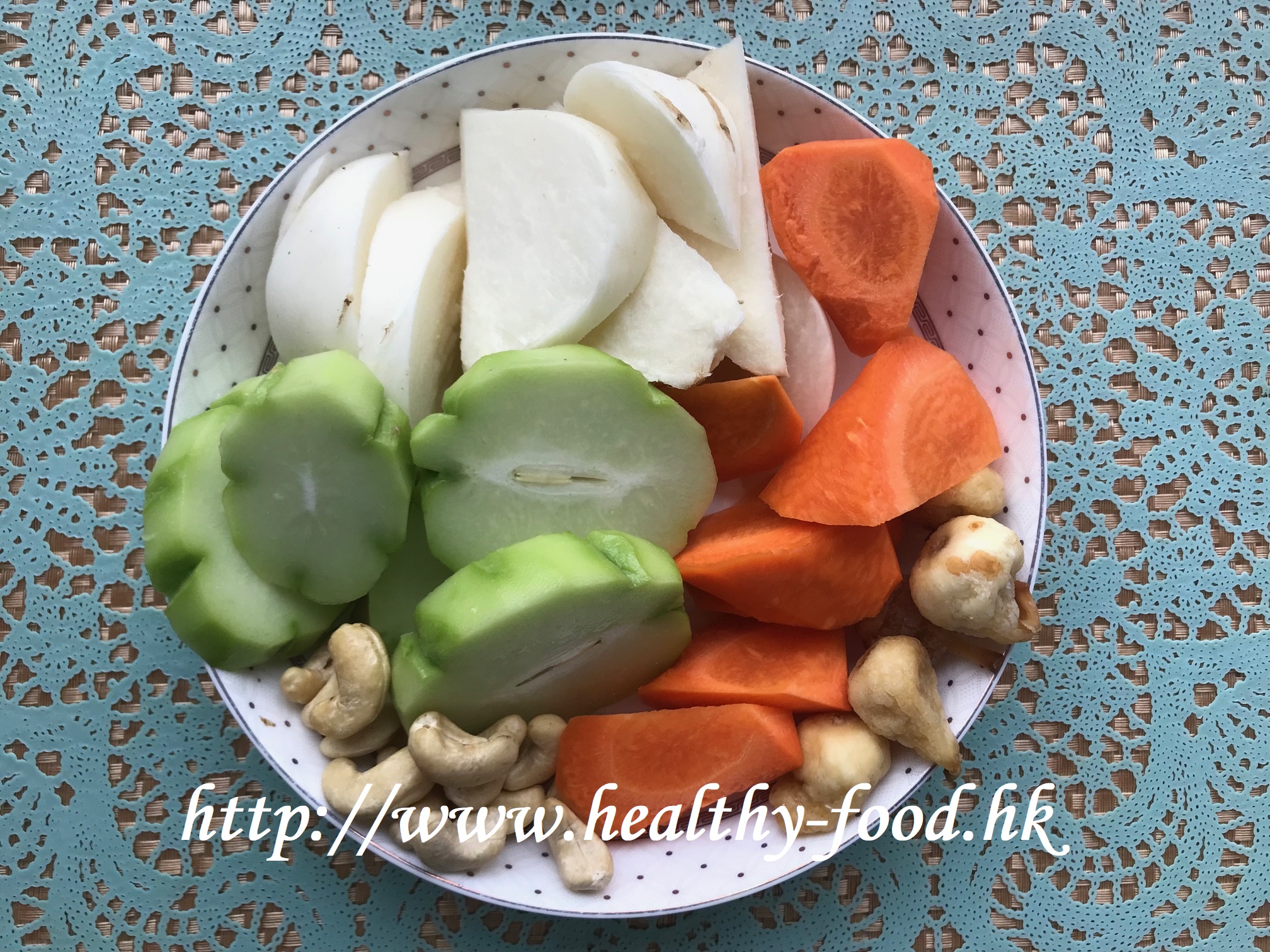
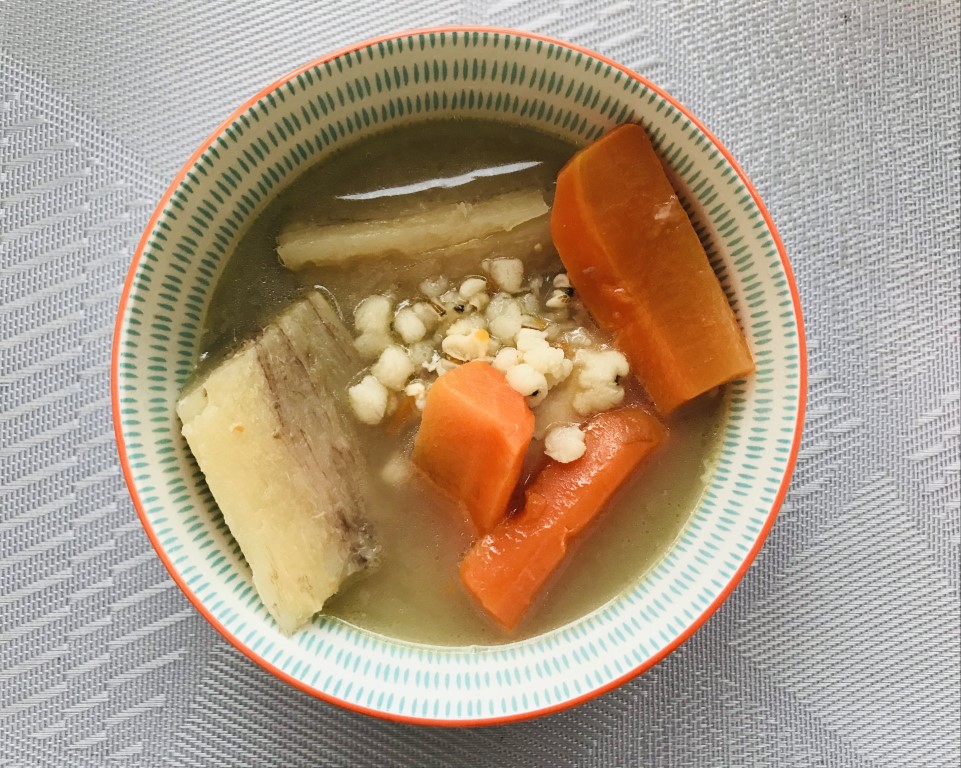
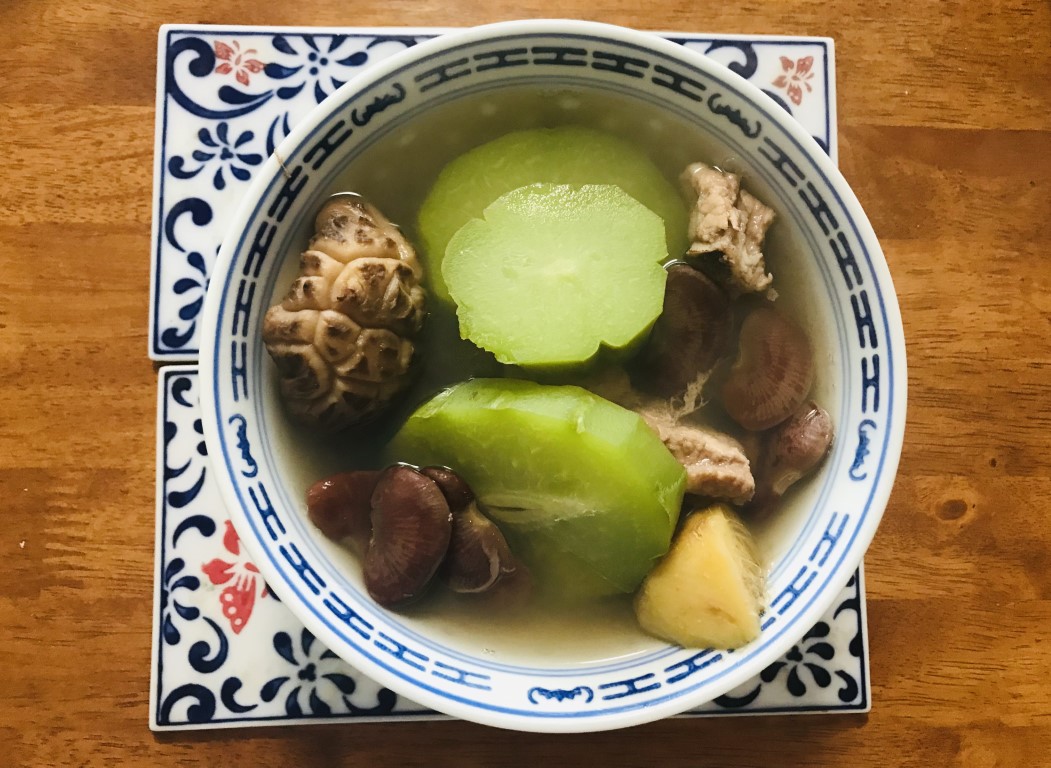
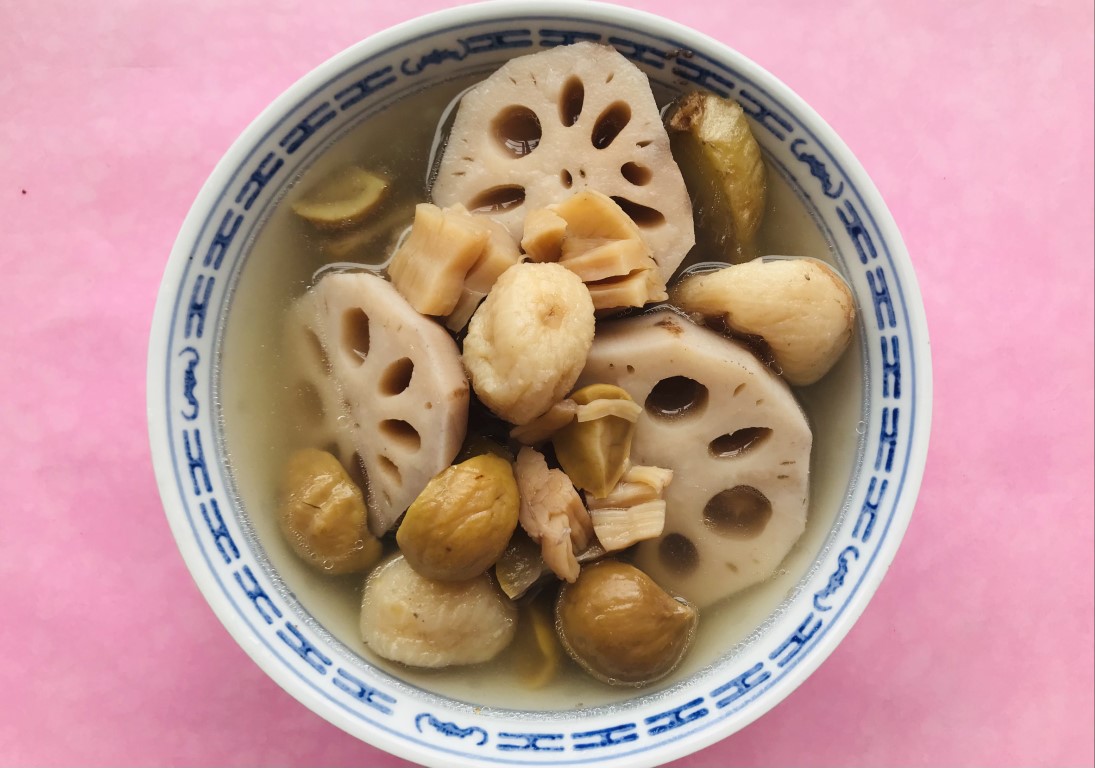
Jicama, Chayote and Carrot Vegetable Soup
Traditionally associated with supporting digestion, clearing dietary fat, lowering blood pressure, and promoting regular bowel movements
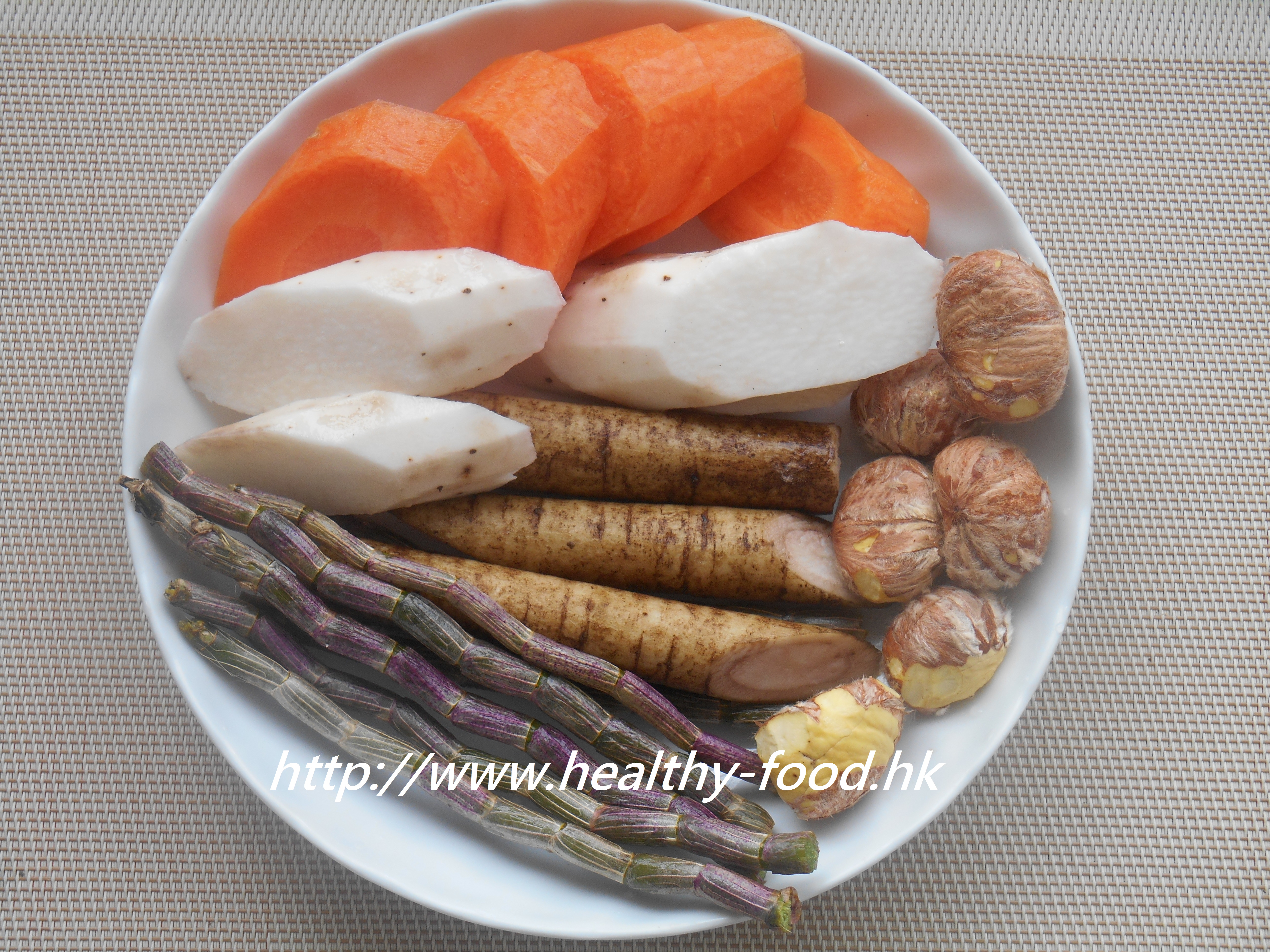
In short: Jicama, Chayote and Carrot Vegetable Soup is a soup that Traditionally associated with supporting digestion, clearing dietary fat, lowering blood pressure, and promoting regular bowel movements. It is most often made for digestive wellness, cleansing & regularity, heart & circulation. Total time about 80 min. Key ingredients: chayote, carrot, figs, cashews.
Why people make this soup
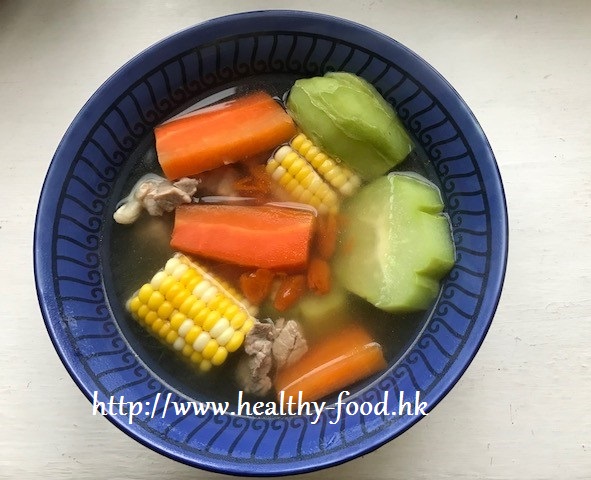
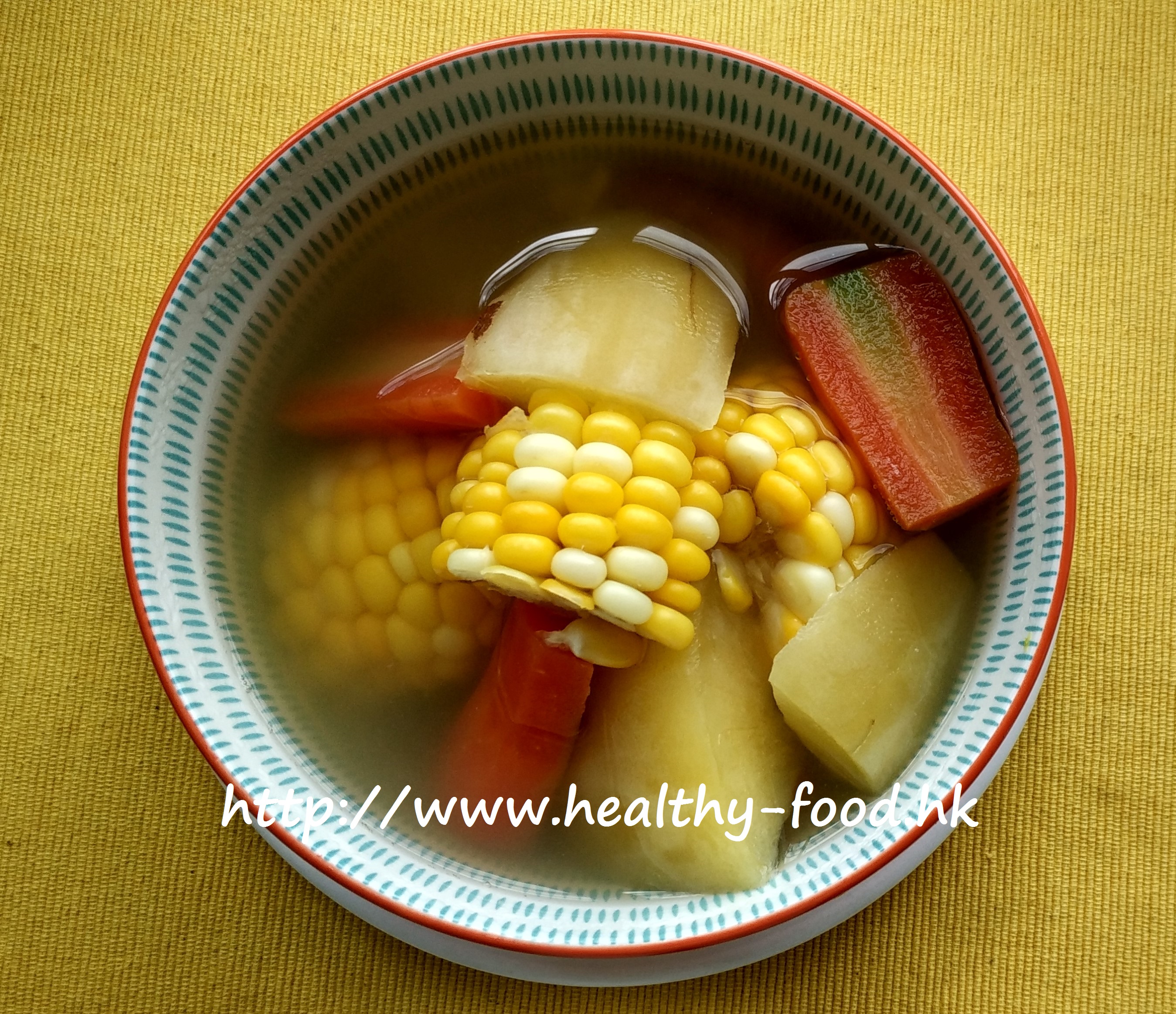
In hot, humid weather, a vegetable soup often suits the body better than something heavy. This is especially true for people who eat out often, take in a lot of meat, and rarely cook vegetables at home. Jicama (sha ge, also known as liang shu) is a particularly useful ingredient in this context — its flesh is crisp, mildly sweet, and rich in dietary fiber, which supports gut motility. Traditionally, it is associated with clearing heat, supporting digestion, helping to reduce blood lipids, and even easing the effects of alcohol. Chayote and carrot add their own gentle sweetness to the broth, while figs contribute natural moistening properties. The cashew nuts play a practical nutritional role too: certain vitamins — A, D, E, and K — are fat-soluble, meaning the body absorbs them far more readily in the presence of a little fat. Adding a handful of cashews to an otherwise fat-free vegetable soup makes the whole thing more nutritionally complete.
Safety first — read before you cook
This is a traditional food, not a treatment. Please check with your doctor or pharmacist before making it a regular part of your diet if you:
- are pregnant or breastfeeding, or are cooking for a young child;
- take regular medicines — especially blood thinners, blood-pressure, diabetes or immune-suppressing drugs;
- have a kidney, liver or heart condition, or a known food allergy.
Stop eating it and seek advice if you notice an allergic reaction or feel unwell. Safety notes reviewed 8 October 2026 · How we write safety notes
Members only
Unlock the full method & Nourilo's tips
One payment, lifetime access to every one of our 2,344 recipes — step-by-step methods, preparation tips and serving notes.
- Full step-by-step method for this and all 2,344 recipes
- Nourilo's Tips — sourcing, substitutions and serving notes
- One-time payment · card, Apple Pay or Google Pay · no subscription, no renewals
Checking your access…
$59.99 one-time · all recipes
Sign in or create a free account, then pay once by card, Apple Pay or Google Pay.
Continue with GoogleBy continuing with Google or email you confirm you are 16 or older and agree to our Terms of Use and Privacy Policy.
$59.99 one-time · all recipes
Signed in as ·
Secure checkout by Stripe. One-time payment, no renewals. Access is linked to your Nourilo account and never expires. By paying you agree to our Terms of Use; you can get a full refund within 14 days (refund policy).
Comments
Join the conversation — sign in or create a free account to comment.
Continue with GoogleBy continuing with Google or email you confirm you are 16 or older and agree to our Terms of Use and Privacy Policy.
Loading comments…