Home-Style Dishes
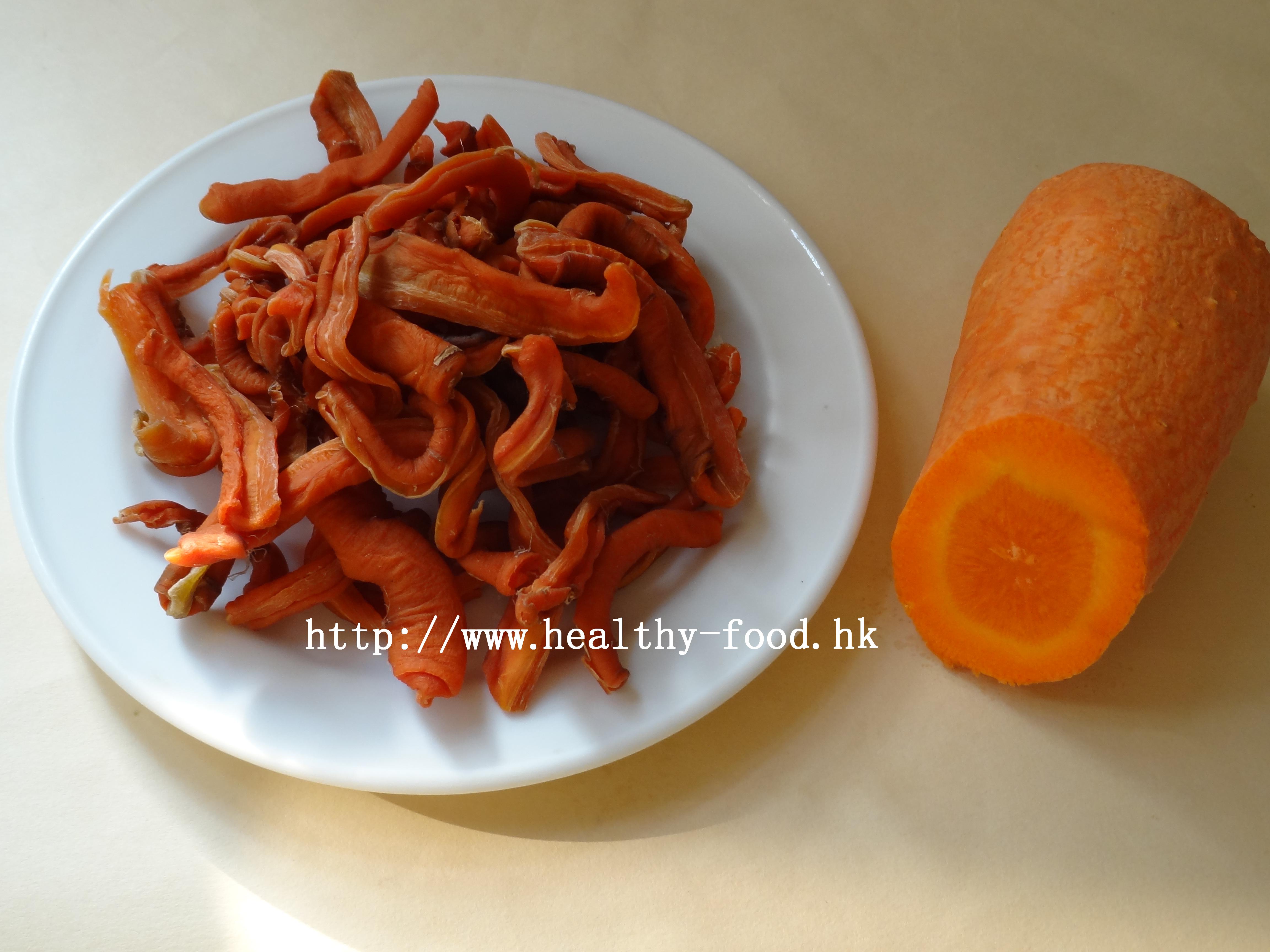
Sun-Dried Carrot Strips
A naturally nutritious preserved snack rich in beta-carotene; traditionally associated with supporting vision and respiratory health
In short: Sun-Dried Carrot Strips is a home-style dishe that A naturally nutritious preserved snack rich in beta-carotene; traditionally associated with supporting vision and respiratory health. It is most often made for respiratory & lung wellness, eye wellness, everyday balance. Key ingredients: carrots.
Why people make this snack
Nourilo was reminded of this old-fashioned village snack when a family friend brought back a bag of home-dried carrot strips from their hometown — soft, chewy, vibrantly coloured, and far tastier than fresh carrot alone. The friend explained the secret: as long as the strips are dried in direct sunlight, they stay bright orange without any colouring or preservatives. What struck Nourilo most was how this humble village food combines genuine palatability with real nutritional value. Carrots are among the most researched vegetables in terms of beta-carotene content; the body converts beta-carotene into vitamin A, which is associated with healthy vision, respiratory tract protection, and children’s growth. Drying concentrates those qualities and creates a shelf-stable snack that can be enjoyed any time.
Safety first — read before you cook
This is a traditional food, not a treatment. Please check with your doctor or pharmacist before making it a regular part of your diet if you:
- are pregnant or breastfeeding, or are cooking for a young child;
- take regular medicines — especially blood thinners, blood-pressure, diabetes or immune-suppressing drugs;
- have a kidney, liver or heart condition, or a known food allergy.
Stop eating it and seek advice if you notice an allergic reaction or feel unwell. Safety notes reviewed 8 October 2026 · How we write safety notes
Members only
Unlock the full method & Nourilo's tips
One payment, lifetime access to every one of our 2,344 recipes — step-by-step methods, preparation tips and serving notes.
- Full step-by-step method for this and all 2,344 recipes
- Nourilo's Tips — sourcing, substitutions and serving notes
- One-time payment · card, Apple Pay or Google Pay · no subscription, no renewals
Checking your access…
$59.99 one-time · all recipes
Sign in or create a free account, then pay once by card, Apple Pay or Google Pay.
Continue with GoogleBy continuing with Google or email you confirm you are 16 or older and agree to our Terms of Use and Privacy Policy.
$59.99 one-time · all recipes
Signed in as ·
Secure checkout by Stripe. One-time payment, no renewals. Access is linked to your Nourilo account and never expires. By paying you agree to our Terms of Use; you can get a full refund within 14 days (refund policy).
Comments
Join the conversation — sign in or create a free account to comment.
Continue with GoogleBy continuing with Google or email you confirm you are 16 or older and agree to our Terms of Use and Privacy Policy.
Loading comments…