Soups
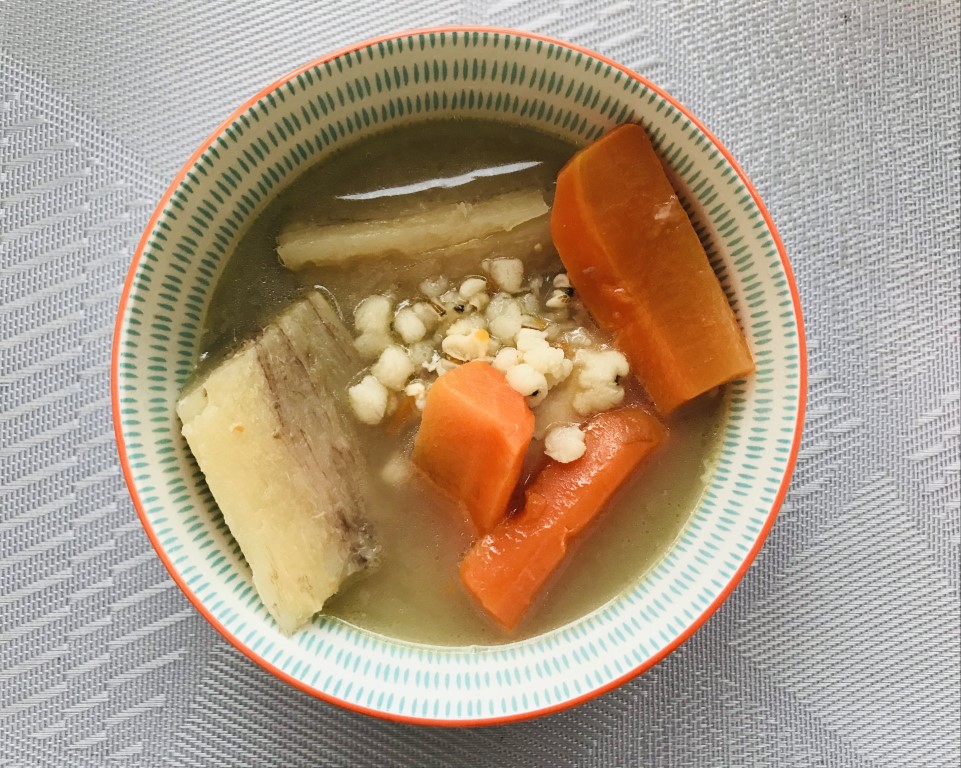
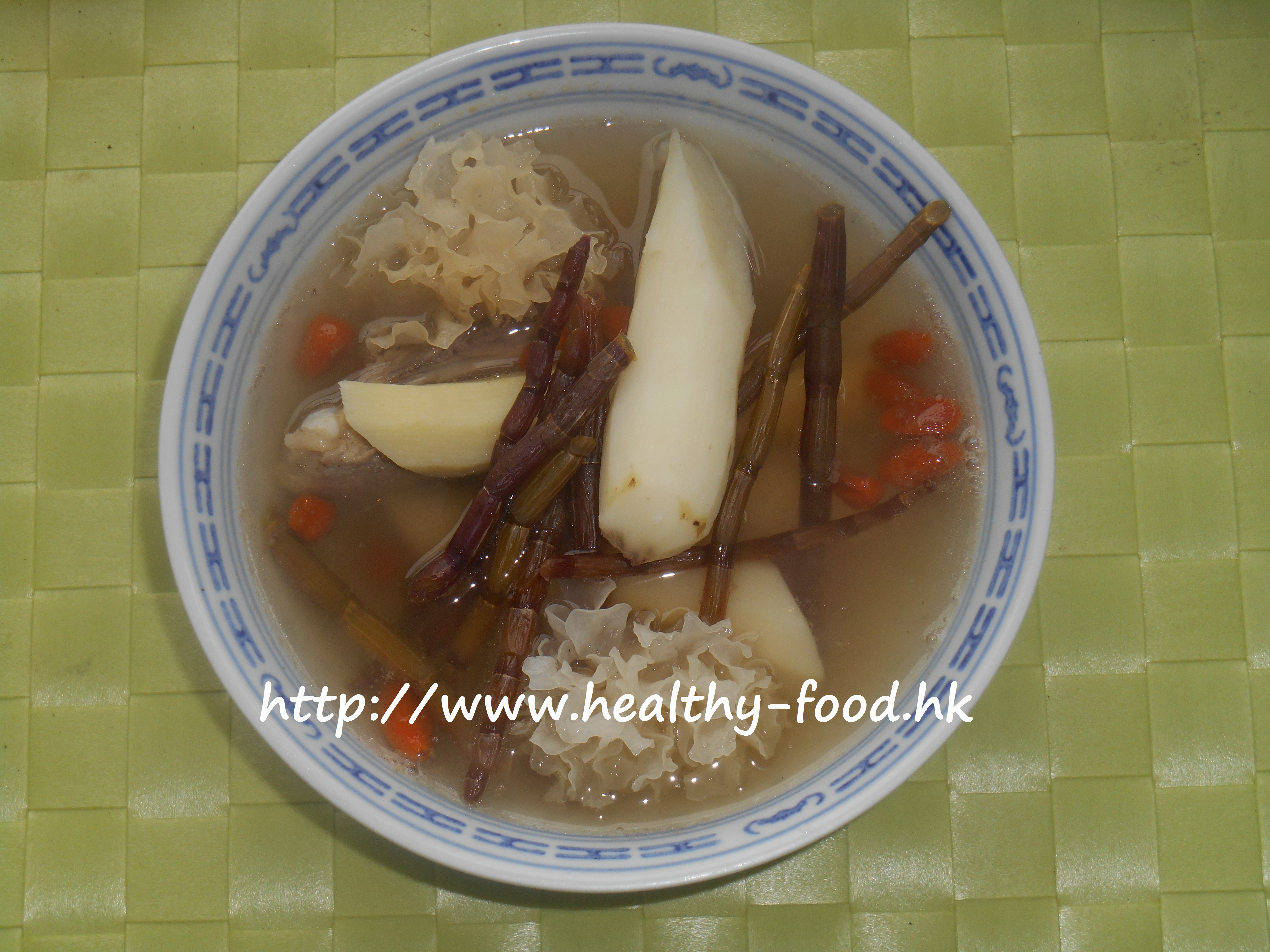
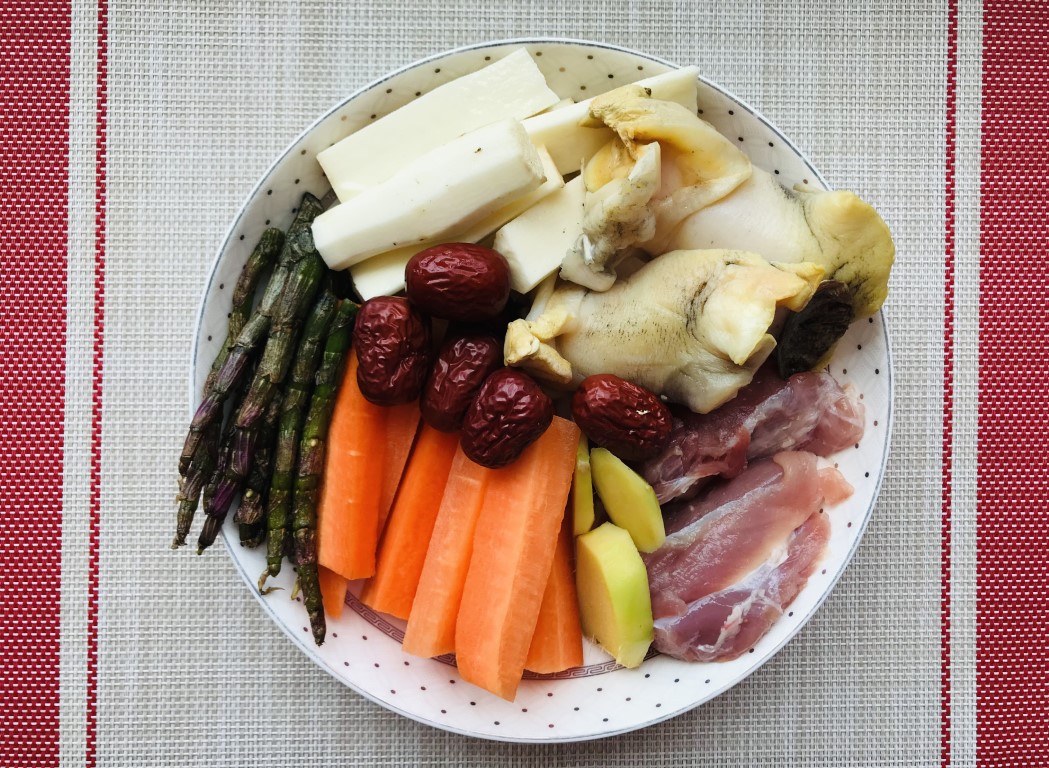
Fresh Yam, Dendrobium, Carrot and Lean Pork Soup
traditionally used to nourish the stomach, support clear vision, and ease deficiency heat and dry eyes
In short: Fresh Yam, Dendrobium, Carrot and Lean Pork Soup is a soup that traditionally used to nourish the stomach, support clear vision, and ease deficiency heat and dry eyes. It is most often made for digestive wellness, cooling & summer heat, blood sugar balance. Total time about 1 hr 15 min. Key ingredients: dendrobium, chinese yam, carrot, lean pork.

Why people make this soup
Most people in the West encounter dendrobium (shi hu) as an ingredient in expensive supplements or tinctures — but in Cantonese food-therapy tradition, the fresh stem is something you might pick up at a Chinese herb shop and toss into the evening soup. Fresh dendrobium is one of those ingredients that bridges the kitchen and the dispensary: raw, the stems are juicy and mildly sweet with a pleasant stickiness when chewed (that stickiness, Nourilo points out, is how you know it is genuine). Cooked into soup with fresh Chinese yam and carrot, the result is a light, nourishing broth with a gentle sweetness that is easy to eat even when appetite is poor.
This soup is particularly useful in the period after a fever or illness when the body is recovering — appetite is off, there may be a bitter or stale taste in the mouth, skin is breaking out, or the eyes are tired and dry. It is also a good choice for children with eye-related symptoms or for those managing blood sugar, as both yam and dendrobium have a long history of use in the dietary care of diabetes.
Method
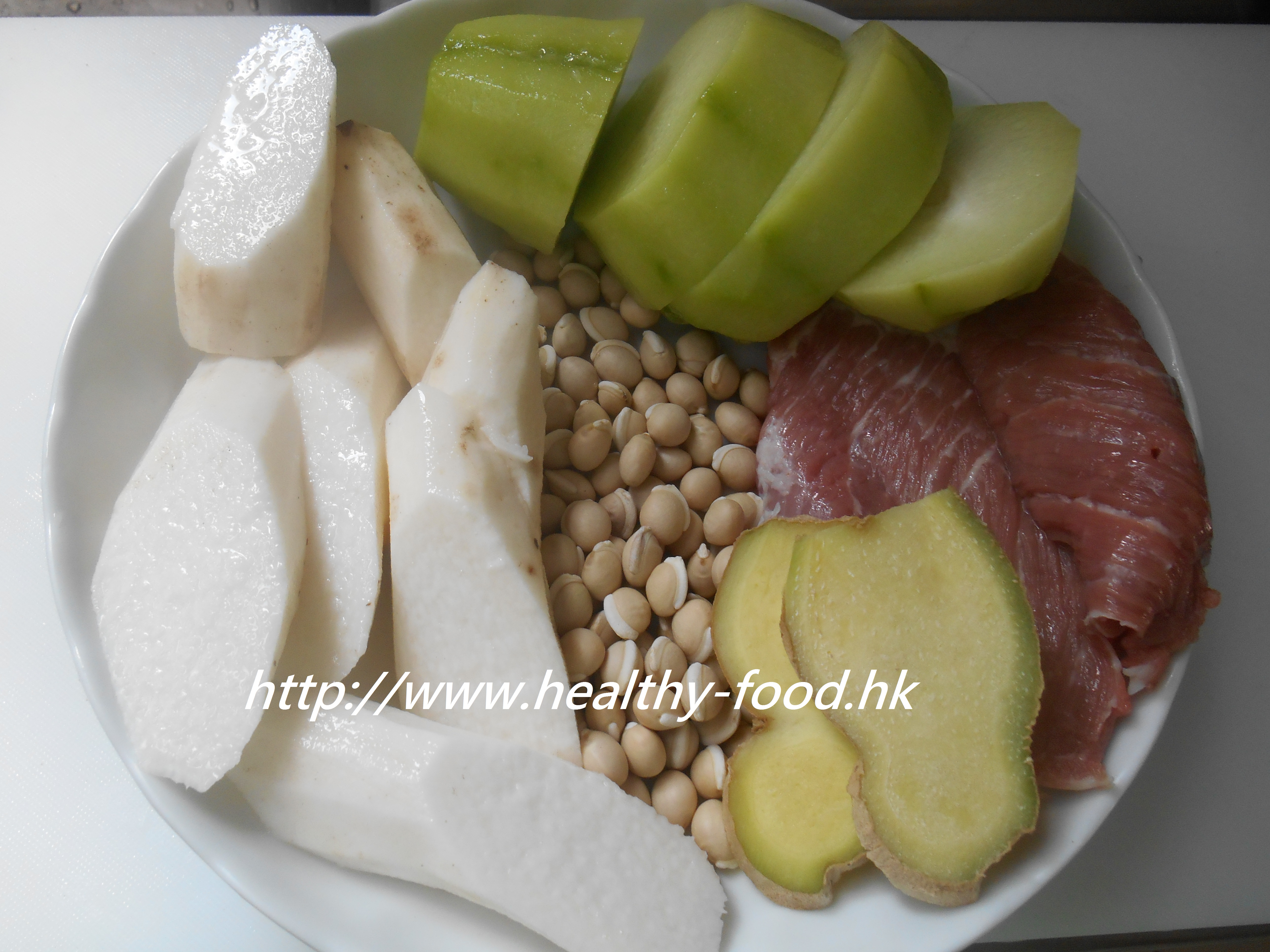
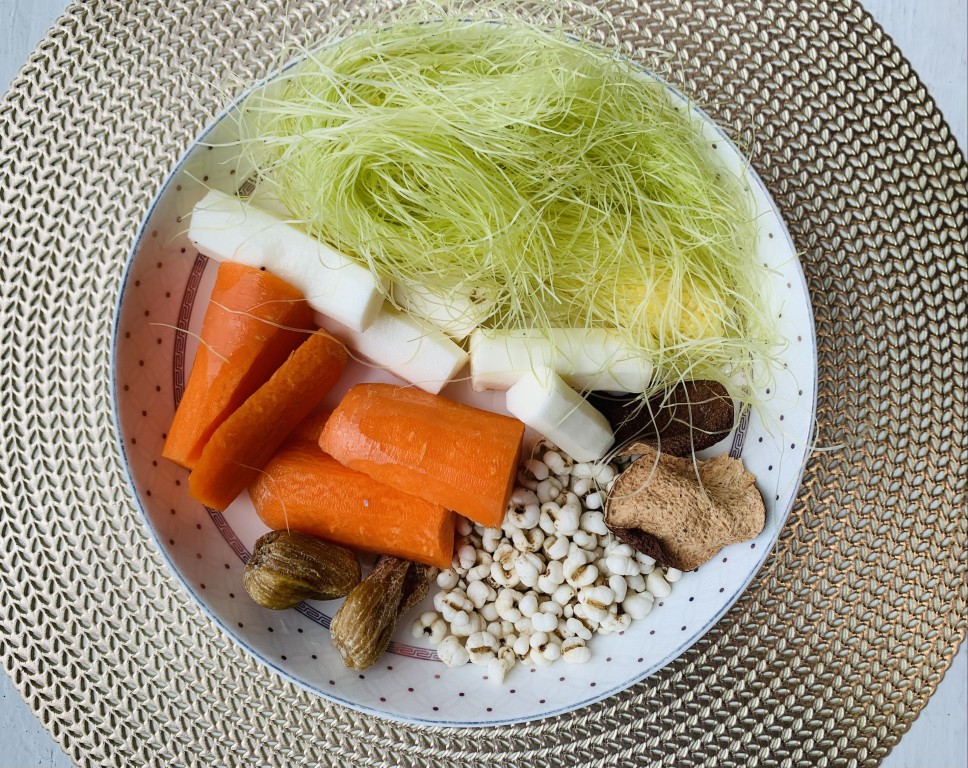
- Peel the fresh yam and carrot; cut into pieces. Rinse the fresh dendrobium stems and cut into shorter sections.
- Cut the lean pork into thick slices and blanch briefly in boiling water; drain and rinse.
- Place all ingredients into a pot with 2.4 L of water.
- Bring to a boil, then reduce heat and simmer for 1 hour.
- Serve the soup together with all the ingredients — eat the yam, carrot, and dendrobium stems along with the broth.
Nourilo’s Tips
When choosing fresh dendrobium: wash a stem, bite into it raw — if it is genuine, you will feel a mild sweetness and a slight stickiness, almost like chewing a soft, refreshing grass. If it completely dissolves in your mouth with no texture or stickiness, it may be a substitute (water grass is commonly used as a fake). Dried dendrobium powder can be taken stirred into warm water separately — again, real powder will feel slightly sticky when mixed. For those who like ginger, a slice or two plus a piece of aged tangerine peel (chen pi) can be added without affecting the properties of this soup, and will add a mild warmth that suits those who find pure yin-nourishing soups a little cold. Silkie chicken (wu ji) can replace the pork for a more deeply nourishing version.
What studies say about the key ingredients
Traditional use is not the same as clinical proof. Here is the strongest human research we found for each ingredient, limitations included.
- Dendrobium
Salivary flow rate and oral mucosal scores improved more in the Dendrobium group than in the control group using vitamin B12 rinse alone (P < .05). Serum IL-10 rose from baseline, and oral bacterial composition differed.Limitation: Small single-hospital sample; the Dendrobium group also used the B12 rinse, and the abstract does not say whether the control group received a placebo drink.PubMed 39811879 · 2 more dendrobium studies
From the Nourilo Research Library. Findings come from specific doses, extracts and populations and may not apply to a home-cooked recipe.
Safety first — read before you cook
This is a traditional food, not a treatment. Please check with your doctor or pharmacist before making it a regular part of your diet if you:
- are pregnant or breastfeeding, or are cooking for a young child;
- take regular medicines — especially blood thinners, blood-pressure, diabetes or immune-suppressing drugs;
- have a kidney, liver or heart condition, or a known food allergy.
Stop eating it and seek advice if you notice an allergic reaction or feel unwell. Safety notes reviewed 8 October 2026 · How we write safety notes
Comments
Join the conversation — sign in or create a free account to comment.
Continue with GoogleBy continuing with Google or email you confirm you are 16 or older and agree to our Terms of Use and Privacy Policy.
Loading comments…