Herbal & Flower Teas
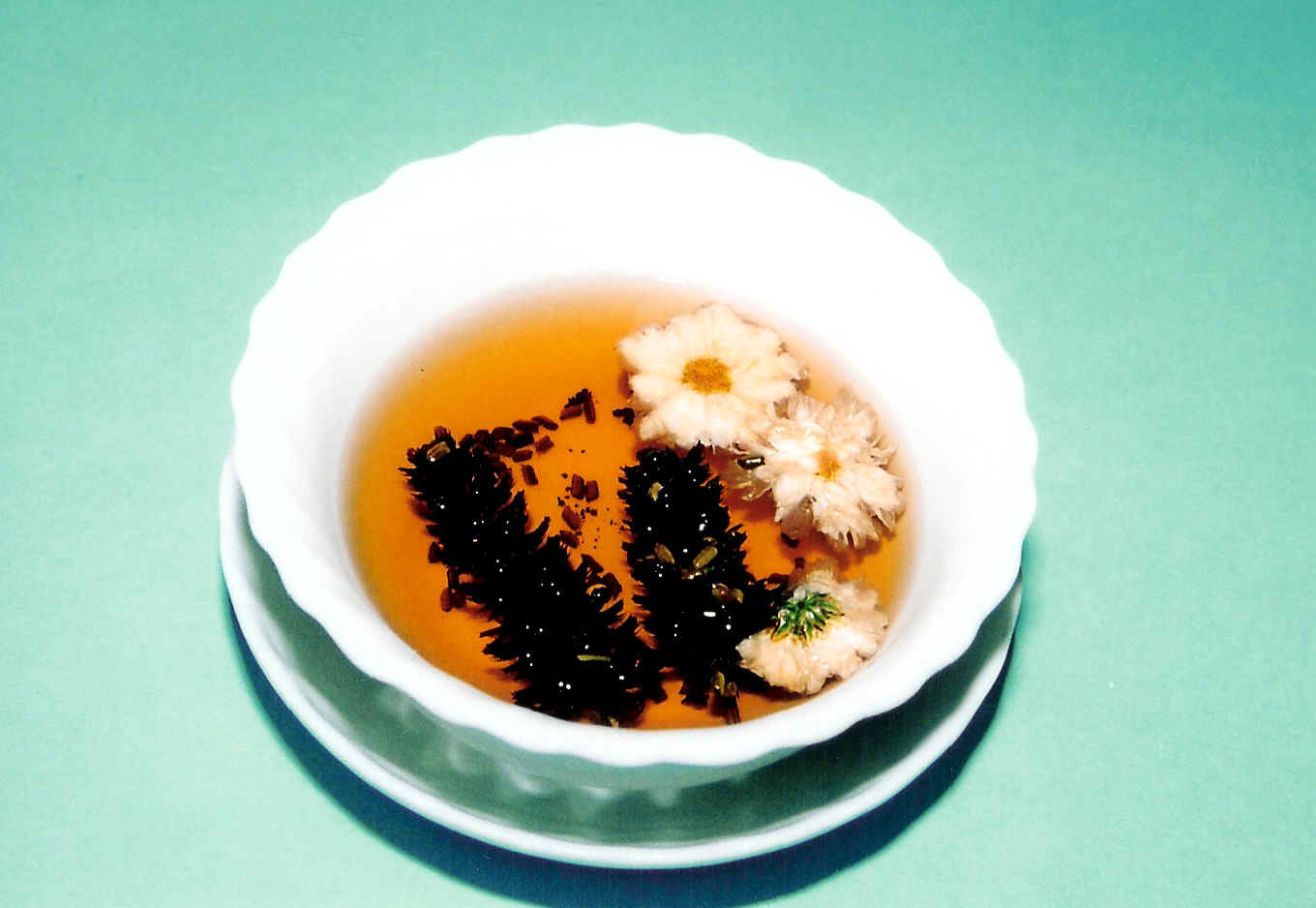
Calendula and Green Tea
traditionally associated with supporting healthy cholesterol levels, liver function, and cardiovascular wellness

Why people make this tea
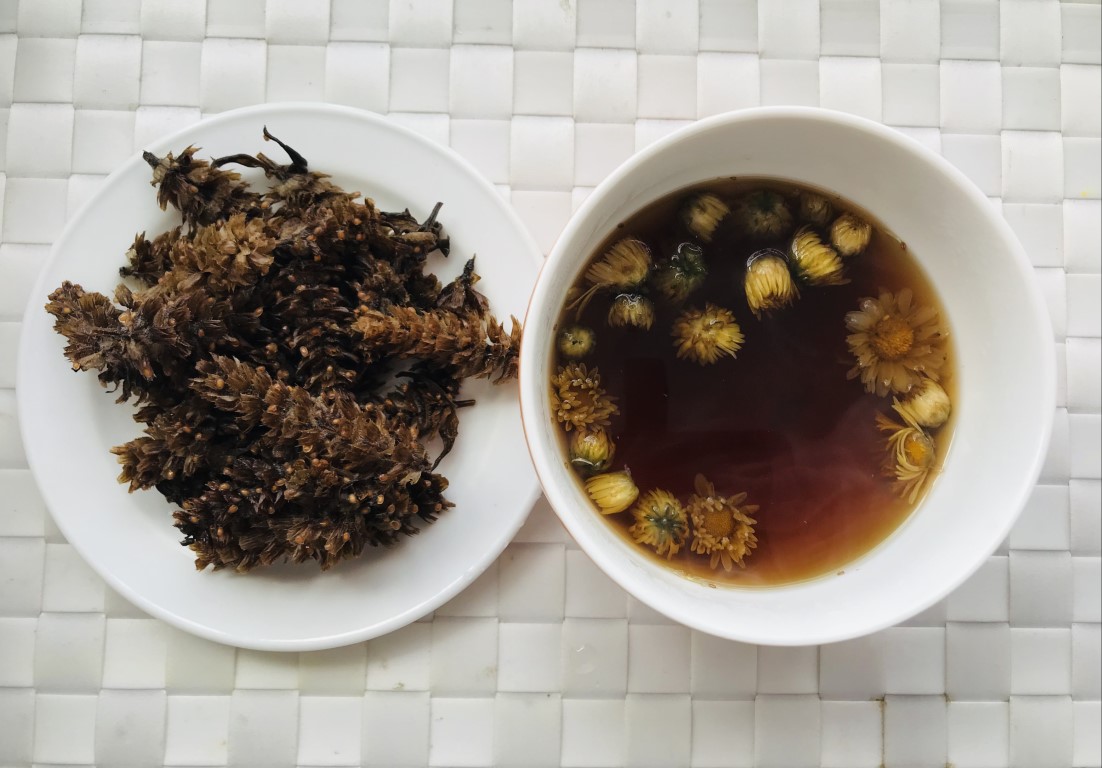
Calendula — often called pot marigold — is one of those flowers that has been quietly recognised by different healing traditions around the world for centuries. What makes it particularly interesting from a food-therapy perspective is its combination of properties: the saponins it contains have been studied for their potential to lower serum cholesterol and triglycerides; its polysaccharide compounds are linked to immune support and anti-tumour activity; and it is considered especially supportive for the liver, gallbladder, and digestive lining. Calendula also has a notable ability to withstand environmental pollution, which Bro Niu finds worth pointing out. Paired with green tea — which brings its own set of well-studied antioxidant and lipid-modifying properties — this tea is a straightforward daily ritual for anyone wanting to support cardiovascular health. The flavour is mildly bitter and fragrant but easy to drink.
Who it suits / who should be cautious
- Suits people who want to support healthy cholesterol, blood triglycerides, or liver function through diet.
- Beneficial for those with stomach or duodenal ulcers, gastritis, or liver and gallbladder conditions.
- May support those going through cancer treatment by potentially reducing side effects and stimulating appetite, based on traditional use.
- Particularly supportive for women with irregular menstruation.
- Not suitable for pregnant women.
- Those already on blood pressure or cholesterol medications should continue their prescribed treatment and discuss any herbal supplements with their doctor.
Why these ingredients (the food-therapy logic)
- Calendula (jin zhan ju): In traditional food therapy calendula is valued for its qi-moving and blood-circulating properties. Modern interest has focused on its saponin content (associated with lowering LDL cholesterol and triglycerides), its polysaccharides (immune-modulating, anti-tumour activity), and its ability to promote bile secretion and support wound healing. It is also considered anti-inflammatory and antimicrobial.
- Green tea (lu cha): Rich in catechins, particularly EGCG, green tea is one of the most widely studied beverages for cardiovascular health. It is associated with lowering LDL cholesterol and triglycerides, improving endothelial function, and providing antioxidant protection. Any good-quality green tea works — Japanese sencha, oolong, or shui xian are all mentioned by Bro Niu as suitable.
Ingredients (1 pot / 1–2 cups)
| Ingredient | Amount | Notes |
|---|---|---|
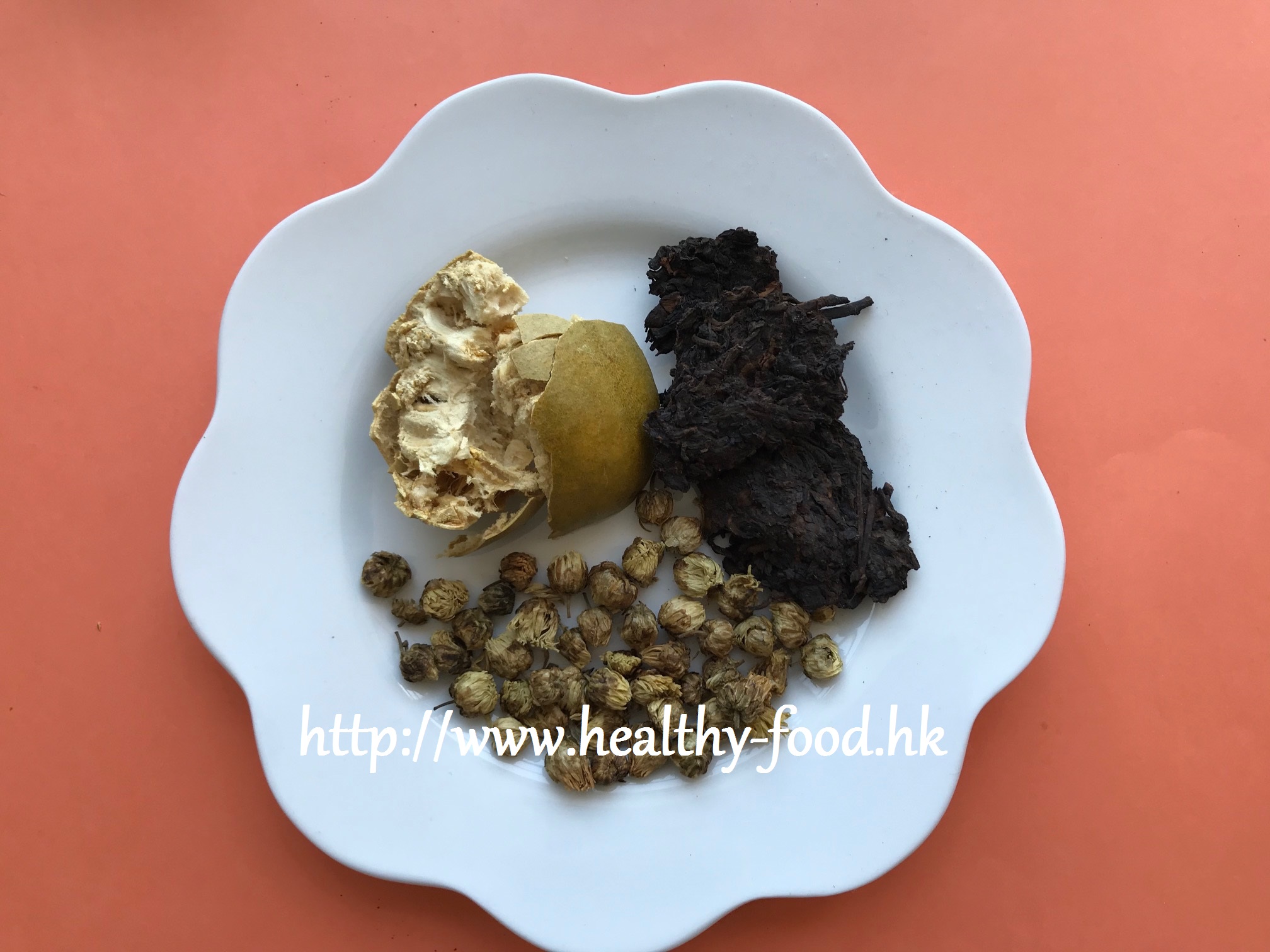
| Calendula flowers | 1 tablespoon | Also known as pot marigold; use dried petals or whole dried flowers |
| Green tea | 2 teaspoons | Any good-quality green tea works; Japanese green tea, oolong, or shui xian all suitable |
Method
- Place calendula flowers and green tea into a teapot or heatproof cup.
- Pour a small amount of boiling water over the ingredients and immediately discard this rinse.
- Pour in fresh boiling water to fill.
- Steep for 5 minutes, then pour and drink.
- The same ingredients can be re-steeped 2–3 more times. A small amount of honey may be added if desired.
Bro Niu’s tips
This tea is mildly bitter but fragrant and pleasant to drink. Aiming for 3–4 times per week is a practical and sustainable routine. Calendula flowers can sometimes be harder to find at standard herb shops; look for them at flower tea specialty shops, health food stores, or online — they are widely available in Western countries. A small amount of honey may be stirred in for sweetness. Note that calendula (jin zhan ju) and chrysanthemum (ju hua) are different plants with different properties.
Community questions answered (selected)
-
Q (BonBon): Is calendula the same as calendula flower petals? I have loose petals — can I use them the same way? Bro Niu: Yes, calendula (jin zhan ju) and calendula flower (jin zhan hua) are the same plant. Using the loose petals works perfectly.
-
Q (BonBon): Does it need to be Japanese green tea specifically? Bro Niu: Any green tea works. Japanese green tea, oolong, and shui xian are all suitable.
-
Q (Vera): I make food-therapy recipes every day for my husband who is going through chemotherapy. He has been able to manage the side effects better. Thank you so much for your website. Bro Niu: Please feel free to ask any food-therapy questions at any time. I wish your husband a speedy recovery and a joyful life.
Published October 9, 2018 · Adapted and translated for Nourilo from a traditional home-kitchen recipe. Approx. 3 min read.