Soups
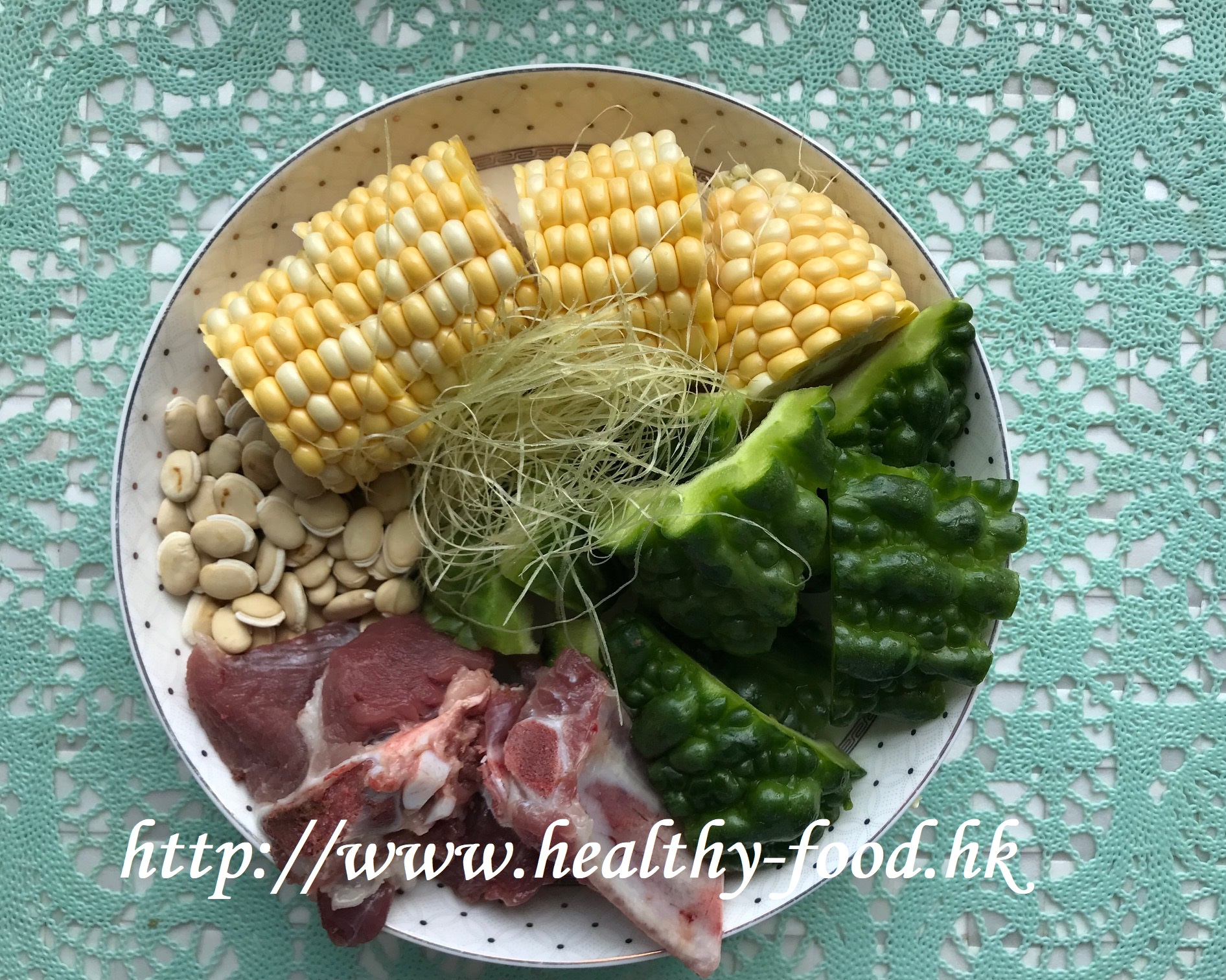
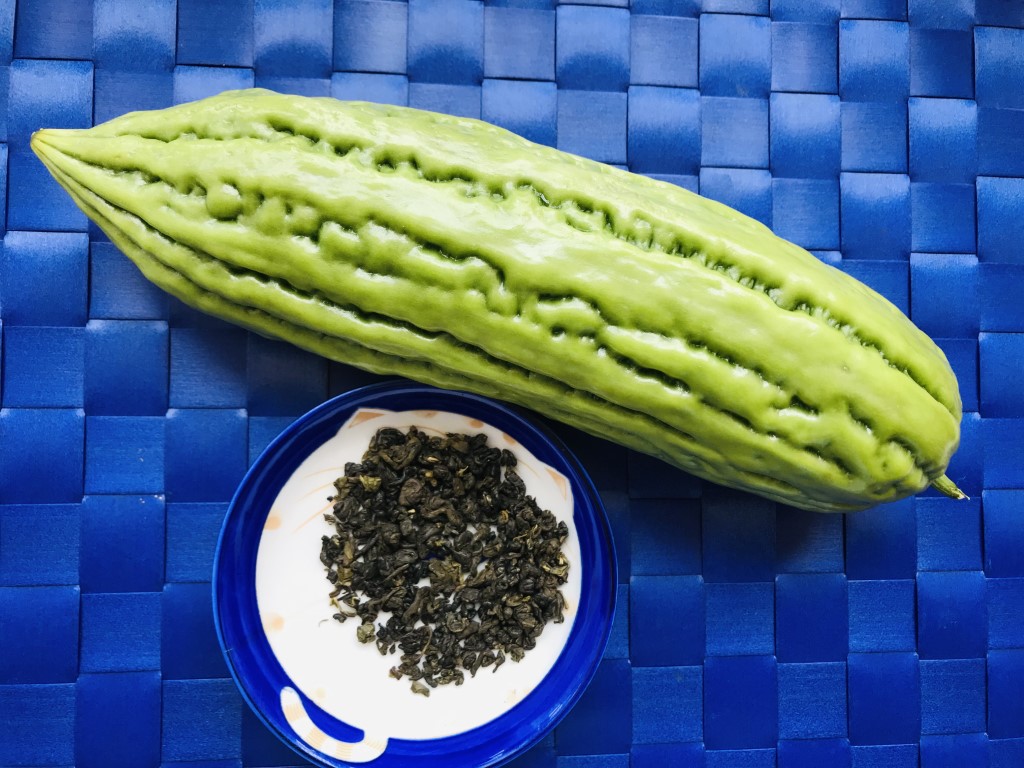
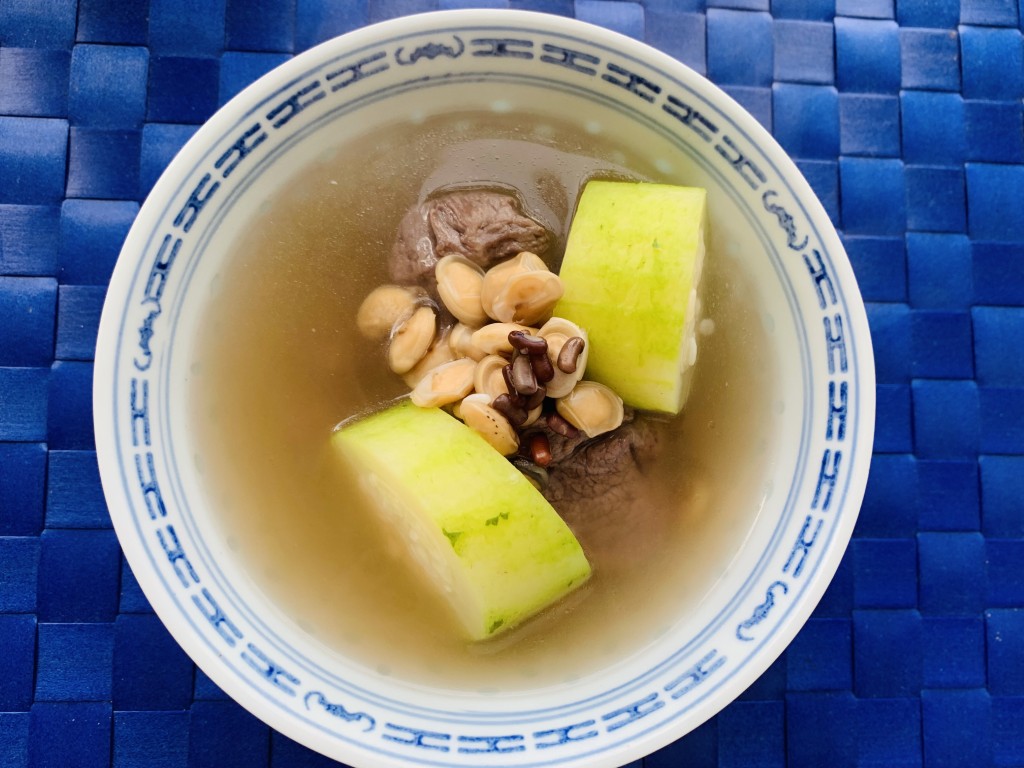
Bitter Melon, Corn and Hyacinth Bean Pork Rib Soup
Traditionally associated with clearing summer heat, resolving dampness, and supporting blood sugar balance
In short: Bitter Melon, Corn and Hyacinth Bean Pork Rib Soup is a soup that Traditionally associated with clearing summer heat, resolving dampness, and supporting blood sugar balance. It is most often made for cooling & summer heat, blood sugar balance, everyday balance. Total time about 105 min. Key ingredients: bitter melon, pork ribs.
Why people make this soup
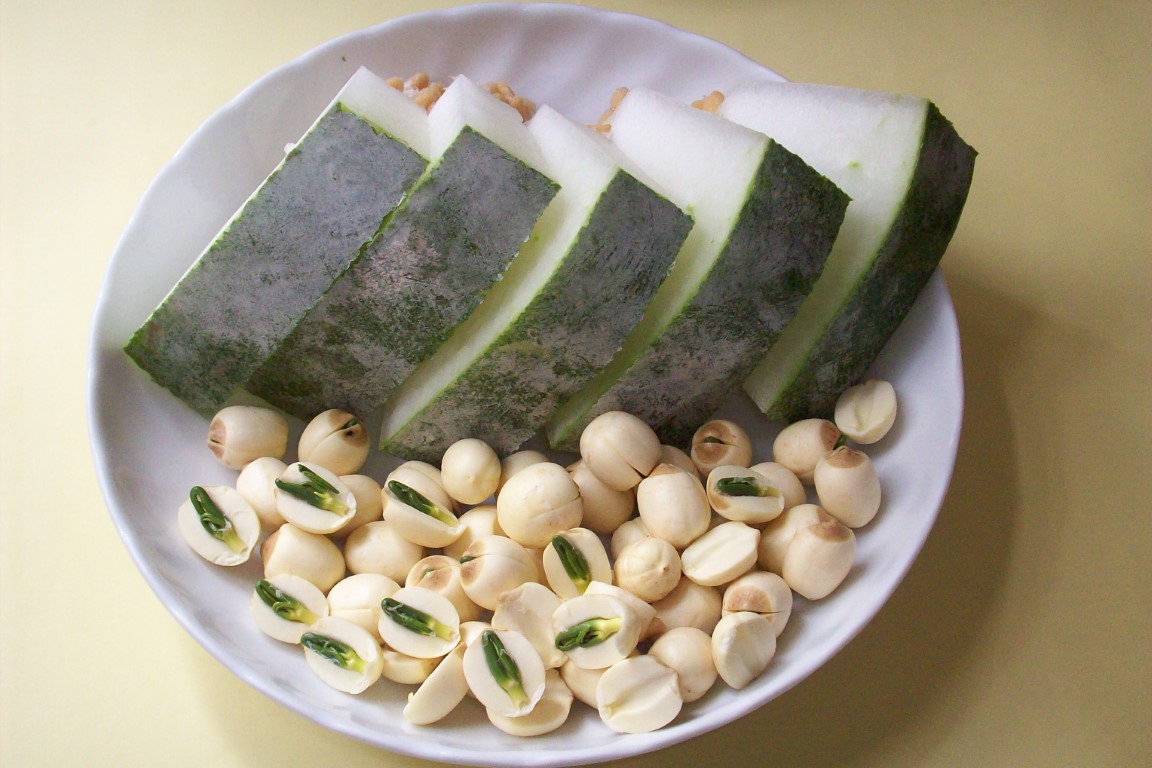
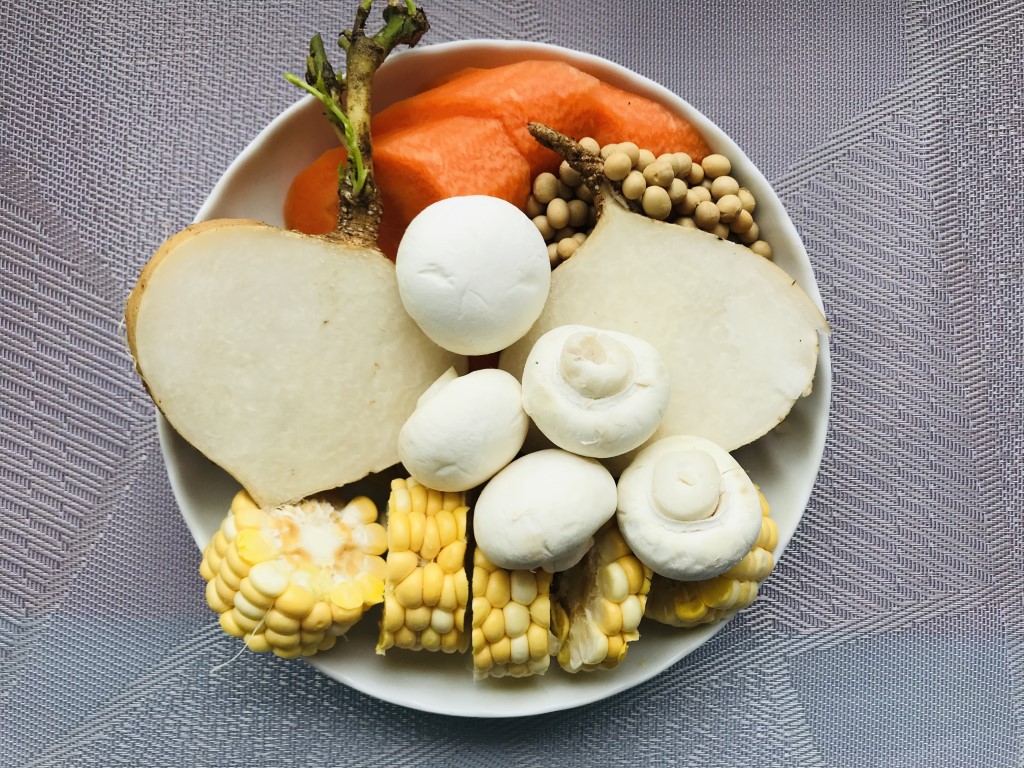
Bitter melon has a well-deserved reputation as one of the most effective food-therapy ingredients of summer — not despite its bitterness, but partly because of it. In traditional food therapy, bitter flavors are associated with clearing heat and directing energy downward, which is exactly what a hot, damp summer body often needs. The key culinary trick Nourilo shares here is about timing: if you drop the bitter melon into already-boiling water, the bitterness compounds lock quickly into the flesh rather than leaching excessively into the soup. Combined with the gentle sweetness of corn and the drying, spleen-supporting effect of dry-fried hyacinth beans, the broth ends up surprisingly palatable — savory and slightly sweet, with the bitter melon present but not overwhelming. If you are managing blood sugar, have swollen joints, or feel generally heavy and overheated from a humid summer, this is a soup worth knowing.
Safety first — read before you cook
This is a traditional food, not a treatment. Please check with your doctor or pharmacist before making it a regular part of your diet if you:
- are pregnant or breastfeeding, or are cooking for a young child;
- take regular medicines — especially blood thinners, blood-pressure, diabetes or immune-suppressing drugs;
- have a kidney, liver or heart condition, or a known food allergy.
Ingredient notes for this recipe
- Bitter melon: May lower blood sugar. If you take diabetes medicines, monitor your levels and talk to your doctor; it is not a replacement for prescribed treatment. Source: Memorial Sloan Kettering — Bitter Melon
Stop eating it and seek advice if you notice an allergic reaction or feel unwell. Safety notes reviewed 8 October 2026 · How we write safety notes
Members only
Unlock the full method & Nourilo's tips
One payment, lifetime access to every one of our 2,344 recipes — step-by-step methods, preparation tips and serving notes.
- Full step-by-step method for this and all 2,344 recipes
- Nourilo's Tips — sourcing, substitutions and serving notes
- One-time payment · card, Apple Pay or Google Pay · no subscription, no renewals
Checking your access…
$59.99 one-time · all recipes
Sign in or create a free account, then pay once by card, Apple Pay or Google Pay.
Continue with GoogleBy continuing with Google or email you confirm you are 16 or older and agree to our Terms of Use and Privacy Policy.
$59.99 one-time · all recipes
Signed in as ·
Secure checkout by Stripe. One-time payment, no renewals. Access is linked to your Nourilo account and never expires. By paying you agree to our Terms of Use; you can get a full refund within 14 days (refund policy).
Comments
Join the conversation — sign in or create a free account to comment.
Continue with GoogleBy continuing with Google or email you confirm you are 16 or older and agree to our Terms of Use and Privacy Policy.
Loading comments…