Herbal & Flower Teas
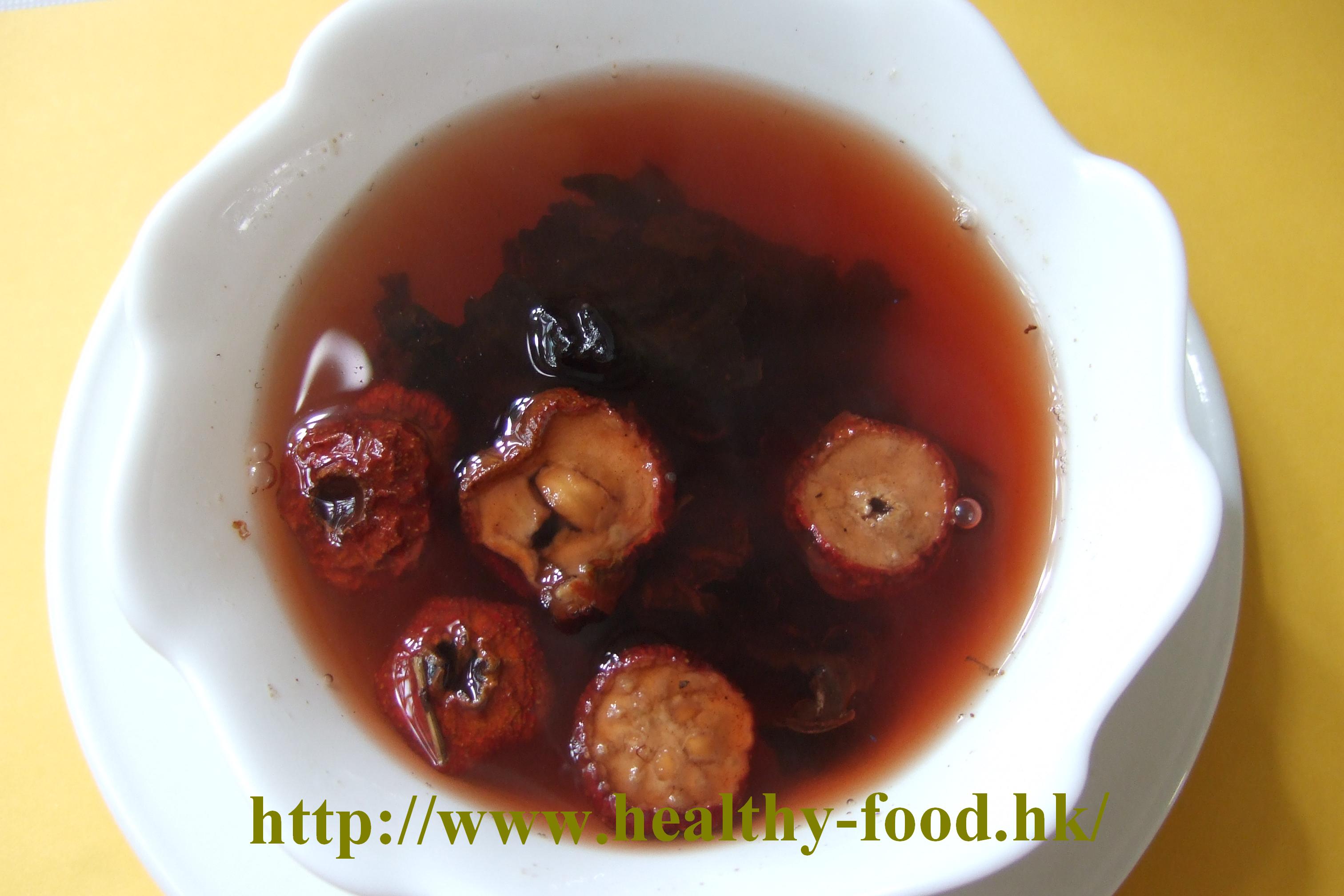
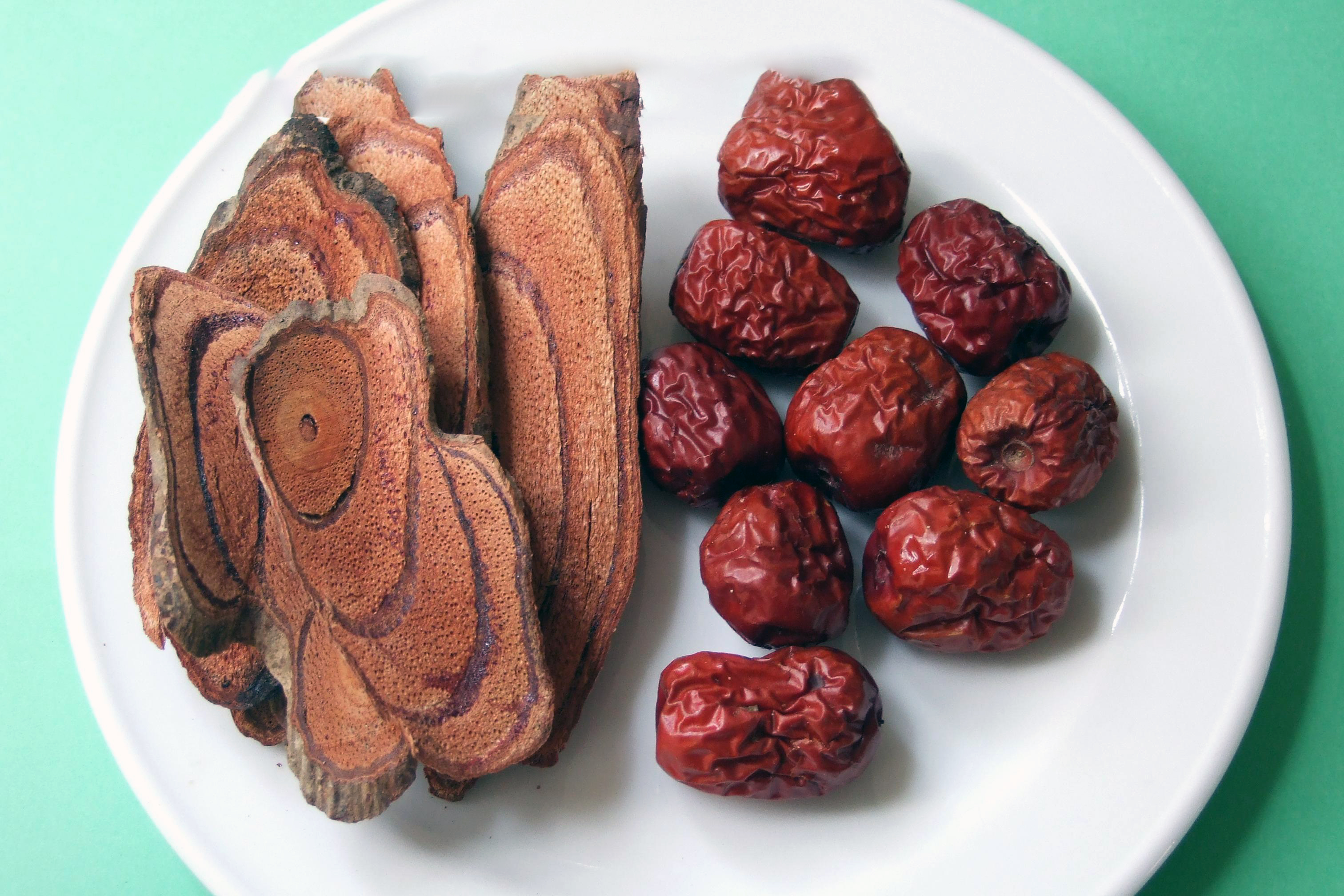
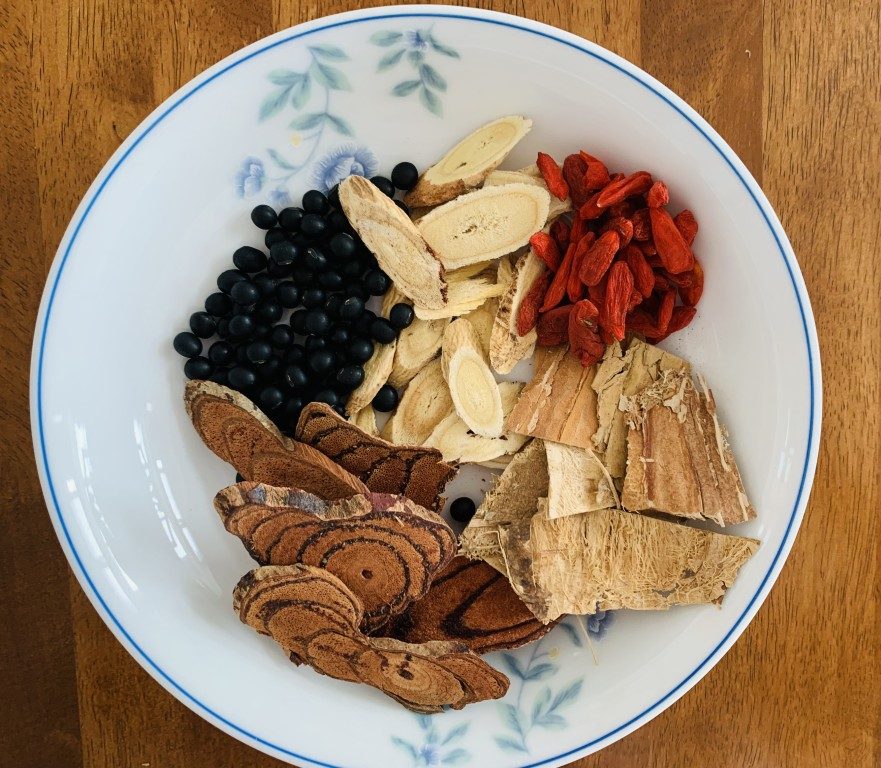
Purple-Leaf Begonia and Hawthorn Tea
Traditionally helps clear richness and supports those with high blood pressure, blood lipids and cholesterol
In short: Purple-Leaf Begonia and Hawthorn Tea is a herbal & flower tea that Traditionally helps clear richness and supports those with high blood pressure, blood lipids and cholesterol. It is most often made for heart & circulation, everyday balance. Total time about 13 min.
Why people make this tea
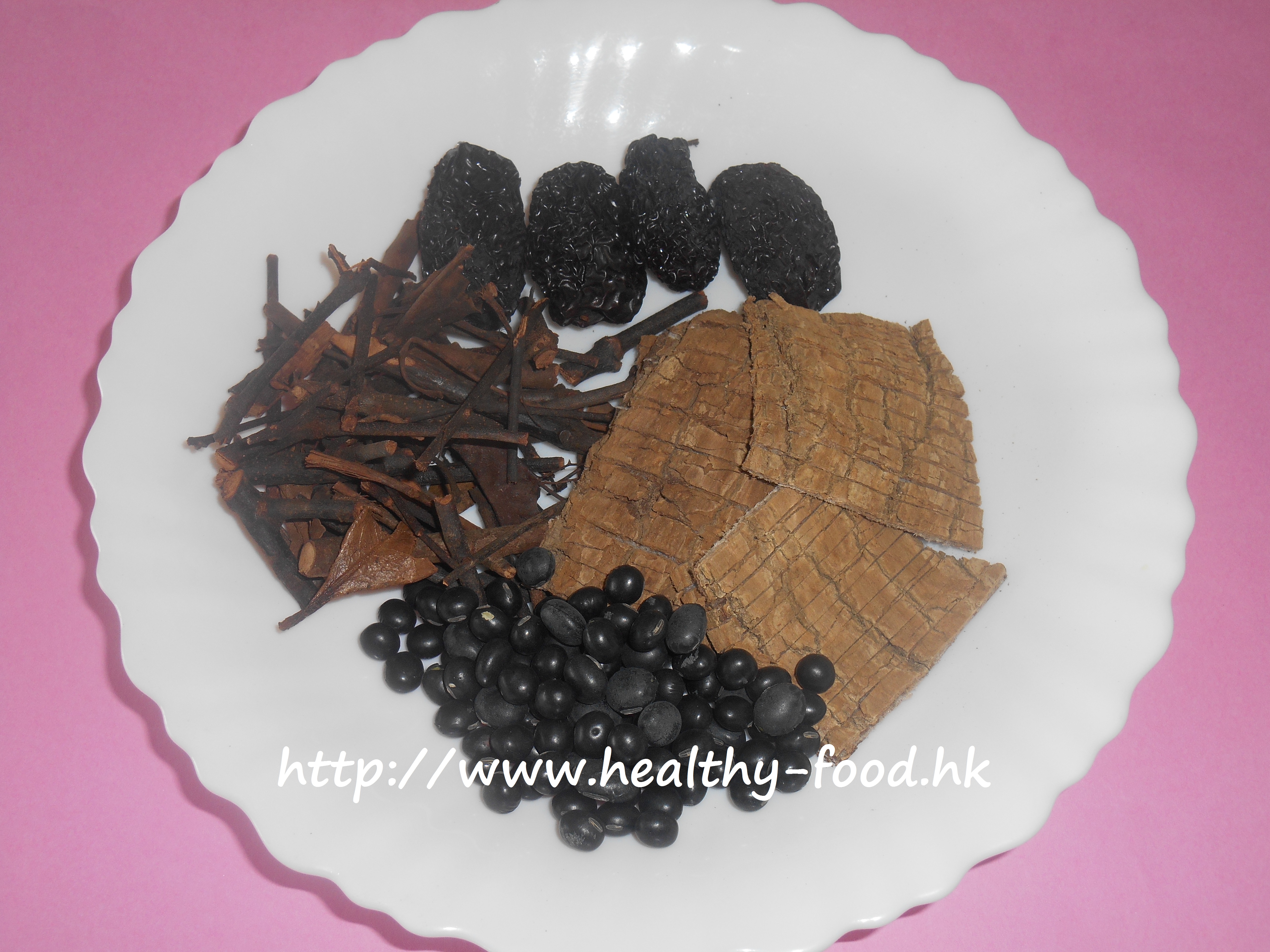
After a stretch of rich, oily, heavy eating, Nourilo likes a tart cup to help things along. Purple-leaf begonia (zi bei tian kui) is a well-loved clearing herb, and pairing it with hawthorn — the classic Chinese “fat-cutter” for greasy meals — gives a bright, ruby-red tea. It is traditionally favoured by the “three highs” crowd: high blood pressure, high blood lipids and high cholesterol.
What studies say about the key ingredients
Traditional use is not the same as clinical proof. Here is the strongest human research we found for each ingredient, limitations included.
- Hawthorn
Skin hydration scores improved more with hawthorn fruit than with placebo (p<0.05). Changes in other skin phenotypes and leukocyte telomere length were similar between groups. Genotype-specific effects were reported.Limitation: Small trial in which 36 completed follow-up; the genotype subgroup analyses are based on very few participants and are exploratory.PubMed 40573097 · 2 more hawthorn studies
From the Nourilo Research Library. Findings come from specific doses, extracts and populations and may not apply to a home-cooked recipe.
Safety first — read before you cook
This is a traditional food, not a treatment. Please check with your doctor or pharmacist before making it a regular part of your diet if you:
- are pregnant or breastfeeding, or are cooking for a young child;
- take regular medicines — especially blood thinners, blood-pressure, diabetes or immune-suppressing drugs;
- have a kidney, liver or heart condition, or a known food allergy.
Ingredient notes for this recipe
- Hawthorn: Can cause dizziness, nausea or digestive upset, and may interact with heart medicines. Little is known about its safety in pregnancy or breastfeeding. Source: NIH NCCIH — Hawthorn
Stop eating it and seek advice if you notice an allergic reaction or feel unwell. Safety notes reviewed 8 October 2026 · How we write safety notes
Members only
Unlock the full method & Nourilo's tips
One payment, lifetime access to every one of our 2,344 recipes — step-by-step methods, preparation tips and serving notes.
- Full step-by-step method for this and all 2,344 recipes
- Nourilo's Tips — sourcing, substitutions and serving notes
- One-time payment · card, Apple Pay or Google Pay · no subscription, no renewals
Checking your access…
$59.99 one-time · all recipes
Sign in or create a free account, then pay once by card, Apple Pay or Google Pay.
Continue with GoogleBy continuing with Google or email you confirm you are 16 or older and agree to our Terms of Use and Privacy Policy.
$59.99 one-time · all recipes
Signed in as ·
Secure checkout by Stripe. One-time payment, no renewals. Access is linked to your Nourilo account and never expires. By paying you agree to our Terms of Use; you can get a full refund within 14 days (refund policy).
Comments
Join the conversation — sign in or create a free account to comment.
Continue with GoogleBy continuing with Google or email you confirm you are 16 or older and agree to our Terms of Use and Privacy Policy.
Loading comments…