Soups
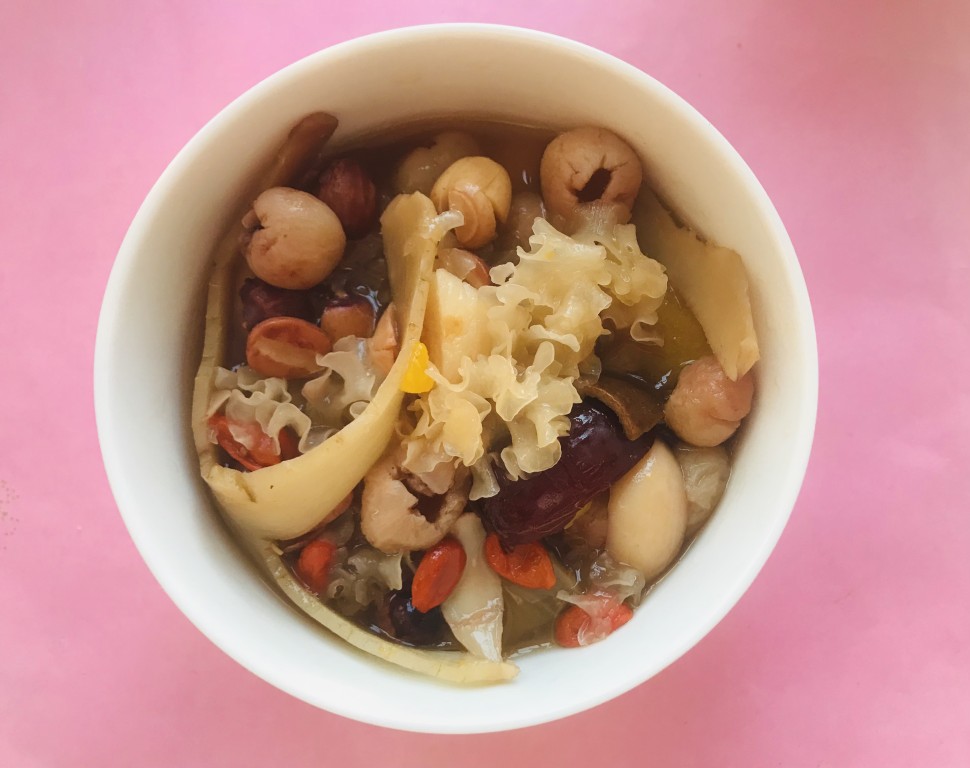
Day Lily, Goji Berry, Lily Bulb and Dried Conch Soup
traditionally associated with calming the mind, nourishing yin, and supporting restful sleep
In short: Day Lily, Goji Berry, Lily Bulb and Dried Conch Soup is a soup that traditionally associated with calming the mind, nourishing yin, and supporting restful sleep. It is most often made for sleep & calm, everyday balance. Total time about 1 hr 50 min. Key ingredients: lily bulb, goji berries.

Why people make this soup
Modern urban life brings a level of pressure that the body and mind are not always well-equipped to handle. Hong Kong in particular is well known for extremely long working hours, and rates of anxiety among its residents reflect that. Traditional Cantonese food therapy offers a gentle, dietary approach to supporting emotional balance — not as a substitute for professional care, but as a meaningful part of how people tend to their wellbeing day to day.
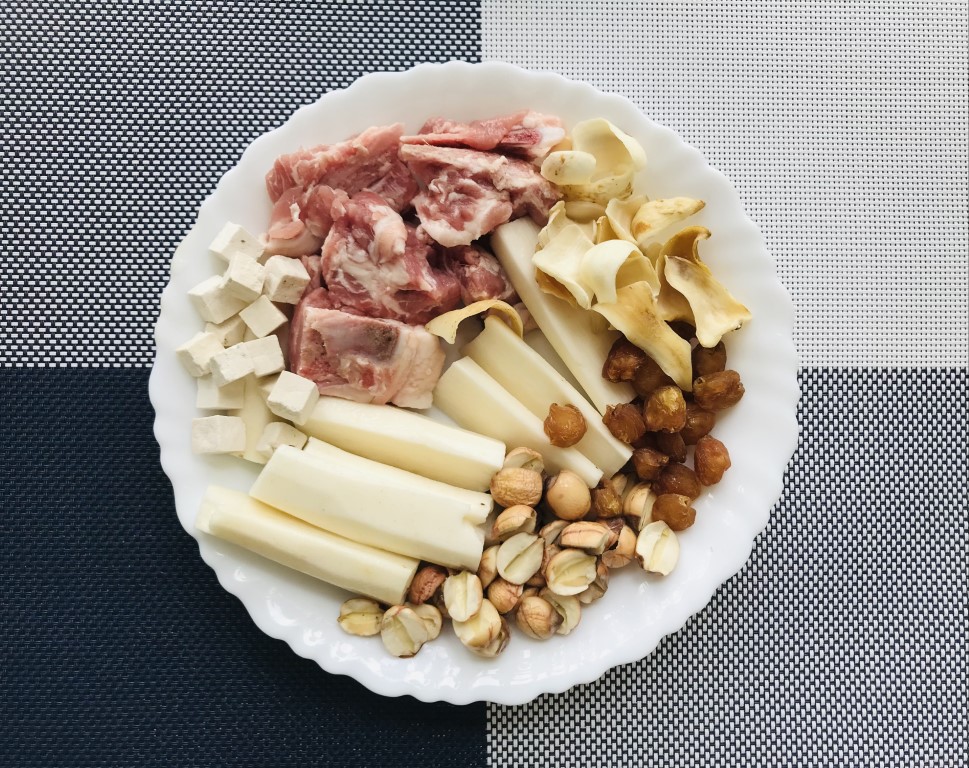
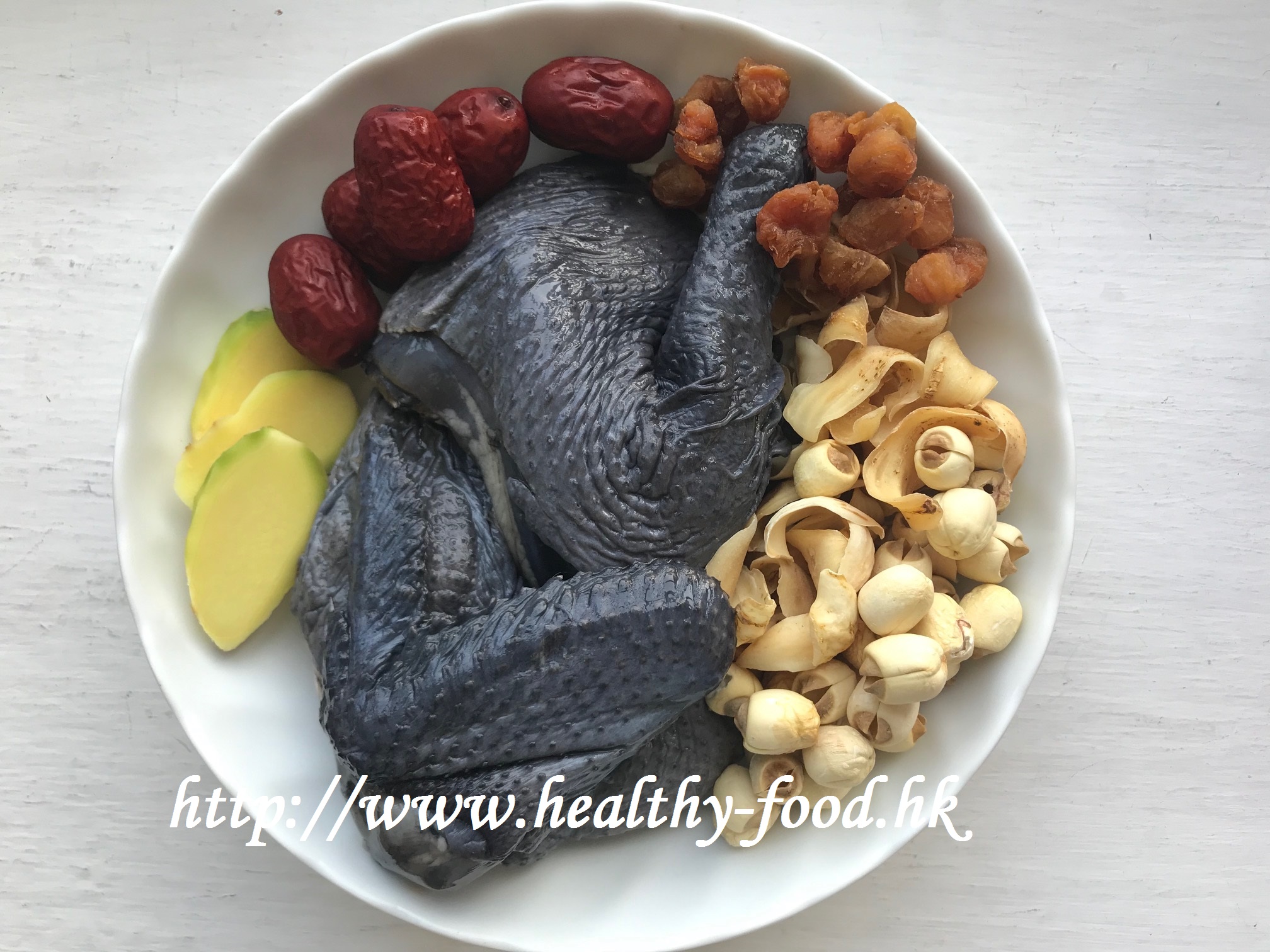
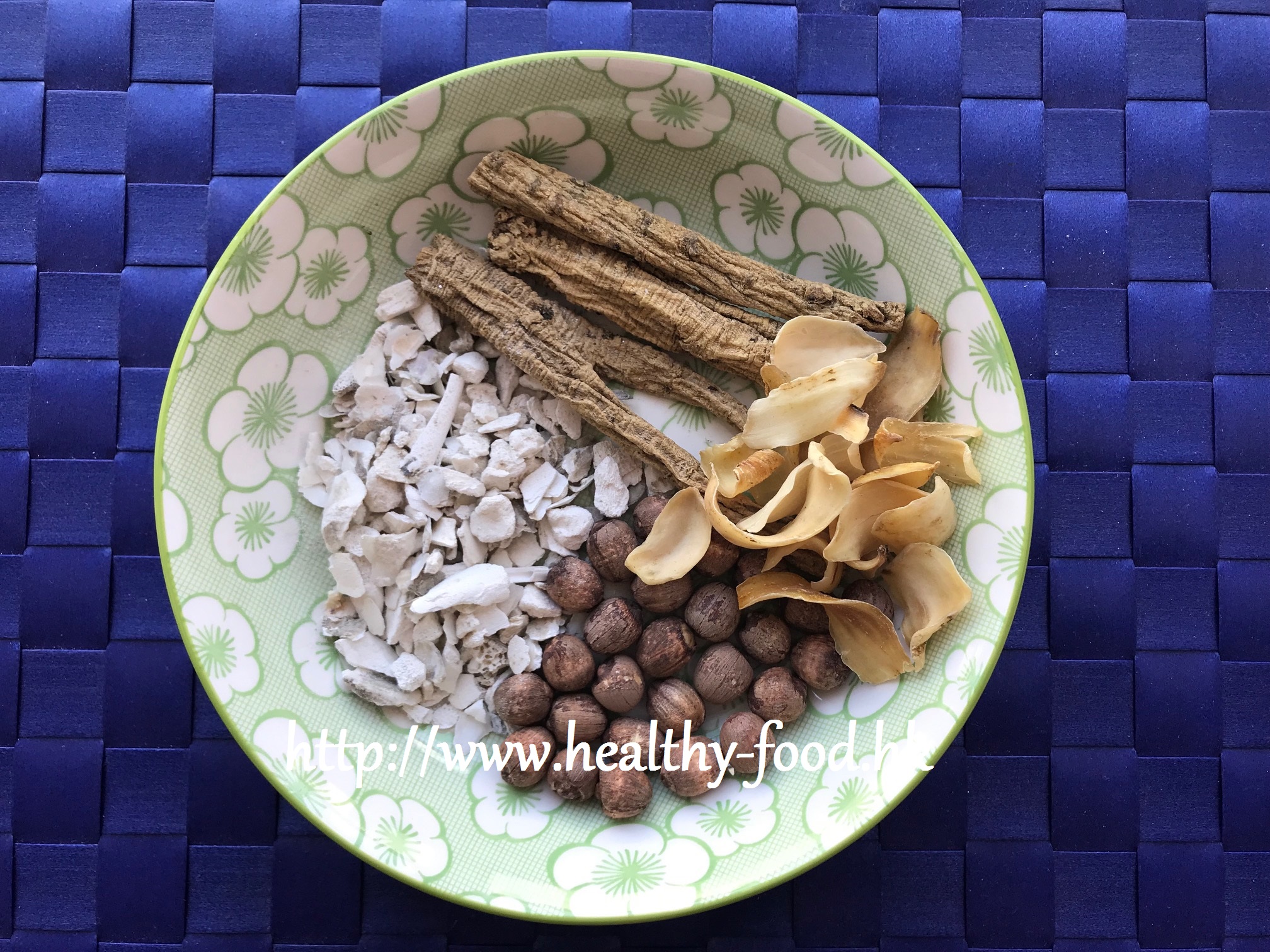
This soup was developed by Nourilo specifically as a calming recipe for a Singapore television feature on Hong Kong food culture. The four ingredients — day lily, lily bulb, goji berry, and dried conch — are individually well-established in Chinese food therapy for their association with nourishing yin (cooling, moistening energy), settling heart fire, and supporting a calm, grounded mood. Together they make a naturally sweet, pleasant soup that is suitable for anyone who finds themselves prone to worry, restlessness, night sweats, or difficulty sleeping.
What studies say about the key ingredients
Traditional use is not the same as clinical proof. Here is the strongest human research we found for each ingredient, limitations included.
- Goji berries
Compared with placebo (n=80), the goji juice group (n=81) reported greater improvements in several self-rated symptoms, including stress, mental acuity, sleep quality and overall well-being, under a random effects model.Limitation: Outcomes were self-reported symptom questionnaires, and several symptoms showed significant heterogeneity across the four pooled trials of a single branded juice.PubMed 22897500 · 3 more goji berries studies
From the Nourilo Research Library. Findings come from specific doses, extracts and populations and may not apply to a home-cooked recipe.
Safety first — read before you cook
This is a traditional food, not a treatment. Please check with your doctor or pharmacist before making it a regular part of your diet if you:
- are pregnant or breastfeeding, or are cooking for a young child;
- take regular medicines — especially blood thinners, blood-pressure, diabetes or immune-suppressing drugs;
- have a kidney, liver or heart condition, or a known food allergy.
Ingredient notes for this recipe
- Goji berries: A few cases of raised INR (a bleeding-risk marker) have been reported in people taking warfarin after drinking concentrated goji tea or wine. If you take a blood thinner, check with your doctor. Source: Memorial Sloan Kettering — Lycium
Stop eating it and seek advice if you notice an allergic reaction or feel unwell. Safety notes reviewed 8 October 2026 · How we write safety notes
Members only
Unlock the full method & Nourilo's tips
One payment, lifetime access to every one of our 2,344 recipes — step-by-step methods, preparation tips and serving notes.
- Full step-by-step method for this and all 2,344 recipes
- Nourilo's Tips — sourcing, substitutions and serving notes
- One-time payment · card, Apple Pay or Google Pay · no subscription, no renewals
Checking your access…
$59.99 one-time · all recipes
Sign in or create a free account, then pay once by card, Apple Pay or Google Pay.
Continue with GoogleBy continuing with Google or email you confirm you are 16 or older and agree to our Terms of Use and Privacy Policy.
$59.99 one-time · all recipes
Signed in as ·
Secure checkout by Stripe. One-time payment, no renewals. Access is linked to your Nourilo account and never expires. By paying you agree to our Terms of Use; you can get a full refund within 14 days (refund policy).




Comments
Join the conversation — sign in or create a free account to comment.
Continue with GoogleBy continuing with Google or email you confirm you are 16 or older and agree to our Terms of Use and Privacy Policy.
Loading comments…