Soups
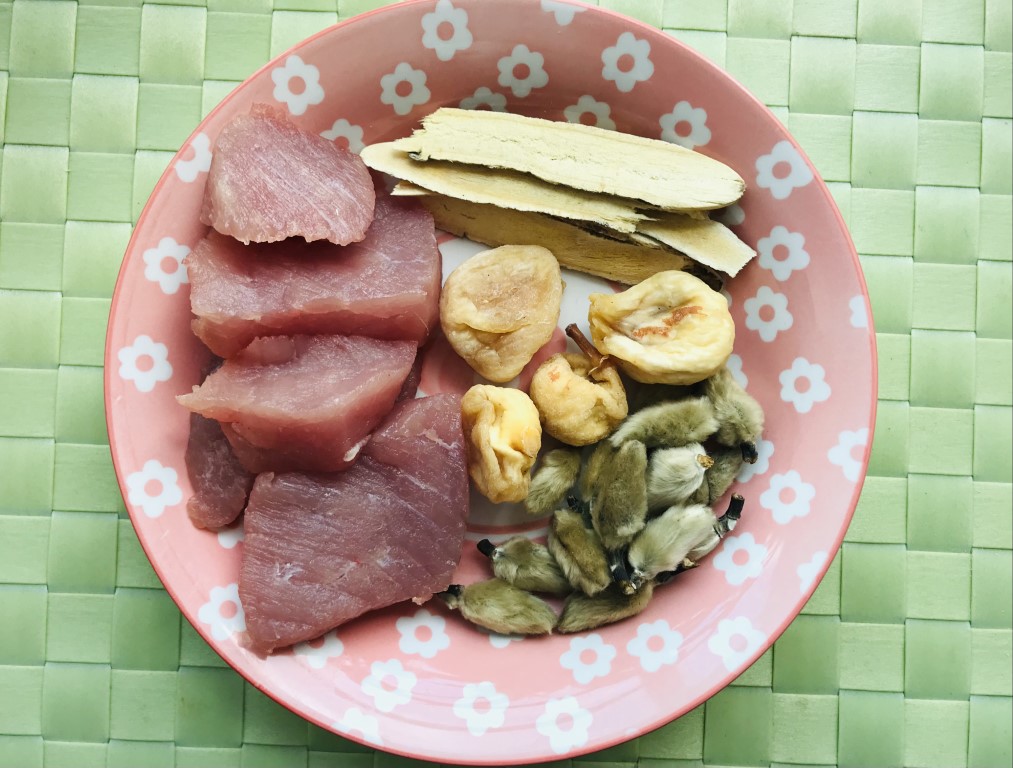
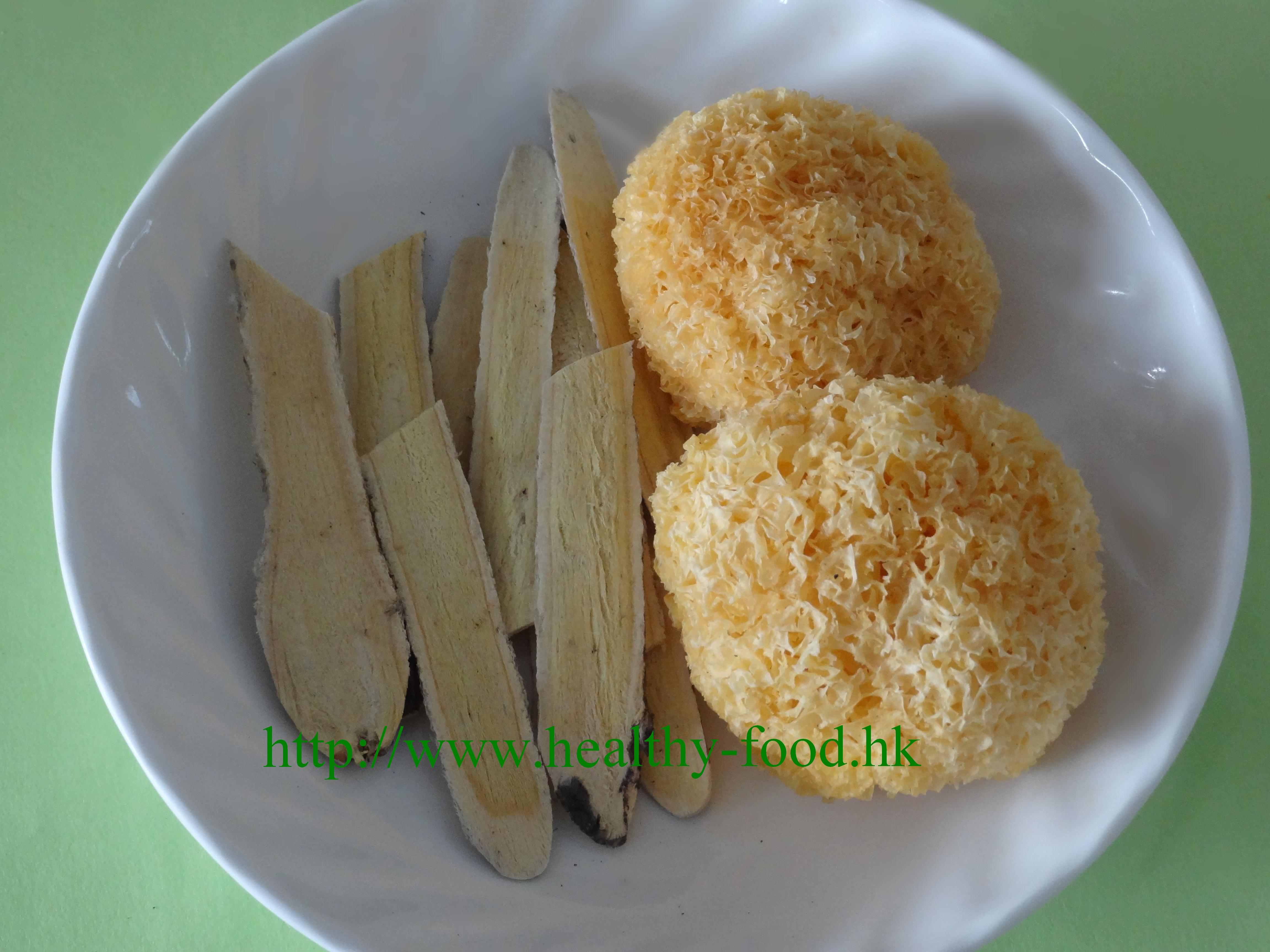
Astragalus, Fig & Magnolia Flower Bud Pork Soup
Traditionally supports nasal passages and strengthens the body's resistance to seasonal allergic rhinitis
In short: Astragalus, Fig & Magnolia Flower Bud Pork Soup is a soup that Traditionally supports nasal passages and strengthens the body's resistance to seasonal allergic rhinitis. It is most often made for respiratory & lung wellness, immune support. Total time about 1 hr 5 min. Key ingredients: astragalus root, figs, lean pork.
Why people make this soup
If you wake up every morning sneezing, or find yourself reaching for tissues the moment the seasons change, you know how exhausting allergic rhinitis can be. It is not just an inconvenience — chronic nasal congestion affects sleep, concentration, and quality of life. Nourilo has heard from many friends returning from overseas that they develop sneezing and itchy eyes almost as soon as they arrive in Hong Kong, especially during pollen season. Chinese food therapy approaches this not just by treating the nasal symptoms, but by trying to strengthen the body’s overall resistance so it becomes less reactive over time.
Magnolia flower bud (xin yi hua) is the key ingredient here — it is the classic herb for nasal conditions, associated with dispersing wind-cold and opening the nasal passages. Astragalus root supports “defensive qi” (wei qi), which in Chinese medicine is conceptually similar to the idea of immune resilience. Dried figs contribute anti-inflammatory support and gentle bowel nourishment. Together these make a mild, pleasant soup suitable for both adults and children.
What studies say about the key ingredients
Traditional use is not the same as clinical proof. Here is the strongest human research we found for each ingredient, limitations included.
- Astragalus root
TA-65 was associated with longer leukocyte telomeres compared with controls, but the meta-analysis found no significant improvement in frailty measures or inflammatory markers (CRP/IL-6). Mild gastrointestinal effects were reported.Limitation: Industry-funded trials reported larger effects than others, and the compound is a purified extract at doses not comparable to eating Astragalus root.PubMed 41286474 · 3 more astragalus root studies
From the Nourilo Research Library. Findings come from specific doses, extracts and populations and may not apply to a home-cooked recipe.
Safety first — read before you cook
This is a traditional food, not a treatment. Please check with your doctor or pharmacist before making it a regular part of your diet if you:
- are pregnant or breastfeeding, or are cooking for a young child;
- take regular medicines — especially blood thinners, blood-pressure, diabetes or immune-suppressing drugs;
- have a kidney, liver or heart condition, or a known food allergy.
Ingredient notes for this recipe
- Astragalus: May interact with medicines that suppress the immune system. A thorough safety evaluation has not been done, and little is known about its safety in pregnancy or breastfeeding. Source: NIH NCCIH — Astragalus
Stop eating it and seek advice if you notice an allergic reaction or feel unwell. Safety notes reviewed 8 October 2026 · How we write safety notes
Members only
Unlock the full method & Nourilo's tips
One payment, lifetime access to every one of our 2,344 recipes — step-by-step methods, preparation tips and serving notes.
- Full step-by-step method for this and all 2,344 recipes
- Nourilo's Tips — sourcing, substitutions and serving notes
- One-time payment · card, Apple Pay or Google Pay · no subscription, no renewals
Checking your access…
$59.99 one-time · all recipes
Sign in or create a free account, then pay once by card, Apple Pay or Google Pay.
Continue with GoogleBy continuing with Google or email you confirm you are 16 or older and agree to our Terms of Use and Privacy Policy.
$59.99 one-time · all recipes
Signed in as ·
Secure checkout by Stripe. One-time payment, no renewals. Access is linked to your Nourilo account and never expires. By paying you agree to our Terms of Use; you can get a full refund within 14 days (refund policy).
Comments
Join the conversation — sign in or create a free account to comment.
Continue with GoogleBy continuing with Google or email you confirm you are 16 or older and agree to our Terms of Use and Privacy Policy.
Loading comments…