Food-therapy guide
What soup is good for tiredness and low energy?
Short answer
For tiredness and low energy, Cantonese food therapy often turns to soups that traditionally support qi and blood. Codonopsis, Chinese Yam and Chestnut Pork-Rib Soup is the most direct choice for general low energy and poor focus. American Ginseng Ophiopogon Astragalus Pork Soup suits reduced stamina and muscle weakness, while Snow Ear Fungus, Lily Bulb, Goji Berry and Silkie Chicken Soup is traditionally used when fatigue comes with chronic stress or poor sleep.
In traditional Chinese food therapy, persistent tiredness is often described in terms of insufficient qi and blood, particularly when low energy comes with poor concentration, weakness or feeling generally run-down. When stress and disturbed sleep dominate, the pattern may instead be approached as nervous exhaustion requiring both nourishment and calming foods.
These recipes take several approaches. Codonopsis, Chinese yam, chestnuts and astragalus appear in more substantial soups traditionally used to support qi and physical vitality, while mulberry, goji, longan, lily bulb and silkie chicken are often turned to when tiredness accompanies poor sleep, dizziness or prolonged mental strain.
7 recipes compared
| Recipe | Type | Key ingredients | Best for | Time |
|---|---|---|---|---|
| Codonopsis, Chinese Yam and Chestnut Pork-Rib Soup | Soups | Codonopsis root, Chinese yam, Chestnuts | General tiredness, low energy and poor focus | 2 hr 20 min |
| American Ginseng Ophiopogon Astragalus Pork Soup | Soups | American ginseng, Ophiopogon root, Astragalus root | Low stamina and tired, weak muscles | 110 min |
| Snow Ear Fungus, Lily Bulb, Goji Berry and Silkie Chicken Soupfull recipe free | Soups | Snow ear fungus / white tremella, Fresh lily bulb, Goji berries | Fatigue with chronic stress and poor sleep | 125 min |
| Mulberry, Goji Berry, Baby Abalone & Chicken Breast Soupfull recipe free | Soups | Dried mulberries, Goji berries, Dried longan flesh | Mental fatigue and tiredness from screen work | 110 min |
| Mulberry, Black Bean, Goji and Black Rice Congeefull recipe free | Congee & Porridge | Dried mulberries, Black soybeans, green kernel, Goji berries | Feeling run-down or recovering from illness | 1 hr 45 min |
| Mulberry Berry, Goji & Longan Tea | Herbal & Flower Teas | Dried mulberry berries, Goji berries, Dried longan pulp | Overwork with fatigue, dizziness and poor sleep | 15 min |
| Lotus Root, Chestnut, Corn and Hyacinth Bean Soupfull recipe free | Soups | Lotus root, Chestnuts, Corn on the cob | Mild fatigue with long hours at a desk | 2 hr 15 min |
The recipes, and why each one fits
-
 Soups
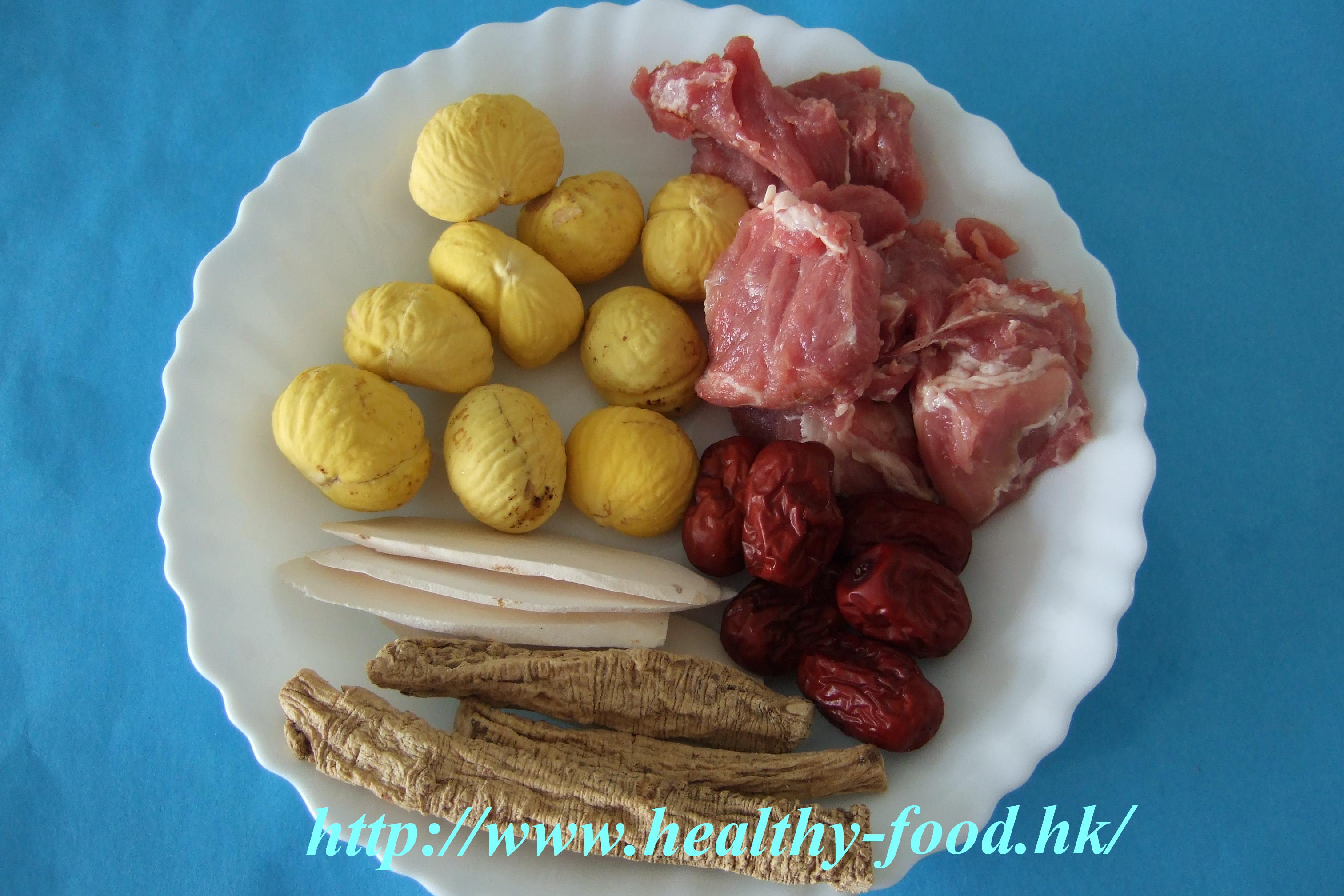
SoupsCodonopsis, Chinese Yam and Chestnut Pork-Rib Soup
Codonopsis, Chinese Yam and Chestnut Pork-Rib Soup
Best for: General tiredness, low energy and poor focus
This pork-rib soup combines codonopsis, Chinese yam, chestnuts and red dates and is traditionally used to support the spleen, qi and blood. It is particularly well matched to feeling easily tired, sleepy or unable to concentrate.
Traditionally used to support the spleen, qi and blood and ease tiredness
-
 Soups
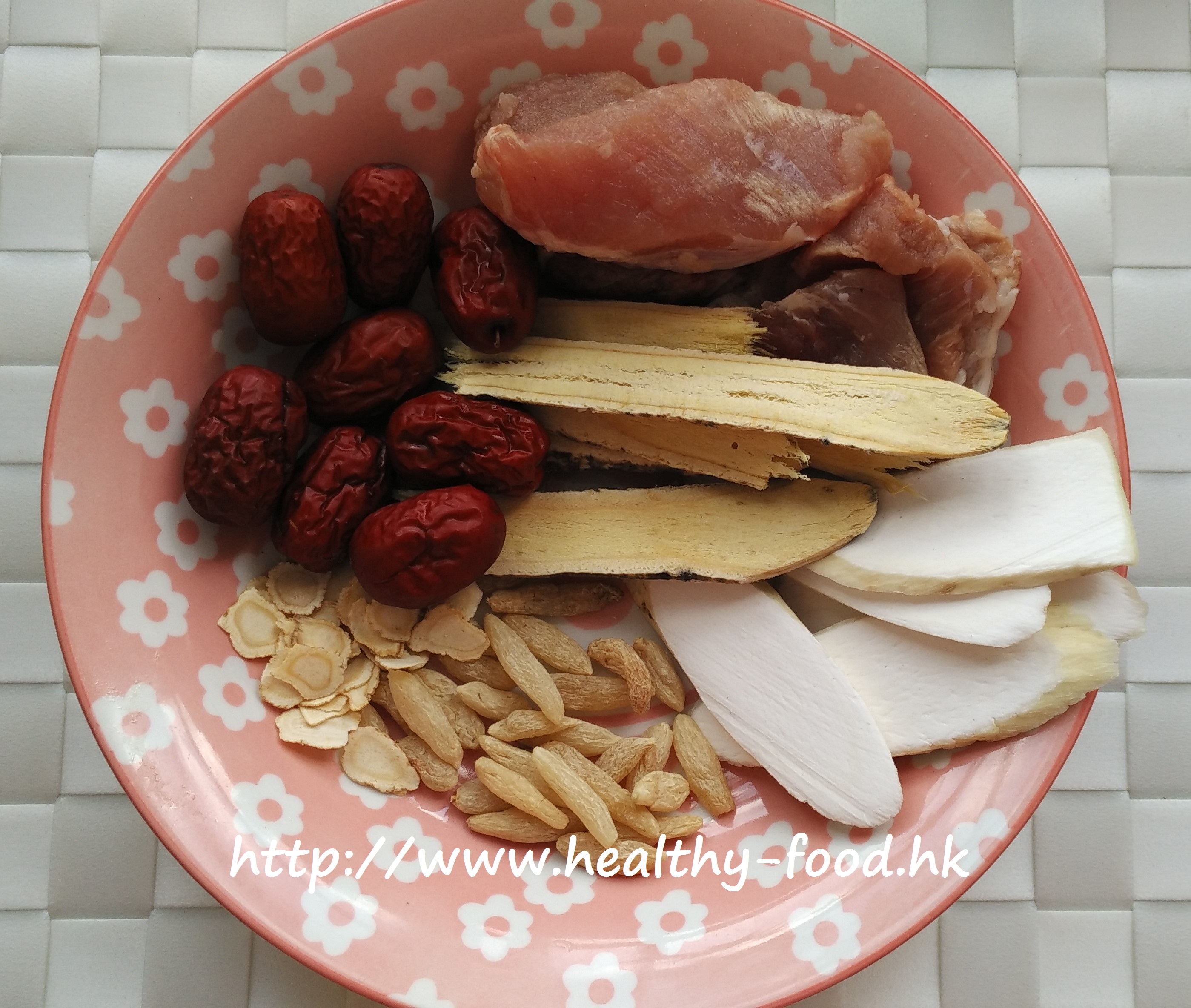
SoupsAmerican Ginseng Ophiopogon Astragalus Pork Soup
American Ginseng Ophiopogon Astragalus Pork Soup
Best for: Low stamina and tired, weak muscles
American ginseng, astragalus and Chinese yam make this a more targeted choice when low energy feels physical, with reduced stamina or muscle weakness. It is traditionally associated with supporting qi while ophiopogon and American ginseng nourish yin and fluids.
traditionally generates fluids, nourishes yin, and supports qi to address muscle weakness and fatigue
-
 Soups
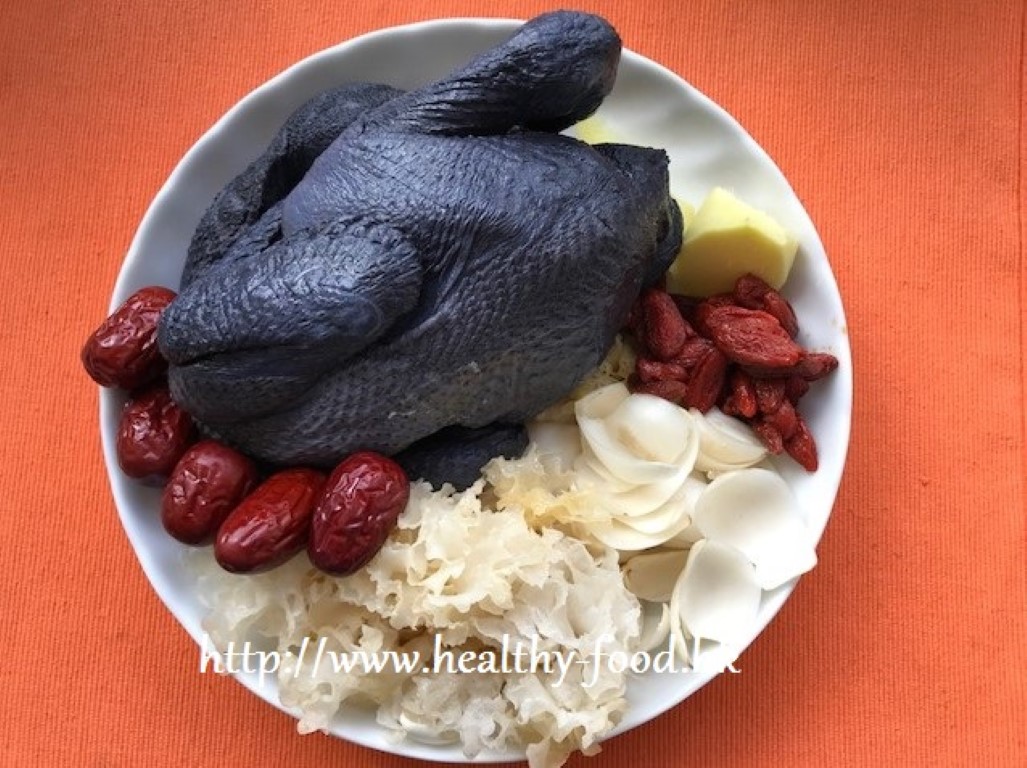
SoupsSnow Ear Fungus, Lily Bulb, Goji Berry and Silkie Chicken Soup
Snow Ear Fungus, Lily Bulb, Goji Berry and Silkie Chicken Soup
Best for: Fatigue with chronic stress and poor sleep
Silkie chicken is slow-simmered with snow ear fungus, lily bulb, goji berries and red dates. The combination is traditionally used to nourish yin, calm the mind and support people feeling depleted after prolonged stress.
traditionally used to nourish yin, calm the mind, and support recovery from chronic stress and fatigue
-
 Soups
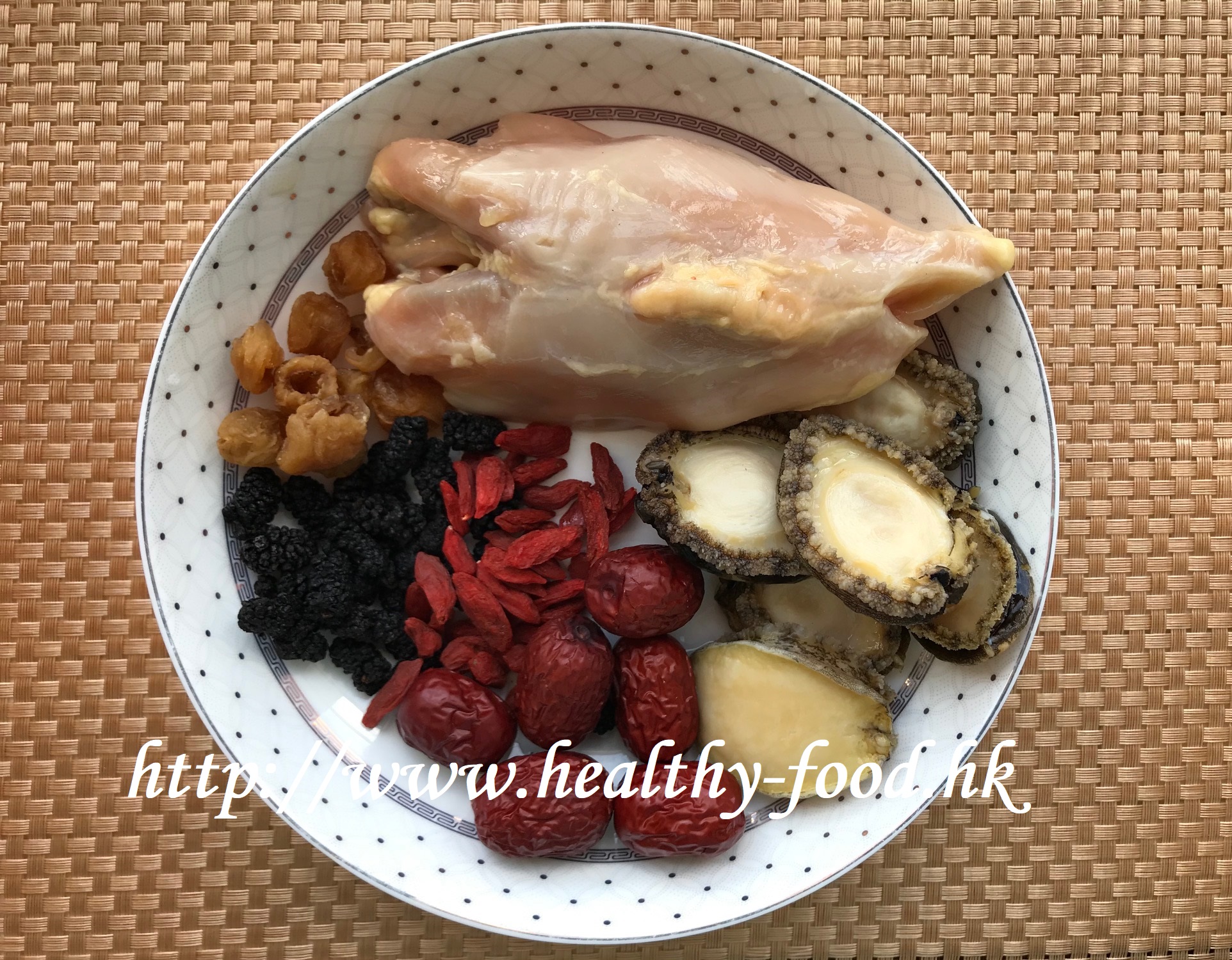
SoupsMulberry, Goji Berry, Baby Abalone & Chicken Breast Soup
Mulberry, Goji Berry, Baby Abalone & Chicken Breast Soup
Best for: Mental fatigue and tiredness from screen work
Mulberries, goji berries, longan and baby abalone are combined with lean chicken in a soup traditionally associated with restoring vitality and easing mental and physical fatigue. It is especially relevant when long periods of screen work also leave the eyes feeling tired.
Traditionally used to nourish liver-kidney, support eye health, and relieve mental and physical fatigue
-
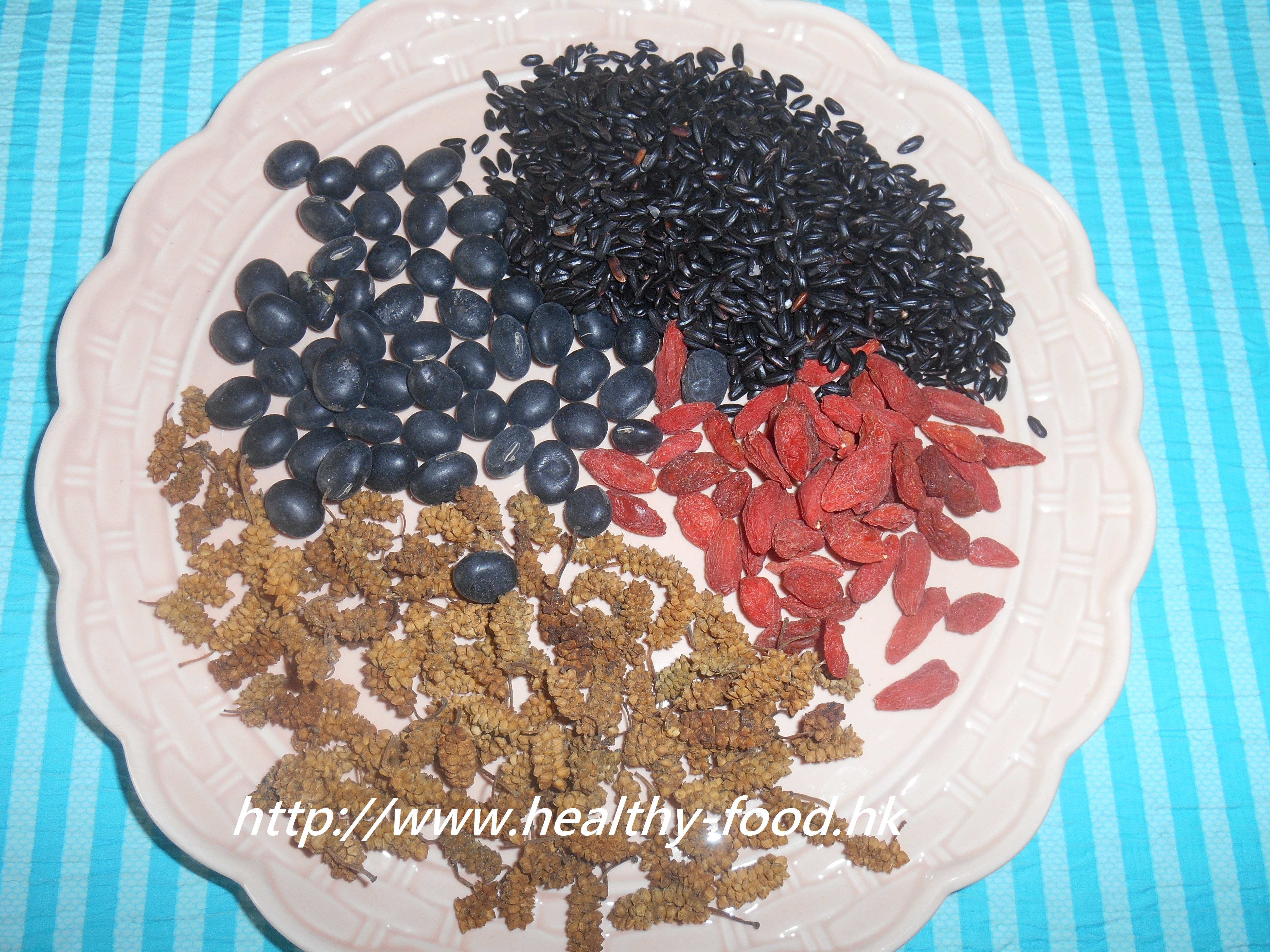 Congee & Porridge
Mulberry, Black Bean, Goji and Black Rice Congee
Mulberry, Black Bean, Goji and Black Rice Congee
Best for: Feeling run-down or recovering from illness
This substantial congee combines mulberries, black soybeans, goji berries and black rice. It is traditionally associated with kidney vitality and easing fatigue and is described as gentle enough for regular use.
Traditionally used to nourish the kidneys, support hair health and ease fatigue
-
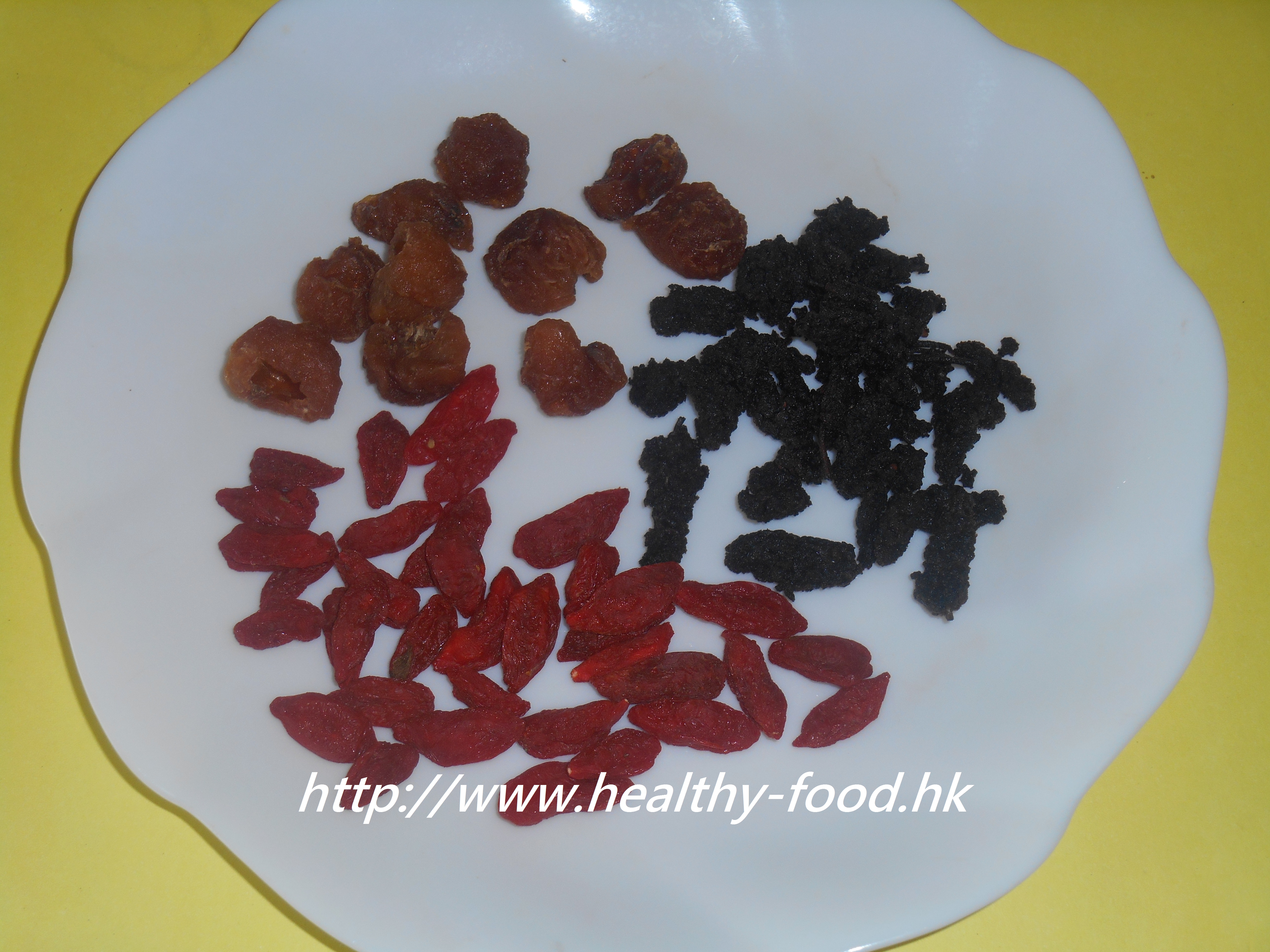 Herbal & Flower Teas
Mulberry Berry, Goji & Longan Tea
Mulberry Berry, Goji & Longan Tea
Best for: Overwork with fatigue, dizziness and poor sleep
Mulberry, goji and longan make a simple tea traditionally used to nourish blood and support fatigue associated with chronic stress. It particularly fits tiredness accompanied by poor sleep, restlessness, dizziness or cold hands and feet.
Traditionally used to nourish blood, calm the mind, and support those experiencing fatigue, poor sleep, and anxiety from overwork
-
 Soups
SoupsLotus Root, Chestnut, Corn and Hyacinth Bean Soup
Lotus Root, Chestnut, Corn and Hyacinth Bean Soup
Best for: Mild fatigue with long hours at a desk
Lotus root, chestnuts, corn and hyacinth beans make this a lighter, meat-free alternative. It is traditionally used to support circulation and ease fatigue, particularly for people spending long periods sitting at a desk.
traditionally used to support circulation, ease fatigue, and nourish the joints
How to choose
- For straightforward low energy, sleepiness and poor concentration, start with the codonopsis, Chinese yam and chestnut pork-rib soup.
- If your muscles feel weak and your stamina is reduced, the American ginseng, ophiopogon and astragalus soup is the more specifically matched option.
- When tiredness follows stress or poor sleep, choose the silkie chicken soup or the quicker mulberry, goji and longan tea.
- For feeling generally run-down and wanting a substantial one-pot meal, consider the mulberry, black bean, goji and black rice congee.
- For a lighter meat-free option, especially with mild bloating or a feeling of heaviness, choose the lotus root soup; its recipe suggests adding hyacinth beans or mung beans when dampness is present.
When to be cautious
- Do not use the American ginseng, ophiopogon and astragalus pork soup during a cold or fever, and add the American ginseng only for the final 5 minutes rather than boiling it for a long time.
- If cooking baby abalone with its shells, thoroughly scrape and scrub the shells before they go into the soup because fresh small abalone shells can harbour parasites.
- For the lotus root soup, use a clay or ceramic pot because metal can darken the lotus root; someone with a cold can still have the soup but should eat less of the chestnuts.
- Persistent or unexplained tiredness can have causes that food therapy cannot address. See a doctor if symptoms persist, worsen or are affecting everyday life.
Common questions
Which soup is the best starting point for general tiredness?
For general tiredness, low energy and poor concentration, Codonopsis, Chinese Yam and Chestnut Pork-Rib Soup is the most directly matched recipe here. Codonopsis, Chinese yam and chestnuts are traditionally used together to support the spleen and qi, while the overall soup is associated with supporting both qi and blood when someone feels easily tired or sleepy.
What should I choose if stress and poor sleep are making me tired?
Snow Ear Fungus, Lily Bulb, Goji Berry and Silkie Chicken Soup is traditionally used when chronic stress, poor sleep and mental fatigue occur together. If you want something much quicker, Mulberry Berry, Goji & Longan Tea takes about 15 minutes and is traditionally associated with fatigue, dizziness, restlessness and poor sleep from overwork.
Is there a vegetarian option for low energy?
Lotus Root, Chestnut, Corn and Hyacinth Bean Soup is the clearest meat-free option among these recipes. It is traditionally used to support circulation and ease fatigue and is particularly suited to people spending long hours at a desk. The recipe is described as gentle and suitable for the whole family, with hyacinth beans or mung beans suggested when heaviness or mild bloating is present.
Can I have these soups regularly when I feel run-down?
Some of these recipes are specifically described as suitable for regular use. Mulberry, Black Bean, Goji and Black Rice Congee is considered gentle enough to eat regularly, while the mulberry, goji and longan tea can traditionally be taken more frequently when symptoms are present. Food therapy should still complement rather than replace medical assessment when tiredness is persistent or unexplained.
Guides are compiled from Nourilo's recipe library and describe traditional use. Read how we write and check our content and who is behind Nourilo.