Food-therapy guide
What tea helps with bad breath?
Short answer
For bad breath, traditional Chinese food therapy often turns to Fresh Lemon and Mint Tea for simple everyday freshness, Lotus Seed, Ophiopogon & Juncus Tea when the mouth feels dry or hot, and Poria Cocos, Job's Tears, and Fresh Ginger Tea when bad breath comes with bloating or digestive heaviness. The best choice depends on whether your symptoms feel more like heat and dryness or dampness and sluggish digestion.
In traditional Chinese food therapy, bad breath is approached according to the accompanying pattern. Dry mouth, mouth bitterness or irritation after spicy foods and late nights are associated with internal heat, while bloating, digestive heaviness and sluggish digestion are more often associated with accumulated dampness.
These drinks take different approaches. Mint, ophiopogon and lotus seed are traditionally used in cooling or moistening combinations, while poria, Job's tears and dried tangerine peel appear in recipes traditionally associated with digestive dampness and heaviness. A simple lemon-and-mint tea is the quickest option when you mainly want a light, refreshing drink.
7 recipes compared
| Recipe | Type | Key ingredients | Best for | Time |
|---|---|---|---|---|
| Fresh Lemon and Mint Tea | Herbal & Flower Teas | Fresh lemon slices, Fresh mint, Crushed rock sugar | Simple everyday breath freshness and indigestion | 15 min |
| Lotus Seed, Ophiopogon & Juncus Tea | Herbal & Flower Teas | Lotus seeds with core, Ophiopogon root, Juncus pith | Bad breath with dry mouth and internal heat | 55 min |
| Poria Cocos, Job's Tears, and Fresh Ginger Tea | Herbal & Flower Teas | Poria cocos, Raw Job's tears / pearl barley, Fresh ginger | Bad breath with bloating and digestive heaviness | 70 min |
| Mint, Dandelion & Ophiopogon Tea | Herbal & Flower Teas | Fresh or dried mint leaves, Dandelion, Ophiopogon root | Bad breath with dry mouth or digestive discomfort | 25 min |
| Lotus Heart, Ophiopogon & Lophatherum Tea | Herbal & Flower Teas | Fresh lotus seeds with heart, Ophiopogon root, Lophatherum herb | Morning mouth bitterness and dryness | 50 min |
| Jasmine, Poria and Dried Tangerine Peel Tea | Herbal & Flower Teas | Jasmine flowers, Dried tangerine peel (chen pi), Poria (fu ling) | Sour-smelling breath and digestive dampness | 30 min |
| Toasted Sour Jujube Seed & Poria Tea | Herbal & Flower Teas | Toasted sour jujube seeds, Poria mushroom, Rock sugar | Bad breath with stress and poor sleep | 25 min |
The recipes, and why each one fits
-
 Herbal & Flower Teas
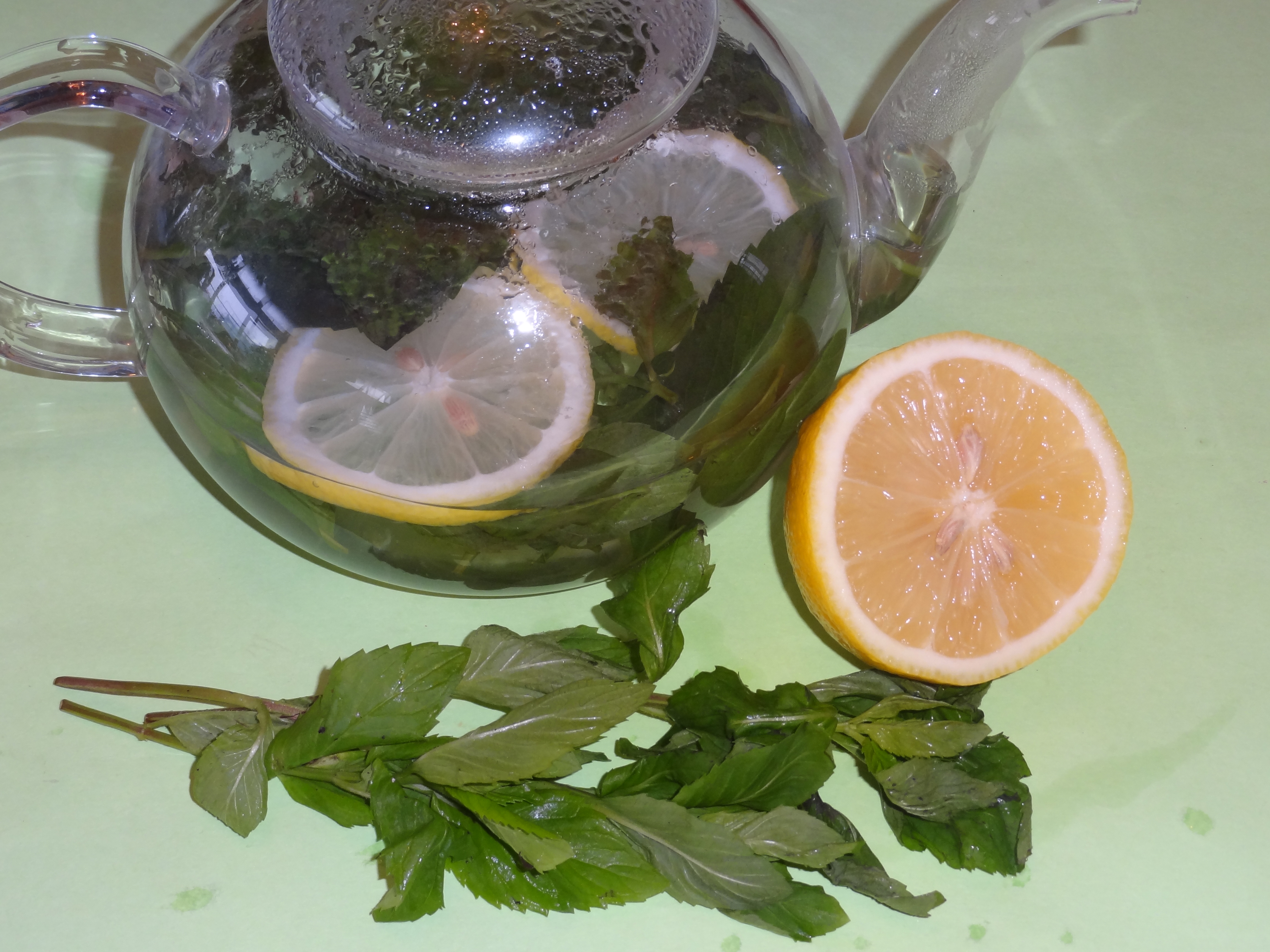
Fresh Lemon and Mint Tea
Fresh Lemon and Mint Tea
Best for: Simple everyday breath freshness and indigestion
Fresh mint provides the characteristic cooling, fragrant quality of this quick tea, paired with fresh lemon. It is traditionally associated with freshening the breath and easing indigestion.
traditionally associated with freshening breath, reducing oral bacteria, and easing indigestion
-
 Herbal & Flower Teas
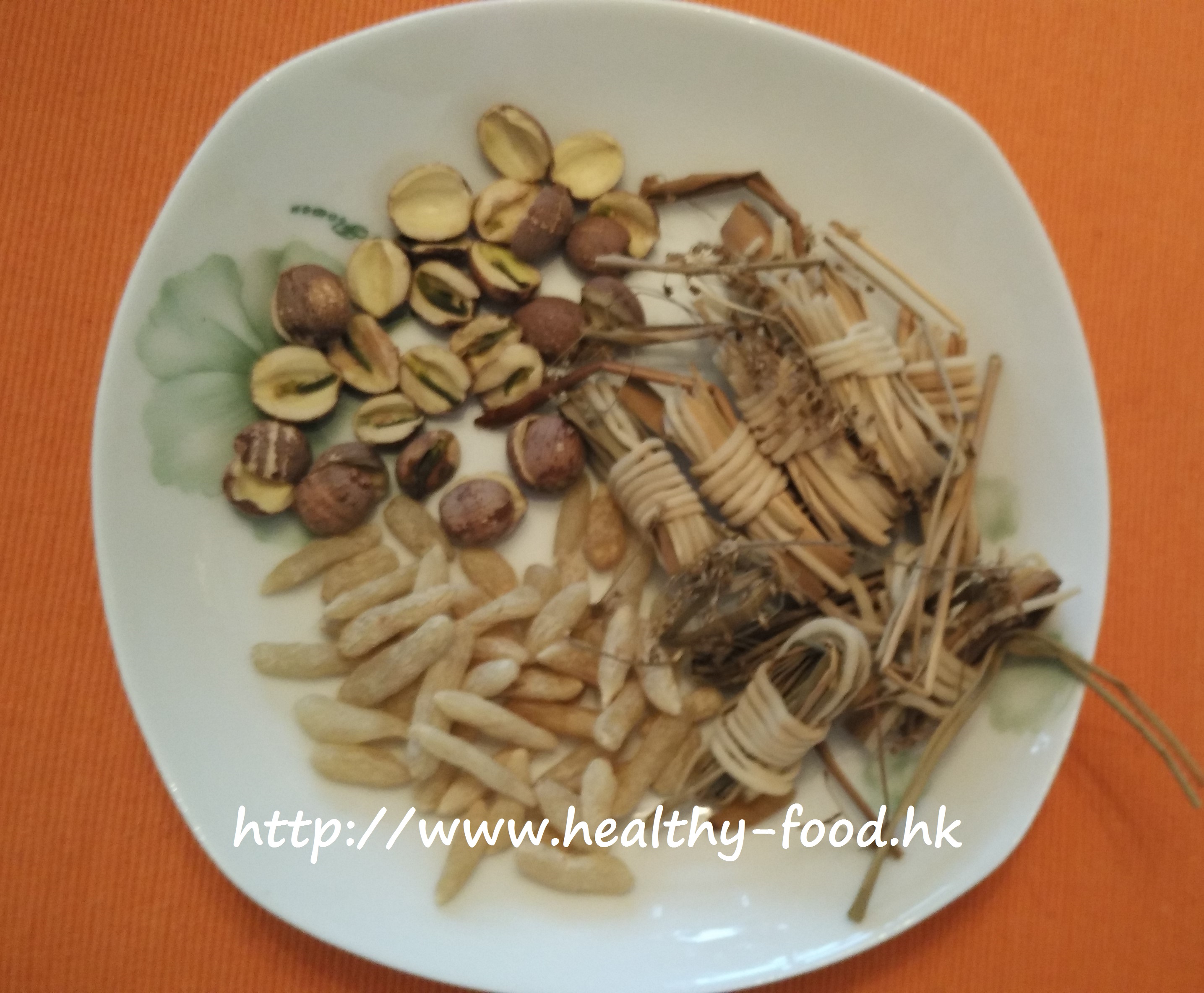
Lotus Seed, Ophiopogon & Juncus Tea
Lotus Seed, Ophiopogon & Juncus Tea
Best for: Bad breath with dry mouth and internal heat
Lotus seeds with their core, ophiopogon root and juncus pith make this a distinctly cooling traditional combination. It is traditionally used when bad breath accompanies mouth dryness, restlessness, late nights or frequent spicy eating.
traditionally used to clear stomach and heart fire associated with bad breath, dry mouth, and restlessness
-
 Herbal & Flower Teas
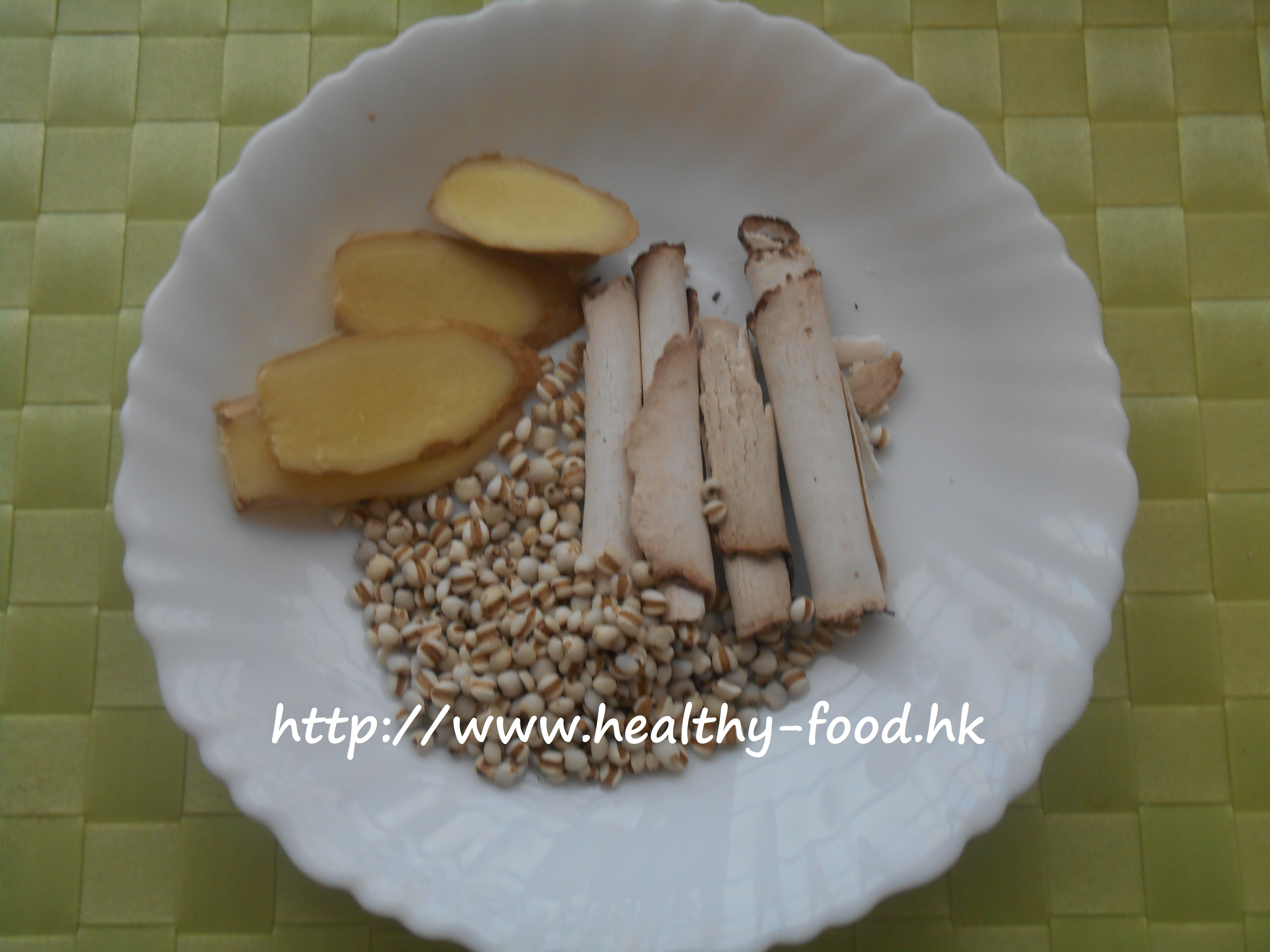
Poria Cocos, Job's Tears, and Fresh Ginger Tea
Poria Cocos, Job's Tears, and Fresh Ginger Tea
Best for: Bad breath with bloating and digestive heaviness
Poria and raw Job's tears are traditionally associated with draining excess dampness, while fresh ginger makes the drink slightly warming. This combination is particularly suited in food-therapy terms to bad breath accompanied by bloating, sluggish digestion or mild puffiness.
Traditionally associated with clearing bad breath, relieving bloating, and draining excess dampness
-
 Herbal & Flower Teas
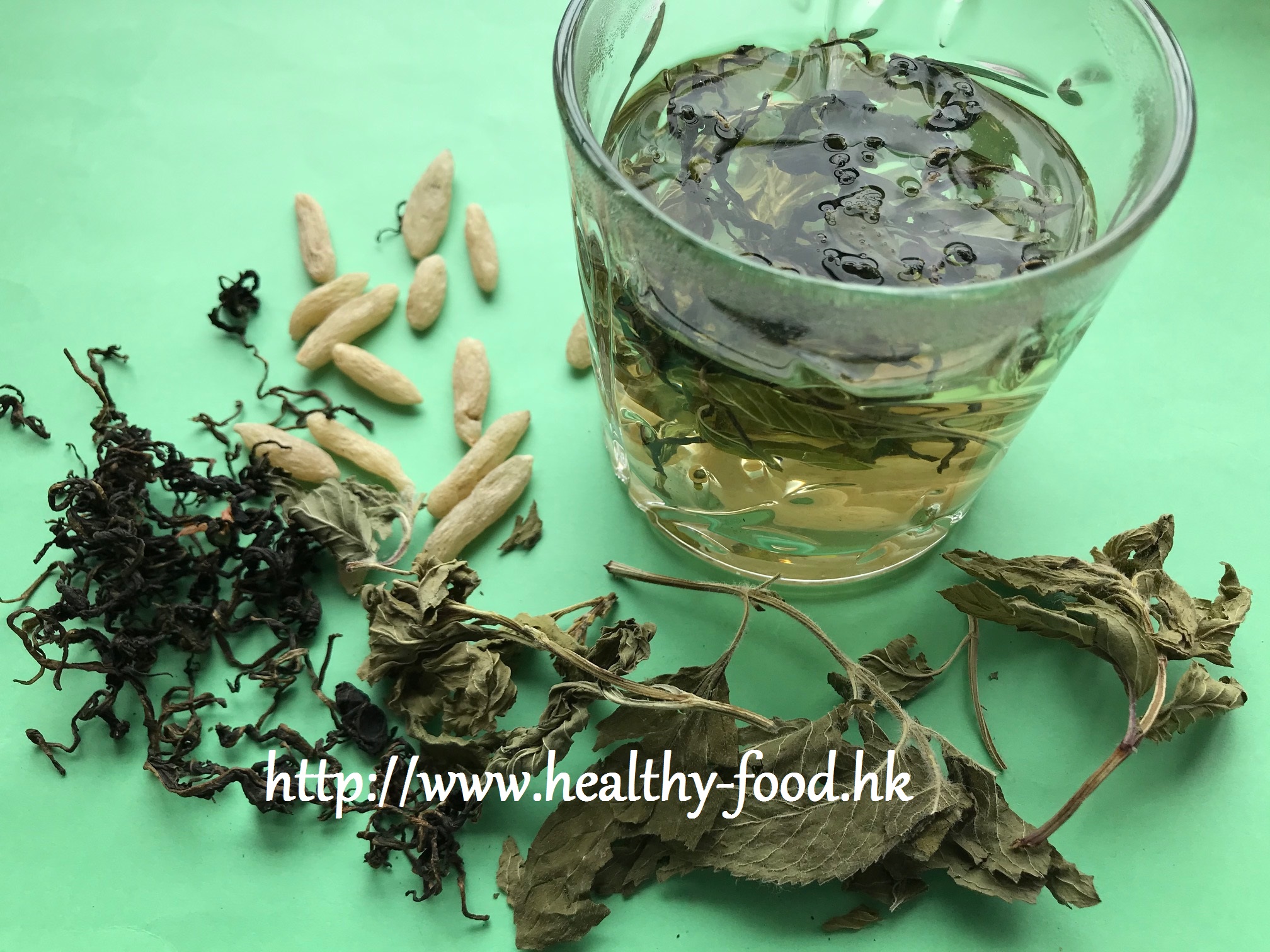
Mint, Dandelion & Ophiopogon Tea
Mint, Dandelion & Ophiopogon Tea
Best for: Bad breath with dry mouth or digestive discomfort
Mint gives this tea its refreshing character, while ophiopogon is traditionally associated with nourishing dryness. The combination is traditionally used for fresh breath, oral wellness and digestive discomfort.
traditionally used to freshen breath, support oral hygiene, and soothe digestive discomfort linked to gut bacteria imbalance
-
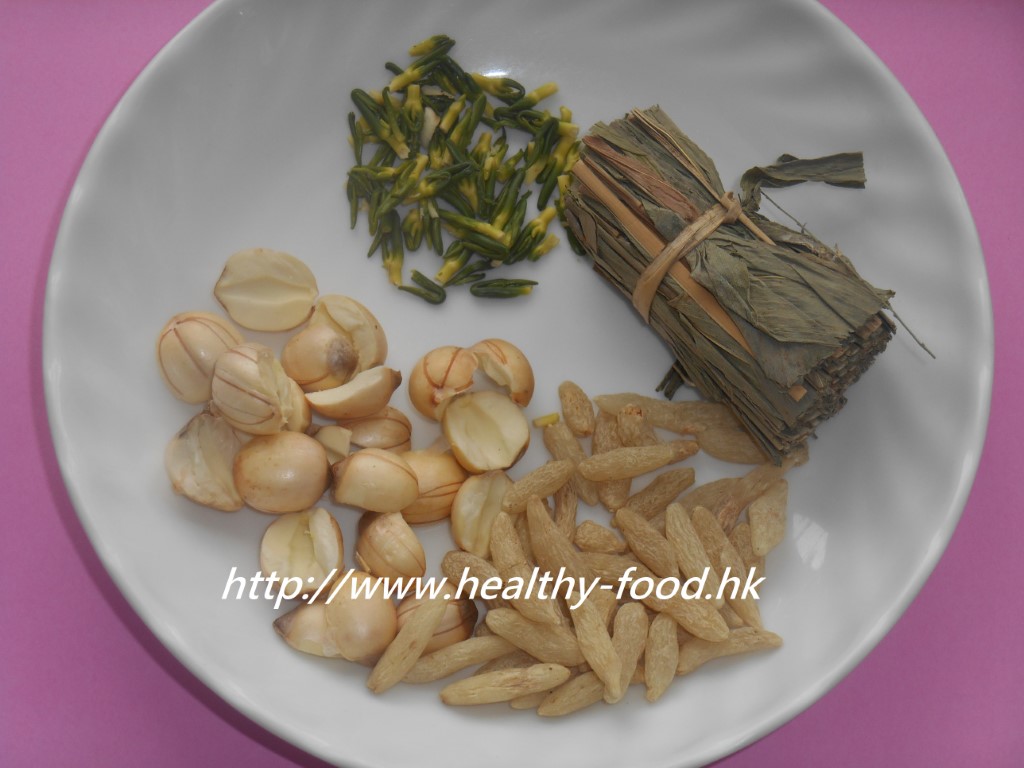 Herbal & Flower Teas
Lotus Heart, Ophiopogon & Lophatherum Tea
Lotus Heart, Ophiopogon & Lophatherum Tea
Best for: Morning mouth bitterness and dryness
The bitter lotus heart is the key ingredient, combined with ophiopogon and lophatherum. This tea is traditionally used for bitter or dry mouth associated with poor sleep, stress, or frequent fried and spicy foods.
Traditionally used to clear heat, nourish stomach fluids, and ease mouth bitterness and dryness
-
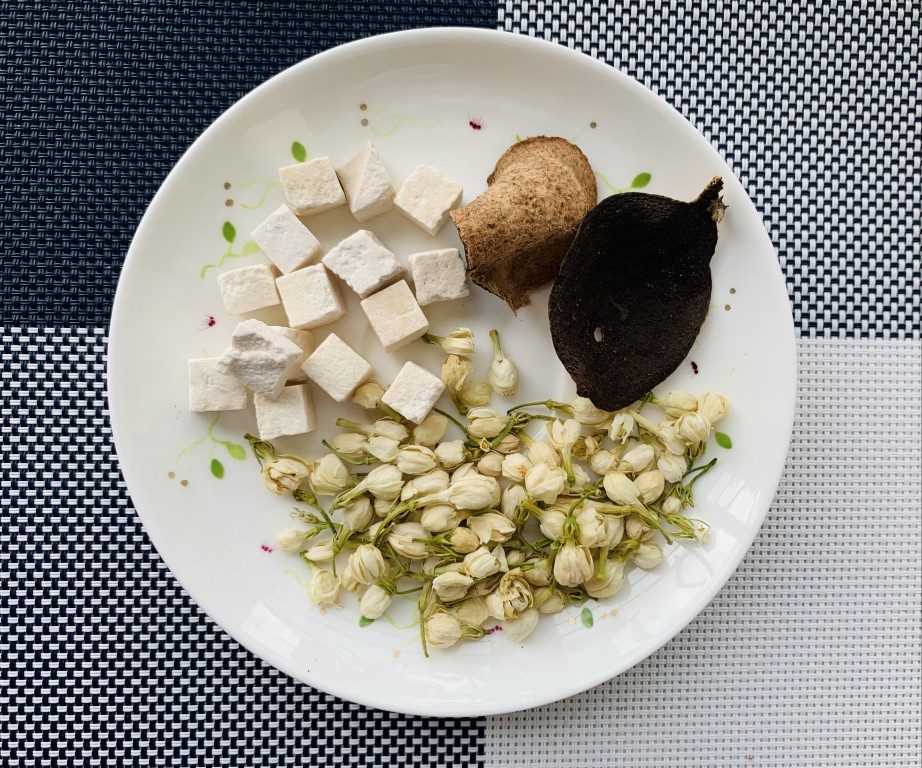 Herbal & Flower Teas
Jasmine, Poria and Dried Tangerine Peel Tea
Jasmine, Poria and Dried Tangerine Peel Tea
Best for: Sour-smelling breath and digestive dampness
Fragrant jasmine is combined with poria and dried tangerine peel in a traditional approach to unpleasant breath associated with dampness and turbid qi. It is especially suited to sour-smelling breath in this food-therapy framework.
Traditionally taken to freshen the breath and clear damp-heat and turbid qi
-
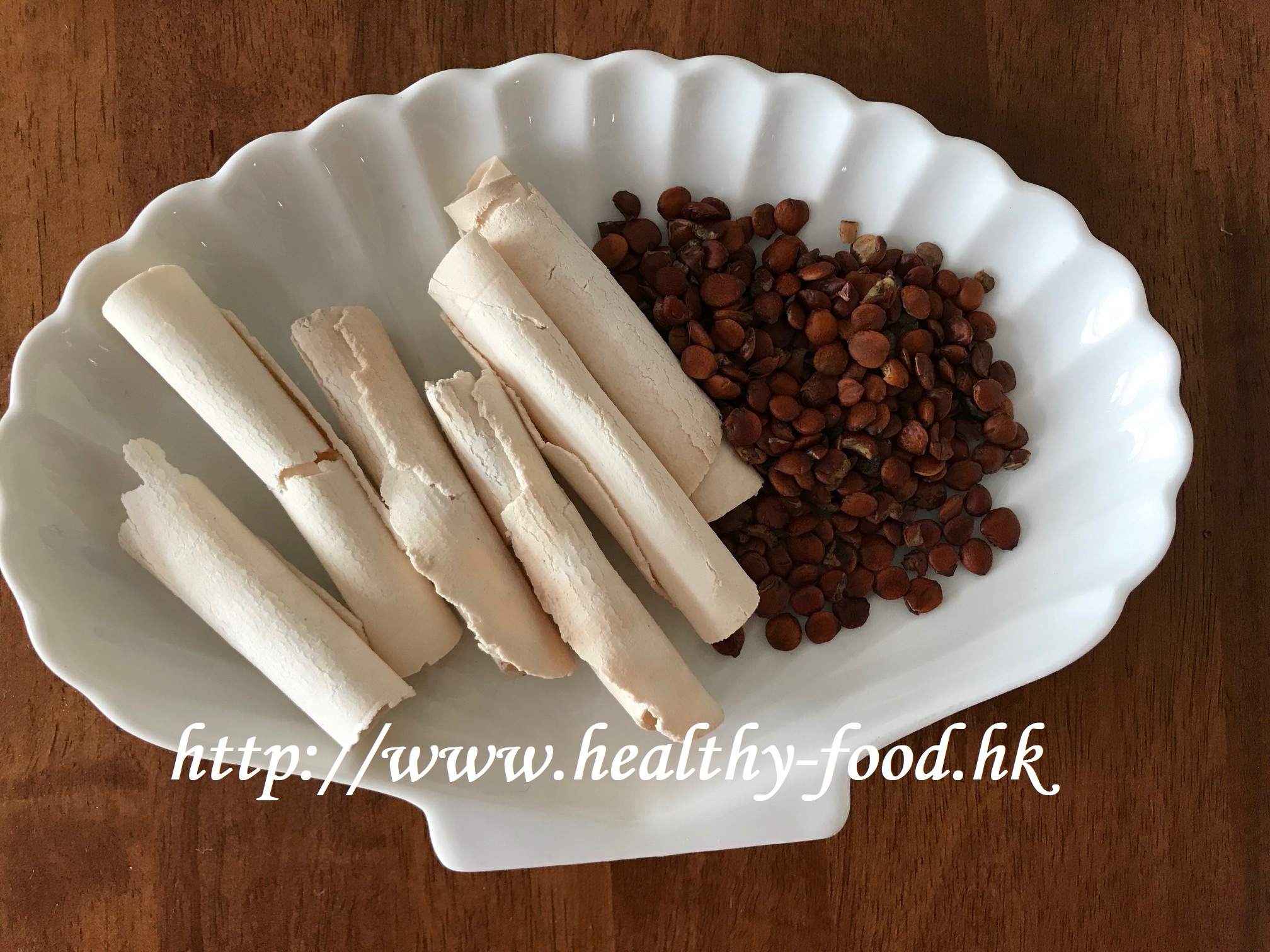 Herbal & Flower Teas
Toasted Sour Jujube Seed & Poria Tea
Toasted Sour Jujube Seed & Poria Tea
Best for: Bad breath with stress and poor sleep
Toasted sour jujube seeds and poria make this a particularly relevant choice when bad breath or a bitter taste appears alongside stressful periods and poor sleep. Traditionally, the combination is associated with calming the mind and supporting digestion.
Traditionally associated with freshening breath, calming the mind, and supporting restful sleep
How to choose
- For a quick, light everyday option, choose Fresh Lemon and Mint Tea; it takes about 15 minutes.
- For dry mouth, mouth bitterness or a hot feeling after late nights or spicy foods, choose one of the lotus seed or lotus heart teas with ophiopogon.
- For bloating, puffiness or digestive heaviness, Poria Cocos, Job's Tears, and Fresh Ginger Tea is the more relevant traditional pattern match.
- For sour-smelling breath with digestive heaviness, consider Jasmine, Poria and Dried Tangerine Peel Tea.
- If stress and poor sleep accompany the bad breath, Toasted Sour Jujube Seed & Poria Tea is the most specifically matched option.
When to be cautious
- If your mouth feels hot or you have sore gums or mouth ulcers, the ginger in Poria Cocos, Job's Tears, and Fresh Ginger Tea may be too warming; its recipe suggests replacing the ginger with ophiopogon and juncus pith for a more cooling version.
- Pregnant women should not drink the Jasmine, Poria and Dried Tangerine Peel herbal flower tea.
- Persistent bad breath can have dental causes such as tooth decay or gum disease. Seek dental or medical advice if symptoms persist or the breath is frequently unusually foul.
- Smoking, alcohol, excessive coffee and strongly scented foods such as raw onion, chives and garlic can contribute to unpleasant breath.
Common questions
What is the simplest tea for bad breath?
Fresh Lemon and Mint Tea is the simplest option here, taking about 15 minutes and using fresh lemon, fresh mint and crushed rock sugar. It is traditionally associated with freshening the breath and easing indigestion. The recipe also suggests eating a few of the mint leaves while drinking the tea so that the mint has direct contact with the mouth.
Which tea is traditionally used for bad breath and dry mouth?
Lotus Seed, Ophiopogon & Juncus Tea is specifically associated with bad breath accompanied by dry mouth and internal heat. It combines lotus seeds with their bitter core, ophiopogon root and juncus pith. In traditional food therapy, it is often turned to when dryness and unpleasant breath occur alongside late nights, insufficient water or frequent spicy and fried foods.
What should I drink if bad breath comes with bloating?
Poria Cocos, Job's Tears, and Fresh Ginger Tea is the closest match among these recipes. Poria and raw Job's tears are traditionally associated with draining excess dampness, while the recipe is specifically intended for bad breath accompanied by bloating and digestive sluggishness. Because ginger is warming, the recipe suggests a different cooling variation when sore gums, mouth ulcers or a burning sensation are present.
Can tea fix persistent bad breath?
Food-therapy teas are traditionally used as supportive drinks rather than as treatments for an underlying disease. Bad breath can also come from cavities, gum disease and other health problems, so persistent symptoms should not simply be covered with tea or mint. If careful oral hygiene does not resolve the problem, see a dentist or doctor to investigate the cause.
Guides are compiled from Nourilo's recipe library and describe traditional use. Read how we write and check our content and who is behind Nourilo.