Tonic Drinks & Waters
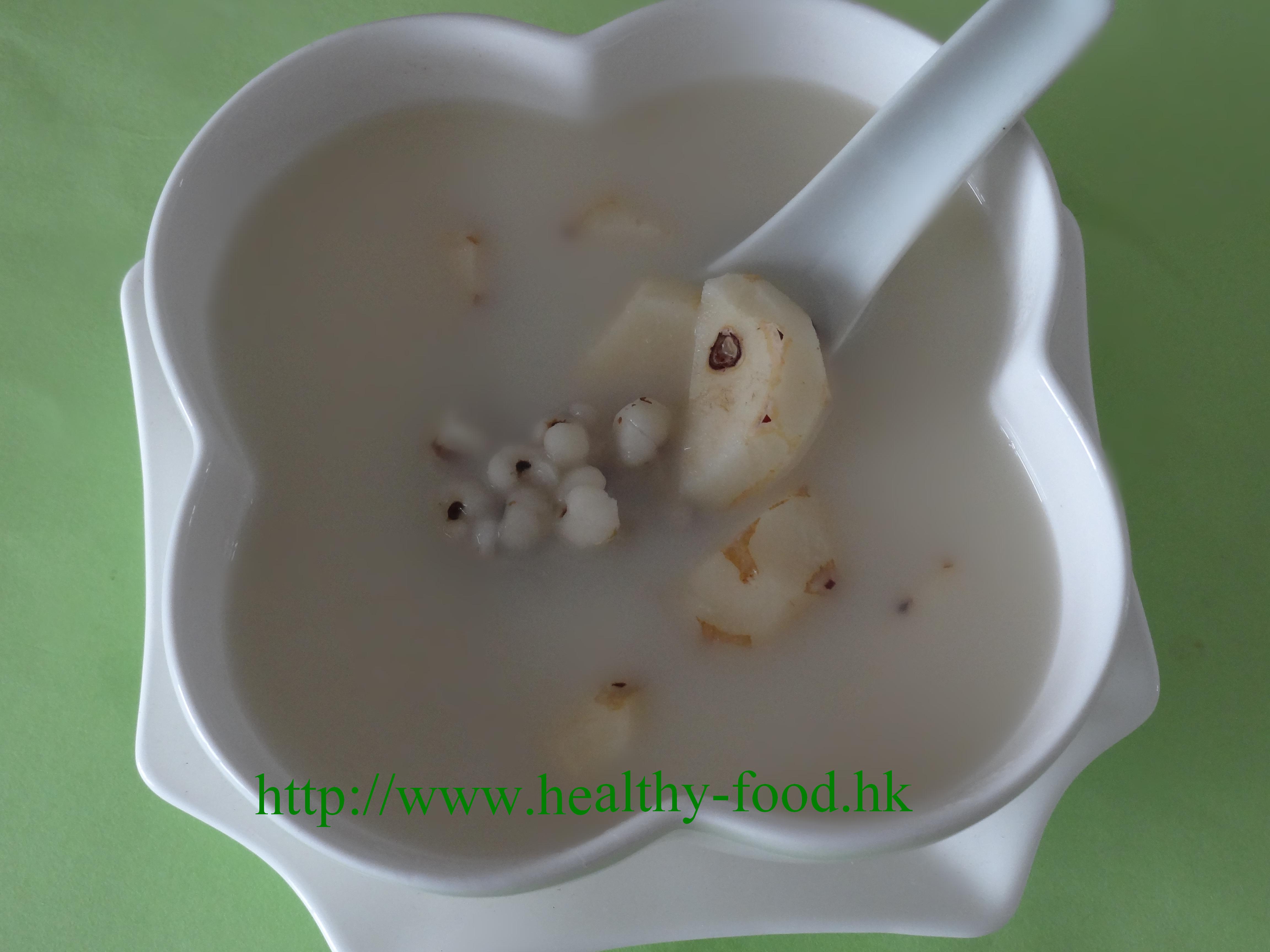
Water Chestnut and Barley Soy Milk
traditionally used to clear stomach heat and support fresh breath
In short: Water Chestnut and Barley Soy Milk is a tonic drinks & water that traditionally used to clear stomach heat and support fresh breath. It is most often made for digestive wellness, oral & throat comfort. Total time about 1 hr 10 min. Key ingredients: water chestnuts.
Why people make this drink
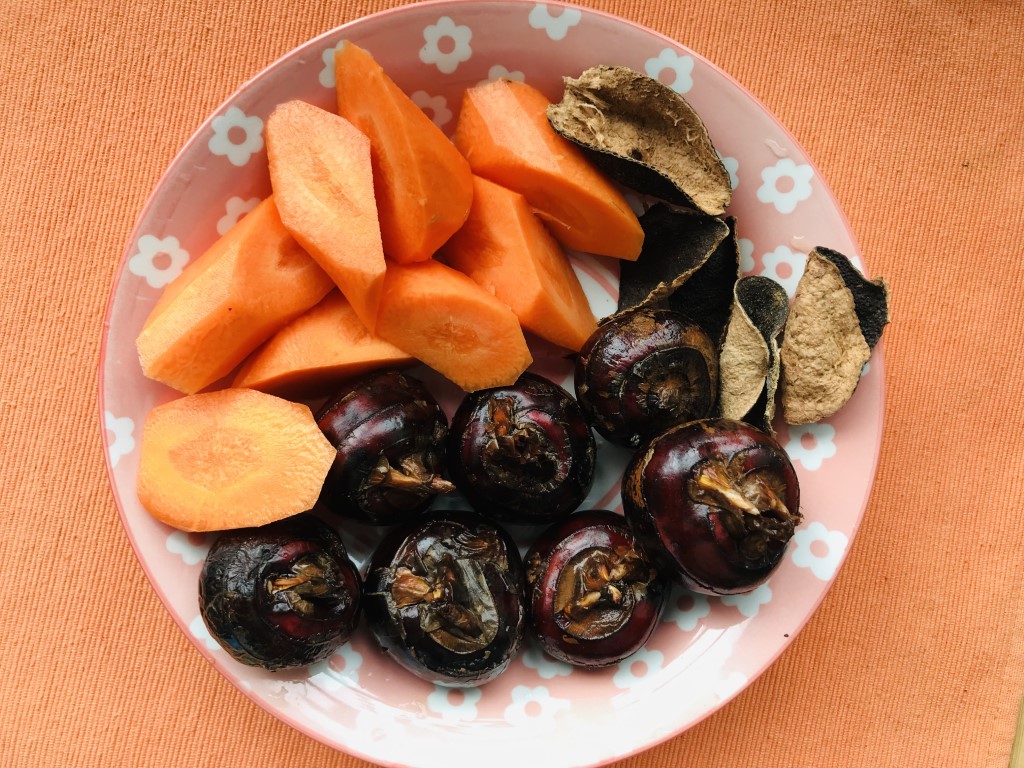
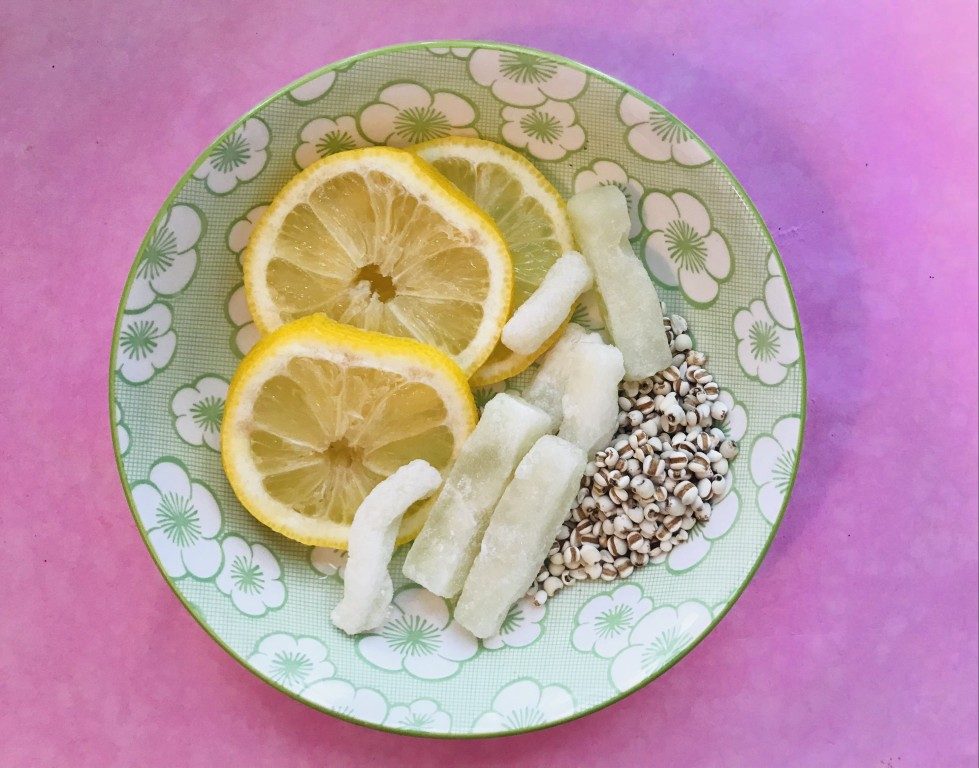
Bad breath can be an awkward social problem, and while dental hygiene is always the first thing to check, Nourilo often sees it linked to what he calls “stomach heat” — a pattern in traditional food therapy associated with eating too much fried, spicy, or rich food, which causes a kind of fermented, stale odor from the digestive tract. This drink works gently from the inside: water chestnut is refreshingly cooling and helps clear intestinal build-up, while barley — used here in both its raw and pre-cooked forms — supports digestion and drains excess dampness. Soy milk adds a mild, creamy base and extends the drink. Together they make a naturally sweet, pleasant beverage that can be drunk warm or at room temperature.
Safety first — read before you cook
This is a traditional food, not a treatment. Please check with your doctor or pharmacist before making it a regular part of your diet if you:
- are pregnant or breastfeeding, or are cooking for a young child;
- take regular medicines — especially blood thinners, blood-pressure, diabetes or immune-suppressing drugs;
- have a kidney, liver or heart condition, or a known food allergy.
Stop eating it and seek advice if you notice an allergic reaction or feel unwell. Safety notes reviewed 8 October 2026 · How we write safety notes
Members only
Unlock the full method & Nourilo's tips
One payment, lifetime access to every one of our 2,344 recipes — step-by-step methods, preparation tips and serving notes.
- Full step-by-step method for this and all 2,344 recipes
- Nourilo's Tips — sourcing, substitutions and serving notes
- One-time payment · card, Apple Pay or Google Pay · no subscription, no renewals
Checking your access…
$59.99 one-time · all recipes
Sign in or create a free account, then pay once by card, Apple Pay or Google Pay.
Continue with GoogleBy continuing with Google or email you confirm you are 16 or older and agree to our Terms of Use and Privacy Policy.
$59.99 one-time · all recipes
Signed in as ·
Secure checkout by Stripe. One-time payment, no renewals. Access is linked to your Nourilo account and never expires. By paying you agree to our Terms of Use; you can get a full refund within 14 days (refund policy).

Comments
Join the conversation — sign in or create a free account to comment.
Continue with GoogleBy continuing with Google or email you confirm you are 16 or older and agree to our Terms of Use and Privacy Policy.
Loading comments…